
Colorado has more four-wheel-drive mileage than almost any other state in the country — old mining roads, abandoned railroad grades, and high-alpine passes that top out above 13,000 feet. Whether you're brand-new to off-roading or have a fully built rig looking for its next shelf road, Colorado has a trail for you.
This guide walks through six of the most iconic Colorado off-road routes, from easy scenic drives in a stock SUV to white-knuckle expert passes. We'll cover difficulty, vehicle requirements, the best season to go, and the gear you need to make the trip safe and fun.
How to Read Colorado Trail Difficulty Ratings
Most Colorado trails are rated on a 1–10 scale popularized by the Colorado Off-Highway Vehicle Coalition and guidebooks like the Funtreks series. Here's the simple version:
- 1–3 (Beginner): Graded gravel or dirt. A stock SUV with decent ground clearance can handle it. Think Sunday drive with better views.
- 4–6 (Intermediate): Loose rock, mild ledges, narrow sections, and the occasional water crossing. High-clearance 4WD with good all-terrain tires required.
- 7–8 (Advanced): Steep shelf roads, big rocks, and exposure. You want a locker, skid plates, and spotters you trust.
- 9–10 (Expert): Body damage is a real possibility. Lifted 4x4 with at least one locker, 33"+ tires, winch, and recovery gear. Don't go alone.
Always check the latest trail conditions on USFS ranger district and CDOT sites before you leave — late snow, washouts, and burn-scar closures can shut a trail overnight.
1. Phantom Canyon Road — Beginner (Rating: 1–2)
Phantom Canyon connects Florence to Victor along an old narrow-gauge railroad grade. It's 34 miles of maintained dirt road winding through two one-lane tunnels, a 1897 steel bridge, and red-rock canyon walls. A Subaru Outback can do it without breaking a sweat — but it still feels remote and wild.
Why go: Perfect introduction to Colorado backcountry driving. Big scenery, zero danger.
Season: April – November (closed or snowpacked in winter).
Vehicle: Stock SUV or crossover. Trailers not recommended in the tunnels.
2. Taylor Park Loop — Intermediate (Rating: 3–5)
Up in the Gunnison National Forest, Taylor Park is a massive high-country basin surrounded by 12,000-foot peaks. The loop combines FS 742 and the classic side trips to Tincup, St. Elmo, and Cumberland Pass (12,015 ft). You get ghost towns, alpine meadows, and water crossings without any serious rock crawling.
Why go: The best "overlanding starter route" in the state. Plenty of dispersed camping.
Season: Late June – mid-October.
Vehicle: 4WD with high clearance and all-terrain tires. Lift optional but helpful for Cumberland.
Airing down your tires a few PSI before you leave pavement makes a huge difference on washboard forest roads — it smooths the ride, improves traction, and reduces the chance of a pinch flat on hidden rocks. A dedicated deflator takes a task that used to take 20 minutes and turns it into about 90 seconds per tire.

3. Medano Pass — Intermediate to Advanced (Rating: 5–6)
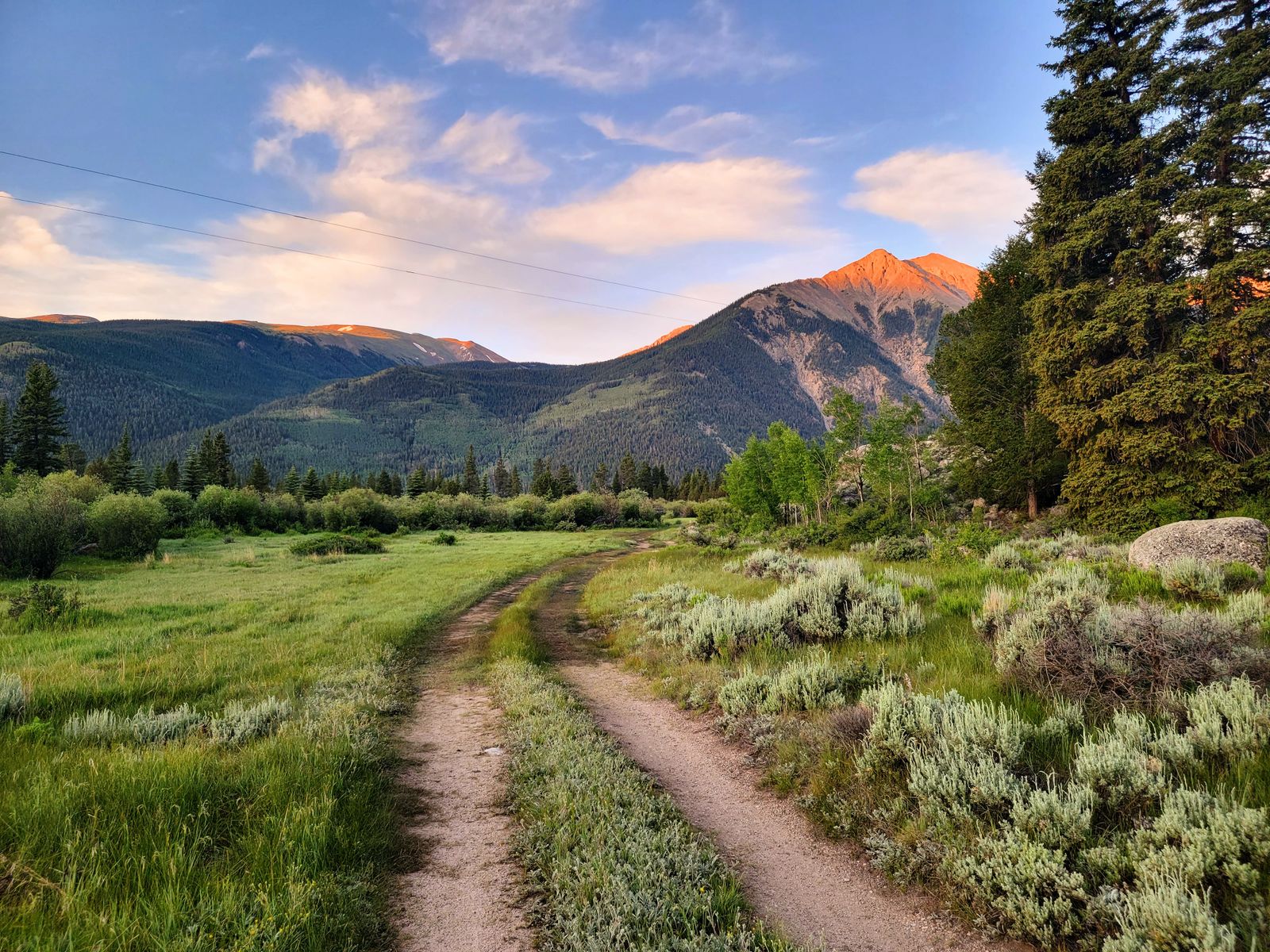
Medano Pass is one of the most unique trails in the state because it combines high-alpine forest with actual sand dunes. The pass drops out of the San Isabel National Forest into Great Sand Dunes National Park via a series of nine creek crossings and a four-mile stretch of deep, soft sand.
Why go: Where else can you cross a mountain pass and a dune field in the same afternoon?
Season: Late May – October. Check creek levels during spring runoff.
Vehicle: 4WD high-clearance with aggressive all-terrain or mud tires. Airing down to 18–20 PSI is mandatory for the sand section — the National Park Service will turn you back if your tires are too firm.
4. Engineer Pass (Alpine Loop) — Advanced (Rating: 6–7)
Engineer Pass tops out at 12,800 feet and is the northern half of the famous Alpine Loop between Lake City, Silverton, and Ouray. The trail climbs through old mining camps (don't miss the ghost town of Animas Forks), crosses multiple shelf sections, and serves up some of the best high-country views in North America.
Why go: Legendary scenery with moderate technical challenge.
Season: Late June – September.
Vehicle: Stock 4WD Jeep Wrangler, 4Runner, or similar is fine if driven carefully. Full-size trucks will scrape on some of the tighter sections.
5. Imogene Pass — Expert (Rating: 7–8)
At 13,114 feet, Imogene is the second-highest vehicle-passable pass in Colorado and the scenic payoff is absurd. The trail links Ouray and Telluride and passes the old Tomboy Mine site on the way up. It's rocky, narrow, and there's real exposure near the summit — but the views of Yankee Boy Basin and the Sneffels Range are worth every pucker.
Why go: The quintessential Colorado high-country 4x4 experience.
Season: July – September (snow often blocks the top until mid-July).
Vehicle: Lifted 4WD with 32"+ tires, skid plates, and at least a rear locker recommended. No trailers. Don't attempt in rain — the descent into Telluride becomes a slide.
6. Black Bear Pass — Expert (Rating: 9–10)
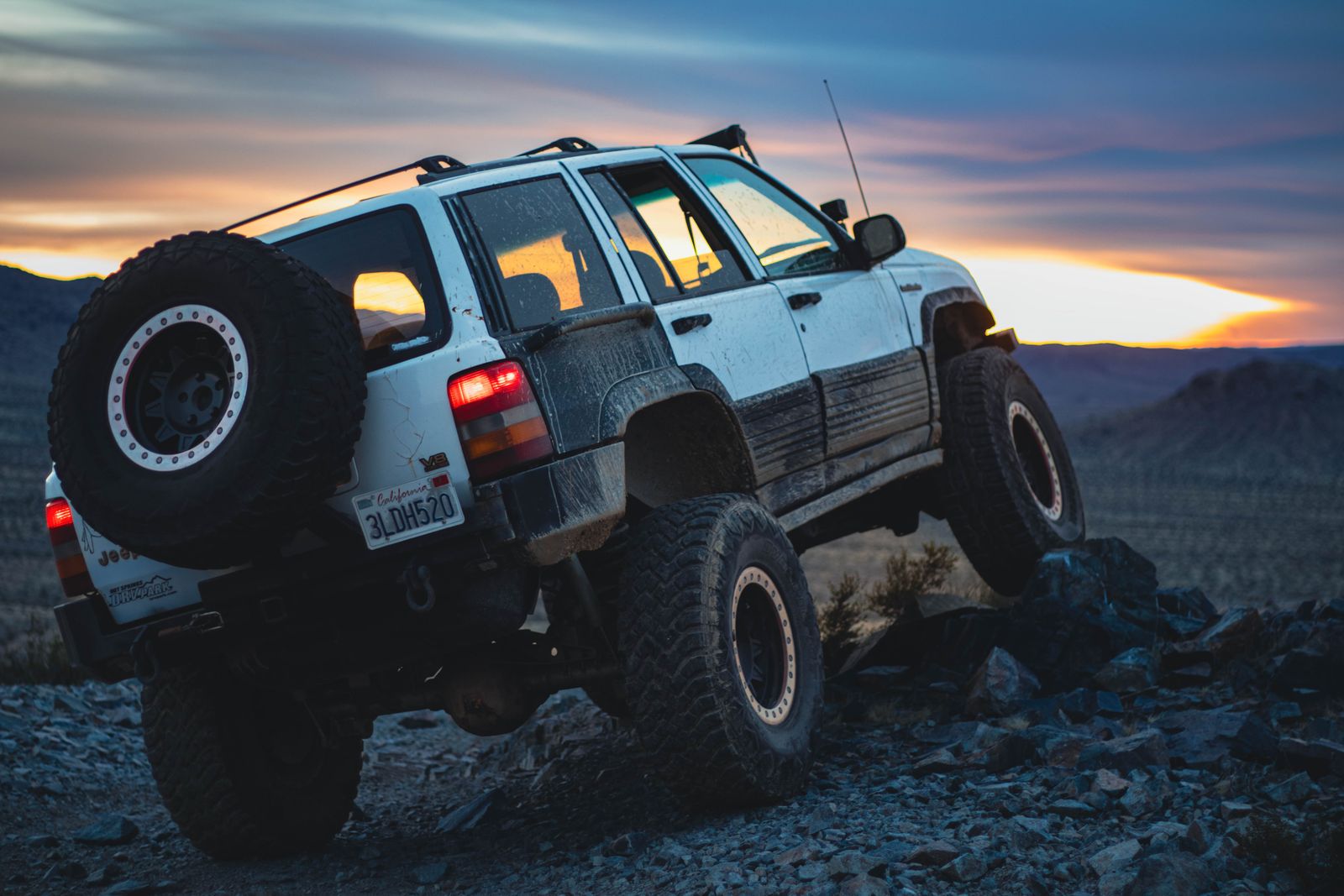
Black Bear is the trail that has its own road sign warning: "You don't have to be crazy to drive this road, but it helps." The route descends 1,400 feet of cliff-face switchbacks into Telluride, one-way only, with sections so tight that full-size rigs physically cannot make the turns. People die on Black Bear most summers — usually because they underestimated it, over-drove their brakes, or tried to turn around on the switchbacks.
Why go: Bragging rights and some of the most dramatic off-road driving in the country.
Season: Mid-July – early September.
Vehicle: Narrow, short-wheelbase 4x4 only (Wrangler, small Toyota, side-by-side). Lockers, great brakes, and a co-driver who will spot you on the switchbacks. If you have any doubt at all, do not drive this trail.
Gear Checklist for Colorado Trails
Regardless of which trail you pick, altitude and remoteness turn small problems into big ones fast. Pack for the worst-case day:
- Air down / air up system: Proper tire pressure is the single biggest performance upgrade you can make on dirt. Drop to 18–22 PSI for most trails, 15 PSI or lower for the Medano sand section, and always air back up before hitting pavement.
- Recovery gear: Tow strap, D-rings or soft shackles, traction boards. A winch if you're going anywhere with exposure.
- Communication: Cell service is spotty to nonexistent above treeline. A GMRS radio or a Garmin inReach is not optional on Imogene or Black Bear.
- Layers and water: You can leave Denver in 80°F shorts weather and hit snow at 13,000 feet. Pack for both.
- Paper map: A Benchmark Colorado Road & Recreation Atlas has saved more trips than GPS has.
For hauling a full-size rig out of trouble, we recommend a rated recovery strap with looped ends — no metal hooks that can become projectiles if a strap fails:

And for airing back up at the end of the day — which you absolutely have to do before the drive home — a proper on-board compressor is a trip-saver. Gas-station pumps don't exist in places like Lake City or Silverton.
Final Tips Before You Hit the Trail
- Go with a buddy vehicle. Especially on anything rated 5+. Solo breakdowns at 12,000 feet are not fun.
- Tread Lightly. Stay on designated routes, pack out what you pack in, and don't shortcut switchbacks. Colorado keeps these trails open because we police ourselves.
- Check conditions the morning of. Weather in the San Juans can change in 30 minutes. Afternoon thunderstorms are the norm from July through August.
- Start early. Plan to be off the high passes by 2 PM to stay ahead of storms.
Colorado has something for everyone — whether you just want a pretty scenic drive or the most intense high-alpine 4x4 you can find. Pick a trail that matches your rig and your experience, bring the right gear, and enjoy the ride. For more trail tips, see our guides on airing down, recovery techniques, and overlanding gear — and get out there.