
Your tires are the only part of your vehicle that actually touches the road — four palm-sized contact patches doing all the work of stopping, steering, and gripping. When the tread wears down, every one of those jobs gets harder, especially in the rain. Yet most drivers never check their tread depth until a mechanic points it out, usually right before a big repair bill.
The good news: measuring tire tread depth takes about two minutes, costs nothing, and could keep you out of a wet-weather skid. Here’s exactly how to do it, what the numbers mean, and how to know when it’s truly time for new tires.
Why Tire Tread Depth Matters
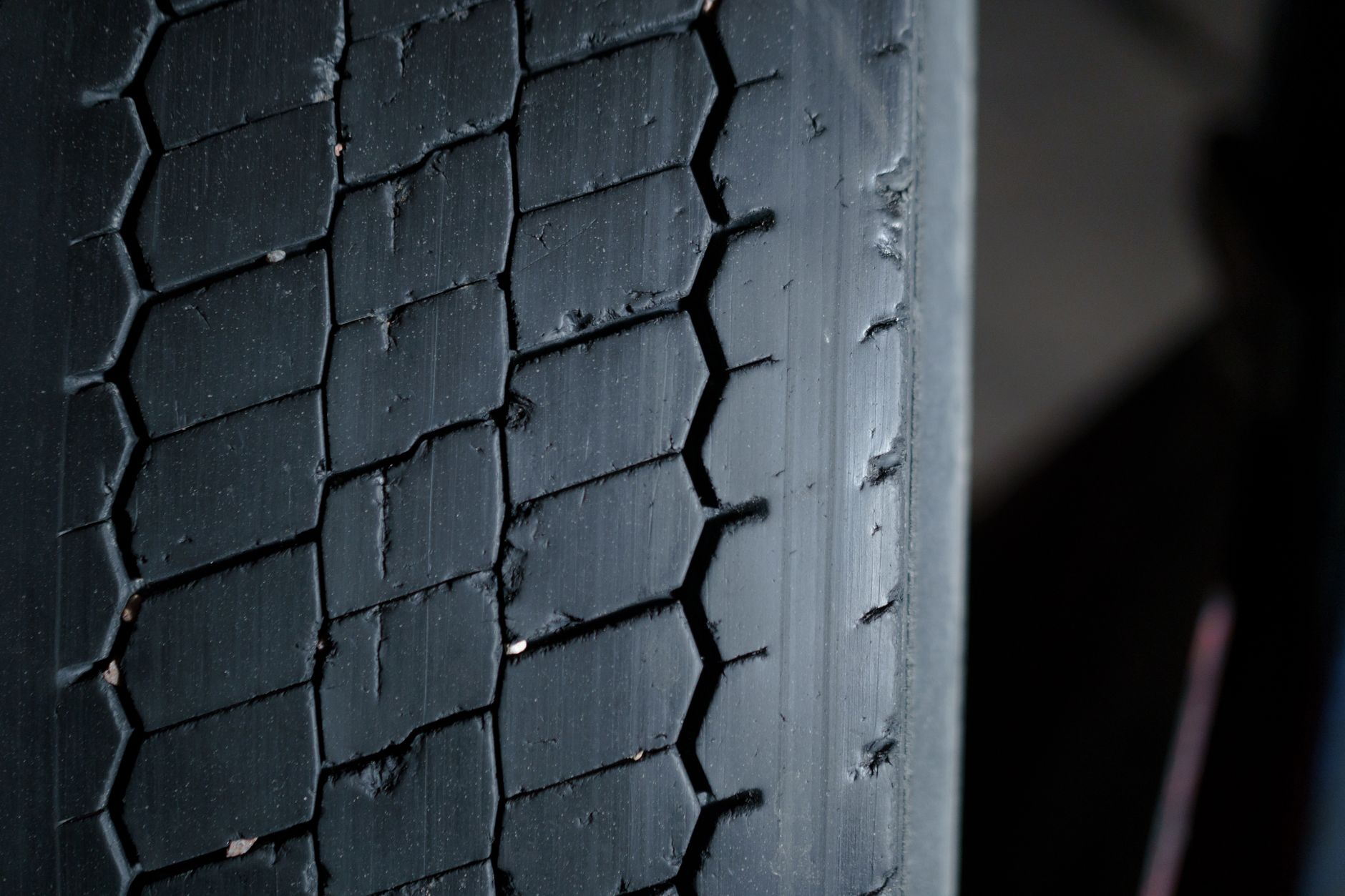
Tread isn’t just rubber — it’s a channel system. Those grooves pump water out from under the tire so the rubber can stay in contact with the pavement. As the tread wears down, there’s less room to evacuate water, and your risk of hydroplaning climbs sharply.
Worn tires also lengthen your stopping distance. Testing has repeatedly shown that a vehicle with tread near the legal minimum can take dozens of extra feet to stop on wet roads compared to one with healthy tread — the difference between a close call and a collision. Shallow tread also reduces traction in snow and on loose surfaces, and it makes a blowout more likely as the protective rubber over the belts thins out.
What Counts as a Safe Tread Depth?
Tread depth is measured in 32nds of an inch. A brand-new passenger tire typically starts around 10/32″ to 11/32″. Here’s how to read the numbers:
- 6/32″ or more: Healthy tread. You’re good to go.
- 5/32″: Fine for dry driving, but start planning ahead if you regularly drive in rain or snow.
- 4/32″: The recommended replacement point for wet-weather safety. Many tire pros consider this the real-world “replace soon” threshold.
- 2/32″: The legal minimum in most states. At this point the tire is legally worn out and should have already been replaced.
The key takeaway: don’t wait for 2/32″. By the time you hit the legal limit, your wet-weather grip has been compromised for a while. Aim to replace around 4/32″ if you drive in wet or wintry conditions.
The Penny Test: The Fastest Free Check

No tools? Grab a penny. This classic test tells you instantly whether a tire has hit the legal danger zone.
- Hold a penny with Lincoln’s head pointing down.
- Insert it into a tread groove, head-first.
- Look at how much of Lincoln’s head disappears.
If the tread covers part of Lincoln’s head, you still have more than 2/32″ left. If you can see the top of his head — meaning the tread is level with or below it — your tire is at or below 2/32″ and needs to be replaced now.
Want an earlier warning? Use a quarter instead. If the tread reaches Washington’s head, you still have about 4/32″ — the smarter replacement point for wet-weather drivers.
Check the Built-In Tread Wear Bars
Every modern tire has its own warning system built in: tread wear indicator bars. These are small raised rubber bridges that sit in the bottom of the grooves, set at exactly 2/32″.
When the surrounding tread wears down to the level of these bars — so the bar sits flush with the tread blocks — the tire has reached its legal wear limit. If you look across the tire and see these bars becoming flush, don’t bother with the penny; it’s already time.
Use a Tread Depth Gauge for Real Numbers
Coins give you a pass/fail answer, but a dedicated tread depth gauge gives you the actual measurement — useful for tracking wear over time or comparing tires. These inexpensive probe-style gauges cost only a few dollars and read directly in 32nds.
To use one, press the base flat against the tread block and push the probe down into a groove until it bottoms out, then read the scale. Take measurements in several spots around the tire and across its width — inner edge, center, and outer edge. Big differences between those readings are a red flag we’ll cover next.
Uneven Wear Is a Warning Sign
Tread should wear down evenly across the whole tire. When it doesn’t, the tire is telling you something is wrong elsewhere on the vehicle:
- Worn on both outer edges: Chronic under-inflation. The tire is running low and riding on its shoulders.
- Worn down the center: Over-inflation, ballooning the middle of the tread.
- Worn on one edge only: Alignment issue (camber) that needs a shop.
- Cupping or scalloped patches: Worn suspension components or an out-of-balance wheel.
The two most common and preventable causes — over- and under-inflation — come straight down to tire pressure. Keeping your tires at the pressure listed on the door jamb sticker is the single easiest way to make a set of tires last its full mileage. A quality gauge you actually trust makes that a 30-second habit instead of a guessing game.

Signs It’s Time to Replace — Beyond the Tread
Tread depth is the headline number, but it’s not the only reason to buy new tires. Replace a tire — regardless of tread — if you spot any of these:
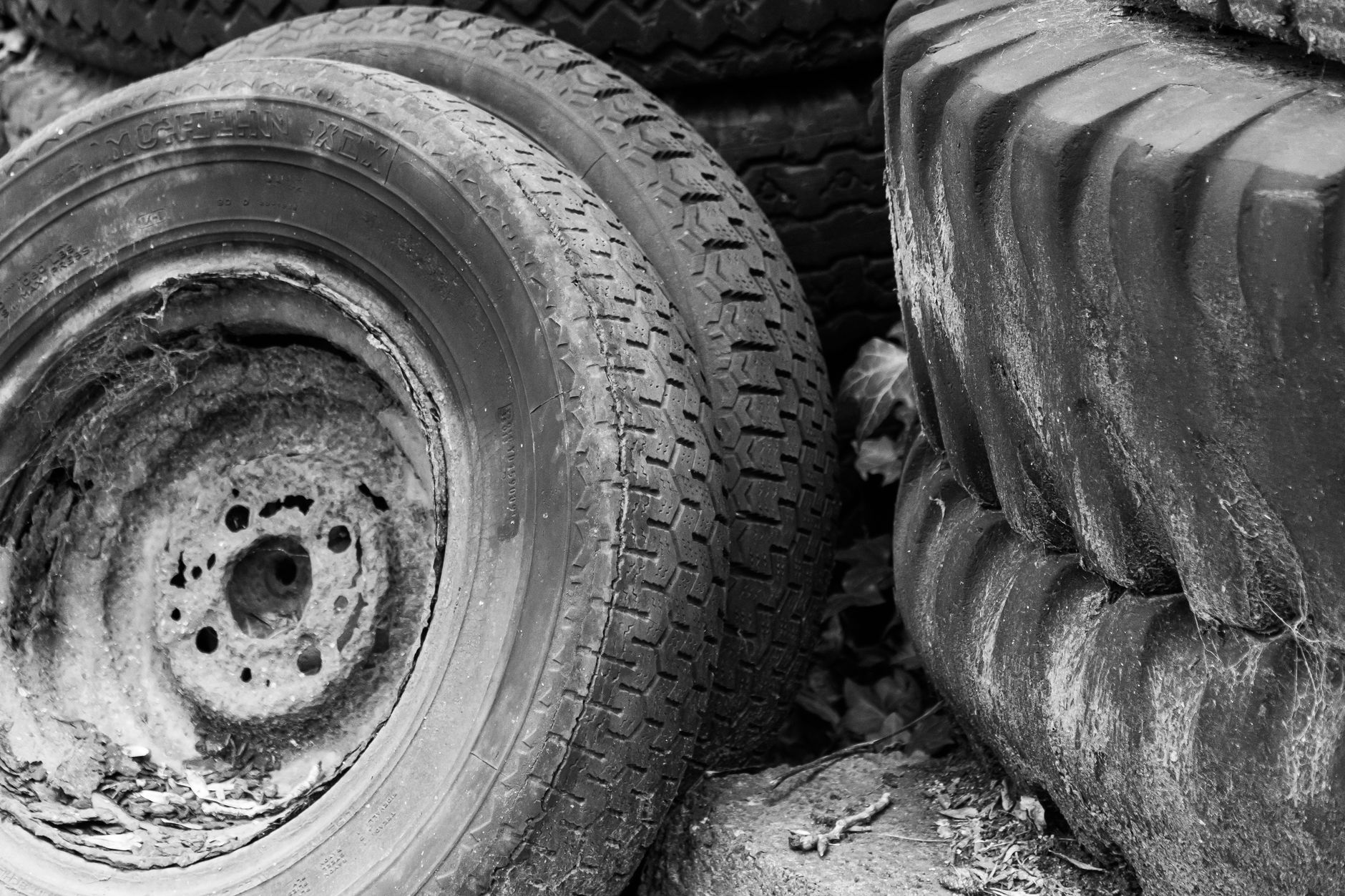
- Age: Rubber degrades over time. Most manufacturers recommend replacing tires at 6 years and never running them past 10, even if the tread looks fine. Check the DOT date code on the sidewall.
- Cracks or dry rot: Fine cracks in the sidewall or between tread blocks mean the rubber is breaking down.
- Bulges or blisters: A bubble in the sidewall signals internal damage and can lead to a sudden blowout.
- Repeated pressure loss: A tire that keeps going flat may have a slow leak or bead damage that isn’t safely repairable.
How to Make Your Tread Last Longer
A little routine care easily adds thousands of miles to a set of tires. Build these habits:
- Check pressure monthly (and before long trips) with an accurate gauge. Correct pressure is the #1 factor in even wear.
- Rotate every 5,000–7,500 miles so front and rear tires wear at a similar rate.
- Get an alignment if you notice edge wear or the vehicle pulling to one side.
- Air up before you air out. If you air down for trails or sand, reinflate to street pressure before you get back on pavement — a portable inflator like the FlowPro® 2.0 Digital Tire Inflator makes it painless.
Browse the full lineup of professional-grade tire pressure gauges to find the one that fits how you drive.
The Bottom Line
Tire tread depth is one of the simplest, highest-payoff safety checks you can do — and it costs nothing but a penny and two minutes. Check your tread once a month, keep an eye out for uneven wear, and don’t push tires past 4/32″ if you drive in rain or snow. Pair that habit with correct tire pressure and regular rotations, and you’ll get every safe mile your tires have to give — while staying firmly planted on the road when the weather turns.