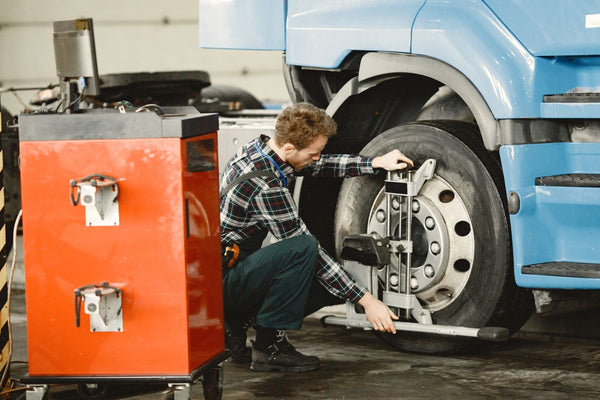


When the first hard freeze rolls in, your garage takes the hit long before your driveway does. Uninsulated walls turn it into a walk-in cooler, humidity swings rust your tools, and cold-soaked concrete makes every project miserable. The good news: winterizing your garage is a one-weekend job that pays off all season. Here's how to seal it up, warm it up, and protect the gear inside before the temperature drops for good.
Why Winterizing Your Garage Actually Matters
Most garages are the least-insulated room attached to your house. They share a wall with your living space, so a cold garage quietly drives up your heating bill. But comfort is only part of it. Freezing temperatures and the moisture that comes with them are hard on everything you store out there.
Cold air holds less moisture, so when warm days follow cold nights, condensation forms on metal surfaces — wrenches, sockets, saw blades, and bare fasteners. That's how a well-stocked toolbox turns into a rust museum by March. A little prep now saves you money on heating and replacement tools later.
Step 1: Seal the Air Leaks First
Before you add a single BTU of heat, stop the cold air from pouring in. Sealing leaks is the cheapest, highest-impact thing you can do, and it makes every other step work better.
- Garage door bottom seal: The rubber gasket along the bottom of the door is usually the biggest culprit. If it's cracked or flattened, replace it — it's a $20 fix.
- Weatherstripping: Add adhesive-backed weatherstrip around the door frame and any entry door to the house.
- Wall and window gaps: Run a bead of caulk around window trim and where the wall meets the foundation.
- Outlets and penetrations: Foam gaskets behind outlet covers and expanding foam around pipe or wire penetrations close off sneaky drafts.
Do this on a windy day and you'll literally feel where the cold gets in. Hold a hand near suspected gaps — the drafts are obvious.
Step 2: Insulate the Walls, Ceiling, and Door

Insulation is what actually keeps the heat you generate from leaking straight back outside. You don't need to insulate to living-space standards — even a moderate R-value makes a dramatic difference in an attached garage.
- Walls: Fiberglass batts sized for 2x4 studs (R-13) or 2x6 studs (R-19) are the simplest DIY option. Foam boards work well over masonry walls.
- Ceiling: If there's living space above, insulate the ceiling too — heat rises and escapes fast.
- Garage door: This is the single largest uninsulated surface in most garages. A pre-cut garage door insulation kit (foam or fiberglass panels) is inexpensive and installs in under an hour.
Always wear gloves, long sleeves, and a dust mask when handling fiberglass. And never cover or pack insulation tightly around light fixtures or heat sources.
Step 3: Choose the Right Heat Source

Once the space is sealed and insulated, a modest heater can keep it comfortable. Match the heater to how you use the garage.
- Electric space heaters: Best for short work sessions. Safe, quiet, and no fumes — but watch your amperage draw on older circuits.
- Infrared/radiant heaters: Warm objects and people directly instead of the air. Great for spot-heating a workbench.
- Propane or natural gas heaters: Powerful for large or detached garages, but require ventilation and a carbon monoxide detector — non-negotiable.
- Mini-split heat pumps: The premium option. Efficient, permanent, and doubles as A/C in summer.
Whatever you choose, keep it clear of flammable materials, never leave a fuel-burning heater running unattended, and install a CO detector if you burn any fuel indoors.
Step 4: Protect Your Tools and Equipment
Heat and insulation protect the space — but your tools need a little direct attention too. Moisture is the enemy, and a few cheap habits keep rust from taking hold.
- Wipe metal tools down with a light coat of oil or a rust-inhibiting spray before the cold sets in.
- Add a dehumidifier or moisture absorbers (silica gel or calcium chloride tubs) inside toolboxes and cabinets.
- Get tools off the concrete. Cold slab floors pull moisture up. Pegboards, wall racks, and shelving keep gear dry and organized.
- Store batteries properly. Lithium-ion packs for power tools last longer stored around room temperature — extreme cold reduces capacity and lifespan.

Step 5: Get Organized Before You're Snowed In
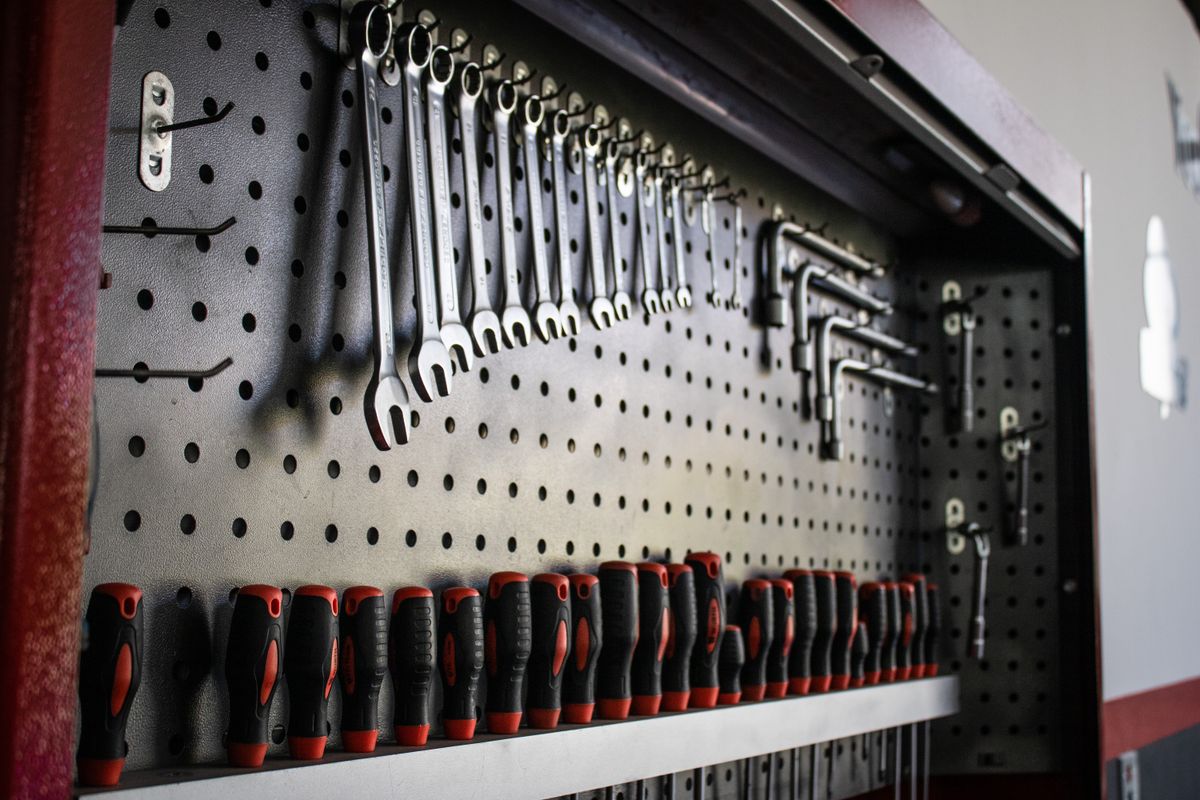
Winter is the season you'll be digging for a snow shovel, jumper cables, or an ice scraper in a hurry. A quick organization pass now means you're not fumbling in the cold later.
Mount a pegboard for hand tools, install wall hooks for bulky seasonal gear, and keep a dedicated bin for winter essentials near the door. Group your recovery and hauling gear — tow straps, ratchet straps, and traction aids — so it's grab-and-go when a storm hits. Clear, labeled bins beat a pile on the floor every time.
Step 6: Don't Forget Cold-Weather Tire Pressure
Here's the one that catches everyone: tire pressure drops roughly 1 PSI for every 10°F the temperature falls. A vehicle parked in a cold garage overnight can read several PSI low by morning — hurting traction, handling, and fuel economy exactly when winter roads demand the most.
Keep an accurate gauge in the garage and check all four tires (plus the spare) whenever the temperature swings. It takes two minutes and it's the cheapest safety upgrade you can make before winter driving season.

Your Winter-Ready Garage Checklist
Run through this before the first real cold snap and you'll be set for the season:
- Seal garage door, entry door, windows, and wall penetrations
- Insulate walls, ceiling, and the garage door itself
- Install a heat source sized to your space — with a CO detector if it burns fuel
- Oil metal tools and add moisture absorbers to toolboxes
- Get tools off the cold concrete and onto walls or shelving
- Store power-tool batteries at room temperature
- Keep an accurate tire gauge handy and check pressures on cold mornings
A winterized garage isn't just warmer — it's a space you'll actually want to work in when it's gray and freezing outside, with tools that are still sharp and ready when spring rolls around. Browse the full lineup of JACO tools and tire accessories to get your garage dialed in before the cold sets in.