
Gravel biking is one of the fastest-growing segments in cycling — and for good reason. It combines the endurance of road cycling with the adventure of mountain biking, opening up thousands of miles of unpaved roads, forest service roads, and forgotten backroads most cyclists never see. Whether you're a road rider looking for new terrain or a complete beginner drawn to the idea of exploring on two wheels, gravel biking offers something genuinely different.
But before you point your tires at the nearest dirt road, there are some things worth knowing. This guide covers the essentials so your first gravel ride is fun, not frustrating.
What Exactly Is Gravel Biking?
Gravel biking sits in the space between road cycling and mountain biking. You're riding a drop-bar bike — similar to a road bike — but with wider tires, more relaxed geometry, and the ability to handle unpaved surfaces like gravel roads, packed dirt, fire roads, and light singletrack.
The appeal is access. Paved roads can feel monotonous and dangerous with traffic. Mountain bike trails require specific skills and terrain. Gravel roads? They're everywhere, they're quiet, and they take you to places cars rarely go.
Think of gravel biking as the hiking equivalent of cycling. You're not racing (usually). You're exploring.
Choosing the Right Bike
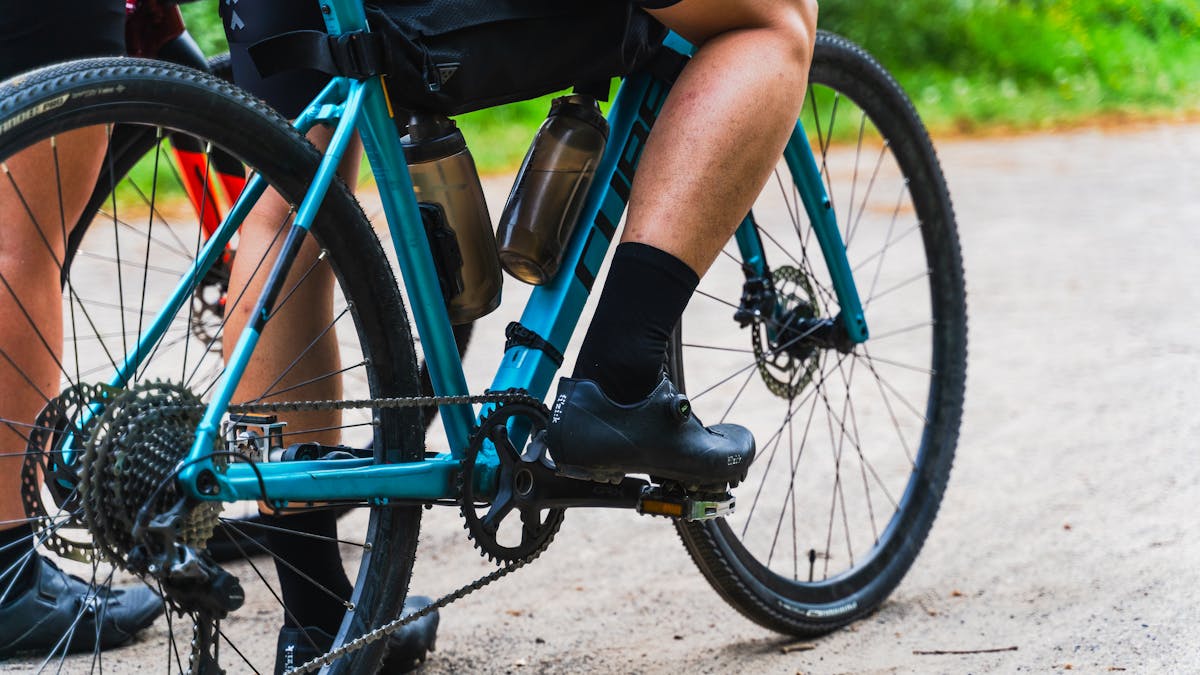
You don't necessarily need a dedicated gravel bike to get started — plenty of people do their first rides on a cyclocross bike, a hardtail mountain bike, or even a touring bike. But if you're buying something new, here's what makes a gravel bike different:
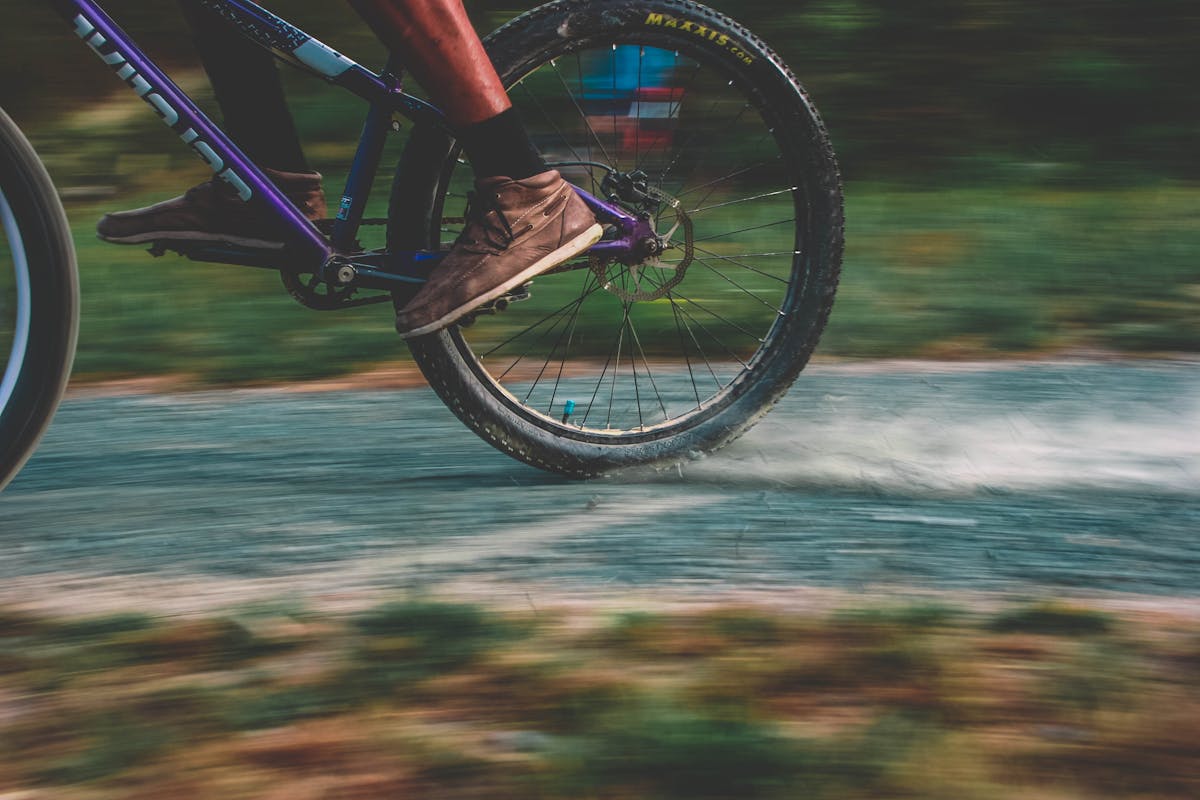
- Wider tire clearance: Gravel bikes typically fit tires from 35mm to 50mm wide, compared to 25-28mm on road bikes. Wider tires mean more traction, comfort, and confidence on loose surfaces.
- Relaxed geometry: A longer wheelbase and slacker head tube angle make the bike more stable at speed on rough terrain.
- Disc brakes: Virtually all gravel bikes run disc brakes for reliable stopping power in mud, dust, and wet conditions.
- Mounting points: Eyelets for fenders, racks, and extra water bottles — because gravel rides tend to be longer and more remote.
- Flared drop bars: Many gravel bikes feature handlebars that flare outward at the drops, giving more control on descents.
Budget tip: Entry-level gravel bikes from reputable brands start around $1,000-1,500. That gets you a solid aluminum frame with reliable components. You don't need carbon fiber to have a great time.
Tires and Pressure: The Single Biggest Factor
If there's one thing that makes or breaks a gravel ride, it's your tires. The right tire at the right pressure transforms the experience.
Tire width: For mixed gravel and pavement, 38-40mm is a great all-around starting point. If you're riding rougher terrain with rocks and ruts, go wider — 42-45mm. For smoother gravel roads, 35-38mm keeps things fast.
Tire pressure: This is where most beginners go wrong. Road bike instincts tell you to pump tires hard, but on gravel, lower pressure is your friend. Lower pressure means:
- More tire contact with the ground = better traction
- The tire absorbs bumps instead of bouncing over them = more comfort
- Less fatigue over long rides
Starting point recommendations:
- Rider under 150 lbs: 30-35 PSI front, 33-38 PSI rear
- Rider 150-190 lbs: 35-40 PSI front, 38-43 PSI rear
- Rider over 190 lbs: 40-45 PSI front, 43-48 PSI rear
These are starting points — experiment from there. A reliable digital tire pressure gauge is essential for dialing this in precisely. Even a few PSI can make a noticeable difference in grip and comfort on loose surfaces.
Tubeless is worth it: If your wheels support it, running tubeless tires lets you go even lower on pressure without risking pinch flats. Most serious gravel riders run tubeless.
Essential Gear for Your First Ride
Gravel riding doesn't require a ton of specialized gear, but a few things are non-negotiable:
- Helmet: Always. No exceptions.
- Flat repair kit: Spare tube, tire levers, mini pump or CO2 inflator. If tubeless, carry a plug kit too.
- Water: Gravel rides tend to go longer than planned, and there are no convenience stores on forest roads. Two bottles minimum.
- Multi-tool: A basic cycling multi-tool handles most trailside adjustments.
- Phone with offline maps: Cell service disappears on backcountry gravel. Download your route before you leave.
- Food: Energy bars, gels, or whatever works for you. Budget 200-300 calories per hour for rides over 2 hours.
Nice to have: Padded cycling shorts (your sit bones will thank you), cycling-specific gloves for grip and vibration damping, and a small frame bag or saddle bag to carry your essentials without a backpack.
Finding Routes
Half the fun of gravel biking is the exploration, but having a plan matters — especially when you're new to it.
- Ride with GPS: The gold standard for gravel routes. Their "gravel" filter shows you routes specifically designed for unpaved riding.
- Komoot: Excellent for route planning with surface type overlays so you know what to expect.
- Strava: Check segment data and heatmaps to see where other gravel riders are going near you.
- Local bike shops: Often the best source for "where should I ride gravel around here?" They know the good stuff.
- Google Maps satellite view: Surprisingly useful for spotting unpaved roads and connecting them into loops.
First ride tip: Keep it short — 15-25 miles with mostly smooth gravel. You can always extend future rides once you know your pace and comfort level on mixed surfaces.
Riding Technique: What's Different from Road Riding
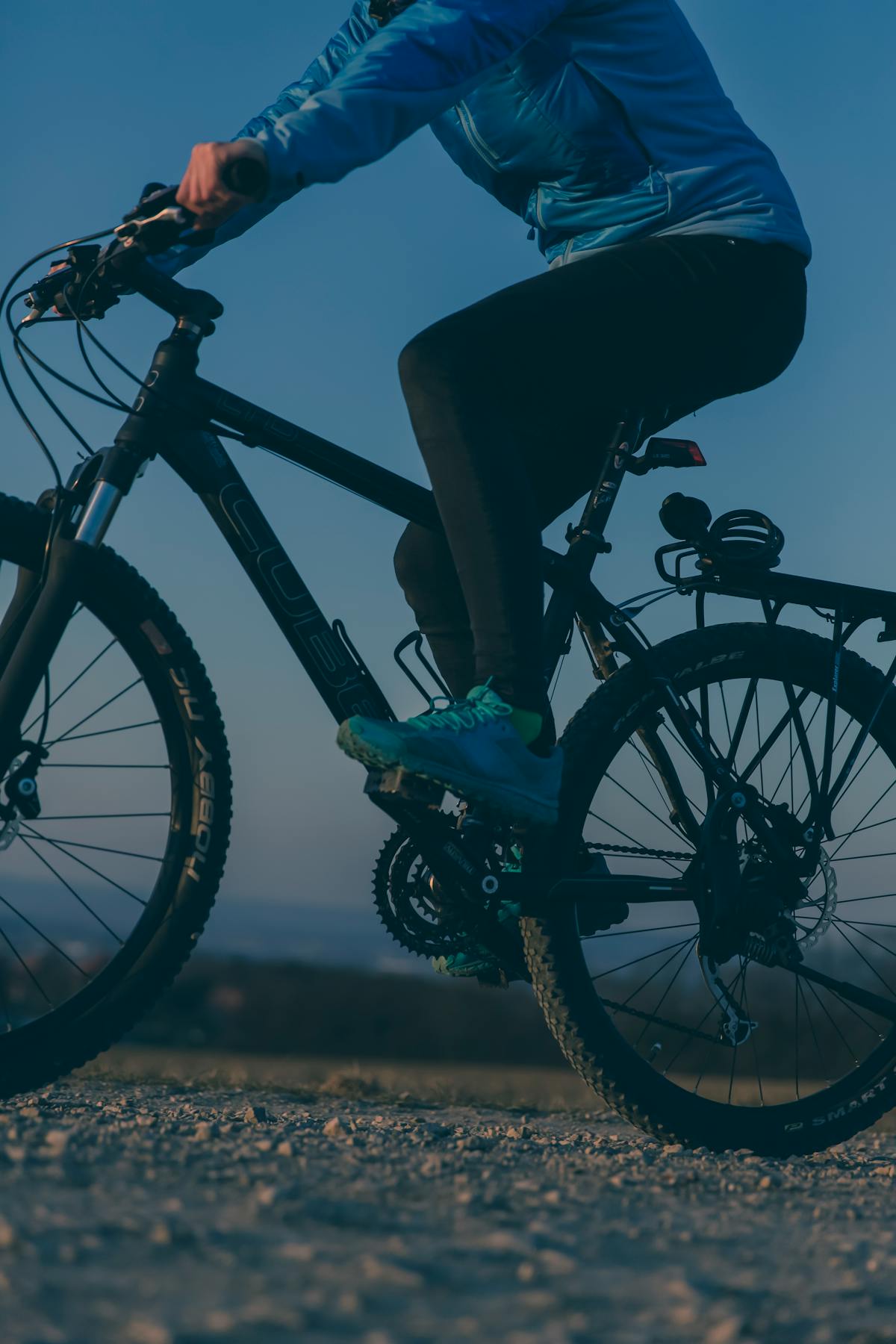
If you're coming from road cycling, gravel requires some mental and physical adjustments:
- Relax your grip: Loose gravel will make your bike wander. That's normal. A death grip on the handlebars makes it worse. Stay relaxed, let the bike move underneath you.
- Look ahead, not down: Your bike goes where your eyes go. Focus 15-20 feet ahead, not at the ground directly in front of your wheel.
- Brake before corners, not in them: Loose surfaces reduce braking traction. Scrub speed before the turn, then roll through smoothly.
- Weight distribution matters: On steep descents, shift your weight back. On climbs, stay seated longer than you would on pavement — standing up can cause your rear tire to lose traction.
- Expect the unexpected: Washboards, sand patches, cattle guards, sudden pavement-to-gravel transitions. Stay alert and keep your speed manageable.
The biggest shift is mental. On the road, you aim for speed and efficiency. On gravel, you aim for flow and adaptability. Let go of your average speed — it will be slower than road, and that's perfectly fine.
Safety and Preparedness
Gravel roads are remote by nature. A few safety considerations:
- Tell someone your route and expected return time. This is non-negotiable for solo rides in remote areas.
- Carry more water and food than you think you'll need. Heat, headwinds, and unexpected detours burn through supplies fast.
- Check weather before you go. Some gravel roads become impassable mud bogs after rain. Others turn dusty and loose in extreme heat.
- Know your bail-out options. Plan your route so you're never more than a few miles from a paved road, at least until you're experienced.
- Bring basic first aid: Bandages, antiseptic wipes, and a whistle weigh almost nothing and could matter a lot.
Start Simple, Build From There
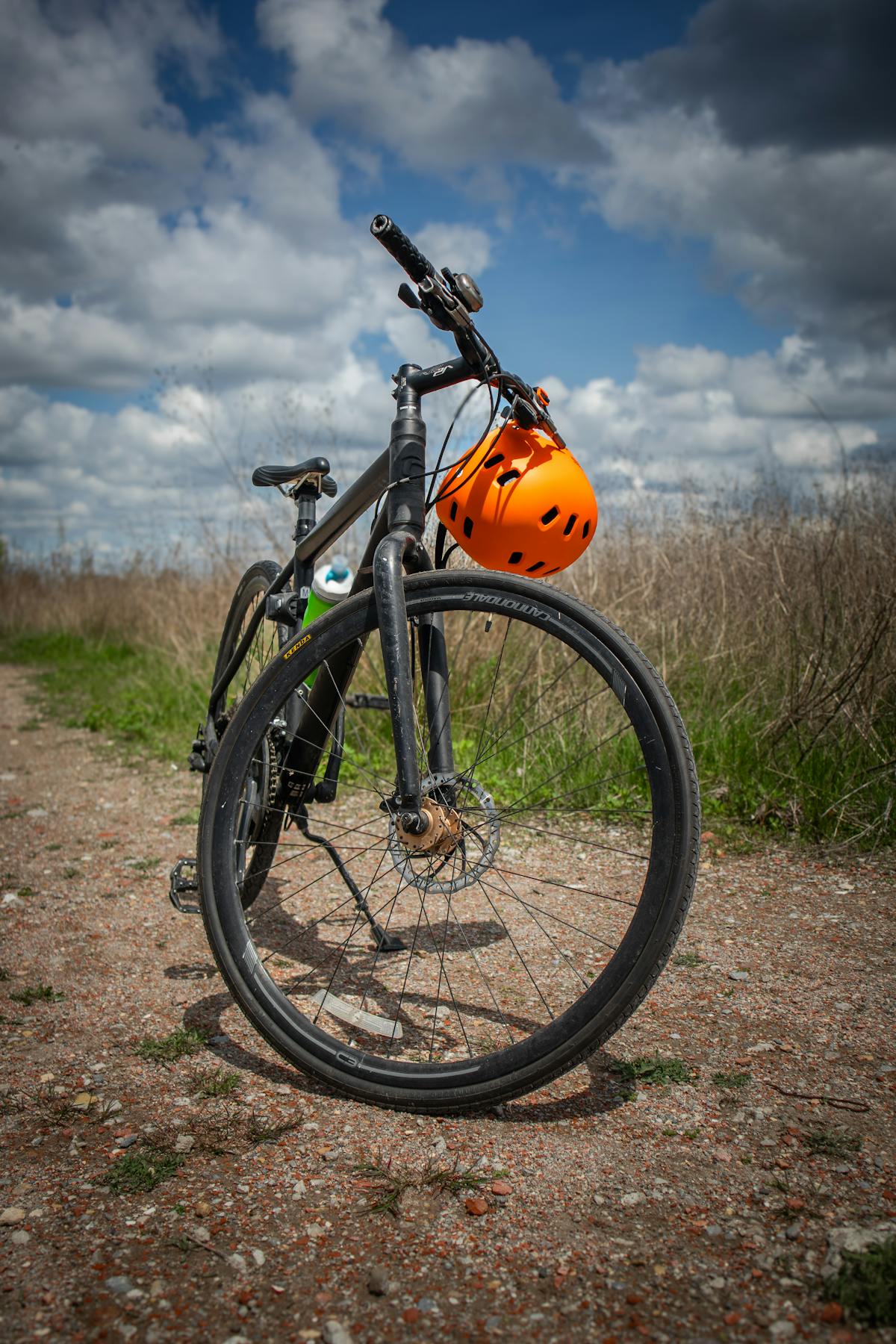
Gravel biking rewards patience. Your first ride doesn't need to be an epic 60-mile adventure through the backcountry. Start with a familiar area, find a few miles of gravel or dirt road, and get a feel for how your bike handles on loose surfaces.
Pay attention to your tire pressure — it's the cheapest and most impactful adjustment you can make. Invest in a quality tire pressure gauge and experiment with different pressures until you find your sweet spot.
Once you're comfortable, the world opens up. Gravel events like Unbound Gravel, the Belgian Waffle Ride, and SBT GRVL have exploded in popularity. Local group rides are popping up everywhere. And the best part? You don't need any of that to enjoy gravel. Just a bike, some unpaved road, and a willingness to explore.
The dirt is calling. Go find out what's down that road.