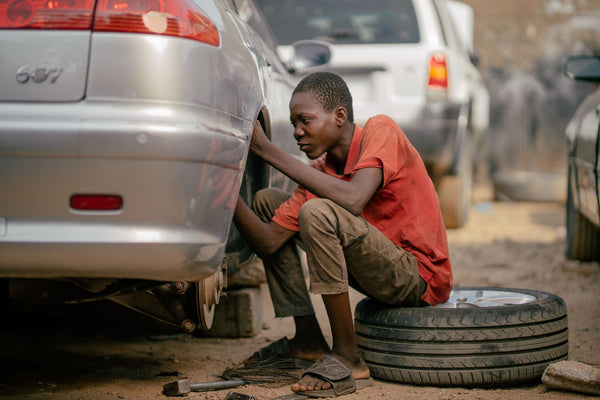

Winter is tough on vehicles. Between freezing temperatures, road salt, potholes, and reduced visibility, your car takes a beating from November through March. Now that warmer weather is on the horizon, it's the perfect time to give your vehicle some attention before road trip season kicks off.
This 10-point spring maintenance checklist covers everything you need to inspect, replace, or top off — so you can hit the road with confidence instead of crossing your fingers at every highway on-ramp.
1. Check Your Tire Pressure
This is the single most important — and most overlooked — item on the list. Tire pressure drops roughly 1 PSI for every 10°F decrease in temperature, which means your tires likely lost several PSI over the winter months. Now that temperatures are climbing, it's time to check and adjust.
Here's what to do:
- Find your vehicle's recommended PSI on the driver's side door jamb sticker (not the number on the tire sidewall — that's the maximum)
- Check all four tires plus the spare using a quality tire pressure gauge
- Inflate or deflate to the recommended PSI
- Check pressure when tires are cold (before driving) for the most accurate reading
Properly inflated tires improve fuel economy by up to 3%, extend tire life, and — most importantly — keep you safer on the road.
2. Inspect Tire Tread Depth
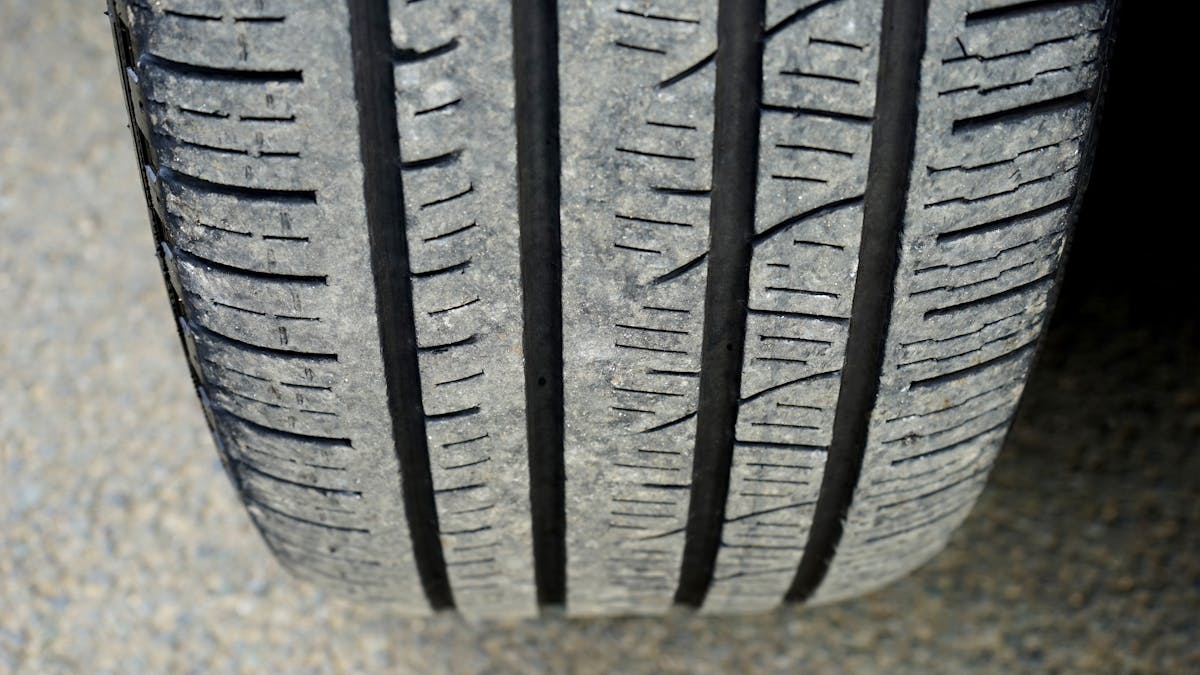
Worn tread is a recipe for hydroplaning, especially during spring rain. The classic test: insert a penny into the tread groove with Lincoln's head pointing down. If you can see the top of his head, your tread is below 2/32" and it's time for new tires.
While you're down there, look for:
- Uneven wear patterns (could indicate alignment issues)
- Cracks, bulges, or blisters on the sidewall
- Embedded objects like nails or screws
- Any damage from winter potholes
Catching tire issues early can save you from a blowout at highway speed — and that's a situation nobody wants.
3. Top Off All Fluids
Pop the hood and check every fluid level:
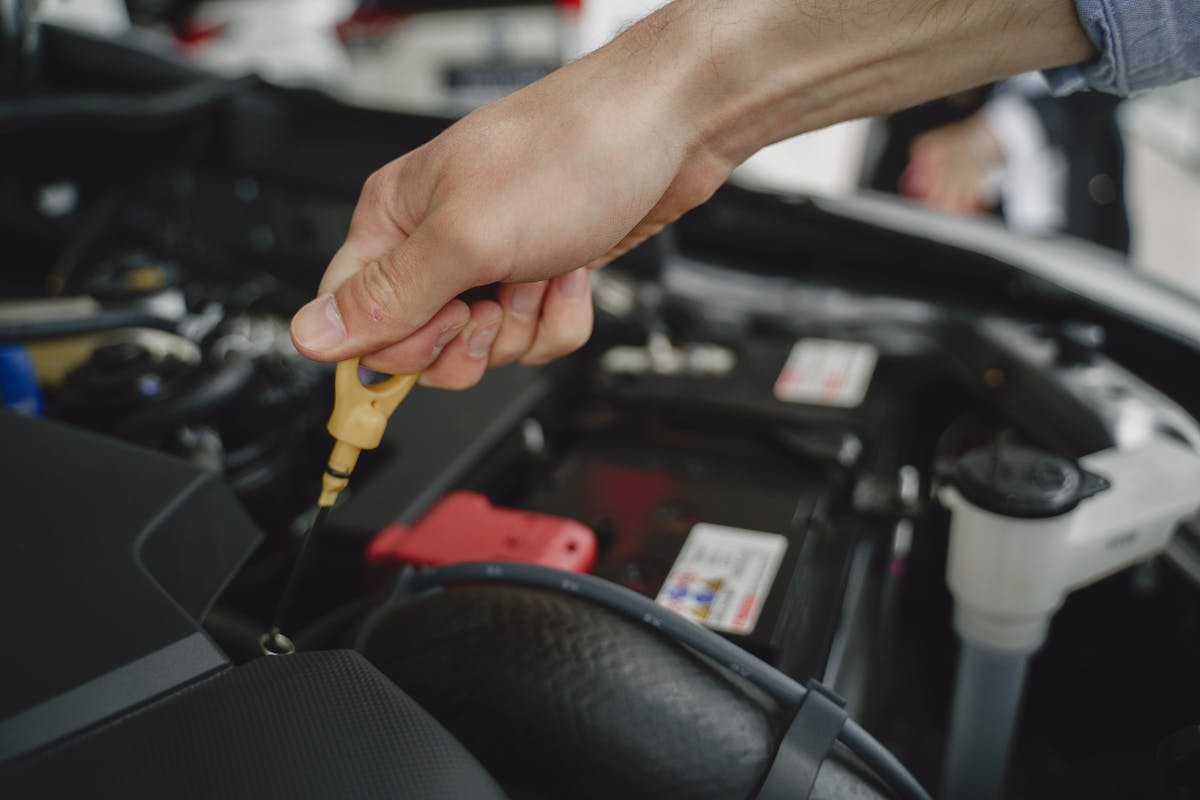
- Engine oil: Check the dipstick. If it's dark black or gritty, schedule an oil change even if you're not at your mileage interval.
- Coolant: Should be at the "full cold" line when the engine is cool. Never open a hot radiator cap.
- Brake fluid: Low brake fluid can indicate worn brake pads or a leak — both worth investigating.
- Transmission fluid: Check with the engine running (for most vehicles). Should be pinkish-red and not smell burnt.
- Windshield washer fluid: Top it off. Spring means pollen, bugs, and rain — you'll go through more than you think.
- Power steering fluid: Low levels cause that awful whining noise when you turn the wheel.
4. Test Your Battery
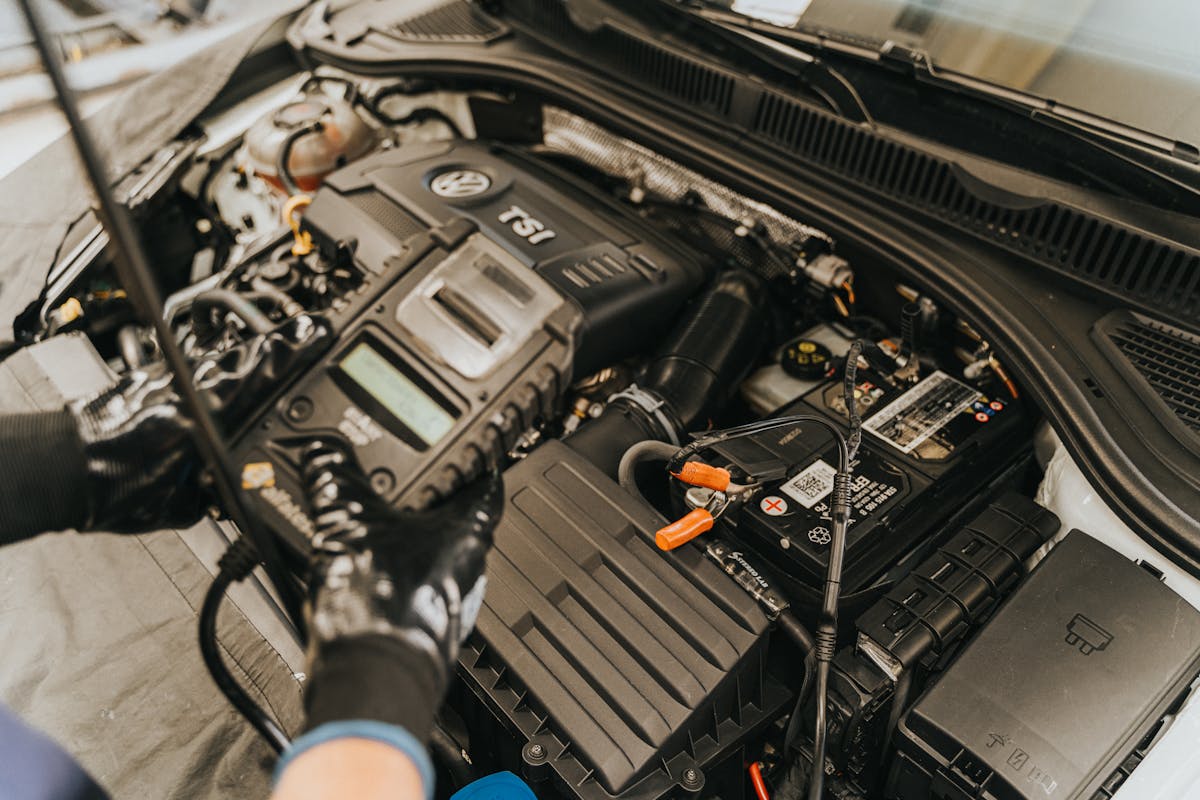
Cold weather is brutal on car batteries. If yours struggled to start during winter, don't assume warmer weather fixed the problem — a weakened battery can fail without warning.
What to check:
- Look for corrosion on the terminals (white or greenish buildup). Clean with a wire brush and baking soda solution.
- Make sure connections are tight and secure
- Most auto parts stores will test your battery for free — take advantage of this
- The average car battery lasts 3–5 years. If yours is in that range, consider proactive replacement.
5. Replace Windshield Wipers
If your wipers are streaking, chattering, or leaving blind spots, replace them now. Winter weather degrades rubber quickly, and spring rain demands clear visibility.
Wiper blades are inexpensive ($15–30 for a pair) and take about five minutes to swap. It's one of the highest-value maintenance items you can do yourself. Don't forget to check your rear wiper too if your vehicle has one.
6. Inspect Brakes
You've been using your brakes more aggressively all winter — icy stops, slippery conditions, stop-and-go traffic. Spring is the time to assess the damage.
Warning signs your brakes need attention:
- Squealing or grinding noises when braking
- Vibration or pulsing in the brake pedal
- Vehicle pulling to one side during braking
- Longer stopping distances than normal
- Brake warning light on the dashboard
If any of these sound familiar, get them inspected by a professional. Brakes are not a "wait and see" component.
7. Check All Lights
Walk around your vehicle and verify every light is working:
- Headlights (low and high beam)
- Tail lights and brake lights
- Turn signals (front, rear, and side mirrors)
- Reverse lights
- Fog lights
- License plate lights
Have someone stand behind the car while you test brake lights and turn signals. A burned-out bulb is a cheap fix but an easy ticket — and a real safety hazard at night.
8. Replace Your Cabin Air Filter
If you haven't replaced your cabin air filter since last spring, it's overdue. This filter cleans the air coming through your HVAC system, and after a winter of recirculated air, it's likely clogged with dust, pollen, and debris.
A fresh cabin filter is especially important for spring allergy season. Most can be replaced in under 10 minutes with no tools — check your owner's manual for the location (usually behind the glove box).
9. Wash the Undercarriage
Road salt is corrosive. If you live anywhere that salts roads in winter, your undercarriage has been taking a chemical bath for months. Left unchecked, salt accelerates rust on brake lines, exhaust components, and frame rails.
Take your vehicle through a car wash with an undercarriage spray, or use a pressure washer to thoroughly clean the underside. Pay special attention to wheel wells and the areas around brake components. This single step can add years to your vehicle's life in northern climates.
10. Restock Your Emergency Kit
Spring doesn't mean you're out of the woods. Unexpected storms, breakdowns, and flat tires happen year-round. Check your emergency kit and replace or add anything that's missing:
- A reliable tire repair kit and portable air compressor
- Jumper cables or a jump starter
- Flashlight with fresh batteries
- Basic tool kit
- First aid kit
- Phone charger
- Blanket and water
Having the right gear turns a roadside emergency from a crisis into an inconvenience.

Hit the Road With Confidence
None of these items take more than a few minutes on their own, but together they add up to a vehicle that's genuinely ready for whatever spring and summer throw at it. Whether you're planning a cross-country road trip or just want your daily commute to feel a little less risky, this checklist has you covered.
Bookmark this page, work through the list over a weekend, and you'll be driving with the peace of mind that comes from knowing your vehicle is dialed in. Safe travels.