
Point your vehicle uphill toward a mountain pass and something invisible starts working against you. The air thins, your engine loses breath, your tires quietly gain pressure, and your brakes are about to earn their keep on the way back down. Whether you're chasing a Colorado summit, crossing the Rockies on a summer road trip, or hauling a trailer over a mountain grade, high-altitude driving puts your vehicle through stresses it never sees at sea level.
The good news: none of it is mysterious, and all of it is manageable. Here's exactly how elevation affects your tire pressure, engine performance, and brakes—and the simple steps that keep you safe when the road tilts skyward.
Why Thin Air Changes Everything
At sea level, the atmosphere presses down at about 14.7 PSI. Climb to 10,000 feet and that drops to roughly 10 PSI—about a third less air packed into every breath. Your engine, your tires, and even your body all respond to that missing pressure.
The higher you go, the fewer oxygen molecules are available for combustion, cooling, and everything else that depends on dense air. That single fact drives most of the changes you'll feel behind the wheel, so it's worth understanding before you start the climb.
How Elevation Affects Tire Pressure
Here's the counterintuitive part: as you gain altitude, the air inside your tires effectively gains pressure relative to the thinner air outside. The pressure reading itself doesn't swing dramatically from elevation alone—but the temperature changes that come with mountain travel absolutely do.
Tire pressure moves about 1 PSI for every 10°F change in temperature. Drive from a 95°F valley floor up to a 55°F alpine pass and you can lose 4 PSI just from the cooler air. Add the heat your tires generate on a long, grinding climb and the numbers get messy fast. Underinflated tires on a mountain grade run hotter, wear faster, and handle worse exactly when you need grip the most.
The fix is boring but bulletproof: check your pressure cold, before you start driving, using a gauge you can actually trust. A cheap stick gauge that reads 3 PSI off will steer you wrong on every check. This is where a professional-grade digital gauge pays for itself.

Set your tires to the pressure printed on the door-jamb sticker, checked cold at your starting elevation. Don't chase the gauge up and down the mountain—just verify you started right and re-check the next morning after everything has cooled and settled.
Engine Performance: Where Did My Power Go?
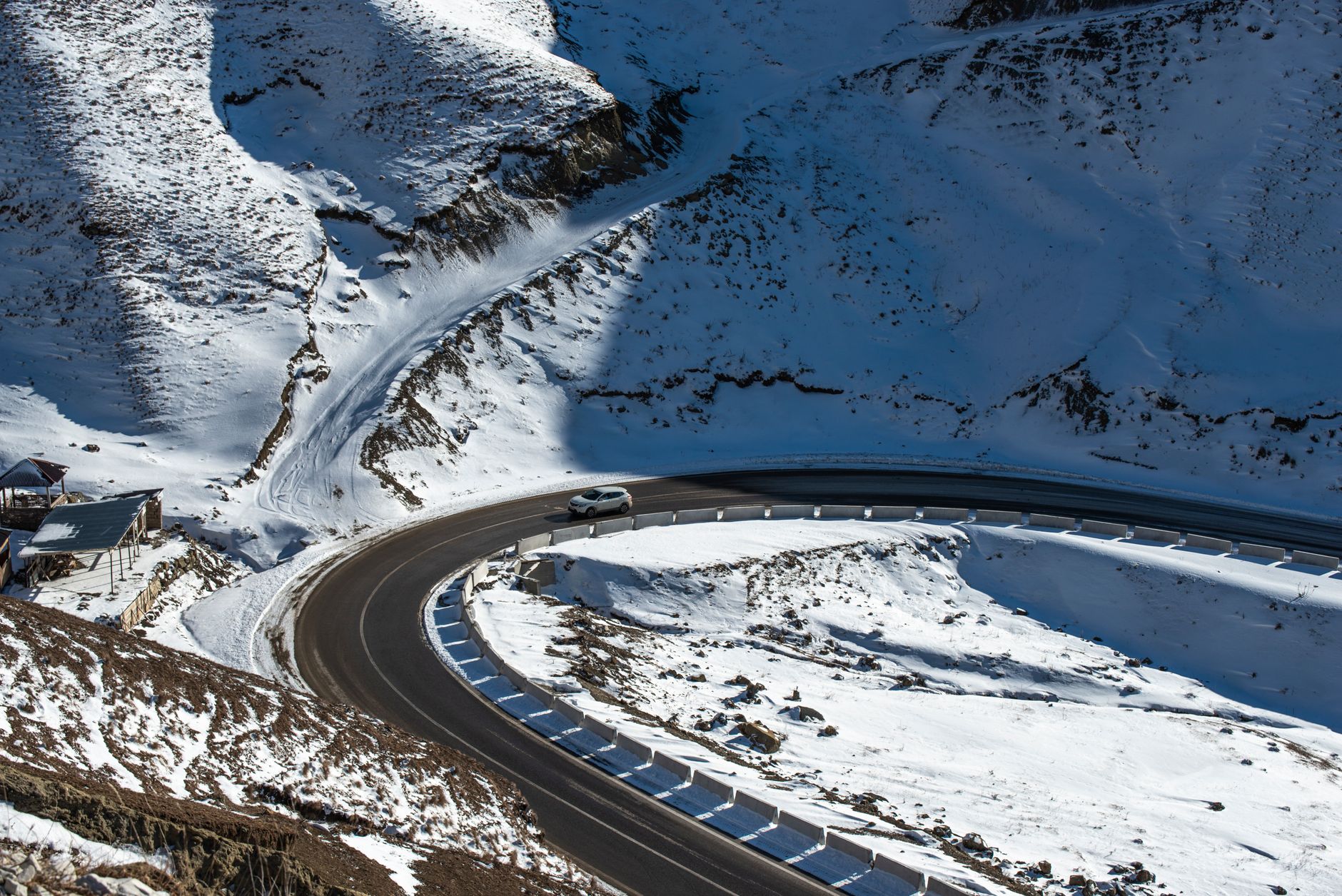
If your car feels sluggish above 6,000 feet, you're not imagining it. Naturally aspirated engines lose roughly 3% of their power for every 1,000 feet of elevation gain. At a 10,000-foot pass, that's around 30% of your horsepower simply gone—breathed away with the thin air.
Modern fuel-injected engines compensate better than old carbureted ones, automatically leaning out the fuel mixture to match available oxygen. But there's no software fix for missing air. Expect these effects on a serious climb:
- Slower acceleration—especially when passing or merging uphill.
- More downshifting—your transmission hunts for lower gears to keep the engine in its power band.
- Extra strain when loaded—towing or a fully packed vehicle amplifies the power loss.
Turbocharged and supercharged engines fare much better because forced induction packs air back in artificially. If you're shopping for a tow rig that lives in the mountains, that's a real argument for boost. For everyone else: plan for the power loss, give yourself extra room to merge, and don't fight the downshifts.
Braking on Long Mountain Descents
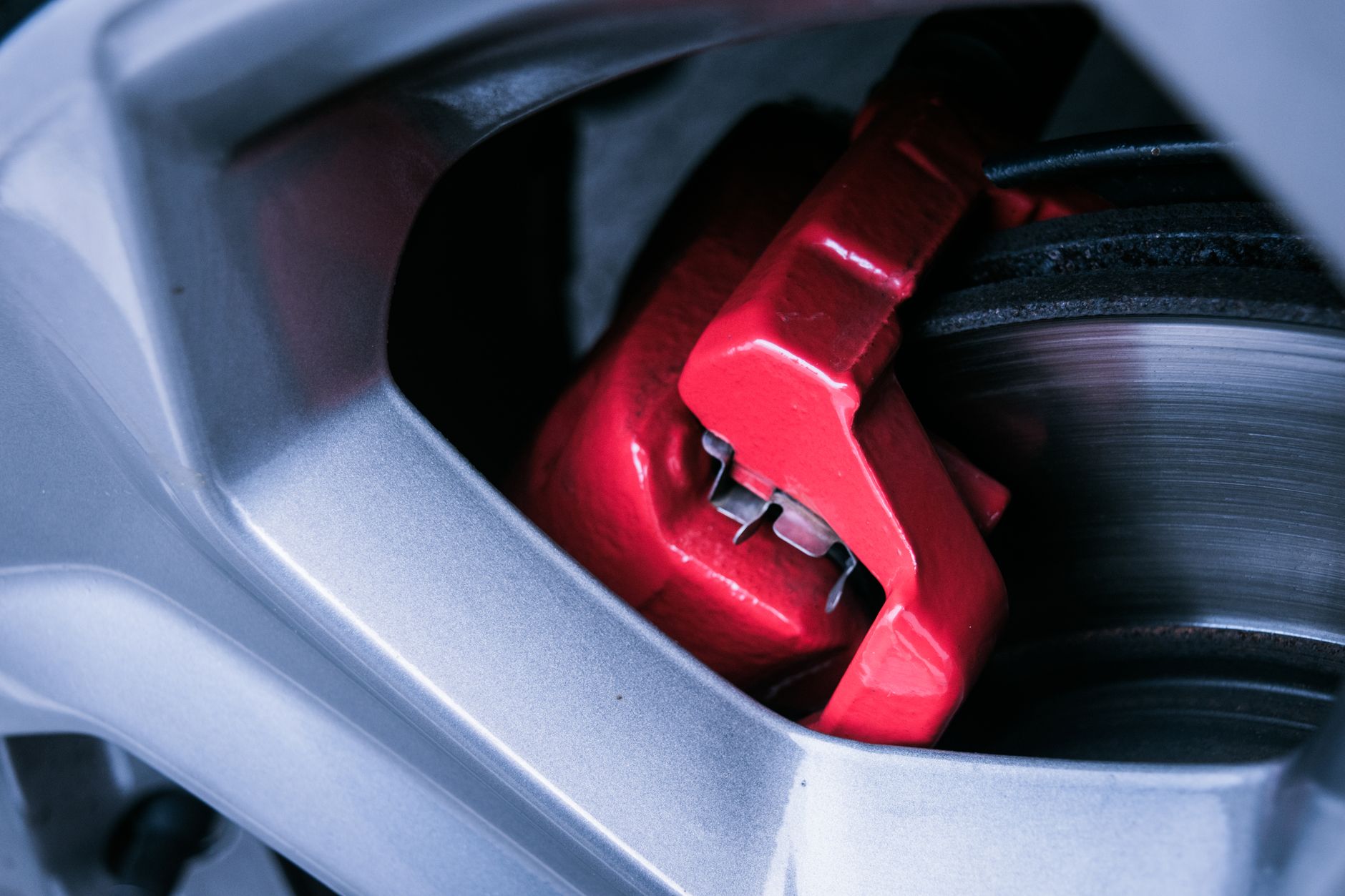
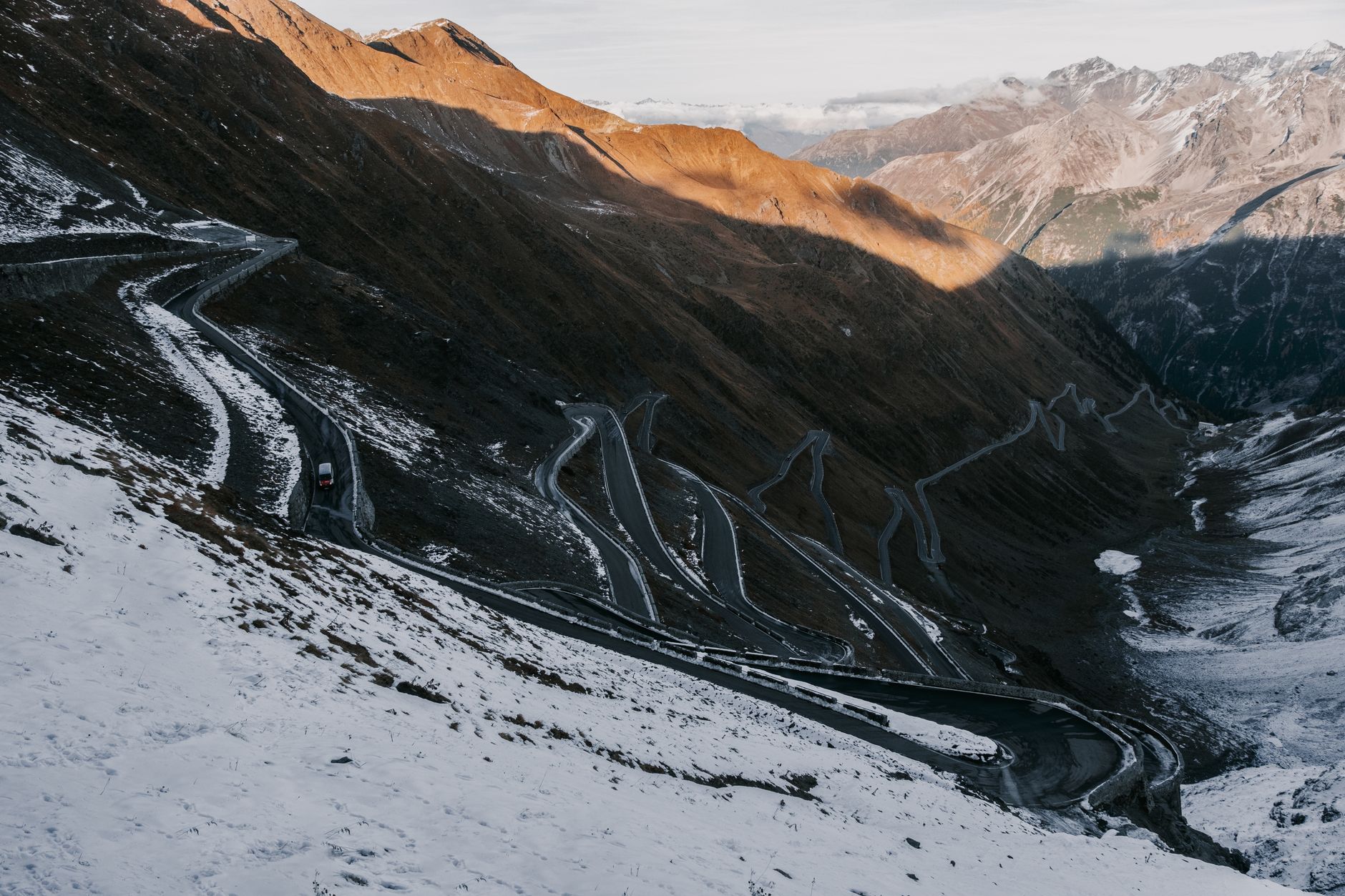
What goes up must come down—and the descent is where high-altitude driving turns genuinely dangerous if you get it wrong. Riding your brakes down a long grade builds enormous heat, and overheated brakes fade: the pedal goes soft, stopping distances balloon, and in the worst case the brakes stop working entirely.
The rule every mountain trucker lives by: go down the hill in the same gear you'd use to go up it. Downshifting lets engine braking do the heavy lifting so your brakes get a break.
- Shift to a lower gear before the descent, not halfway down it. Even automatics have L, 2, or manual paddle modes for exactly this.
- Brake firmly and briefly to scrub speed, then release—rather than dragging the pedal continuously.
- Watch for a burning smell or a soft pedal. If you notice either, pull over safely and let the brakes cool before continuing.
- Give yourself extra following distance. Cold-air grip and long grades don't mix well with tailgating.
Before any big mountain trip, make sure your brake pads have life left and your fluid is fresh—brake fluid absorbs moisture over time, which lowers its boiling point and makes fade more likely.
Your Pre-Mountain-Trip Checklist
A few minutes of prep in the driveway beats a roadside scramble at 10,000 feet. Before you head for the high country, run through this:
- Set tire pressure cold to the door-jamb spec with an accurate gauge.
- Check your coolant—engines work harder and run hotter on sustained climbs.
- Inspect brakes and fluid—pads, rotors, and fresh fluid for the descents.
- Top off fuel early—stations are sparse in the mountains, and thin air means worse economy uphill.
- Pack a portable inflator—so a cold-morning pressure drop or a slow leak never strands you where there's no gas station in sight.
That last one matters more than people expect. Mornings at elevation are cold, pressures read low, and the nearest air pump might be an hour of switchbacks away. A cordless inflator lets you top off in the parking lot before you roll.

Don't Forget the Driver
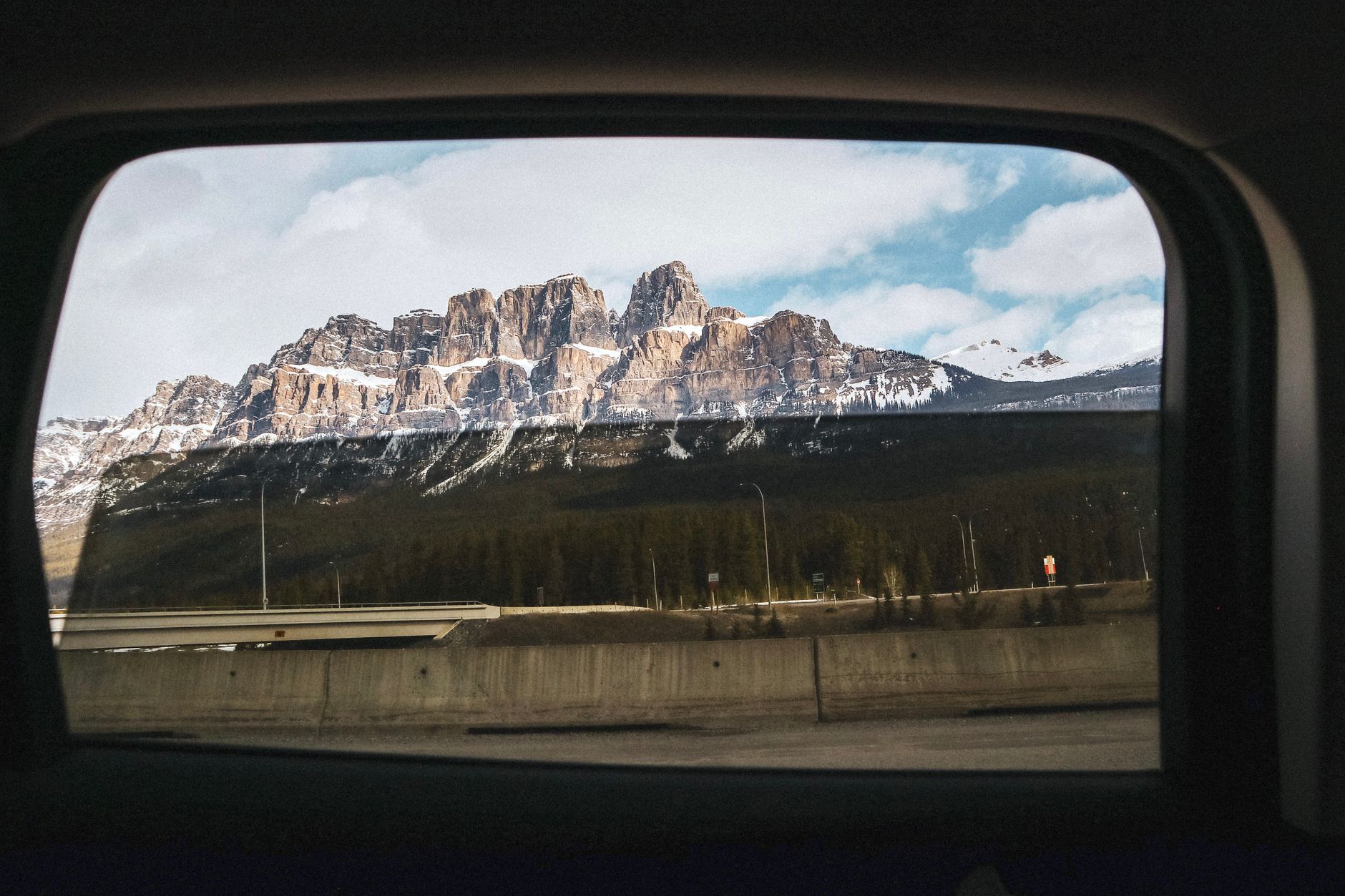
Altitude affects your body the same way it affects your engine—less oxygen means less performance. Above 8,000 feet, some drivers feel headaches, fatigue, shortness of breath, or lightheadedness. That's altitude sickness, and it dulls reaction time on exactly the kind of technical roads where you need to be sharp.
Stay ahead of it: hydrate more than you think you need, skip the extra coffee and alcohol, and give yourself time to acclimate before tackling the highest passes. If you or a passenger feels genuinely unwell, descend—the symptoms fade quickly as you drop in elevation.
The Bottom Line
High-altitude driving isn't something to fear—it's something to prepare for. Thinner air steals a chunk of your horsepower, cold mountain mornings shift your tire pressure, and long descents demand smart braking instead of a dragged pedal. Handle those three things and the mountains become what they should be: the best drive of your summer.
Start with the fundamentals you control. Set your tire pressure with a gauge you trust, carry a way to air back up, and respect the descent as much as the climb. For more seasonal driving tips and the tools to back them up, explore the full lineup of JACO tire gauges, inflators, and accessories. The summit's waiting.