

Your car is pulling slightly to the right. The steering wheel buzzes at highway speed. One tire looks more worn than the others. So you take it in, and the shop asks a question that trips up a lot of drivers: do you need an alignment or a balance? They sound interchangeable, but they fix completely different problems. Knowing the difference in the wheel alignment vs tire balancing debate can save you money, extend the life of your tires, and keep your car driving straight and smooth.
Here's the plain-English breakdown of what each service actually does, the symptoms that point to one or the other, and how to keep both dialed in between shop visits.
What Is Wheel Alignment?
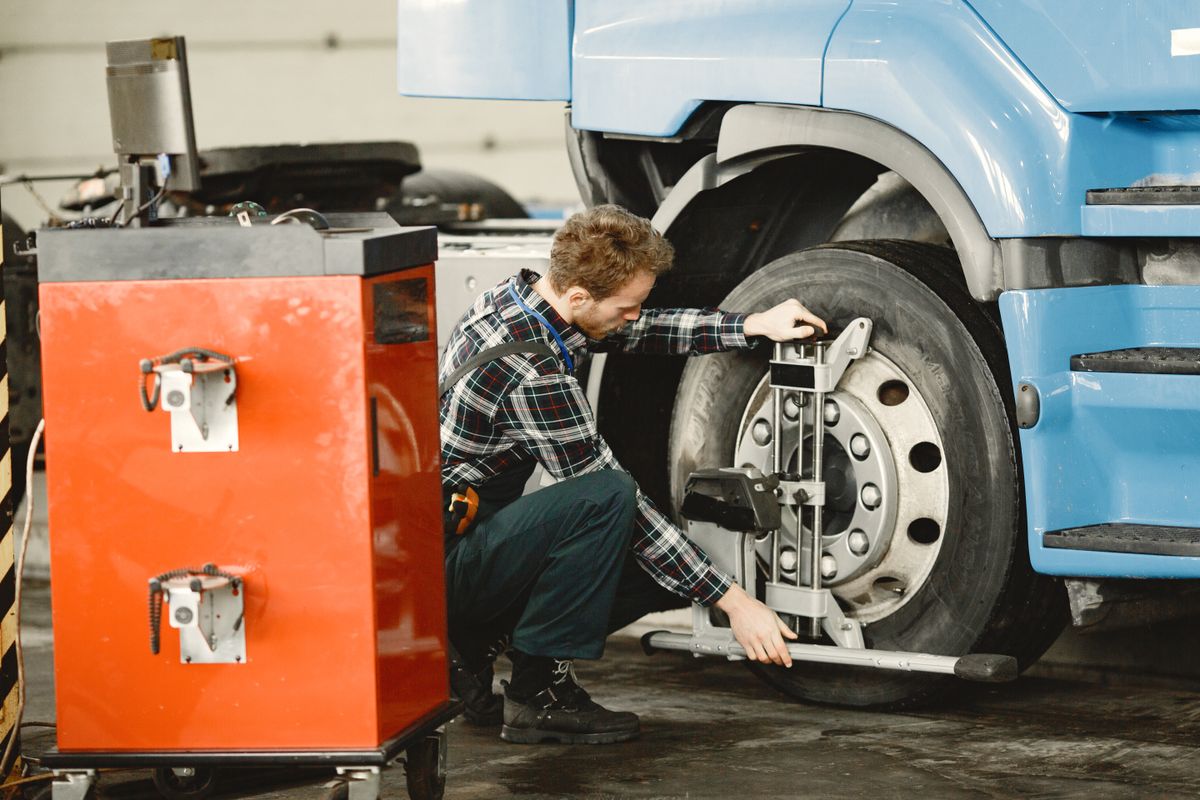
Wheel alignment has nothing to do with the tires themselves. It's about the angles of your suspension and how your wheels sit relative to the road and to each other. When a technician aligns your car, they're adjusting three key angles:
- Camber — the inward or outward tilt of the tire when viewed from the front. Too much tilt wears one edge of the tread.
- Toe — whether the tires point inward or outward when viewed from above, like being pigeon-toed. This is the biggest cause of rapid, uneven wear.
- Caster — the angle of the steering axis, which affects straight-line stability and steering return.
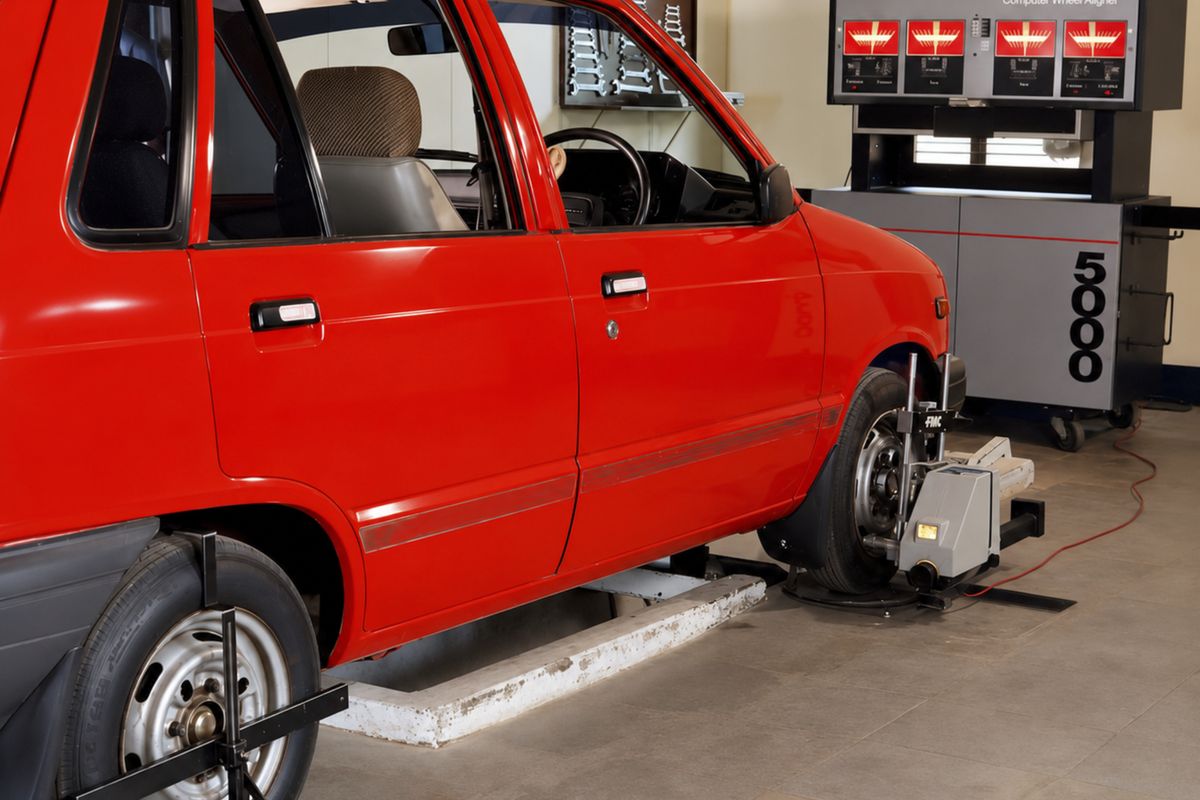
A modern alignment is done on a computerized rack that measures each angle to a fraction of a degree and compares it to the manufacturer's spec. Hit a big pothole, clip a curb, or rack up enough miles, and those angles drift out of range. The result is a car that no longer tracks straight.
Signs You Need an Alignment
- The car pulls to one side on a flat, straight road.
- Your steering wheel sits crooked when you're driving straight.
- Tires show uneven wear — one edge or one side scrubbed down faster than the rest.
- The steering feels loose or wanders.
- You just hit a serious pothole or curb.
What Is Tire Balancing?
Tire balancing solves a different problem entirely: weight distribution. No tire-and-wheel assembly is perfectly uniform. Tiny variations in the rubber, the wheel, and how they're mounted mean one spot is slightly heavier than the rest. At 5 mph you'd never notice. At 60 mph, that heavy spot slings around dozens of times per second and shakes the whole corner of the car.
To fix it, a technician mounts the wheel on a spin balancer, which spots exactly where the heavy spot is and how much correction it needs. They then clip or stick small lead or zinc weights to the rim to counter it. Done right, the assembly spins true with zero vibration.

Signs You Need a Balance
- A vibration that appears at a specific speed — often 50 to 65 mph — and may fade above it.
- Buzzing or shaking felt in the steering wheel (usually front tires) or the seat and floor (usually rear tires).
- The shake gets worse as you speed up, then smooths out.
- You just had new tires mounted (they should always be balanced at install).
Wheel Alignment vs Tire Balancing: The Key Difference
Here's the simplest way to remember it:
- Alignment fixes direction. If the car won't drive straight or is chewing through tires unevenly, that's an alignment problem.
- Balancing fixes vibration. If the car drives straight but shakes at speed, that's a balance problem.
Alignment is a suspension adjustment. Balancing is a wheel-weight correction. Neither one substitutes for the other, and a shop can't fix a pull by balancing or fix a vibration by aligning. That's why a diagnosis matters before you pay for anything.
How Uneven Tire Pressure Complicates Both
Before you assume you need alignment or balancing work, rule out the cheapest culprit: tire pressure. An underinflated tire flexes more, wears its edges faster, and can make a car feel like it's pulling — mimicking an alignment issue. Wildly mismatched pressures side to side will absolutely tug the steering. And chronically low pressure accelerates the exact kind of uneven tread wear that a fresh alignment is supposed to prevent.
Checking your pressure with an accurate gauge once a month (and before long trips) is the single easiest way to protect your tires and rule out false alarms. A cheap stick gauge can be off by several PSI — enough to send you chasing an alignment problem that doesn't exist. A professional-grade digital gauge takes the guesswork out.

How Often Should You Get Each Done?
Alignment: Most manufacturers suggest checking it every 2 to 3 years, or once a year if you drive a lot of rough roads. Always get one after installing new tires, replacing suspension parts, or a hard curb/pothole strike. A $100 alignment is cheap next to a set of tires ruined in a few thousand miles.
Balancing: Every time new tires go on, and again whenever a vibration shows up. Many shops rebalance during a tire rotation, which is smart preventive maintenance. Weights can also fall off over time, so a vibration that returns after years of smooth driving usually just means a wheel needs a rebalance.
The Bottom Line
Alignment and balancing are two of the most confused services in the shop, but the distinction is simple once it clicks: alignment keeps your car driving straight and your tires wearing evenly, while balancing keeps the ride smooth and vibration-free. A pull or uneven wear points to alignment. A speed-dependent shake points to balancing.
Stay on top of both, keep your tire pressure accurate, and rotate your tires on schedule, and you'll get the full mileage out of every set — while enjoying a car that tracks straight and rides smooth. For more practical maintenance guides, browse the full lineup of JACO tire and pressure tools and keep your rig road-ready.