
A full tank shouldn't feel like a car payment. But with today's fuel prices and the appetite of a modern pickup or three-row SUV, $100+ fill-ups are the new normal — and a lot of drivers have just accepted that as part of the deal.
Here's the thing: most trucks and SUVs are leaving real MPG on the table. Not because the engineering is bad, but because the tires are 8 PSI low, the bed has 300 pounds of gear no one's used in months, and the tailgate is down on the highway because someone saw a YouTube video in 2009. The good news is you can claw back 10–15% of your fuel bill just by fixing a handful of small things — most of which cost nothing.
Below are nine habits that actually move the needle on fuel economy. We'll start with the biggest wins and work down, so you can stop reading whenever you've covered the ones that matter for your rig.
1. Check Your Tire Pressure (The Biggest Free Upgrade Nobody Does)
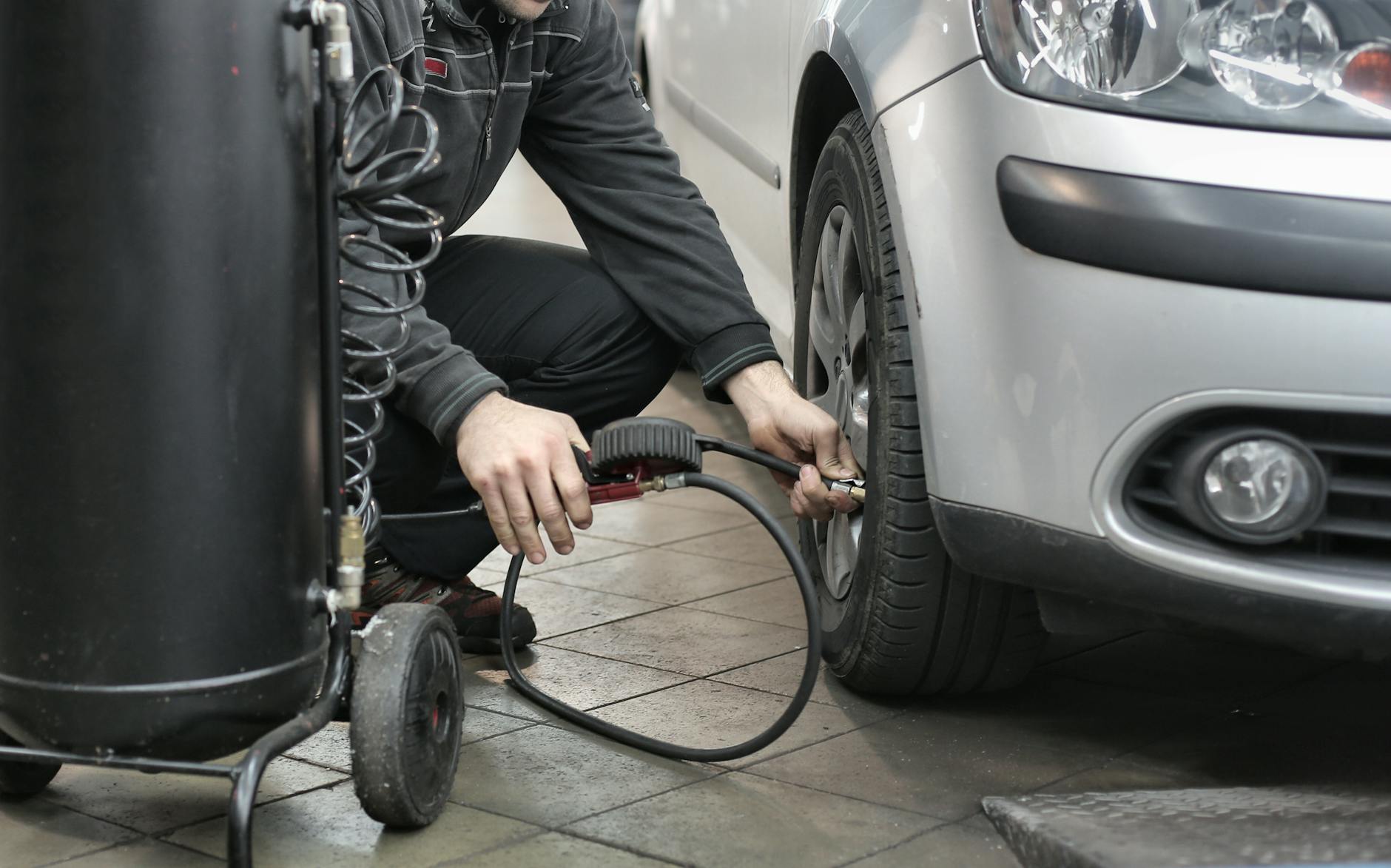
If you only do one thing on this list, do this one. The U.S. Department of Energy estimates that every 1 PSI drop across all four tires costs you about 0.2% in fuel economy. That sounds small — until you realize most drivers run around 5–8 PSI under door-jamb spec without noticing.
Do the math on a truck pulling 18 MPG: drop all four tires 6 PSI below spec, and you're burning roughly 1.2% more fuel on every single trip. Over a year, that's real money — and it's the worst kind of waste because the truck drives fine and there's no warning light until you're down double-digit PSI.
Check all four tires cold (before you drive), once a month, and before any long trip. Use a gauge you trust — not the questionable dial on the gas-station air pump, which is often 3–5 PSI off. A decent digital gauge pays for itself inside a month of fill-ups.

2. Slow Down — Especially Above 65 MPH
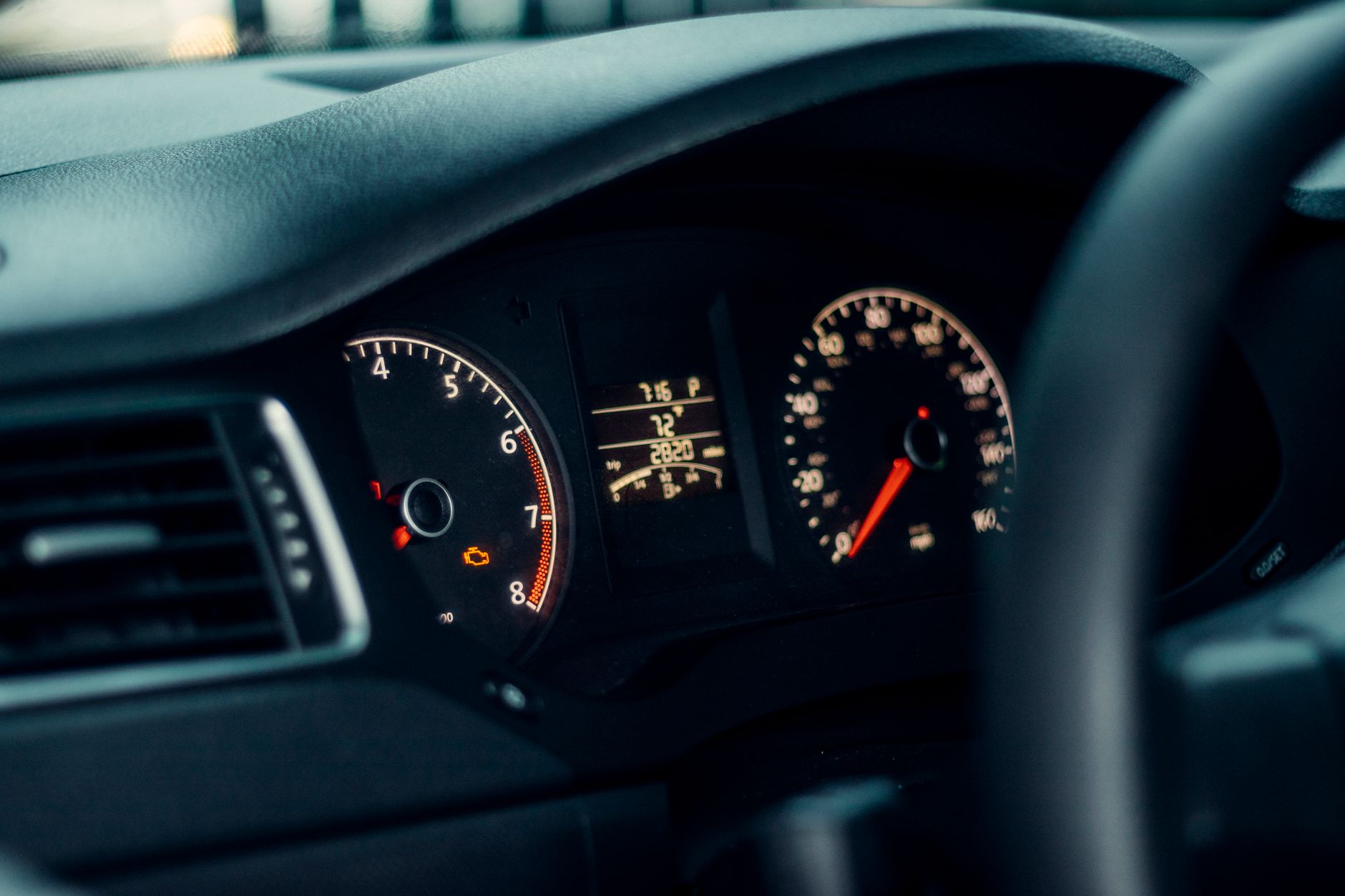
Aerodynamic drag is the silent fuel killer, and trucks and SUVs — with their big frontal area and brick-shaped bodies — are the worst offenders. Drag increases with the square of your speed, which means going from 65 to 75 MPH doesn't cost you 15% more fuel. It costs you closer to 25%.
The EPA puts it this way: every 5 MPH you drive above 60 is like adding roughly $0.30–$0.40 per gallon to the price of fuel. If you're paying $3.80, at 75 MPH you're effectively paying $4.40+ in real MPG terms.
You don't need to crawl — but if you're on a long interstate haul, dropping from 78 to 70 could add up to 20–30 extra miles per tank on a typical truck. That's a free upgrade for free.
3. Use Cruise Control on Flat Highways
Human feet aren't consistent. We tend to drift up and down 3–5 MPH without realizing it, and every acceleration costs fuel that coasting doesn't recover. On flat or rolling highways, cruise control holds a steady throttle position and usually beats the average driver by 3–7% in real-world MPG.
Two caveats: in hilly terrain, aggressive cruise control can actually hurt economy because it punches the throttle on uphills instead of letting the truck bleed some speed. And in heavy traffic, adaptive cruise systems that brake-and-accelerate frequently will crush your MPG. Use it where it shines: open road, steady terrain, light traffic.
4. Drop the Dead Weight
Trucks accumulate stuff. Tool chests that haven't been opened since last summer. A bag of salt you forgot about after February. Camping gear from a trip three months ago. That weight goes everywhere you go, and it's quietly costing you MPG.
The Department of Energy's rule of thumb: every 100 pounds of extra weight costs a truck or SUV about 1% in fuel economy. In a half-ton truck, 300 pounds of dead weight is effectively giving up 3% of your mileage for nothing.
Once a month, walk around your vehicle and ask: "Do I actually need this in here right now?" If the answer is no, it goes in the garage. You'd be surprised how much weight disappears.
5. Put the Roof Rack and Cargo Box Away When Not in Use

Roof racks and cargo boxes are fuel economy disasters at highway speed. A study by Consumer Reports and the EPA found that an empty aerodynamic cargo box can cost 11–17% in fuel economy at 65 MPH, and a loaded rooftop cargo bag can push that over 25%.
If you use a rack often, that's fine — the convenience is worth it. But if you only load up for ski trips and summer camping, remove the crossbars (or at least the cargo box) in between. Modern racks are designed to come off in under 10 minutes. The MPG difference is shocking once you feel it.
Bonus tip: a loaded truck bed is always more aerodynamic than a roof-loaded SUV. If you have the option, pack low — especially for long highway hauls. Secure everything properly with quality ratchet straps to keep it in place and off the roof.
6. Stop Idling (Especially in Cold Weather)
Modern engines don't need to "warm up" for 10 minutes in the driveway. Fuel injection and synthetic oils mean the fastest, cleanest way to warm an engine is to drive it — gently — for the first few minutes. Sitting in the driveway at idle uses between 0.15 and 0.5 gallons per hour, depending on engine size. Your V8 truck is at the higher end.
Same deal at drive-thrus and long pickups: if you'll be stopped for more than about 30 seconds, turning the engine off and restarting actually uses less fuel than idling. Most newer trucks have auto start-stop for exactly this reason — don't turn it off.
7. Accelerate Smoothly and Look Ahead
Hard accelerations dump fuel. A jackrabbit launch from a red light can use 3–4x the fuel of a smooth, gradual acceleration over the same distance. The fix: pretend there's a full cup of coffee on the dashboard and you can't spill it.
The other half of smooth driving is anticipation. If you can see a red light ahead, let off the throttle early and coast — don't race to the light and slam the brakes. Every time you brake, you're throwing away fuel you already paid to burn. The best drivers for fuel economy barely touch the brakes on city streets because they're reading traffic three cars ahead.
8. Replace a Dirty Air Filter

For older carbureted vehicles, a clean air filter could improve MPG by up to 14%. On modern fuel-injected engines, the fuel economy impact is smaller — maybe 2–3% — but a clogged filter still chokes airflow, hurts acceleration (which makes you press the pedal harder), and stresses the MAF sensor.
Check yours every oil change. Hold it up to a shop light: if you can't see light through the folds, it's due. Replacements are cheap and usually a 5-minute job on most trucks and SUVs. While you're in the engine bay, a clean cabin air filter will also keep the HVAC system from working harder than it needs to.
9. Use the Right Fuel (and Not More Expensive Than You Need)
If your owner's manual says "87 octane recommended," paying for 91 or 93 premium is — bluntly — lighting money on fire. Premium fuel doesn't clean your engine better, doesn't produce more power in a vehicle tuned for regular, and doesn't improve MPG. It's just more expensive.
The only time premium is worth it is when your manual says "premium required" (common on luxury SUVs, some performance trucks, and forced-induction engines). In that case, running regular can actually hurt MPG because the engine's knock sensors will pull timing to protect the motor. Read the fuel door sticker. It tells you exactly what to buy.
Your Quick-Win Checklist
If you want the TL;DR version — the single afternoon's worth of work that gets you 90% of the savings available to any truck or SUV driver:
- ✅ Check all four tire pressures with a good gauge, inflate to the door-jamb spec (not the number on the sidewall)
- ✅ Clean out anything in the bed or cargo area you haven't used in 30 days
- ✅ Remove rooftop cargo boxes and racks you don't use weekly
- ✅ Drop highway cruising speed by 5 MPH and use cruise control
- ✅ Check the air filter — if it's filthy, replace it
That's it. No ECU tune, no expensive intake, no questionable gas-saving device from a late-night infomercial. Just habits that work because the physics of burning gasoline doesn't care how much you paid for the truck.
The single highest-ROI move on this list is keeping your tires at the right pressure, and that's a $30 tool and 5 minutes a month. Once you start measuring, you stop overpaying — and that's true for fuel economy, tire life, and just about every other vehicle expense. Happy driving.