
Every spring, the same thing happens. The snow melts, the freeze-thaw cycle does its damage, and suddenly the roads look like an obstacle course. According to AAA, American drivers spend roughly $3 billion per year repairing pothole-related vehicle damage — and most of that damage hits tires, wheels, and suspension components.
Whether you're commuting through city streets or heading out to the trailhead, pothole season demands attention. Here's how to understand the risks, spot damage early, and keep your vehicle running right through the worst of it.
Why Spring Is Peak Pothole Season
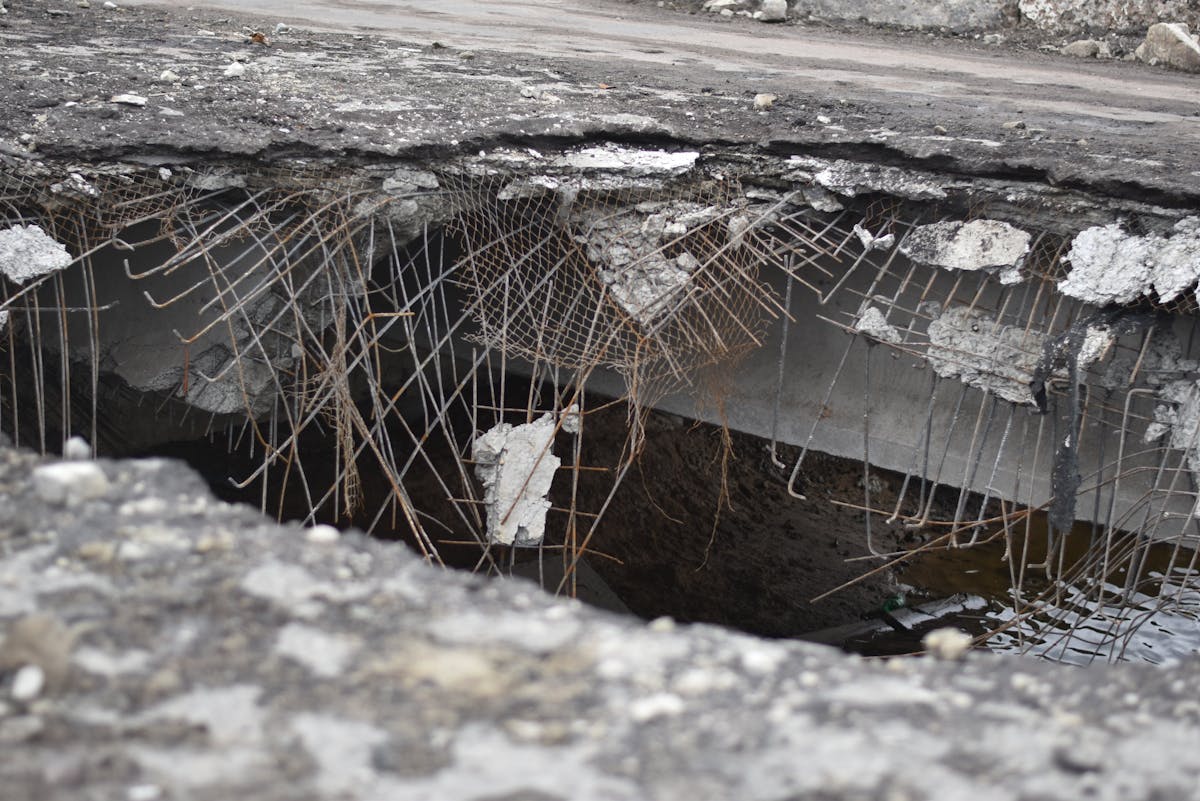
Potholes aren't random. They follow a predictable pattern tied to winter weather. Water seeps into small cracks in the road surface during rain or snowmelt. When temperatures drop below freezing overnight, that water expands as ice — widening the cracks from within. When it thaws again the next day, the weakened pavement collapses under the weight of traffic.
This freeze-thaw cycle repeats dozens of times between January and April in most of the U.S. By mid-March, the accumulated damage breaks through the road surface, creating potholes that can range from a few inches deep to full-on craters.
Northern states, mountain regions, and anywhere with significant temperature swings are hit hardest. Colorado, for example, regularly sees 30-degree temperature swings in a single day during March — prime conditions for pothole formation.
How Potholes Damage Your Tires
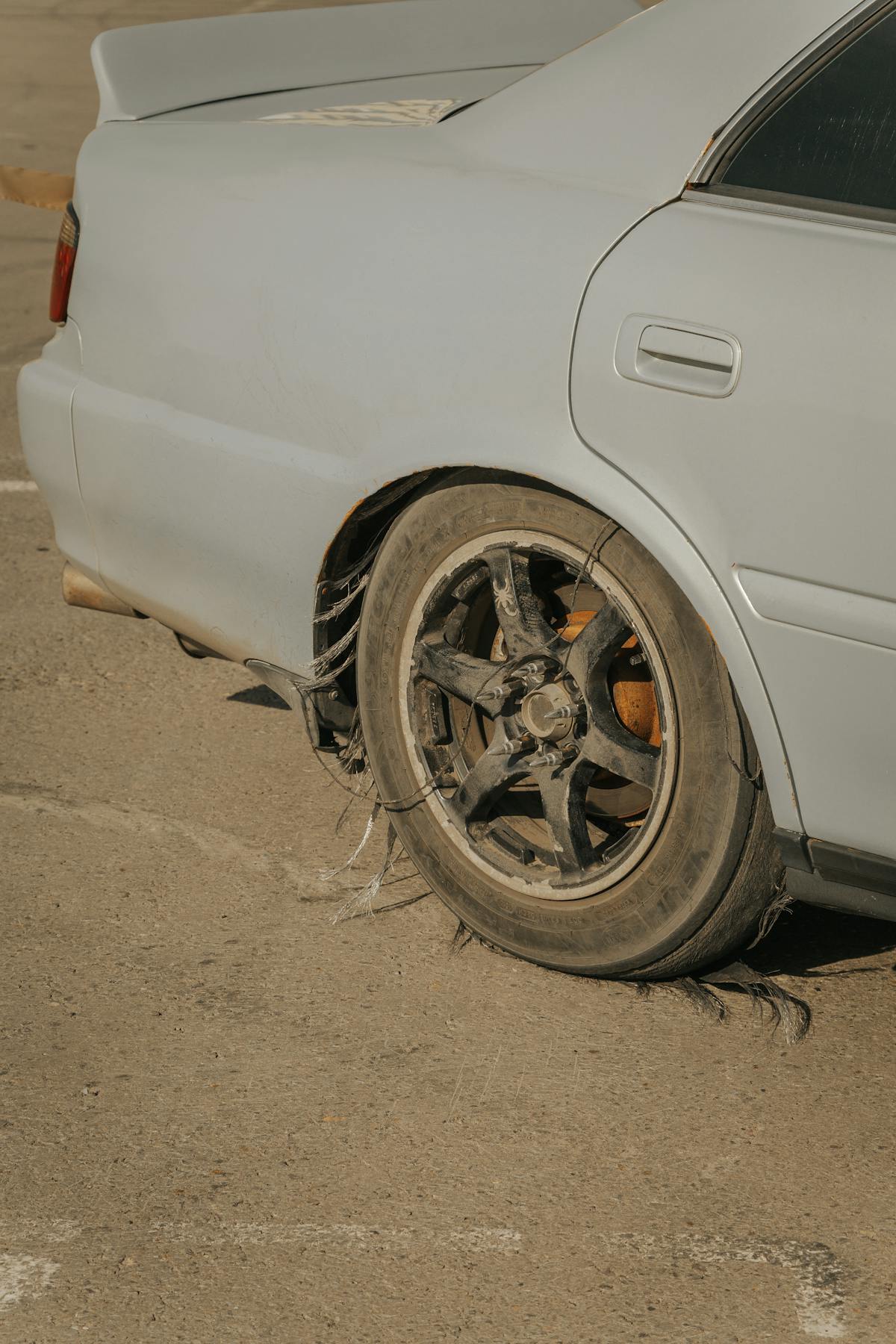
When your tire drops into a pothole, the impact compresses the rubber between the sharp edge of the pavement and your wheel rim. This sudden compression can cause several types of damage:
- Sidewall bulges: The most common pothole injury. The impact breaks the internal structural cords of the tire, allowing air pressure to push out a visible bubble on the sidewall. A bulging tire cannot be repaired and must be replaced — it's a blowout waiting to happen.
- Tread separation: Severe impacts can break the bond between the tread layer and the underlying belt, causing the tread to peel or separate at speed.
- Pinch flats: The tire gets "pinched" between the pothole edge and the rim, cutting or puncturing the rubber. These often cause immediate air loss.
- Accelerated wear: Even if you don't see immediate damage, a hard pothole hit can knock your alignment off — leading to uneven tire wear that shortens tire life by thousands of miles.
Beyond Tires: Rim, Suspension, and Alignment Damage
Tires absorb the first hit, but they're not the only casualty. Here's what else is at risk:
- Bent rims: Alloy wheels are especially vulnerable. A hard strike can bend or crack the rim, causing slow air leaks and vibration at highway speeds.
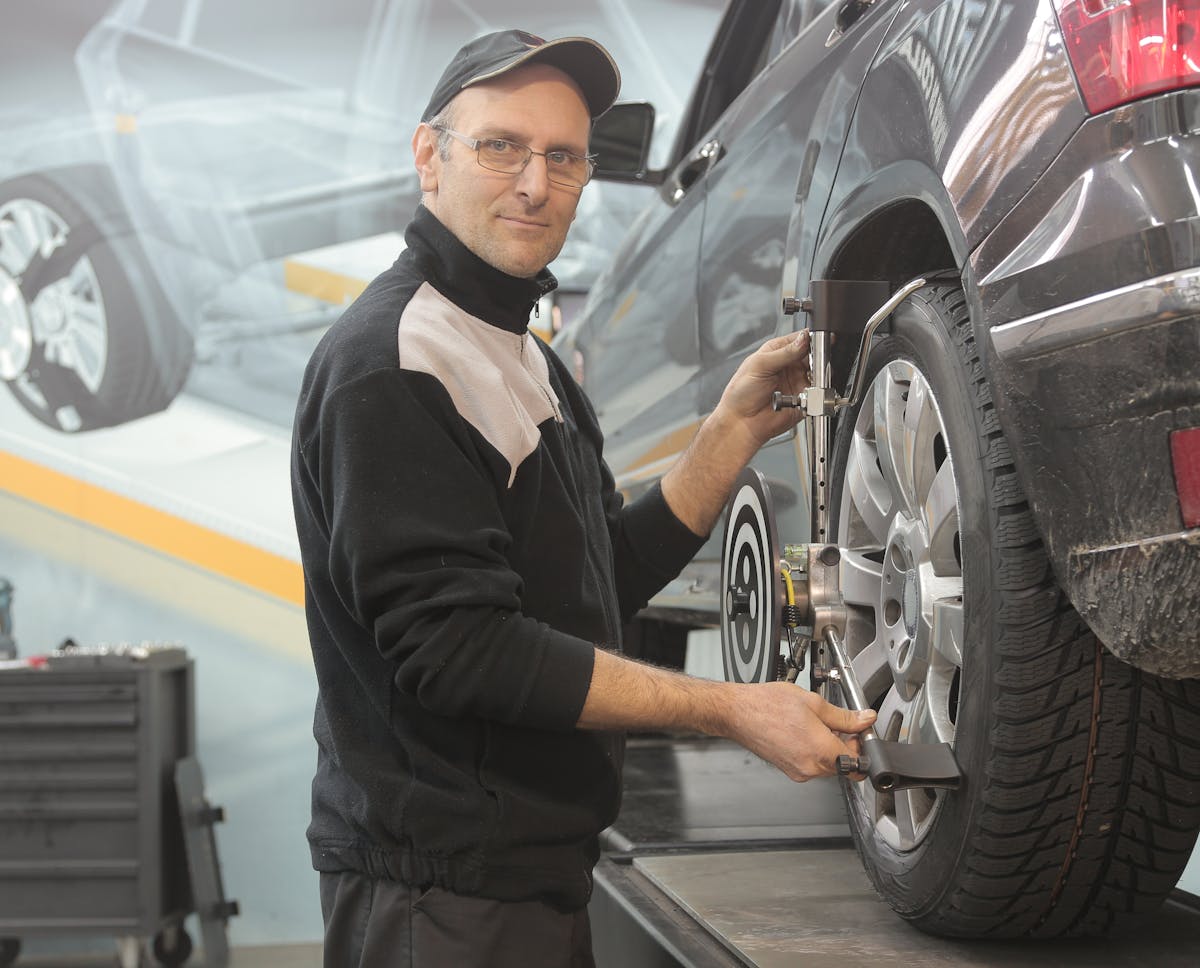
- Alignment problems: The sudden jolt can shift your wheel alignment — toe, camber, or caster angles — causing the vehicle to pull to one side and accelerating uneven tire wear.
- Damaged struts and shocks: Your suspension is designed to absorb road imperfections, but a deep pothole at speed can exceed its limits. Worn or damaged struts lose their ability to dampen impacts effectively.
- Steering components: Tie rods, ball joints, and control arm bushings can all suffer from repeated hard impacts over time.
The sneaky part: alignment and suspension damage often doesn't show obvious symptoms right away. You might not notice the pull or the vibration until weeks later — by which time you've already put uneven wear on your tires.
The Right Tire Pressure Makes a Difference

Here's something most drivers don't consider: your tire pressure directly affects how well your tires handle pothole impacts.
Underinflated tires are the worst-case scenario for potholes. When pressure is low, there's less air cushion between the road surface and your rim. That means the rim is more likely to make contact with the pavement on impact — bending the rim and pinching the sidewall.
Properly inflated tires maintain their structural shape under impact, distributing the force more evenly across the tire's contact patch and giving the sidewall the rigidity it needs to resist pinching.
That said, you don't want to overinflate either. Overinflated tires have a smaller contact patch and are stiffer, which means they transmit more impact force directly to the rim and suspension. The sweet spot is your vehicle manufacturer's recommended PSI — found on the driver's door jamb sticker, not the tire sidewall.
During pothole season, it's worth checking your tire pressure at least once a week. Temperature swings can cause pressure to fluctuate by 1–2 PSI for every 10°F change — and spring weather is nothing if not unpredictable. A reliable gauge like the JACO ElitePro Tire Pressure Gauge takes the guesswork out of the process.
What to Do Right After a Hard Pothole Hit
You felt it — that jarring thud that makes you wince. Here's your post-impact checklist:
- Pull over when safe. Don't keep driving and hope for the best. Find a safe spot and do a visual inspection.
- Check for visible tire damage. Walk around the vehicle and look for bulges, cuts, or objects embedded in the tread. Run your hand along the sidewall (when cool) feeling for bumps.
- Check tire pressure. A sudden pressure drop indicates a pinch flat or puncture. Even a slow leak of 5+ PSI from your baseline means something is wrong.
- Test drive carefully. At low speed, check for vibration in the steering wheel (front-end damage) or seat (rear-end damage). Listen for new clunking or knocking sounds over bumps.
- Watch for pulling. If the vehicle drifts left or right on a flat, straight road, your alignment likely shifted.
- Get an alignment check. Even if everything seems fine, a professional alignment check after a significant impact is cheap insurance — typically $75–100 — compared to premature tire replacement.
Driving Tips to Minimize Pothole Damage
You can't always avoid potholes, but you can reduce the damage when you can't:
- Slow down on rough roads. Impact force increases exponentially with speed. Hitting a pothole at 45 mph does far more damage than hitting the same one at 25 mph.
- Don't brake in the pothole. Braking shifts your vehicle's weight forward and compresses the front suspension — reducing its ability to absorb the impact. If you can't avoid it, release the brake just before impact so the suspension is at full travel.
- Watch for puddles. Standing water hides potholes. If you can't see the road surface, slow down.
- Give the car ahead space. Tailgating reduces your reaction time. More following distance means more time to spot and avoid hazards.
- Avoid swerving. A sudden swerve at speed is often more dangerous than the pothole itself. If you can't safely avoid it, hold your line and slow down.
- Keep tires properly inflated. We've said it, but it bears repeating — correct pressure is your best passive defense against pothole damage.
When to See a Mechanic
Some pothole damage demands professional attention. Get your vehicle inspected if you notice any of the following after hitting a pothole:
- Steering wheel vibration that wasn't there before
- Vehicle pulling to one side
- New clunking, rattling, or knocking sounds over bumps
- Visible bulge or bubble on any tire sidewall
- Uneven tire wear pattern developing
- Tire pressure that keeps dropping despite no visible puncture
Don't wait on these. A bent rim or sidewall bulge won't heal itself — it'll just fail at the worst possible moment.
Protect Your Investment
Your tires are one of your vehicle's most important — and most expensive — wear items. A set of four quality tires runs $400 to $1,000+ for most passenger vehicles and SUVs. Protecting them from avoidable damage is just smart ownership.
The formula is simple: maintain correct tire pressure, stay alert on rough roads, know what to look for after a hard hit, and don't ignore the warning signs. Spring pothole season doesn't have to mean an unplanned trip to the tire shop.
Keep a JACO ElitePro Digital Tire Pressure Gauge in your glovebox, check your pressure weekly through the spring, and drive smart. Your tires — and your wallet — will thank you.