
Summer is road trip season — long days, open highways, and that rare stretch where the calendar finally cooperates. But the trips that turn into great stories almost always start with the same thing: a vehicle that was actually ready to go. Tires checked. Gear packed smart. The right tools in the trunk so a minor hiccup stays minor.
Whether you're heading three states over for a long weekend or chasing a two-week loop through the mountains, this guide covers the summer road trip essentials worth doing — and the gear worth packing — before you turn the key.
Start With the Tires (Yes, Really)
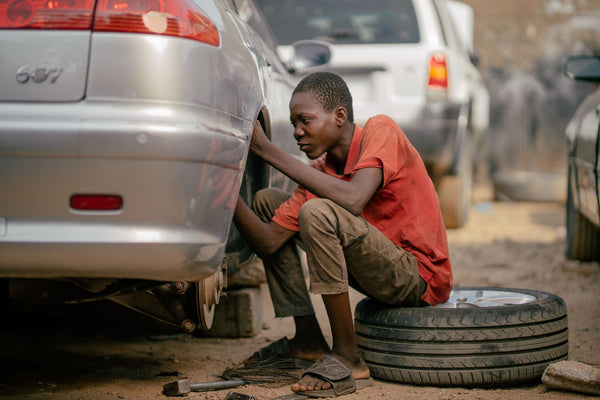
Every road trip preparation guide eventually gets to tires, and there's a reason. Tires are the only thing connecting your loaded-down vehicle to the asphalt. Heat, weight, and miles all stack against them. According to NHTSA, underinflated tires are a factor in tens of thousands of crashes every year, and most are completely preventable.
Before any long drive, do a 10-minute walk-around:
- Set pressure when tires are cold — meaning the vehicle has sat for at least three hours. Hot tires read 4–6 PSI higher than reality.
- Check the door jamb sticker, not the sidewall. The number on the sidewall is the tire's maximum pressure, not the recommended one for your vehicle.
- Inspect the tread depth with a penny — if you can see all of Lincoln's head, it's time to replace before the trip.
- Don't forget the spare. The donut in your trunk has been losing pressure for months. Most are flat or close to it when you finally need them.
A quality digital gauge takes the guesswork out. The gauges on most gas station air pumps are notoriously inaccurate — sometimes off by 10 PSI or more.

Pack Smart: The Weight You're Carrying Matters
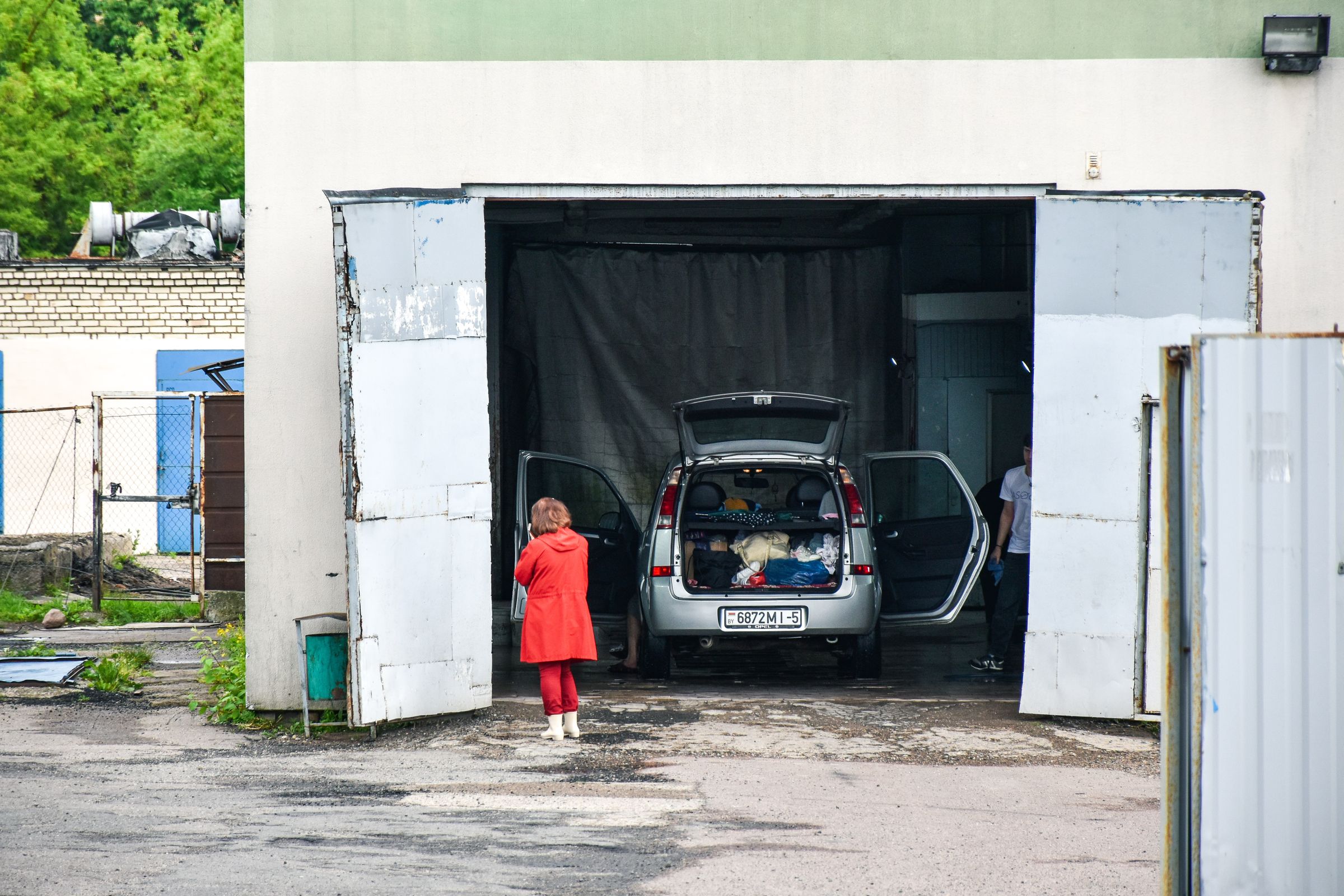
Most drivers don't think about cargo weight on a road trip — until something starts rattling, sliding around, or the car starts feeling sluggish on hills. Two principles to keep in mind:
1. Heavy Items Go Low and Centered
Cooler, water jugs, tool kits, anything dense — load it on the floor, close to the rear axle. This keeps the center of gravity low and the suspension balanced. Lighter, bulky items (sleeping bags, pillows, jackets) go on top.
2. Secure Everything That Can Move
An unsecured 20-pound cooler becomes a 600-pound projectile in a 30 MPH stop. Tie down anything heavy with proper ratchet straps — not bungee cords. Bungees stretch under load and let cargo shift; ratchet straps hold.
If you've ever opened the back of an SUV after a long drive and watched gear avalanche onto the driveway, that's the cost of skipping this step. A pair of compact ratchet straps lives in our trunks year-round for exactly this reason.
Adjust Tire Pressure for the Load
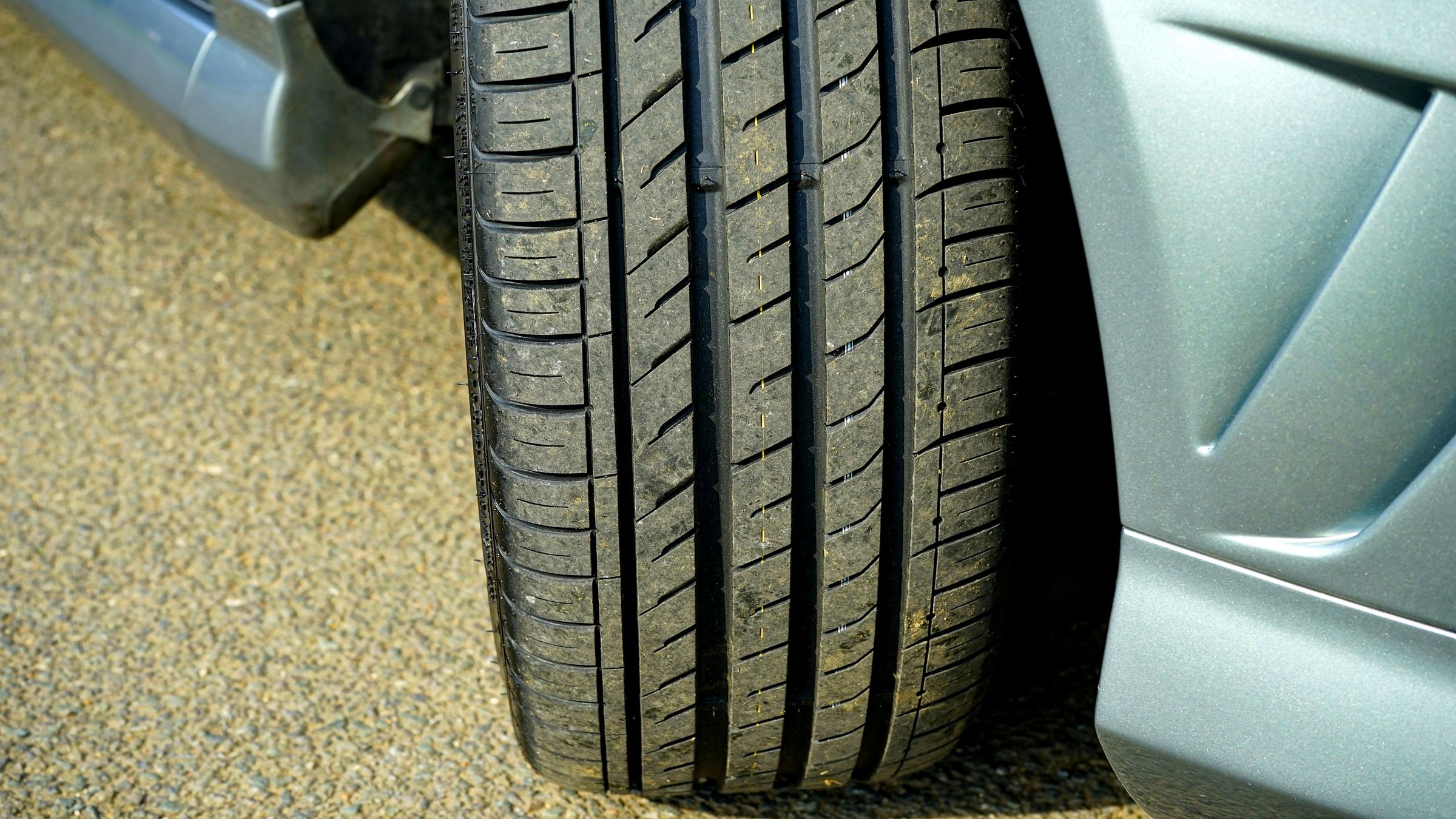
This one gets skipped almost universally. If you're loading up an SUV or truck with people, gear, and a roof box, the standard tire pressure isn't right anymore.
Check the door jamb sticker for the loaded pressure recommendation — most vehicles list two numbers, one for standard driving and one for heavy loads or full passenger capacity. Adding 2–4 PSI when you're hauling helps:
- Prevent sidewall flex and overheating on long highway stretches
- Improve fuel economy (a fully loaded vehicle on underinflated tires can lose 3% or more in MPG)
- Reduce uneven tread wear, especially on the outer edges
If your vehicle has a roof rack, cargo box, or trailer, the loaded-pressure recommendation is non-negotiable. Re-check after the first hour of driving once tires are at temperature.
The Summer Road Trip Tool Kit
You don't need a full garage in your trunk. You need the right ten or twelve items that handle 95% of roadside problems. Here's what we'd put in every glovebox before a summer trip:
- Digital tire pressure gauge — accurate to 0.5 PSI
- Portable air compressor — 12V plug-in or battery-powered, capable of reaching at least 100 PSI
- Tire plug kit — a $20 kit can save a $200 tow
- Jumper cables or a portable jump pack
- Tire iron and working jack (test it before you leave)
- Flashlight with fresh batteries
- Basic first-aid kit
- Ratchet straps — for cargo and emergency tie-downs
- Tow strap with rated loops — for soft shoulders, mud, sand, or pulling someone else out
- Roll of duct tape and a multitool
- Reflective triangles or LED road flares
- Paper map or downloaded offline maps — cell service disappears more than you'd think
For the air compressor and tow strap in particular, you'll thank yourself the first time you actually need one. A flat tire 80 miles from the nearest town with no spare and no compressor is the kind of trip-killer this gear prevents.

Under-the-Hood Pre-Trip Check
You don't need to be a mechanic for this — it's a 15-minute walk-through:
- Oil: Pull the dipstick. If it's been >75% of the way to the next oil change, get it done before you leave.
- Coolant: Summer heat is when cooling systems fail. Check the reservoir level when cold — top off if low.
- Brake fluid, power steering, washer fluid: Quick top-offs save headaches later.
- Battery terminals: Wiggle the cables. Corrosion or looseness = breakdown risk.
- Belts and hoses: Look for cracks, swelling, or fraying. Any soft spot in a coolant hose is a roadside breakdown waiting to happen.
- Wipers: Summer storms can drop visibility instantly. Replace blades if they're streaking.
If your last oil change was over 4,000 miles ago and you're about to add another 2,000, just go ahead and knock it out before the trip.
Plan for Heat — Your Car Cares About It Too

Hot pavement and long highway runs put real stress on tires and cooling systems. A few smart habits help:
- Drive in the cooler parts of the day when possible — early morning or evening. Easier on you, easier on the car.
- Watch the temperature gauge on long climbs. If it creeps up, drop the AC, turn on the heater, and pull over if needed.
- Don't park on dry grass or in tall vegetation — catalytic converters can ignite dry brush in a hurry.
- Keep water in the vehicle — for you, your passengers, and topping off a radiator in a pinch.
What to Pack for the Humans
Less is more here, but a few items earn their space:
- A small cooler with cold water, snacks, and a couple of meals' worth of food
- A USB charger for every device — and a backup battery pack
- Sunglasses (a spare pair in the glove box is a quiet superpower)
- A change of clothes within reach — not buried in the trunk
- Cash for tolls, parking, and the occasional cell-dead area
- A paper notebook — for places worth coming back to
One Last Thing: The Pre-Departure Walk-Around
Right before you pull out, do one slow loop around the vehicle:
- All four tires look properly inflated, no obvious damage
- All lights working — headlights, taillights, brake lights, blinkers
- Roof rack and any cargo boxes locked and strapped down
- Bike rack or hitch carrier secured with hitch pin in place
- Fuel level set — gas up before you leave, not at the next exit
This 60-second loop catches the small stuff that ruins big trips. Bring this habit on every drive longer than four hours.
Hit the Road
A good summer road trip isn't about packing every gadget you own. It's about checking the things that actually fail (tires, fluids, cargo security) and packing the gear that gets you out of trouble when something does (a real gauge, a real compressor, real ratchet straps). The rest is just snacks, playlists, and a tank of gas.
Have a great trip. Drive safe — and air up before you go.