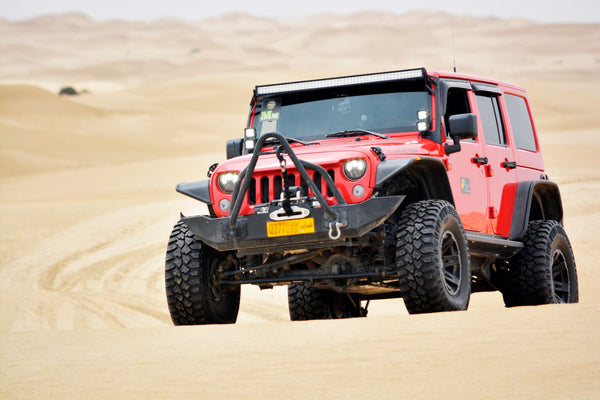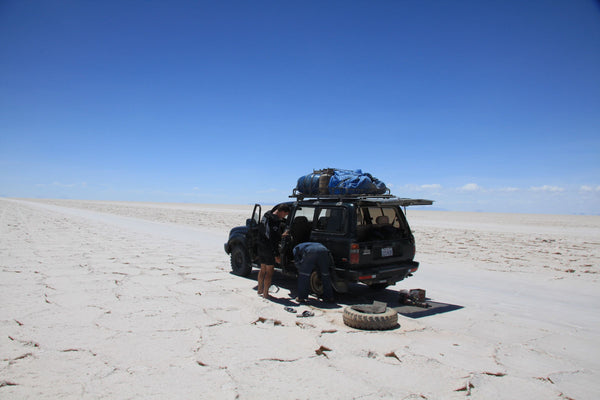

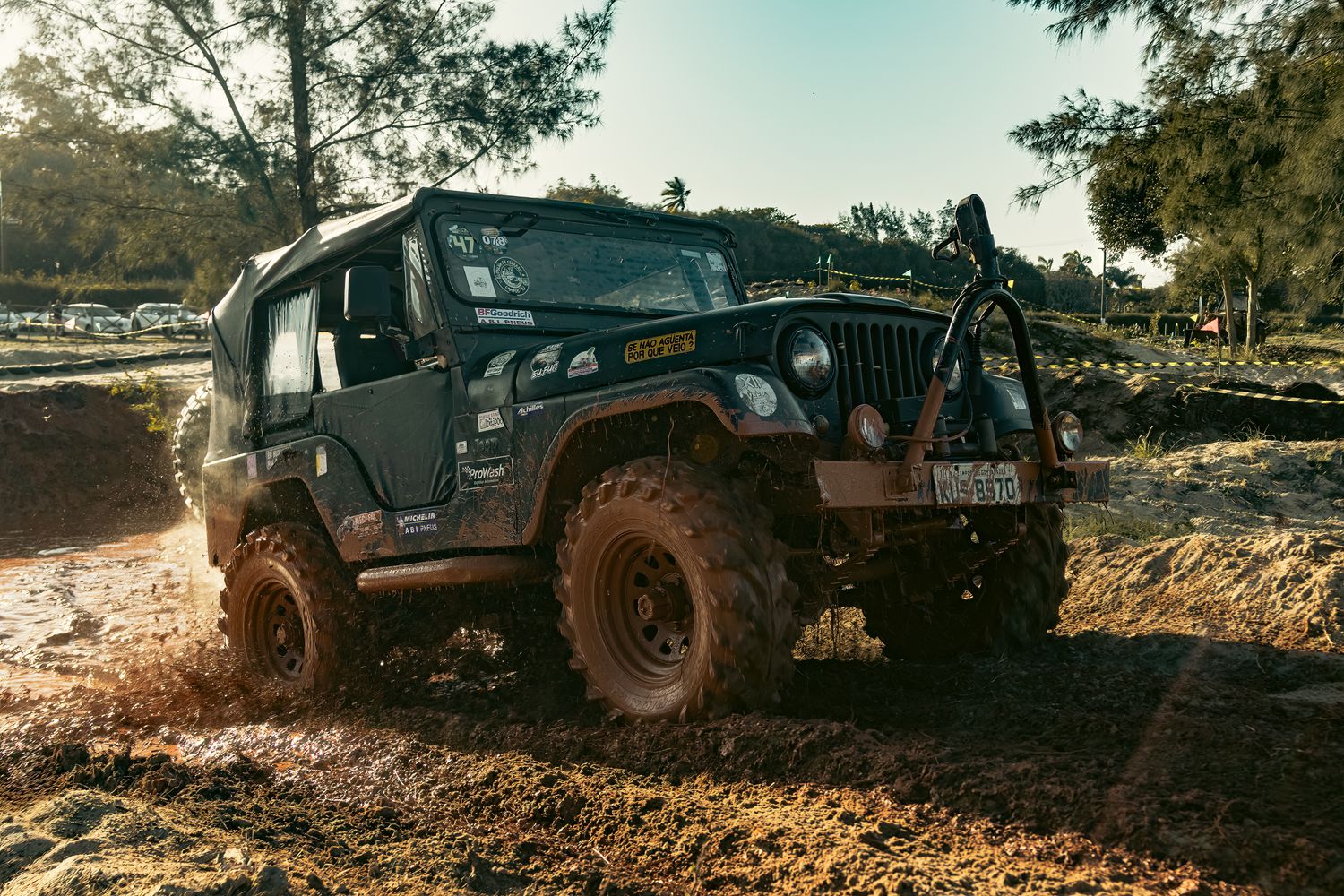
Every off-roader gets stuck eventually. Sand, mud, snow, deep ruts — the terrain doesn't care how capable your rig is. The question isn't if you'll need to dig yourself out, it's whether you'll have the right tool to do it solo. That tool, more often than not, is a pair of traction boards.
Traction boards have quietly become one of the most-used pieces of recovery gear on the trail. They're light, they don't store kinetic energy like a strap or winch, and they work for a solo driver. But "traction board" covers a huge range of products — from $50 knockoffs to $350 reinforced nylon flagship boards — and the differences matter when you're stuck at sundown with rain coming in. This guide walks through what to look for, which terrain demands what board, how to use them, and how to keep them alive.
Why Traction Boards Belong in Every Recovery Kit
Before talking specs, it helps to understand why traction boards have replaced sand ladders, plywood scraps, and floor mats as the go-to self-recovery tool.
- Single-vehicle recovery. A strap requires a second rig. A winch requires an anchor. Traction boards just need a few inches of clearance under your stuck tire.
- No stored energy. Kinetic ropes and winch cables can fail catastrophically. A traction board can crack — it can't whip back and hurt anyone.
- Fast deployment. Dig, place, drive. Five to ten minutes per tire, even solo.
- Multi-purpose. Quality boards double as leveling blocks for campers, bridges over small obstacles, and emergency shovels.
Foam vs. Hollow vs. Reinforced Nylon: Construction Matters Most
The single biggest spec on a traction board is what it's made of and how it's molded. Three constructions dominate the market.
Solid foam (cheap, single-use)
Sub-$60 boards are typically solid foam or low-density polyethylene. They work — once or twice. The teeth shear off when a spinning tire melts the plastic, and the boards flex too much under heavy vehicles. Fine for a Subaru on a beach. Not fine for a loaded Tacoma in deep mud.
Hollow ribbed (mid-tier)
$120–$200 boards from brands like TRED Pro and Maxsa use a ribbed hollow design — internal trusses give rigidity without the weight of solid construction. They flex some under load, which actually helps by spreading vehicle weight across more teeth. The hollow cavity can crack on rocky surfaces if you hit a sharp edge wrong.
Reinforced nylon (premium)
The $300–$400 tier — MaxTrax MKII, TRED Pro flagship — uses glass-reinforced nylon with engineered flex zones. These boards survive repeated abuse from spinning tires, freezing temps, and rocky deployments. If you wheel hard or want a pair that'll last a decade, this is the tier.
The honest truth: for most weekend overlanders, a quality mid-tier board is the right answer. The premium tier earns its price for guides, expedition rigs, and anyone who recovers vehicles more than a handful of times a year.
Sand, Mud, Snow: Performance Varies by Terrain
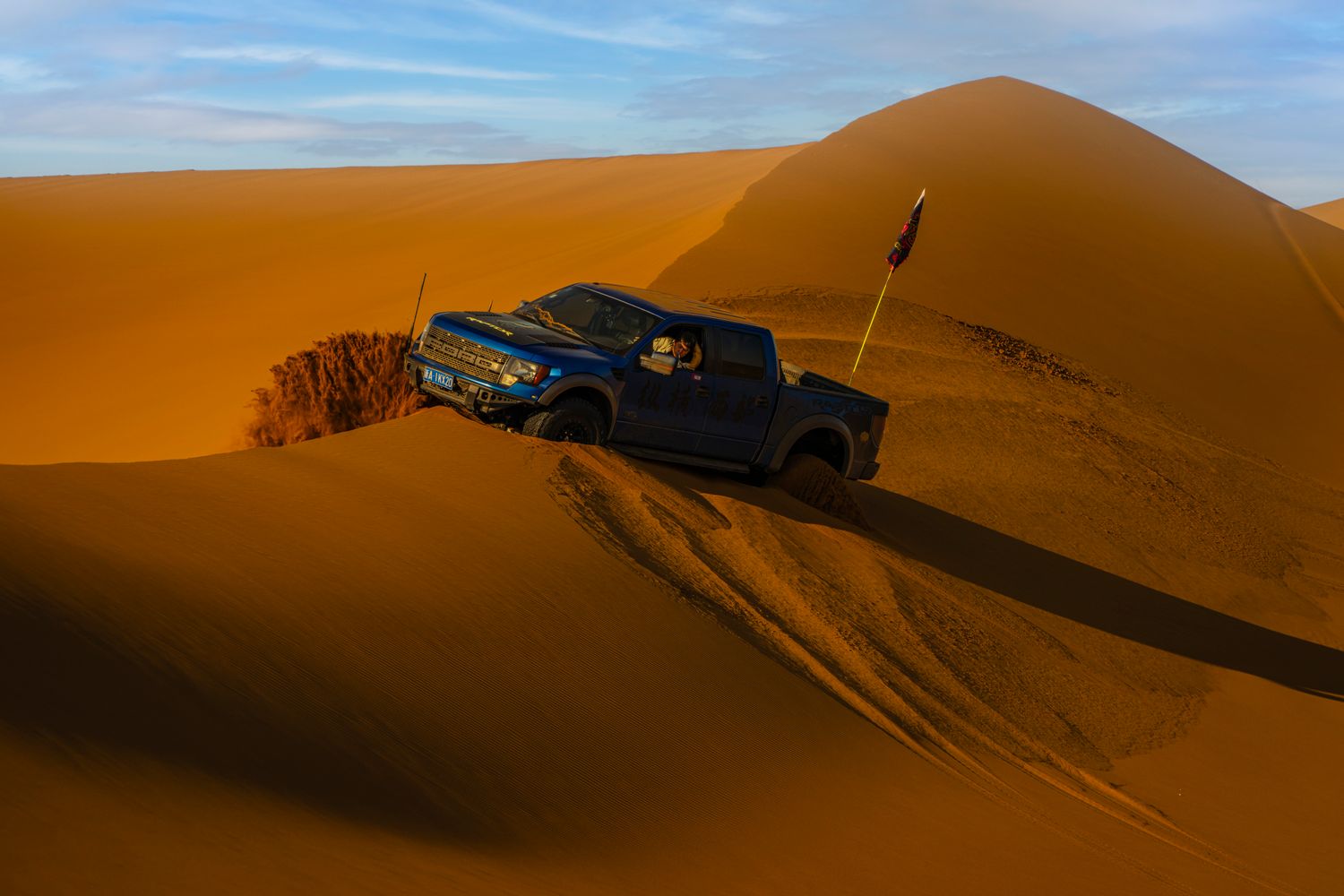
Traction boards aren't equally effective everywhere. Knowing what your home terrain demands will save you from buying the wrong tool.
Sand is where traction boards shine brightest. The boards float on top of the sand, the teeth give your tire something to bite, and you ride out smoothly. Almost any quality board will pull a vehicle from soft sand — length matters more than tooth aggression here.
Mud is harder. Wet, sloppy mud clogs teeth and turns the board into a slick surface. Aggressive, deep teeth (the kind found on premium boards) cut through mud better. Cheap shallow-tooth boards often spin uselessly in slick clay.
Snow and ice are the toughest test. Compact snow behaves like sand. Powder is a different problem — the boards sink, the tires spin, and you're often better off airing down further and gently rocking out.
Rocks and ledges aren't a "stuck" problem — they're a "high-centered" problem. Boards can bridge small gaps or ramp over ledges, but use the flat (smooth) side down on rocks to avoid shearing the teeth.
Length, Width, and Weight: Match the Board to the Rig
A small Subaru and a fully built 4Runner don't need the same boards. Match the board to the rig:
- Light vehicles (under 5,000 lbs): 32–43 inch boards, narrow profile (around 12 inches wide). Easier to stow, plenty of capacity.
- Mid-size SUVs and trucks (5,000–7,500 lbs): 45-inch standard boards in 13–14 inch widths. The default for most overlanders.
- Heavy-duty trucks and expedition rigs (over 7,500 lbs): Full 45–50 inch boards in reinforced nylon. Skip the budget tier entirely.
Weight per board ranges from about 7 lbs (foam) to 12 lbs (reinforced nylon). Heavier usually means more rigid and durable — but also harder to lift onto a roof rack. Plan storage and mounting before you buy.
How to Actually Use Traction Boards (the Right Way)
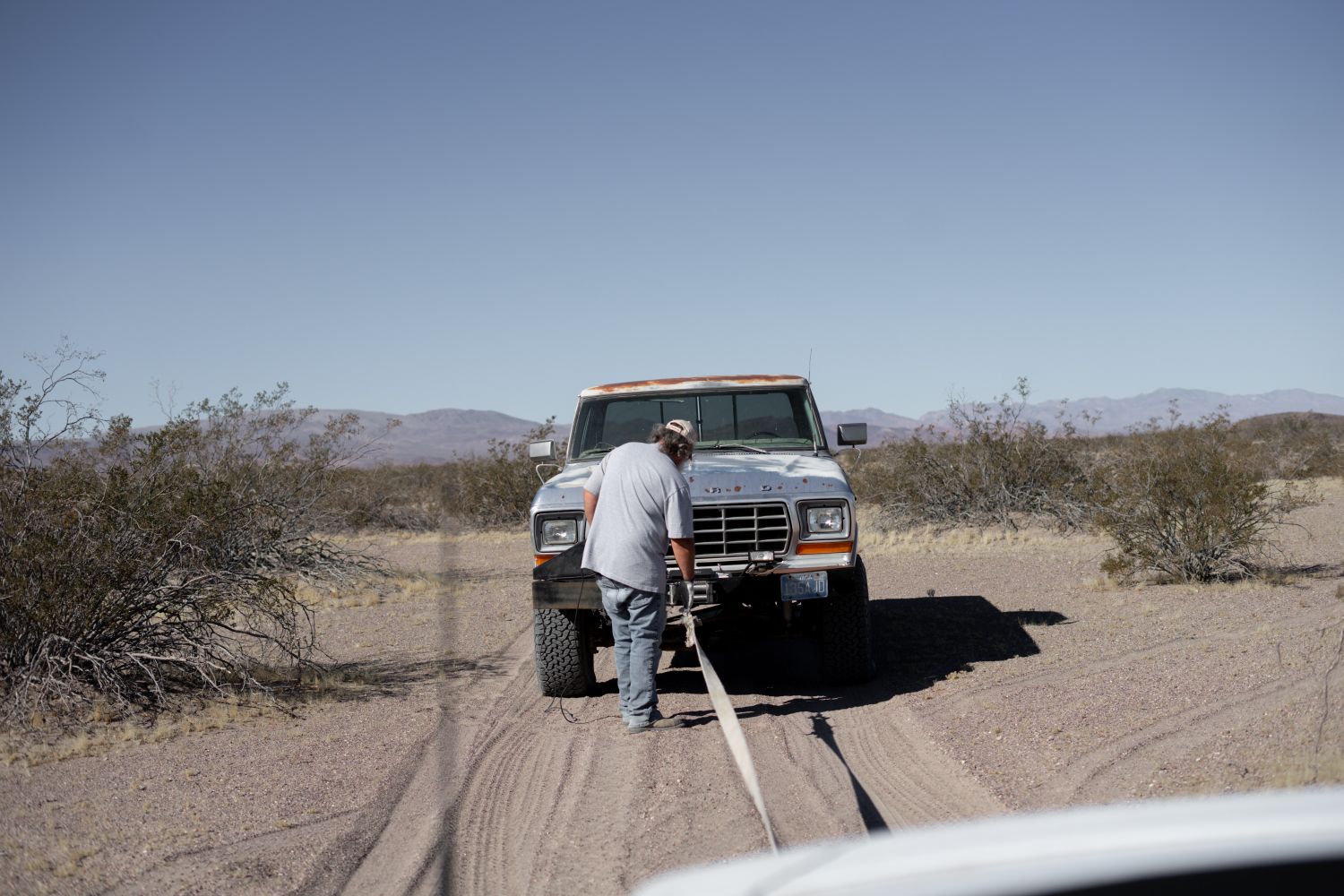
Plenty of people buy boards, never read the directions, then wonder why they didn't work the one time they got stuck. Technique matters as much as gear.
- Stop spinning the tires immediately. Heat melts plastic boards. The longer you spin, the less your boards will help.
- Air down first. Drop tire pressure to 15–20 PSI (sand), 12–15 PSI (deep mud or snow), or lower for severe cases. Reduced pressure dramatically increases your contact patch and is sometimes all you need.
- Dig out in front of the drive wheels. Most people skip this step. Use the curved end of your board as a shovel, or carry a small folding shovel. Remove material in front of the drive tires so the board has somewhere to slide in.
- Wedge the board under the tire. Push firmly against the tire face, teeth up, with the ramped end pointing in your direction of travel.
- Drive slowly and steadily. The goal is gentle, even throttle — not a burnout. Spinning tires shear teeth and melt plastic.
- Recover the boards before they're under the rear tires. Once your drive wheels are off the boards, stop. Don't drive over your own boards repeatedly.
Two vs. Four Boards: When to Carry a Full Set
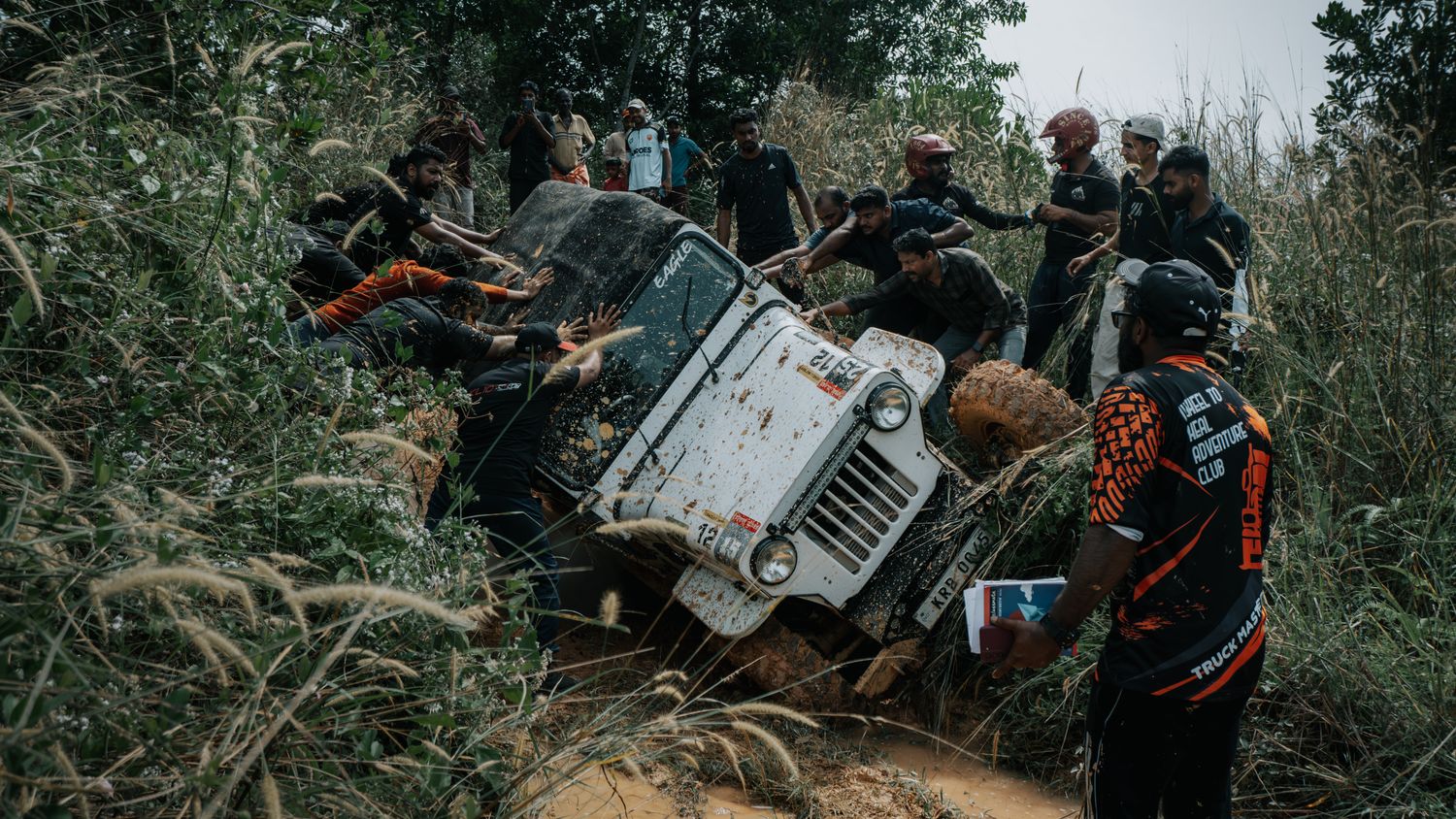
Most off-roaders start with a pair — one board per drive wheel. That's enough for the majority of bogs. But there are two scenarios where four boards earn their weight:
Long ruts or deep snow. Two boards get you out of one bog length. If the soft section continues, you're stuck again twenty feet later. Four boards let you leapfrog — drive onto two, recover the rear two, place them forward, repeat.
4WD vehicles stuck on all four corners. If you've high-centered (common in deep mud), you need boards under each tire to extract. Two boards alone won't move the vehicle. For most weekend trails, two is enough. For overland expeditions or deep snow country, four is worth the storage hit.
Cleaning, Storage, and Pairing With a Recovery Strap
Traction boards live a hard life. Mud, sand, sun, freeze-thaw cycles, and abrasion from spinning tires all degrade plastic over time. A few small habits will double their service life:
- Hose them off after every recovery. Dried mud and sand grind teeth down on the next deployment.
- Let them dry before storing. Trapped moisture will rust any metal mounting hardware.
- Store out of direct sun when possible. UV degrades all plastics over time.
- Inspect teeth before each trip. A board missing more than 20% of its teeth is past its useful life on aggressive terrain.
- Use the flat side down on rocky surfaces. Most boards are reversible for this reason.
Traction boards solve the solo-stuck problem. But every recovery kit also needs a backup — a way out when the boards aren't enough or when you're working with another vehicle. That's where a proper recovery tow strap earns its place.
When traction boards can't dig you out — too deep, too high-centered, too steep — a buddy with a strap can. The combination of self-recovery gear (boards) and assisted-recovery gear (strap) covers nearly every realistic trail scenario. One safety note: never connect a recovery strap to a ball hitch. Use a rated D-ring shackle or soft shackle attached to a proper recovery point.

Budget Tiers: What to Spend at Each Level
If you're buying your first pair, here's a no-nonsense breakdown by price:
- $50–$80 (entry). Solid foam or low-density plastic. Fine for occasional beach driving. Will fail under repeated mud/snow use.
- $120–$200 (mid-tier). Hollow ribbed construction, deeper teeth, better materials. The sweet spot for weekend overlanders and daily-driven trucks — where most people should land.
- $300–$400 (premium). Reinforced nylon, engineered flex zones, multi-decade durability. Worth it for expedition rigs, guides, or frequent recoveries.
The hidden cost in the cheap tier isn't dollars — it's confidence. A board that breaks on the first hard recovery isn't just useless, it's a hazard. If you wheel seriously, skip the bottom tier.
The right pair of traction boards — matched to your vehicle weight, terrain, and honest skill level — turns "stuck for three hours" into "stuck for five minutes." Pair them with a properly rated recovery strap, learn the technique before you need it, and store them so they're ready for the next trip.
For more on rounding out a complete off-road recovery kit, check our guides on D-ring shackles and recovery points and sand driving fundamentals. Drive farther. Get unstuck faster. And keep the rubber-side down.