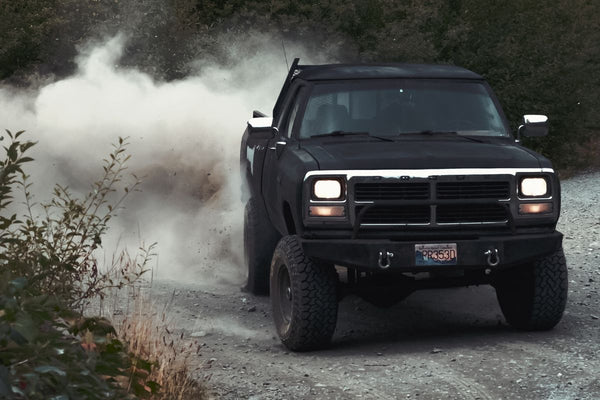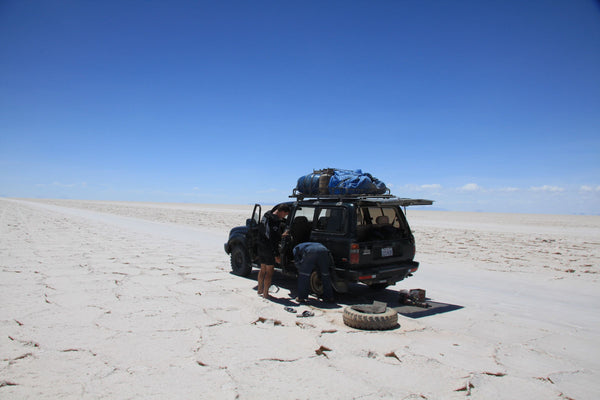

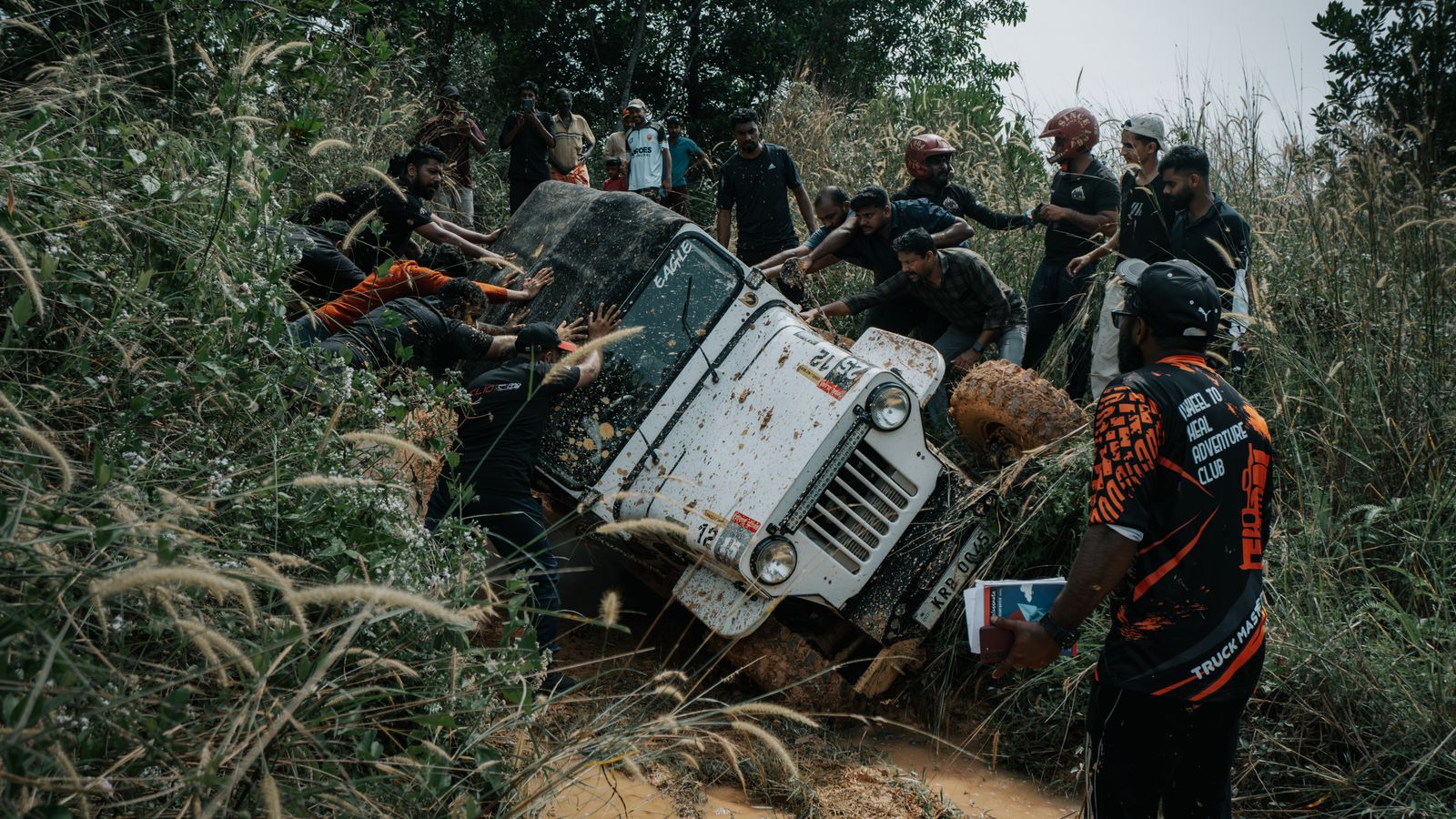
If you wheel long enough, you will get stuck. It is not a question of skill — it is a question of when. And when that moment comes, the difference between a 20-minute laugh and a 4-hour tow bill comes down to two unsexy pieces of hardware: the D-ring shackle and the recovery point it bolts to.
Both get treated like afterthoughts. Both are the only things keeping a 5,000-pound truck attached to the rope pulling it out of a hole. Get them wrong and you can rip a bumper off a truck, snap a tow hook clean off the frame, or send a chunk of steel through a windshield. Get them right and recovery becomes routine.
This guide covers what actually matters: how shackles are rated, why factory tow hooks are not always recovery points, where to mount aftermarket recovery points, and how to put it all together without hurting yourself or your truck.
What a D-Ring Shackle Actually Does
A shackle is the U-shaped steel link that connects your recovery strap to a recovery point. Every pound of force the strap generates passes through that one piece of metal. Two basic shapes show up in off-road recovery kits:
- D-ring ("dee" or "chain") shackle: a tighter U shape. Best for in-line, single-direction loads.
- Bow ("anchor") shackle: a rounder, wider U. Handles loads from multiple angles — which is why bridle straps and Y-rigs use them.
For most truck and SUV work, either shape is fine. Many off-roaders carry a pair of 3/4-inch bow shackles because they handle off-axis pulls gracefully. The shape matters less than the rating — which is where most people get into trouble.

WLL vs. Break Strength: The Number That Matters
Every reputable shackle is stamped with a number. Sometimes it is two numbers. Knowing the difference is the most important thing in this entire article.
- Working Load Limit (WLL): the maximum load the shackle is rated to handle in normal, repeated use. Industrial standard is roughly a 5:1 or 6:1 safety factor against the breaking point.
- Minimum Breaking Strength (MBS) / Break Strength: the load at which the shackle is expected to fail. This is the catastrophic number, not the working number.
A common 3/4-inch screw-pin shackle is rated around 4.75 tons WLL (9,500 lbs) with an MBS in the 28,000–47,000 lb range. A 7/8-inch shackle is around 6.5 tons WLL; a 1-inch is around 8.5 tons.
Match the shackle to the heaviest vehicle in the recovery — and remember that a kinetic strap can briefly multiply the static load by 2x to 3x as it stretches and snaps the stuck vehicle free. A loaded F-250 in mud is not a 7,500-lb pull; it is closer to a 15,000–25,000 lb peak load. A 3/4-inch shackle is the practical minimum for most full-size trucks; step up to 7/8-inch once you wheel rigs over 6,000 lbs curb weight or pull trailers.
Never trust an unmarked shackle. If there is no rating stamped into the bow, assume it is a hardware-store import meant for landscaping. It does not belong in a recovery kit.
Screw-Pin vs. Safety-Pin Shackles
The pin is the second decision. Two main options:
- Screw-pin shackle: threaded pin you tighten by hand. Fast on, fast off. The standard choice for off-road recovery because nobody wants to fiddle with a cotter key when the truck is sliding deeper into a hole.
- Bolt-and-nut (safety-pin) shackle: a through-bolt secured with a nut and cotter pin. Used in industrial rigging where the load stays attached for hours and vibration could back a screw-pin out. Overkill for most recoveries.
Two best-practice habits prevent screw-pins from walking loose under load:
- Tighten finger-tight, then back off a quarter turn. A wrench-tight pin can seize under load and become impossible to remove. Hand-tight is plenty.
- Inspect the pin partway through a recovery. If you are doing repeated yanks, check the pin has not walked out.
Soft shackles — synthetic UHMWPE rope loops — are gaining popularity. They weigh almost nothing, will not chip a windshield if a strap snaps, and rate similarly to steel. They are not a replacement for steel D-rings on hard recovery points, but they shine for connecting two synthetic ropes or anchoring to rated soft points.
Recovery Points: Where the Shackle Bolts To
This is where most recoveries go wrong — long before the strap ever stretches. The shackle is only as strong as what it is bolted to.

Here is what you can and cannot use:
✅ Engineered, Frame-Mounted Recovery Points
Aftermarket recovery points from reputable companies (CBI, Factor 55, ARB, Smittybilt, Rugged Ridge, etc.) are designed for this job. They are typically high-grade steel plates that bolt through your truck's frame using grade-8 hardware, with a single hole sized for a 3/4 or 7/8-inch shackle. These are what you want.
✅ OEM Tow Hooks — Sometimes
Most modern trucks ship with red tow hooks under the front bumper. Read your owner's manual. On most full-size trucks (F-150, Silverado, Ram, Tundra), these hooks are recovery-rated. On many SUVs and crossovers, identical-looking hooks are tie-down points only — rated for shipping on a train, not for yanking out of mud. A tie-down handles static loads under 1,500 lbs; a recovery yank can spike to 15,000 lbs in a heartbeat.
❌ Trailer Hitch Receivers (with a ball mount)
A strap looped over a tow ball is the single most common cause of recovery deaths and injuries. Tow balls are made for vertical pulling, not stretch-and-snap kinetic loads. They shear off and become projectiles. If you must recover from a hitch receiver, use a dedicated shackle mount — a steel block that slides into the receiver with a rated shackle hole. About $25, and it will not turn into a missile.
❌ Bumper Brackets, Sway Bars, Tie-Down Loops
Sheet metal, stamped hardware, anything labeled "tie-down" — not a recovery point. A factory bumper will rip off the truck before a kinetic strap reaches peak stretch. If you are not 100% sure a point is rated for recovery, it is not.
Putting It Together: The Strap, the Shackle, the Pull
Once you have rated shackles on rated recovery points, the strap has to match. For most self-recovery — bogged in mud, sunk in soft sand, beached on a rock — a kinetic recovery strap is the right tool. It stretches, stores energy, and uses elastic snap-back to break the stuck vehicle free without the violent jerk of a chain or static rope. Match the strap's working load limit and breaking strength to the heaviest vehicle in the pull.

The whole chain — strap, shackle, recovery point, frame — has to be balanced. A 31,000-lb-rated strap on a 9,500-lb-WLL shackle means the shackle is the weak link. That is fine, as long as the working load of the recovery never exceeds the shackle's WLL.

Common Mistakes That Get People Hurt
Most recovery accidents are predictable results of preventable mistakes:
- Strap over a tow ball. Repeated until somebody dies. Use a hitch shackle mount or pull from a frame-mounted point.
- Hardware-store shackles. Unmarked, no WLL rating, often low-grade cast steel that snaps instead of bending.
- Wrong-size shackle. A 1/2-inch shackle in a 3/4-inch recovery point loads on the pin threads instead of the shoulders, and the pin binds or bends.
- Static tow strap used like a snatch strap. Tow straps with hooks are for flat-ground towing of a disabled vehicle. Kinetic recovery straps stretch, store energy, and break stuck vehicles free — the two are not interchangeable.
- Bystanders too close. Anyone within 1.5x the strap length is in the danger zone. Move people back at least 30 feet, behind cover.
- No dampener. A recovery dampener (or a heavy jacket draped over the strap) absorbs energy and drops the strap if it snaps, instead of letting it whip back. Use one.
Building a Minimum Recovery Kit
For self-recovery in a normal-duty truck or SUV, the minimum kit looks like this:
- One 30-foot kinetic recovery strap, rated for your vehicle weight
- Two rated 3/4-inch screw-pin D-ring or bow shackles (WLL ≥ 4.75 tons)
- One soft shackle as a backup or for synthetic-rope use
- Front and rear engineered recovery points bolted to the frame
- A recovery dampener, heavy gloves, and traction boards if you wheel solo
That is it. A winch is the upgrade for moments when there is no second vehicle and no easy anchor — but the strap-and-shackle system handles the vast majority of trail recoveries.
For more on which strap to use when, see our guide to tow straps vs. recovery straps vs. snatch straps, and read how to use a recovery strap safely before your next trip out.
Final Word
Shackles and recovery points are the cheapest insurance an off-roader buys. A pair of rated 3/4-inch shackles runs about $40; a set of frame-mounted recovery points runs $150–$300. The ER bill from a tow ball through a windshield runs five figures.
Buy rated hardware, bolt it to rated points, match the shackle to the strap and the strap to the vehicle, tighten finger-snug, use a dampener, and keep bystanders back. Do those six things and recovery stops being scary — it becomes the part of the day where everybody learns something and gets back to driving.
Stuck happens. Hurt does not have to.