
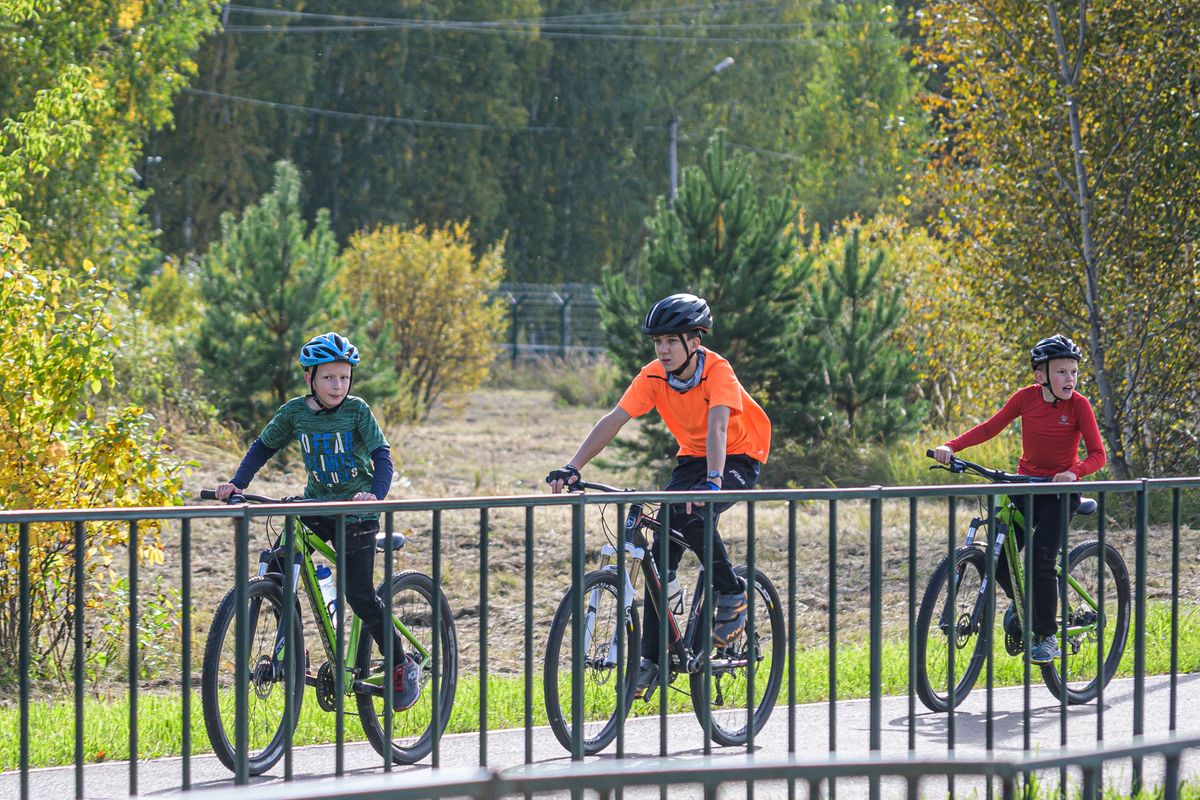
September mornings mean backpacks, bus stops, and—for a growing number of families—a bike ride to school. Cycling to class is great exercise, builds independence, and beats sitting in the drop-off line. But back-to-school season is also one of the busiest times of year on neighborhood roads, and kids on bikes are among the most vulnerable riders out there. A little preparation goes a long way toward keeping every ride safe.
Whether your child is pedaling solo for the first time or the whole family rolls out together, here’s a practical, no-nonsense guide to back-to-school bike safety—covering helmets, fit, pre-ride checks, road rules, and visibility.
Start With the Right Bike Fit
A bike that’s too big or too small is harder to control and far more likely to cause a spill. Kids grow fast, so the bike that fit last spring might already be too small.
- Standover height: When your child straddles the top tube with both feet flat on the ground, there should be an inch or two of clearance. They should never have to tiptoe.
- Seat height: With the pedal at its lowest point, their leg should be almost—but not fully—straight. A slight bend keeps pedaling efficient and safe.
- Reach: They should reach the handlebars and brake levers comfortably without stretching or hunching.
Resist the urge to buy a bike they’ll “grow into.” A properly sized bike now is a safer bike now.
The Helmet Rule: Non-Negotiable
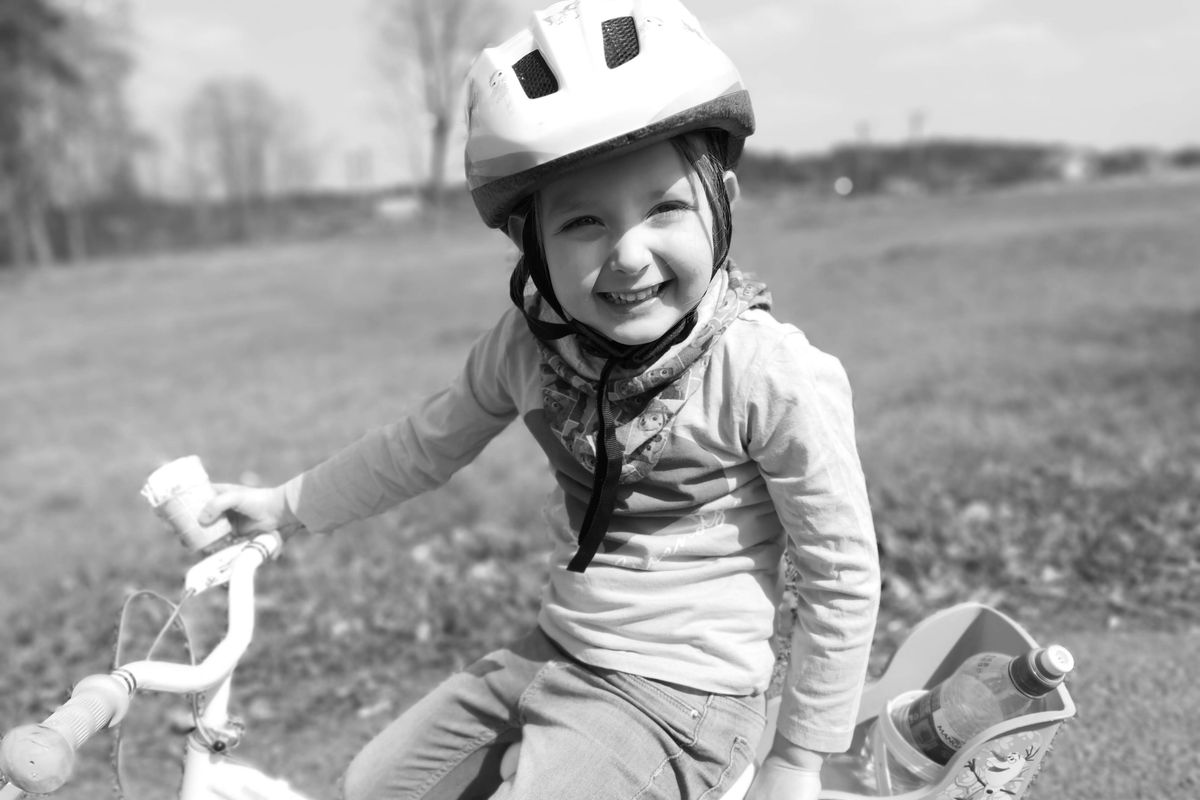
Helmets are the single most effective piece of safety gear a cyclist can wear—studies consistently show they dramatically reduce the risk of serious head injury. The rule in our book is simple: no helmet, no ride. Model it yourself, too. Kids who see parents wearing helmets are far more likely to keep theirs on.
Use the 2-4-1 fit check every time:
- 2 finger-widths between the eyebrows and the front edge of the helmet—it should sit level, not tipped back.
- 4 (a “V”) where the straps meet just below each ear.
- 1 finger between the chin and the fastened strap. If it slides more than that, tighten it.
Replace any helmet that has taken a hard impact—even if it looks fine, the protective foam may be compromised. And check the fit at the start of every school year; heads grow, too.
The Pre-Ride ABC Check
Before every ride, teach your kids the quick ABC check—Air, Brakes, Chain. It takes under a minute and catches most common problems before they leave the driveway.
- A – Air: Squeeze the tires. Properly inflated tires roll easier, resist flats, and handle predictably. Check the PSI range printed on the sidewall.
- B – Brakes: Squeeze each lever. The bike should stop firmly, and the levers shouldn’t pull all the way to the grips.
- C – Chain: The chain should be clean, snug, and spin freely without skipping.
Under-inflated tires are the number-one cause of pinch flats and sluggish, wobbly handling—exactly what you don’t want for a young rider. A simple, kid-friendly pressure gauge takes the guesswork out of the “A” in ABC. The JACO BikePro™ reads both Presta and Schrader valves, so it works on virtually any bike in the garage.

Teach the Rules of the Road
Skills matter as much as gear. Before your child rides to school, make sure they understand—and can demonstrate—the basics:
- Ride with traffic, not against it, and stay as far right as is safe.
- Stop at every stop sign and signal. Traffic laws apply to bikes, too.
- Use hand signals for left turns, right turns, and stops so drivers and other riders know their intentions.
- Make eye contact with drivers at intersections—never assume a car sees them.
- Walk the bike across busy crosswalks and at complicated intersections.
For younger kids, ride the route together a few times before the first solo trip. Point out the tricky spots—blind driveways, busy corners, that one intersection where cars roll the stop sign—so nothing catches them off guard.
Be Seen: Visibility Gear
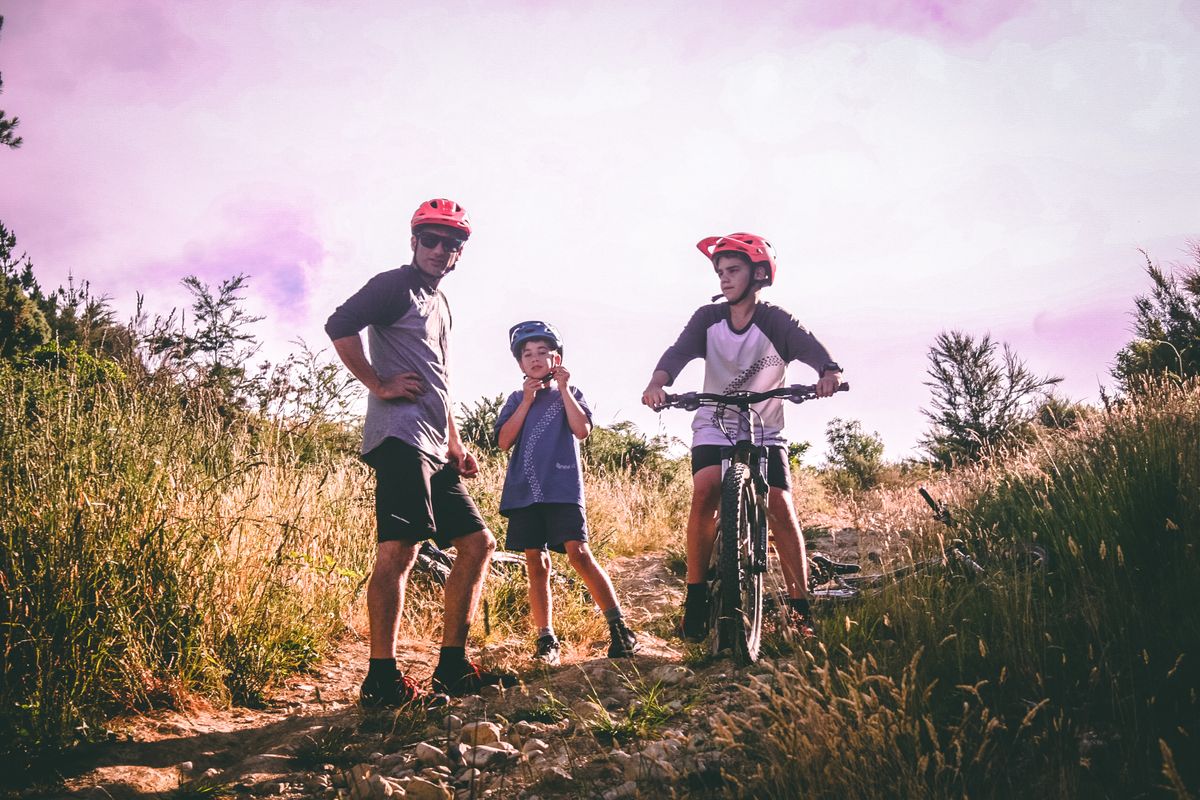
Fall means shorter days and darker morning commutes. Making your child as visible as possible is one of the easiest safety upgrades you can make:
- Bright, contrasting clothing—neon and hi-vis colors stand out far better than dark hoodies.
- Reflective accents on the backpack, jacket, helmet, and shoes.
- Front white light and rear red light, especially for early or overcast rides. Many are USB-rechargeable and clip on in seconds.
- Working reflectors on the wheels, pedals, and frame.
A good rule: if you can’t easily spot your kid from a block away, neither can a driver.
Keep the Bike Trail-Ready All Year
A safe bike is a maintained bike. Beyond the daily ABC check, set aside a few minutes each week to keep things dialed in—top off tire pressure, wipe and lube the chain, and confirm the brakes still bite. Kids’ bikes take a beating on curbs, gravel, and the occasional crash landing, so problems creep in fast.
Keeping tires at the right pressure is the highest-impact habit you can build. An all-in-one inflator with a built-in gauge makes it effortless—no separate pump-and-check dance—and handles both bike valve types out of the box.

Build the Habit, Not Just the Rules
The families with the safest young riders aren’t the ones with the strictest rules—they’re the ones who turn safety into routine. Helmet on before the wheels move. ABC check at the door. Lights charged on Sunday night. Once these become automatic, your kids carry them for life.
Back-to-school season is the perfect time to reset those habits. Do a quick fit check, top off the tires, test the brakes, and ride the route together. A few minutes of prep now means confident, capable riders all year long. For more tire and inflation know-how, browse the JACO bike gauges and inflators collection and keep every ride rolling smooth.