
A tire blowout is the number one cause of RV accidents on the highway—and unlike a car, when a 10,000-pound motorhome or loaded travel trailer loses a tire at 65 mph, the results can be catastrophic. The frustrating part? The vast majority of RV blowouts are completely preventable. They rarely happen because of a random road hazard. They happen because a tire was underinflated, overloaded, aged out, or quietly failing for months before it finally let go.
The good news: with a simple maintenance routine and a few reliable tools, you can dramatically cut your blowout risk. Here's the complete guide to keeping your RV tires healthy, from pressure checks to knowing exactly when it's time to replace.
Why RV Tires Blow Out
RV tires live a harder life than car tires. They carry enormous loads, often sit for weeks or months between trips, and bake in the sun while parked. Understanding the root causes helps you attack the problem before it becomes an emergency:
- Underinflation — By far the leading cause. Low pressure lets the tire flex excessively, which builds destructive heat.
- Overloading — Exceeding the tire's load rating overworks it and generates the same heat problem.
- Age and dry rot — RV tires often "time out" before they wear out. Rubber degrades whether you drive or not.
- Heat — Sustained highway speed, hot pavement, and sunlight all raise tire temperature toward the failure point.
- Neglect — Skipped inspections mean small cracks and slow leaks go unnoticed until they fail.
Notice a theme? Heat is the common enemy, and nearly every cause on this list produces it. Control heat, and you prevent blowouts.
1. Fight Underinflation: The Silent Killer
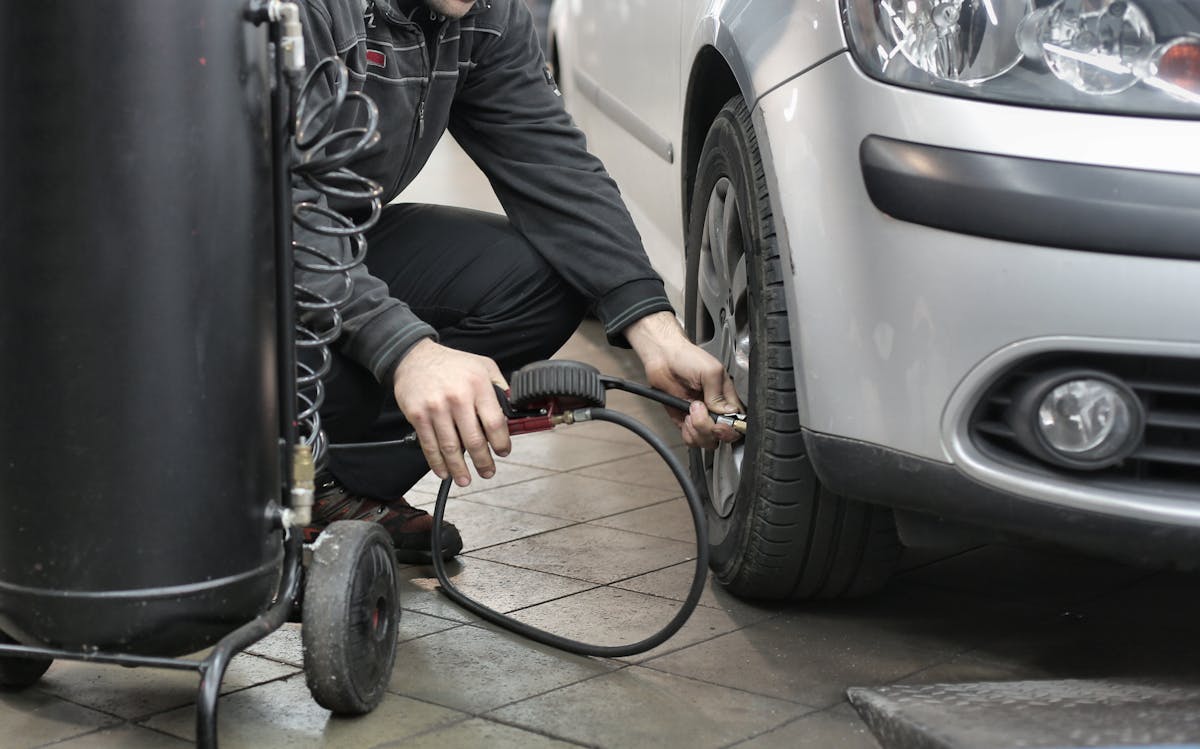
An underinflated tire flexes more than it should with every rotation. That flexing generates heat, and heat is what destroys the internal structure of a tire until it comes apart. A tire can be 20% low on pressure and still look perfectly fine to the naked eye—which is exactly why a gauge is non-negotiable.
Follow these pressure rules:
- Check cold. Always measure pressure before you drive, when tires are at ambient temperature. Driving heats the tire and inflates the reading.
- Check every travel day. Before you pull out of camp, walk the rig and check all tires—including the spare.
- Inflate to the tire placard, not the sidewall. The sidewall shows the maximum pressure; your RV's placard (or weight-based load/inflation chart) tells you the correct pressure for your actual load.
- Don't trust the eyeball test. RV tires, especially on duals and trailers, can lose 20+ PSI and still look full.
A quality digital gauge is the single most valuable tire tool you can carry. Many RV tires run 60–80 PSI (and some Class A rigs go higher), so choose a gauge with enough range and true accuracy. For dual-wheel setups, an angled or dually-compatible chuck makes reaching inner valves far easier.

Big rigs running higher pressures should look at a 200 PSI digital gauge instead, and it's worth carrying a portable inflator so you can top off anywhere. Browse the full lineup of tire pressure gauges to match your setup.
2. Know Your Weight: Never Overload
Every RV tire has a maximum load rating, and exceeding it is a direct path to failure. The problem is that most RVers have no idea what their rig actually weighs—especially once it's loaded with water, gear, food, and passengers.
Get your RV weighed at a certified scale (many campgrounds and truck stops have them), ideally at each wheel position so you can catch side-to-side imbalances. Then compare those numbers against your tire's load rating and set inflation using the manufacturer's load/inflation table. Distribute heavy items low and evenly, and never assume "it feels fine" means you're under the limit.
3. Watch the Clock: Tire Age Matters
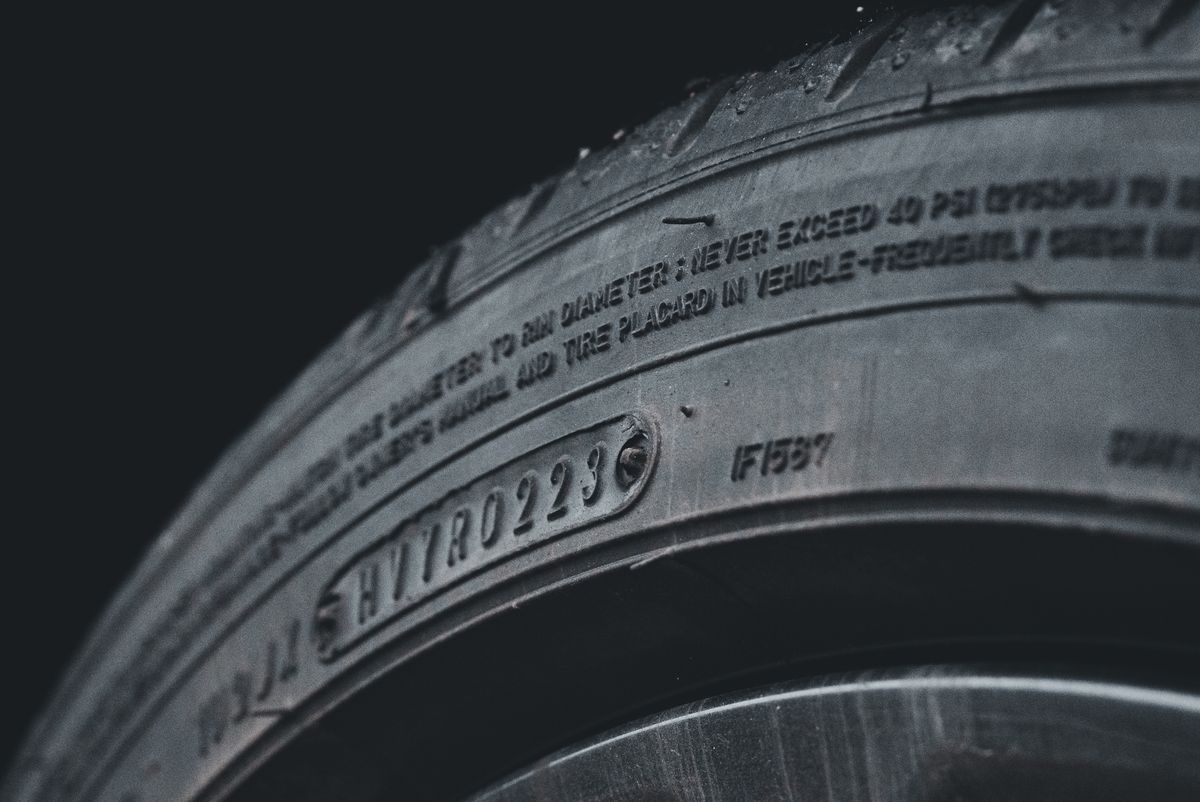
Here's the fact that surprises most RV owners: tires age out before they wear out. An RV tire with plenty of tread can still be dangerously old. Most tire and RV manufacturers recommend replacing tires at 6 to 7 years regardless of mileage, because the rubber compounds break down over time—a process accelerated by sun, ozone, and long periods of sitting.
To find your tire's age, read the DOT date code on the sidewall. The last four digits tell you the week and year of manufacture: "2621" means the 26th week of 2021. If your tires are pushing six years old, start budgeting for replacement even if they look great. If you don't know their age at all, that's your sign to go check right now.
4. Inspect Tread and Sidewalls Regularly
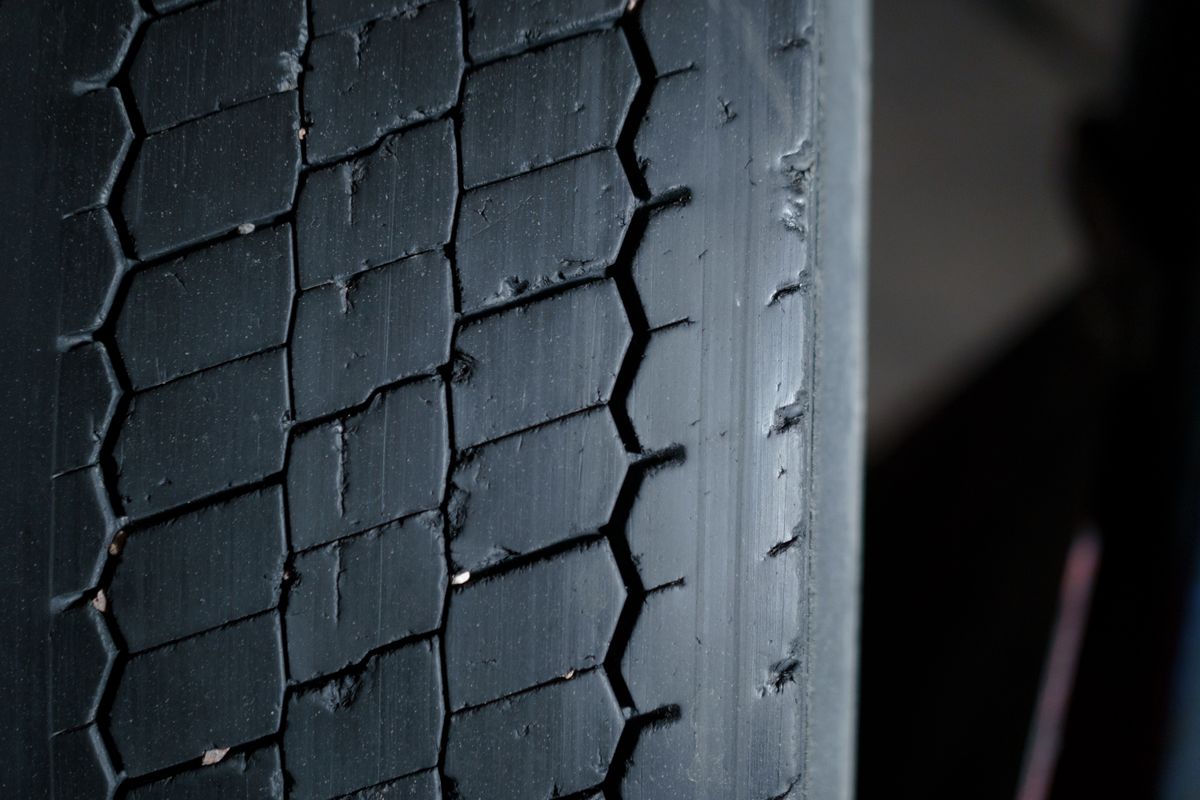
A five-minute walk-around before each trip catches most problems early. Get down and actually look at each tire, checking for:
- Cracking or "dry rot" — spider-web cracks in the sidewall or between tread blocks signal aging rubber.
- Uneven wear — a sign of alignment, balance, or chronic inflation issues.
- Bulges or blisters — these indicate internal damage and mean the tire should be replaced immediately.
- Embedded debris — nails, screws, and stones that can cause slow leaks.
- Low tread depth — less traction and a sign the tire is near the end of its life.
A dedicated tread depth gauge takes the guesswork out of that last check and gives you a precise reading you can track over time.

5. Protect Tires from Heat and Sun
UV rays and ozone are silent tire killers. When your RV sits for extended periods, sunlight degrades the rubber and accelerates dry rot—which is why tires on the sunny side of a stored rig often fail first. Combat this with a few easy habits:
- Use tire covers whenever the RV is parked for more than a few days.
- Park on a barrier (wood or a tire pad) rather than directly on hot asphalt or bare ground.
- Keep tires clean; avoid petroleum-based dressings that can degrade rubber.
- For long-term storage, keep tires properly inflated and, if possible, move the rig occasionally so the same spot isn't loaded for months.
6. Drive Smart to Keep Temperatures Down
How you drive directly affects tire temperature. Most RV tires carry a speed rating around 65 mph, and pushing past it—especially on hot pavement with a heavy load—drives heat up fast. On long hauls, build in stops to let tires cool, and use them to do a quick hand check: a tire that's noticeably hotter than its neighbors is telling you something is wrong. A tire-pressure monitoring system (TPMS) that reads pressure and temperature in real time is one of the best safety upgrades an RVer can make.
What to Do If a Blowout Happens
Even with perfect maintenance, know how to react. If a tire blows: do not slam the brakes. Grip the wheel firmly, keep the rig straight, and gently accelerate for a moment to maintain control. Then ease off the throttle gradually and coast to a slow stop on the shoulder. Braking hard during a blowout is what turns a survivable event into a rollover.
Roll On With Confidence
RV tire blowouts feel random, but they almost never are. Underinflation, overloading, and old rubber cause the overwhelming majority—and every one of those is something you can control with a gauge, a scale, a calendar, and a five-minute inspection. Build the routine, carry the right tools, and you'll spend your travel days enjoying the view instead of watching the shoulder.
Gear up with JACO's full range of professional tire pressure gauges and portable inflators to keep every tire on your rig trip-ready.