
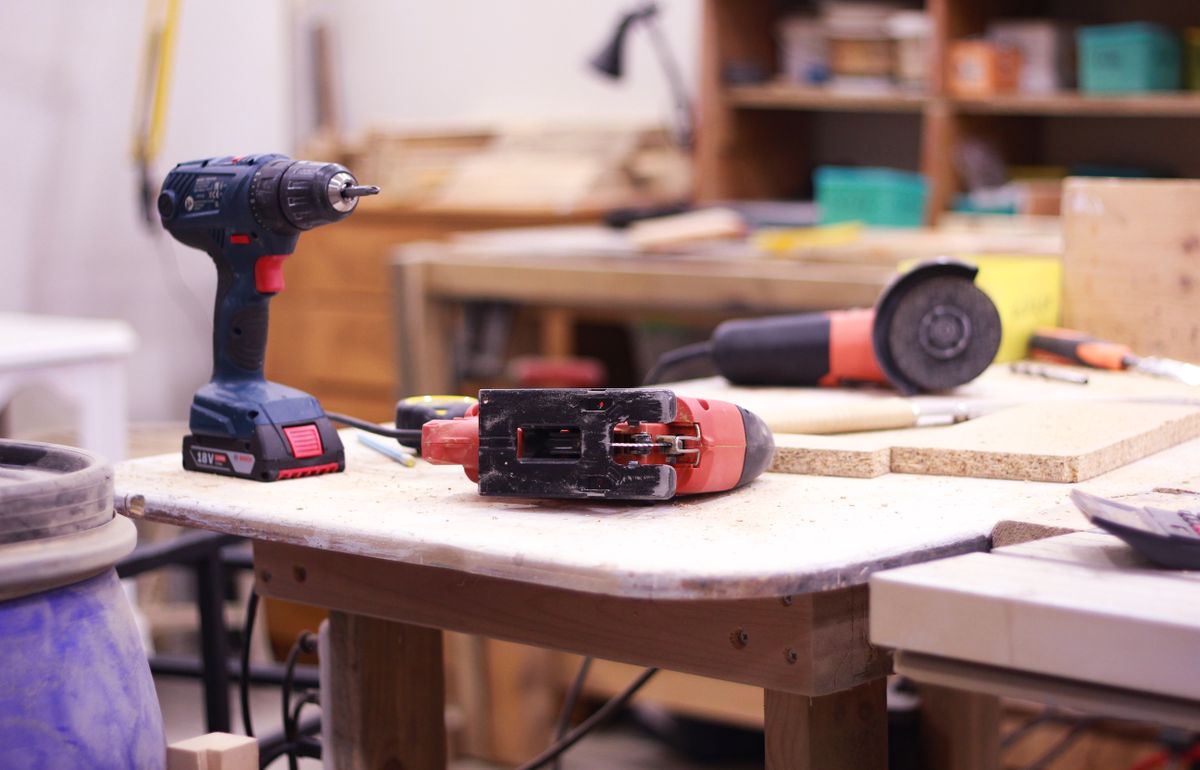
Walk down any tool aisle and you'll feel the pull: rows of sleek cordless kits promising freedom, right next to corded workhorses that cost half as much. If you're building out a home garage, the "cordless vs. corded" question shows up on almost every purchase — drills, impact wrenches, sanders, grinders, inflators, the works. And the honest answer isn't "cordless always wins." It's "it depends on the tool and how you use it."
This guide breaks down where cordless is worth the premium, where corded still earns its keep, and how to build a smart garage without overspending on batteries you'll never fully use.
The Real Difference: Power Delivery vs. Convenience
At the core, this is a trade-off between two things: freedom of movement and uninterrupted power.
Corded tools pull continuous voltage straight from the wall. That means consistent output from the first second to the last, no runtime limit, and no battery to charge or replace. The catch is obvious — you're tethered to an outlet and, often, an extension cord.
Cordless tools trade that tether for a battery. Modern 18V and 20V lithium-ion packs are dramatically better than the old NiCad bricks, but they still have finite runtime, they lose a bit of peak power as they drain, and the batteries themselves are a real chunk of the cost.
Here's the part most buyers miss: with cordless, you're buying into a battery platform, not just a tool. Once you own a few batteries and a charger from one brand, every additional bare tool gets cheaper. That ecosystem lock-in is exactly why cordless can be a great value — or an expensive trap.
Where Cordless Is Worth the Premium
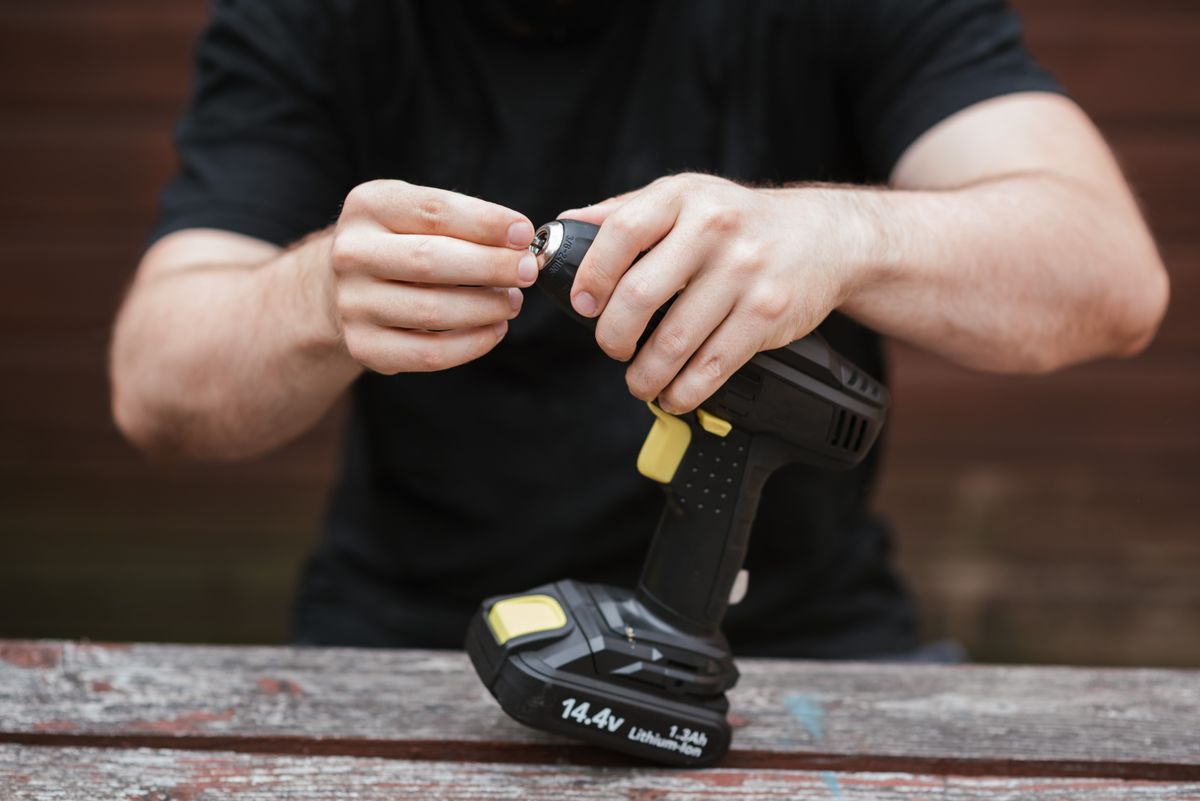
Some tools are so much better cordless that the price gap is easy to justify:
- Drills and impact drivers. These are the poster children for cordless. You move around constantly, work in awkward spots, and rarely run them long enough to drain a battery. A cordless drill/driver is the first tool almost everyone should own.
- Impact wrenches. For rotating tires, pulling wheels, or general automotive work, a cordless impact means no dragging an air hose or compressor around the garage. Torque numbers on modern brushless models rival mid-tier air tools.
- Tire inflators and portable air. A cordless inflator lives in the trunk and works in a parking lot, a trailhead, or the driveway — no outlet required. This is one category where "cordless" isn't a luxury, it's the entire point.
- Anything you carry outside. Leaf blowers, trimmers, and job-site tools where an outlet simply isn't nearby.
The common thread: intermittent use and frequent movement. If a tool spends more time being repositioned than actually running, cordless pays off.

Where Corded Still Wins
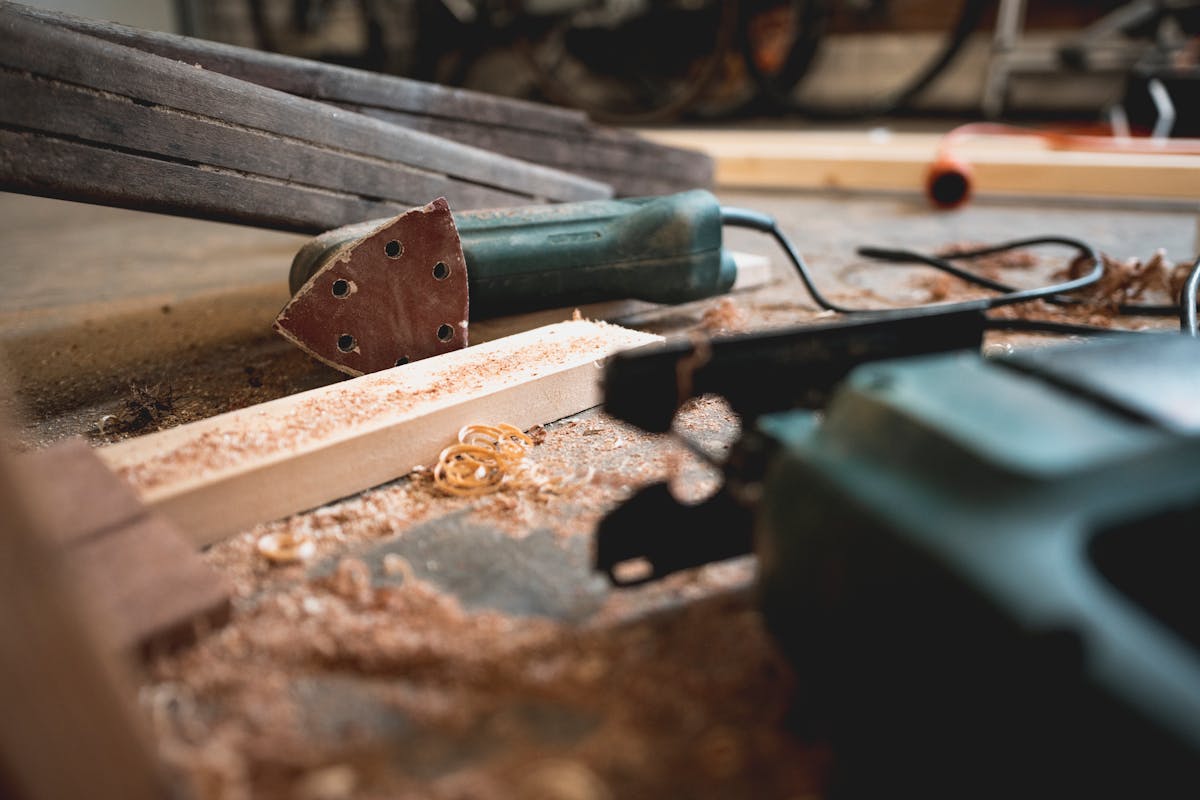
Cordless has closed the gap, but corded tools still make more sense for a few jobs:
- High-draw, long-run tools. Table saws, benchtop grinders, air compressors, and shop vacs run for extended stretches at high power. Batteries drain fast under that load, and the corded versions are cheaper and more powerful for the money.
- Sanders and routers. Sustained, high-RPM work eats batteries quickly. If you sand or rout for more than a few minutes at a time, a corded model stays cooler and never quits mid-pass.
- Stationary bench tools. If a tool lives bolted to a bench near an outlet, the cord is a non-issue — and you avoid paying the battery tax entirely.
- Budget builds. When you need capability now and cash is tight, corded delivers more raw performance per dollar.
The pattern here mirrors the cordless one: continuous, high-power, stationary use favors a cord.
The Hidden Cost: Batteries and Platforms
A bare cordless drill might be $60. The same drill in a kit with two batteries and a charger? $150 or more. That's not the tool being expensive — that's the batteries. Lithium-ion packs typically account for a big share of any cordless kit's price.
They also don't last forever. Expect several years of regular use before capacity noticeably drops, and factor eventual replacement into your budget. This is why committing to one battery platform is the single smartest money move in cordless: buy your first kit with batteries, then add bare tools that share those packs. Spreading purchases across three brands means three chargers, three battery types, and a lot of wasted cash.
How to Build a Smart Garage Without Overspending

A practical approach that keeps quality high and spending sane:
- Go cordless on the movers. Drill/driver, impact driver, impact wrench, and a portable inflator. Pick one battery platform and stick with it.
- Go corded on the anchors. Bench grinder, shop vac, air compressor, and any sander or saw that lives in one spot.
- Don't pay for runtime you won't use. A homeowner doing weekend projects rarely needs the biggest, highest-Ah battery kit. Mid-tier is usually plenty.
- Buy the tool for the job, not the marketing. "More voltage" doesn't automatically mean better — a well-built 20V brushless tool often outperforms a cheap higher-voltage one.
For automotive and trail work specifically, cordless shines because so much of it happens away from an outlet. A cordless impact for wheel work and a portable inflator for tire pressure cover the two most common garage-and-driveway tasks without a single cord. Pair that with an accurate reader like one from our tire pressure gauge collection, and routine maintenance gets a whole lot faster. Browse the full lineup of JACO tools and accessories to round out your setup.
The Bottom Line
Cordless isn't universally "better," and corded isn't automatically "cheaper and stronger." The right call comes down to how a tool is used: reach for cordless when you move around and run in bursts, and corded when you're planted and running long and hard. Commit to one battery platform, spend on the tools that actually benefit from freedom, and let the wall handle the rest. Do that, and you'll build a garage that's both capable and easy on the wallet.