
Few things ruin a road trip faster than warm drinks and a soggy sandwich swimming in melted ice. Whether you're chasing a long holiday weekend, a camping loop, or a cross-country haul, keeping your food and drinks genuinely cold is part gear, part strategy. And the "best" way depends entirely on how long you're gone, how much power you have, and how much you want to spend.
Below we break down the three real options road trippers rely on — the classic cooler, the 12V portable fridge, and good old dry ice — then cover how to pack, secure, and prep so your food stays safe from the driveway to the destination.
The Three Ways to Keep Food and Drinks Cold
Every cooling method comes down to a tradeoff between cost, convenience, and how long it holds temperature. Here's the short version before we dig into each:
- Coolers with ice — cheapest, simplest, work anywhere. Best for trips up to a few days.
- 12V portable fridges — set-it-and-forget-it cold, no ice, no draining. Best for multi-day and overlanding trips where you have power.
- Dry ice — extreme cold that keeps things frozen for days. Best for hauling frozen food or extending a cooler's life — with some safety caveats.
Coolers: The Reliable Standby

The humble cooler is still the go-to for a reason: it's affordable, needs zero power, and works the moment you drop ice in it. But not all coolers are created equal.
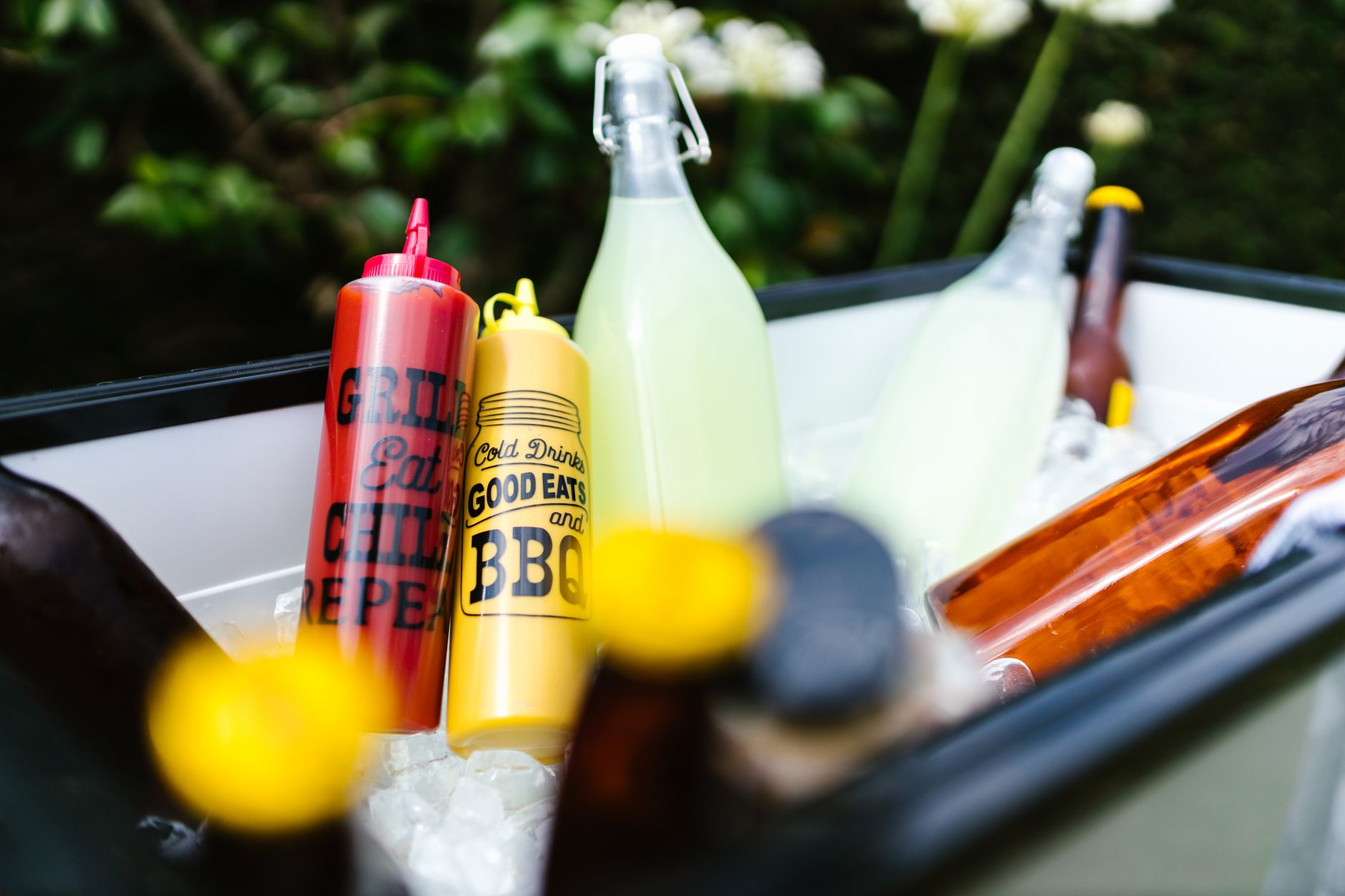
Soft coolers are light and packable, perfect for a day at the lake or a short drive, but they typically hold cold for only 12–24 hours. Hard-sided "roto-molded" coolers (think YETI, RTIC, and similar) use thick insulation and gasketed lids to hold ice for 4–7 days when packed well. If you road trip often, a quality hard cooler pays for itself.
A few rules stretch your ice dramatically:
- Pre-chill the cooler the night before with a sacrificial bag of ice — a warm cooler melts your good ice fast.
- Block ice beats cubes. Larger frozen masses melt slower. Freeze water in jugs or use gel packs alongside cubes.
- Keep it full. Empty air space melts ice faster than packed contents. Fill gaps with extra ice or towels.
- Two-cooler system: one for drinks (opened constantly) and one for food (opened rarely). Every time you lift the lid, you lose cold.
12V Fridges: The Game-Changer for Serious Road Trippers
If you've never used a 12V portable fridge/freezer, they feel like magic the first time. Plug one into your vehicle's 12V socket or a portable power station and it holds a set temperature indefinitely — no ice, no meltwater, no soggy food. Many can even run as a freezer.
The upsides are huge for multi-day trips: consistent temperature, more usable space (no ice taking up half the box), and food that stays genuinely cold rather than "cool-ish." The downsides are cost (quality units run several hundred dollars) and power draw — you'll want a secondary battery, a solar setup, or a portable power station so you don't drain your starting battery overnight.
For overlanders, van-lifers, and anyone doing week-long trips, a 12V fridge is often the single best comfort upgrade you can make. For a weekend at the campground, a good cooler is usually plenty.
Dry Ice: The Deep-Freeze Option
Dry ice — frozen carbon dioxide at about −109°F — is the heavy hitter when you need things to stay frozen, not just cold. A properly packed cooler with dry ice can hold frozen food for 2–3 days, making it ideal for hauling meat to a remote campsite or extending a long trip.
It comes with real safety rules, though:
- Never handle it bare-handed — it causes instant frostbite. Use gloves or a towel.
- Never seal it airtight. As it sublimates it releases CO₂ gas, which can build dangerous pressure or displace oxygen. Coolers vent slightly, which is good — keep it that way.
- Ventilate your vehicle. Crack a window if you're carrying dry ice in the cabin. Never sleep in a closed vehicle with it.
- Place it on top of your food, since cold air sinks. Combine with regular ice below for the best of both.
For most weekend trips dry ice is overkill, but for hauling frozen goods or a genuinely long haul, nothing else keeps up.
How to Pack So It Actually Stays Cold
The method matters as much as the gear. Regardless of what you use, these habits keep your food safe and your ice lasting:
- Freeze what you can beforehand — frozen water bottles double as ice and become drinking water later.
- Layer strategically: ice on the bottom, food you'll eat last near the bottom, drinks and snacks on top.
- Keep raw meat sealed and separate to avoid cross-contamination as ice melts.
- Store the cooler in the cabin, not a hot trunk when possible — a 130°F trunk is your ice's worst enemy.
- Drain and re-ice at gas stops on longer trips rather than letting warm meltwater sit.
Food safety isn't just about comfort. Perishables should stay below 40°F — above that, bacteria multiply fast. When in doubt on a hot trip, a cheap fridge thermometer tossed in the cooler removes the guesswork.
Securing Your Cooler or Fridge for the Drive
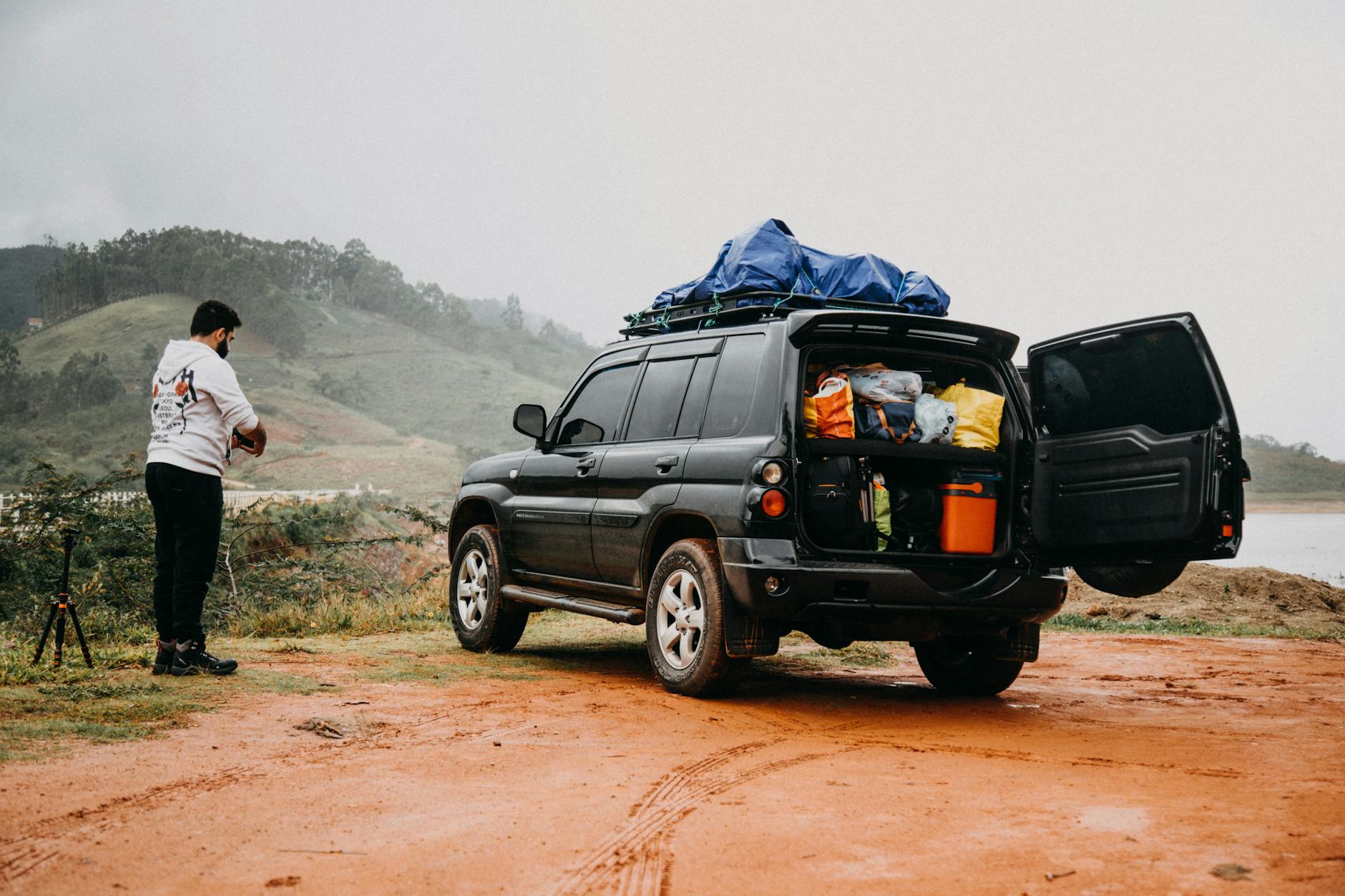
A loaded cooler can weigh 40–60 pounds, and a 12V fridge is a genuine investment — the last thing you want is either one sliding around a truck bed or tumbling in the cargo area during a hard stop. An unsecured cooler is both a damage risk and a safety hazard for everyone in the vehicle.
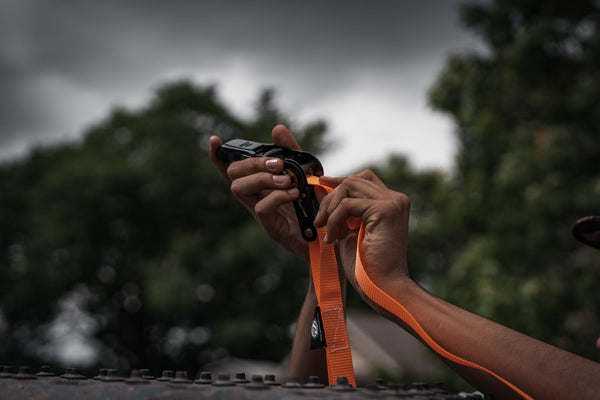
A pair of quality ratchet straps locks everything down so it rides exactly where you packed it. Anchor the cooler or fridge to the bed tie-downs or cargo hooks, cinch it snug, and you'll never hear it shift again — no matter how rough the forest-service road gets.

Don't Forget the Rest of Your Trip Prep
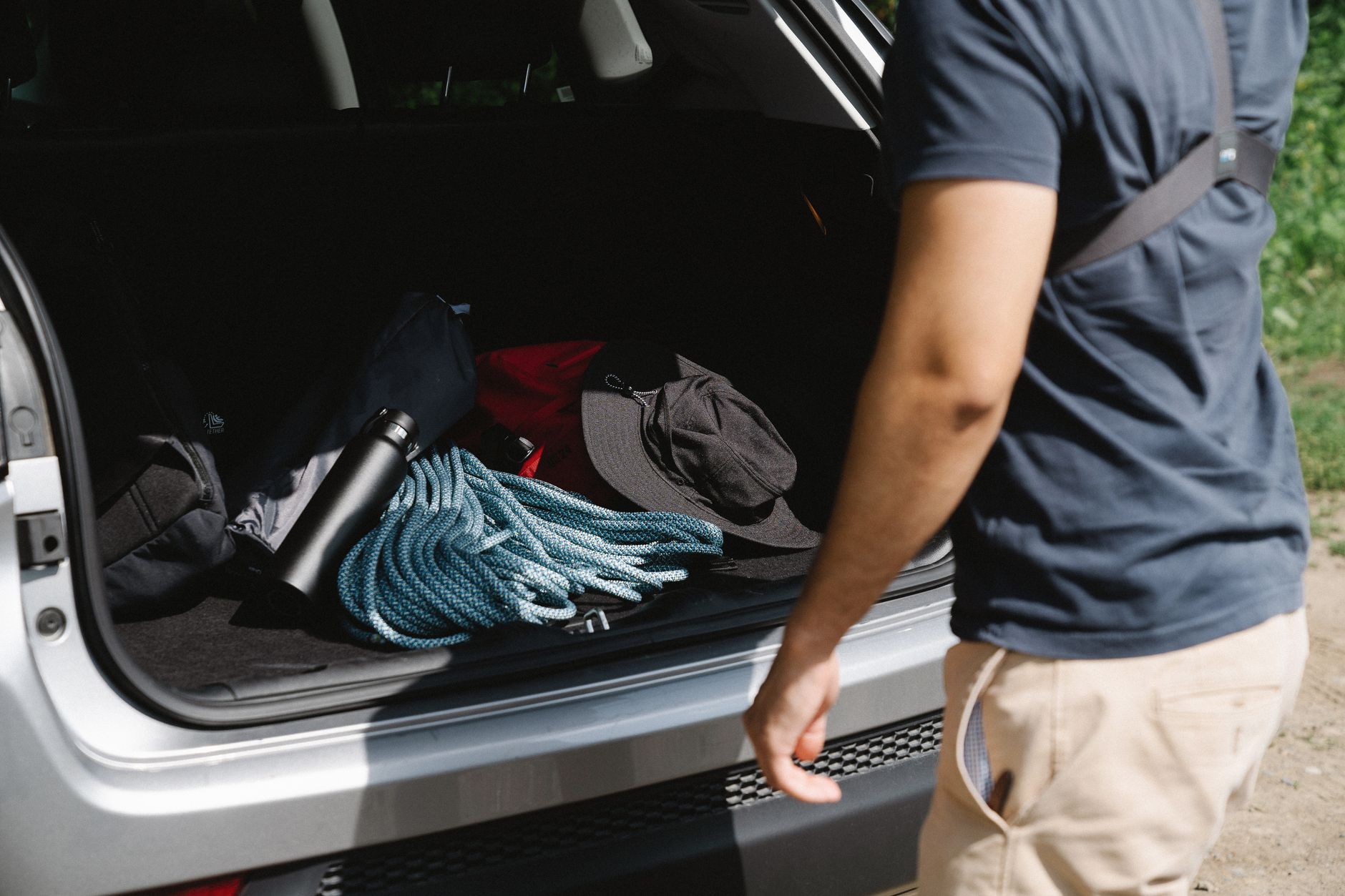
Keeping food cold is only one piece of a smooth trip. Before you pull out of the driveway, run through the basics: check your tire pressure (heat and heavy loads both change it), top off fluids, and make sure your recovery and inflation gear is packed. A quick pre-trip tire check with a reliable tire pressure gauge and a portable cordless inflator means you're covered if you need to air up before the drive home.
If you're hauling gear on a trailer or in a truck bed, our guide to tie-down methods covers anchor points and tensioning in more detail.
So Which Should You Use?
Here's the simple decision: for a day trip or weekend, a good cooler with block ice and smart packing is all you need. For multi-day trips where you have power, a 12V fridge is the comfort upgrade worth every penny. And for hauling frozen food or stretching a long haul, dry ice — handled safely — keeps things frozen when nothing else can.
Whatever you choose, pack smart, secure your load, and give your vehicle a quick once-over before you go. Cold drinks at the destination are a small thing that makes the whole trip better. Safe travels, and enjoy the road.