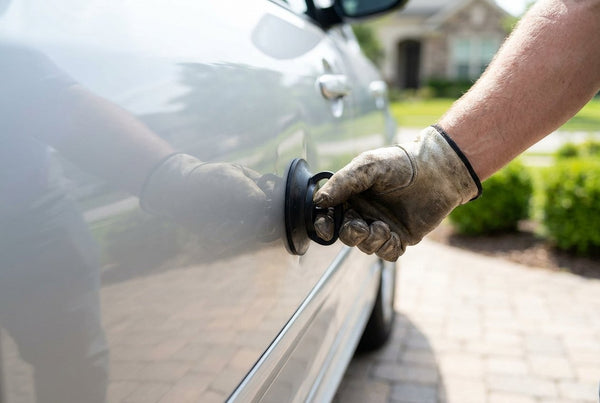


Most people buy an air compressor for one reason: topping off the tires. Then it sits in the corner of the garage, gathering dust between road trips. That's a shame, because a compressor is one of the most versatile tools you can own. Once you start thinking of it as a portable source of pressurized air rather than a "tire thing," a whole list of home projects opens up—from finishing furniture to clearing a clogged sprinkler line.
Here's the truth: that compressor in your trunk or on your workbench can handle 20-plus jobs around the house. Below, we'll walk through the most useful ones, the attachments you'll need, and a few safety basics so you get the most out of the air you already paid for.
First, Know Your Compressor's Limits
Before you go wild, understand what your compressor can actually do. Two numbers matter most:
- PSI (pounds per square inch): How much pressure the unit can build. Most portable and pancake compressors top out around 100–150 PSI—plenty for household tasks.
- CFM (cubic feet per minute): How much air volume the unit delivers at a given pressure. This is the number that decides whether you can run air tools continuously. Inflation and blow-off jobs need very little CFM; spray guns and sanders need a lot.
A small portable inflator is perfect for low-volume tasks (inflating, blowing out, cleaning). A larger tank compressor with higher CFM is what you want for continuous-duty air tools like paint sprayers and grinders. Match the job to the machine and you'll avoid the frustration of a compressor that can't keep up.
Inflation: Way Beyond Car Tires
Inflation is the gateway use, but it doesn't stop at your vehicle. With the right chuck or needle adapter, your compressor can air up:
- Sports balls (basketballs, soccer balls, footballs)
- Pool floats, inner tubes, and inflatable kayaks
- Air mattresses for guests or camping
- Bike tires, wheelbarrow tires, and lawnmower tires
- Beach toys and kiddie pools
The key is controlling pressure. A pool float needs a gentle puff; an air mattress can split if you blast it at 100 PSI. This is where a compressor with an accurate built-in gauge earns its keep—you dial in exactly what you need instead of guessing and popping things.
For low-pressure recreation items, keep your finger light on the trigger and stop early. You can always add a little more; you can't un-pop an inner tube.

Powering Air Tools for DIY Projects
This is where a compressor transforms from a convenience into a genuine workshop powerhouse. If you've got enough CFM, you can run a whole family of pneumatic tools that are cheaper, lighter, and often more durable than their electric cousins.
Nail Guns and Staplers
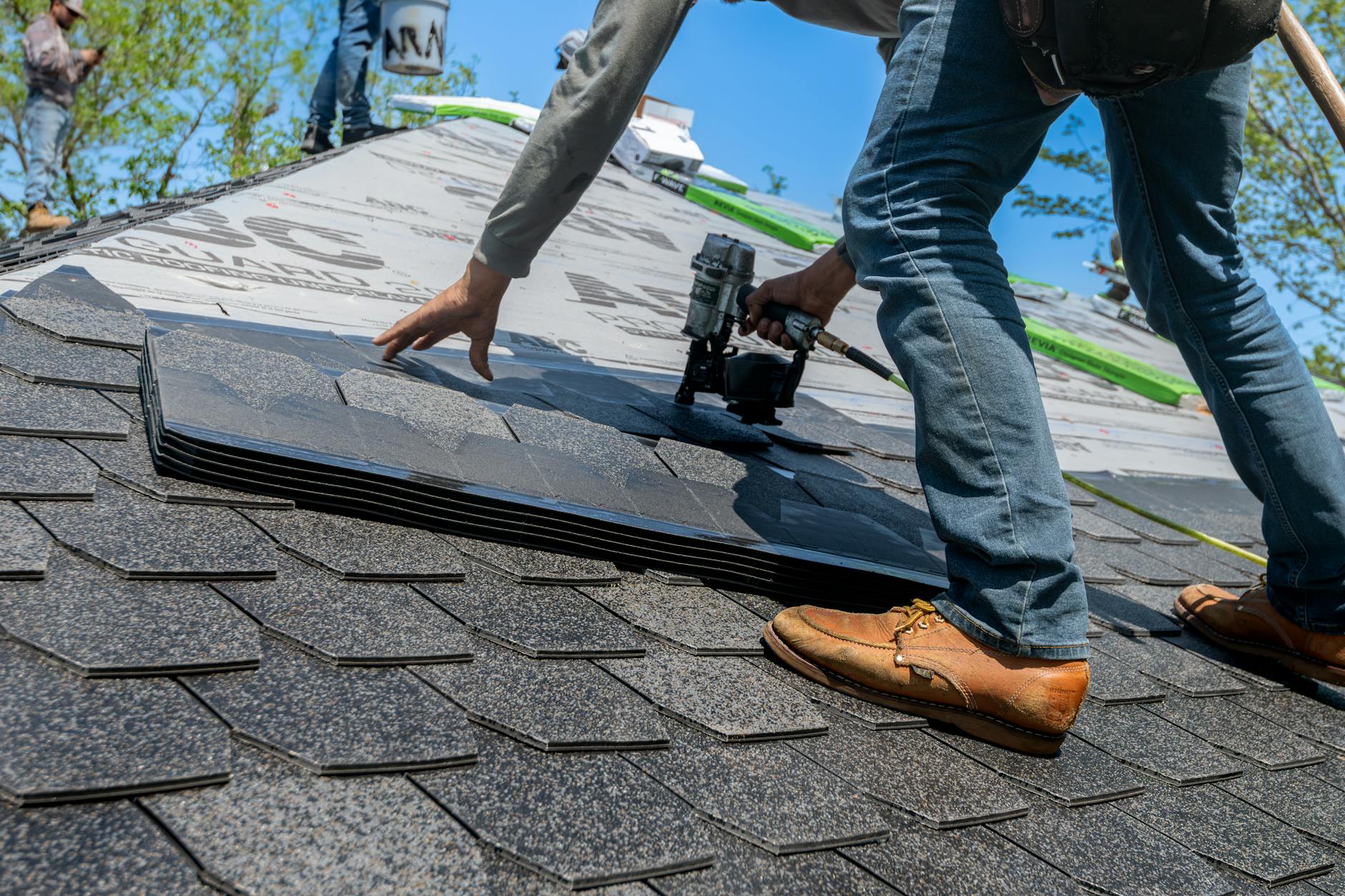
Brad nailers, finish nailers, framing nailers, and staplers all run on compressed air. If you're building a deck, installing trim, assembling a workbench, or reupholstering a chair, an air nailer drives fasteners flush in a fraction of the time it takes to hammer them—and with far less risk of bending nails or denting wood. For homeowners tackling weekend carpentry, this single capability often justifies the compressor.
Paint and Finish Spraying

An air-powered spray gun lays down a smooth, even finish that brushes and rollers can't match—perfect for refinishing furniture, painting cabinet doors, or staining a fence. Spraying is one of the more CFM-hungry tasks, so check that your compressor can sustain the gun's air demand. Work in a ventilated space, wear a respirator, and practice on cardboard before hitting the real piece.
Other Air Tools Worth Owning
- Impact wrenches and ratchets for automotive work and stubborn bolts
- Die grinders and cut-off tools for metalwork
- Orbital sanders for furniture and bodywork
- Blow guns for clearing debris (more on that next)
Cleaning and Blow-Off Jobs
A blow gun attachment turns your compressor into a precision cleaning tool. A focused jet of air gets into places a rag or vacuum never could:
- Blowing sawdust off a workbench and out of tool vents
- Cleaning grass and debris from under a lawnmower deck
- Clearing dust from computer keyboards, fans, and electronics (use low pressure and short bursts)
- Drying parts after washing them
- Knocking cobwebs and dust out of garage corners
One safety note: never point a blow gun at skin, eyes, or another person. Compressed air can cause serious injury. Wear eye protection—debris flies back at you fast.
Seasonal and Outdoor Tasks
Your compressor is a seasonal MVP, too. In fall, it's the easiest way to winterize an irrigation system—blowing water out of sprinkler lines prevents freeze damage that can crack pipes and cost hundreds to repair. The same trick works for blowing out garden hoses, RV water lines, and outdoor faucets before the first freeze.
In summer, it makes quick work of inflating pool toys, paddleboards, and floats so the kids aren't waiting around while you huff into a valve.

To reach those outdoor projects without dragging the whole compressor across the yard, a long, flexible air hose is the unsung hero of any setup. It keeps the noisy unit parked in one spot while you work 30 or 50 feet away.

Must-Have Attachments and Accessories
The compressor is just the engine. These accessories unlock its full range:
- Quick-connect fittings: Let you swap between an inflator, blow gun, and nailer in seconds instead of wrenching fittings on and off.
- Air hose: A long, flexible hose extends your reach. Hybrid hoses resist kinks and stay supple in the cold.
- Inflation needles and tapered adapters: For sports balls, floats, and inflatables.
- Blow gun: The cleaning workhorse.
- Air chucks and gauges: For accurate tire and equipment inflation.
Investing in a quality set of air fittings and accessories is what separates a compressor that lives in the corner from one you reach for every weekend.
Safety Basics You Shouldn't Skip
Compressed air is powerful, and a little caution goes a long way:
- Wear eye protection for any blow-off or air-tool work.
- Never aim air at people or yourself—it can force air into the skin or bloodstream.
- Drain the tank after use to prevent rust and moisture buildup.
- Check pressure ratings on whatever you're inflating; don't exceed them.
- Use the right CFM for air tools so you're not starving the tool and overheating the motor.
The Bottom Line
An air compressor isn't a single-purpose gadget—it's a portable power source that earns its place in any garage. From inflating the kids' pool toys to refinishing a dresser, driving trim nails, and winterizing your sprinklers, the same machine handles dozens of jobs once you pair it with the right attachments. So the next time you reach for it to top off a tire, remember: you're holding one of the most useful tools in the house. Put it to work.