
Every fall, millions of drivers share the road with an unpredictable hazard that appears out of nowhere and disappears just as fast. From September through November, deer are on the move — and that puts them squarely in the path of your vehicle. Deer strikes spike dramatically during these three months, and the results range from a heart-stopping near-miss to thousands of dollars in damage or worse.
The good news: deer collisions are largely predictable and preventable once you understand when, where, and why they happen. Here's how to cut your risk this deer season and what to do if a collision becomes unavoidable.
Why Deer Season Peaks in Fall
There's a reason your local news runs a "watch for deer" segment every October. Two overlapping factors drive the autumn surge in deer activity:
- Breeding season (the rut): From mid-October into November, bucks are chasing does and paying zero attention to traffic. A deer in rut will bolt across a highway without hesitation.
- Shorter days: As daylight saving time ends and dusk arrives during evening rush hour, peak deer movement now overlaps with peak commuter traffic. You're driving in the dark at exactly the hours deer are most active.
Insurance data consistently shows November as the single worst month for animal collisions, with October and December close behind. The window from sunset to midnight, and again in the pre-dawn hours, accounts for the majority of strikes.
Know the High-Risk Zones
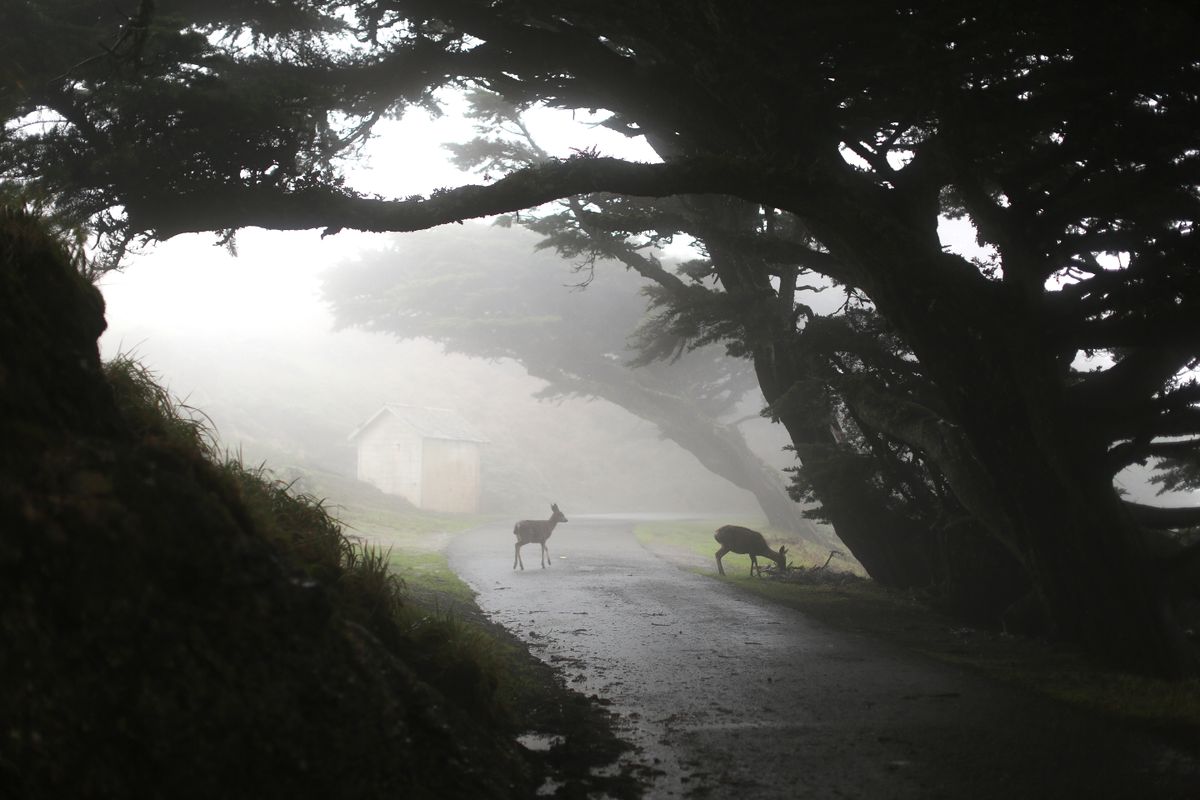
Deer don't appear randomly. They travel established corridors between bedding and feeding areas, and certain road features dramatically raise your odds of an encounter.
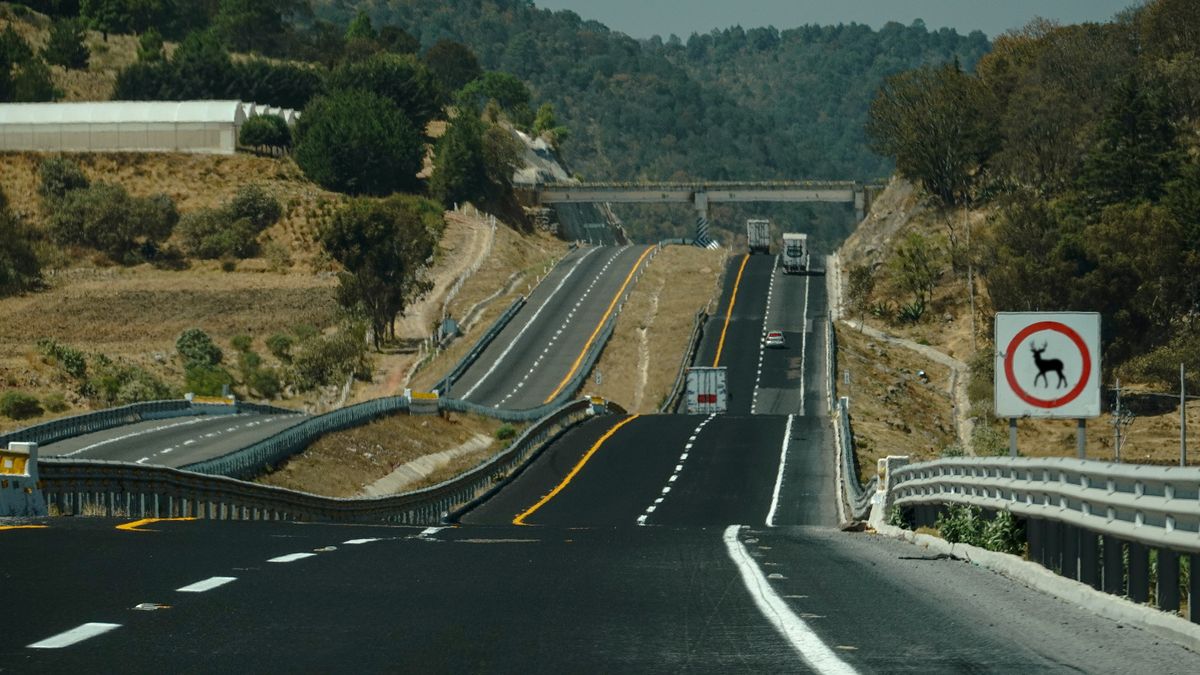
Pay extra attention when you see:
- Deer crossing signs. They aren't decorative — they mark documented crossing corridors where strikes have happened before.
- Wooded edges and field lines. The transition between forest and open ground is prime deer habitat.
- Water sources. Creeks, ponds, and rivers near roads draw deer, especially at dawn and dusk.
- Curves and hillcrests. Anywhere your sightline is short gives you less time to react.
Defensive Driving Habits That Work
Prevention comes down to buying yourself reaction time. These habits do exactly that:
Slow down at dawn and dusk
The single most effective change is reducing speed during the low-light hours. Lower speed means shorter stopping distance and more time to spot movement at the road's edge. If you regularly drive rural routes in the fall, ease off well before you think you need to.
Use your high beams whenever possible
On dark rural roads with no oncoming traffic, high beams roughly double your visible distance and make a deer's eyes reflect brightly — often your first and only warning. Switch back to low beams for oncoming cars, then flip them up again.
Scan the shoulders, not just the lane
Deer come from the sides. Sweep your eyes across the ditches and treelines ahead rather than fixating on the centerline. Watch for the telltale glow of eyeshine reflecting your headlights.
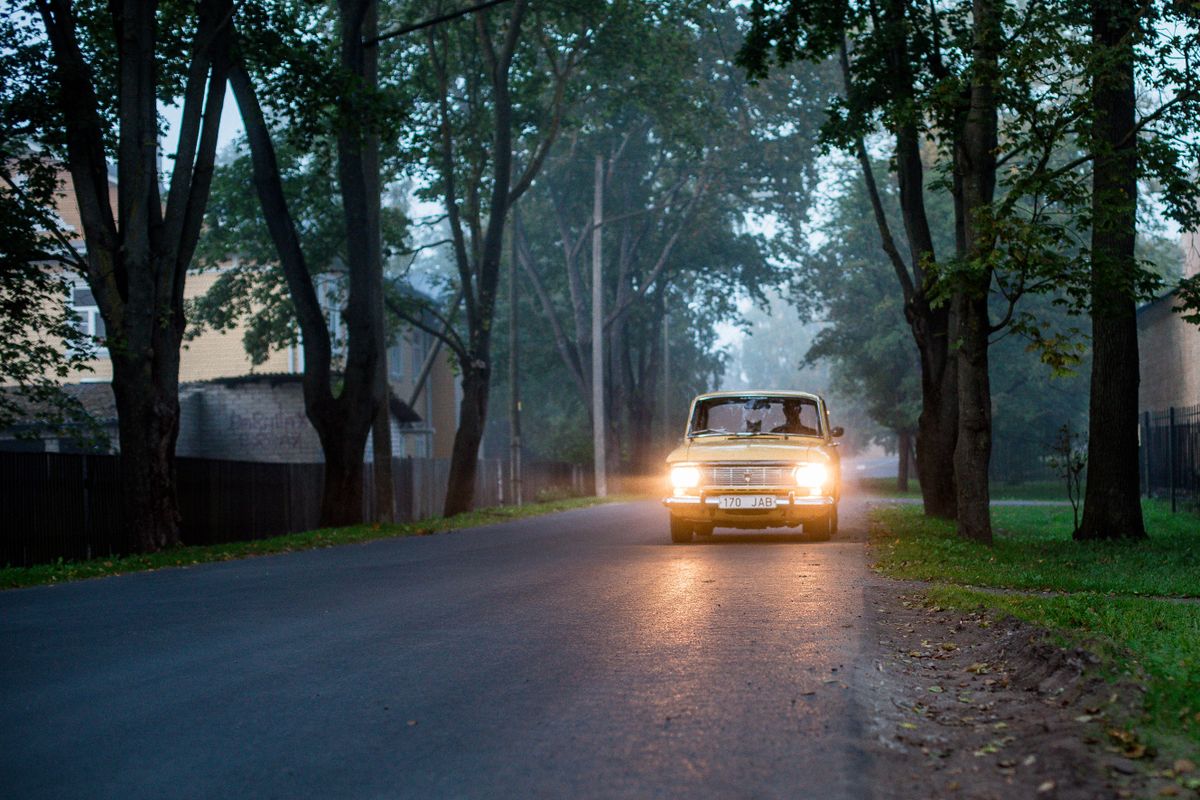
Remember: deer travel in groups
If one deer crosses in front of you, assume more are following. Does move with fawns, and during the rut bucks trail does. Slow down and stay alert after the first one clears — the second is often the one that gets hit.
Buckle up and mind the horn
Seat belts are your best protection in any collision. A long blast of the horn can sometimes startle a deer off the road, though it's no substitute for slowing down.
If a Collision Is Unavoidable: Don't Swerve
This is the counterintuitive rule that saves lives: do not swerve to miss a deer. Swerving is how a survivable animal strike turns into a fatal one — drivers veer into oncoming traffic, roll into a ditch, or hit a tree or utility pole.
Instead:
- Brake firmly and stay in your lane.
- Grip the wheel with both hands and hold your line.
- Ease off the brake just before impact if you can — this lets the front end rise slightly and reduces the chance of the deer coming through the windshield.
A controlled straight-line stop with a deer is almost always more survivable than an uncontrolled swerve into a fixed object.
Be Ready for the Aftermath
Even a glancing deer strike can leave you stranded on a dark shoulder with a damaged bumper, a cracked headlight, or a tire punctured by debris. Rural roads are exactly where cell service is spotty and help is far away — so a little roadside readiness goes a long way.
Keep a basic emergency kit in your vehicle through deer season: a flashlight or headlamp, reflective triangles or flares, a first-aid kit, and a way to reinflate a tire that's lost air from road debris. A compact cordless inflator means a slow leak doesn't turn into a night stuck on the shoulder.

If you do hit a deer, pull over safely with your hazards on, stay in the vehicle if you're in a traffic lane, and call the police — a report helps with insurance and gets a hazard removed from the road. Don't approach an injured animal; a frightened, wounded deer can hurt you badly.
The Bottom Line
Deer strikes aren't just bad luck — they follow patterns you can plan around. Slow down at dawn and dusk, use your high beams, scan the shoulders, expect more than one deer, and never swerve. Add a stocked emergency kit for the fall months and you've covered both prevention and the worst case. A little extra caution from September through November is the cheapest insurance you'll buy all year.
For more seasonal driving and vehicle-prep guides, browse the JACO blog, and check out our full lineup of tire inflators and vehicle tools to keep your rig road-ready this fall.