
It's 0°F, you're late, and you turn the key. The engine groans, cranks slowly, and maybe catches on the third try. Or maybe it doesn't. Cold starts are hard on batteries, starters, and engines, and every winter thousands of drivers learn that the hard way in a dark driveway.
The good news is that a few inexpensive habits and one underrated tool, the engine block heater, make cold-start problems mostly preventable. Here's what actually helps gas and diesel trucks start when the temperature drops below zero, and what's just folklore.
Why Engines Hate Cold Starts
Three things work against you when the thermometer bottoms out:
- Thick oil: Cold oil flows slowly, so the starter has to work harder to turn the engine, and it takes longer for oil to reach bearings and the valvetrain. Most engine wear happens in the first moments after a cold start.
- A weaker battery: Battery chemistry slows down in the cold. A battery can lose roughly a third of its cranking power at freezing and more than half by 0°F, right when the engine needs more power to turn over.
- Poor fuel vaporization: Gasoline doesn't atomize well in a cold cylinder, and diesel relies on heat from compression to ignite, which is harder to reach when the engine block is frozen.
Everything below targets one or more of those three problems.
What an Engine Block Heater Actually Does
An engine block heater is a small electric heating element that warms the engine coolant (or the block itself) while the vehicle is parked. You plug it into a standard household outlet, and it keeps the engine much warmer than the outside air.
The benefits are real:
- Easier, faster cranking because the oil is warmer and thinner
- Less wear during the first minute of running
- Heat from the vents sooner, which also means faster windshield defrosting
- Less time idling to warm up, which saves fuel
Many trucks sold in cold regions, especially diesels, come with a block heater from the factory. Look for a folded plug tucked behind the grille or near the front bumper. If you find one, you already own one of the best cold-weather tools available.
Types of Engine Heaters
- Freeze-plug (core plug) heaters: Installed in place of a freeze plug on the block. Effective and common as factory equipment.
- Inline coolant heaters: Spliced into a heater hose to warm circulating coolant. Easier to install on many vehicles.
- Oil pan and dipstick heaters: Warm the oil directly. Useful as a supplement, especially on small engines and equipment.
- Battery warmers: Thin heated pads or blankets that keep the battery's chemistry working. Often paired with a block heater in very cold climates.
How Long to Plug In an Engine Block Heater
This is where most people waste electricity. You don't need to plug in all night. Most of the benefit comes in the first few hours, and for many vehicles, two to four hours before you leave is plenty. After that, the engine reaches a stable temperature and you're mostly paying to keep it there.
The easy fix is an outdoor-rated heavy-duty timer. Set it to switch on a few hours before you leave in the morning, and you get a warm engine without running the heater for ten-plus hours.
A few safety basics:
- Use a heavy-gauge, outdoor-rated extension cord, and keep it as short as practical.
- Inspect the cord and the heater plug for cracks or damage every season.
- Route the cord so it can't be pinched in a door or run over, and hang a reminder on the steering wheel so you don't drive off still plugged in.
Battery Care Is Half the Battle
A healthy engine won't start if the battery can't crank it. Before temperatures crash:
- Get it tested. Most auto parts stores will load-test a battery for free. Batteries older than three to five years are prime suspects.
- Clean the terminals. White or green corrosion adds resistance. A wire brush and a baking-soda-and-water mix take care of it.
- Check the cold cranking amps (CCA). If you're replacing a battery, meet or exceed your vehicle's CCA rating. Cold climates justify the higher number.
- Use a battery maintainer on vehicles that sit for days at a time. Short trips in winter often don't put back what the starter took out.
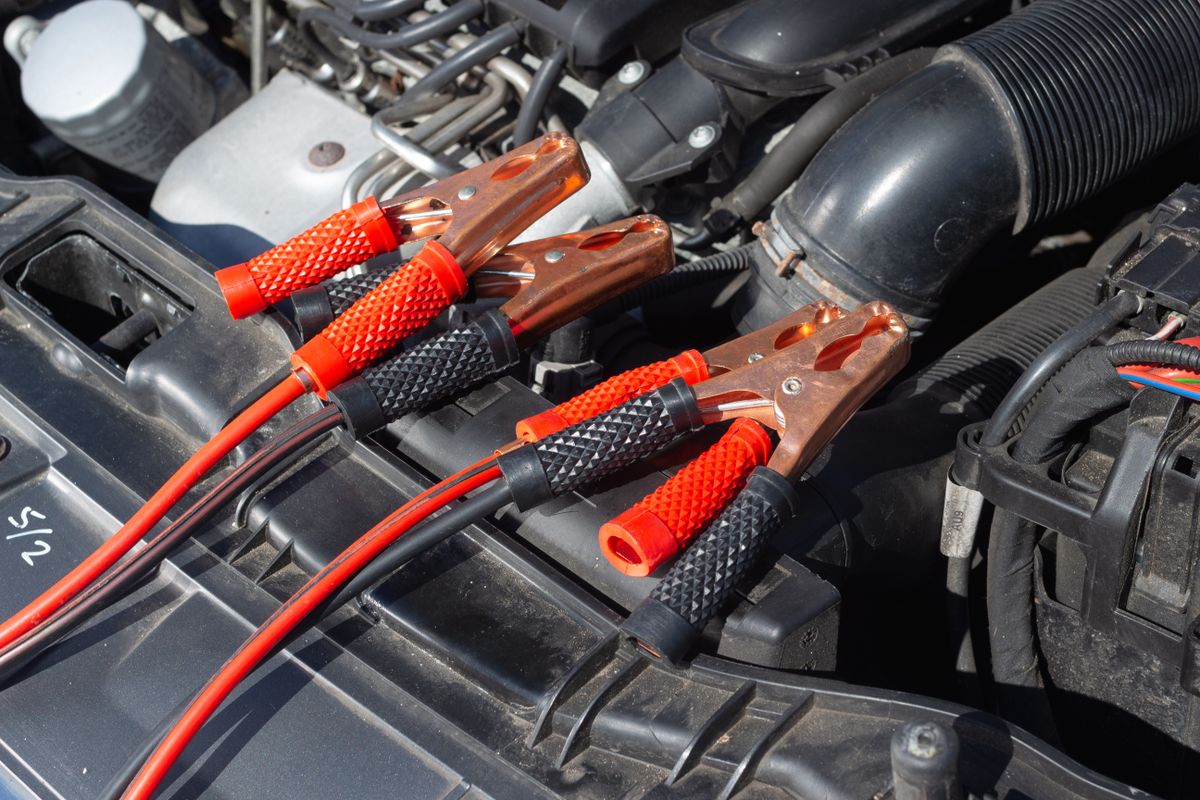
If you're heading out into the backcountry this winter, carry jumper cables or a portable jump pack, and check out our winter car emergency kit checklist for the rest of the gear worth keeping in your vehicle.
Choose the Right Oil for Cold Starts
The first number in a multigrade oil, the one before the "W," describes how the oil behaves in the cold. A 0W oil flows more easily at low temperatures than a 10W oil, which means quicker lubrication and easier cranking.
- Always start with the viscosity your owner's manual recommends. Many manuals list a cold-climate option.
- Full synthetic oils generally flow better in extreme cold than conventional oils.
- If you're due for an oil change in late fall, do it before winter so you aren't starting on old, contaminated oil.
Diesel Cold-Start Tips: Glow Plugs, Gelling, and Grid Heaters
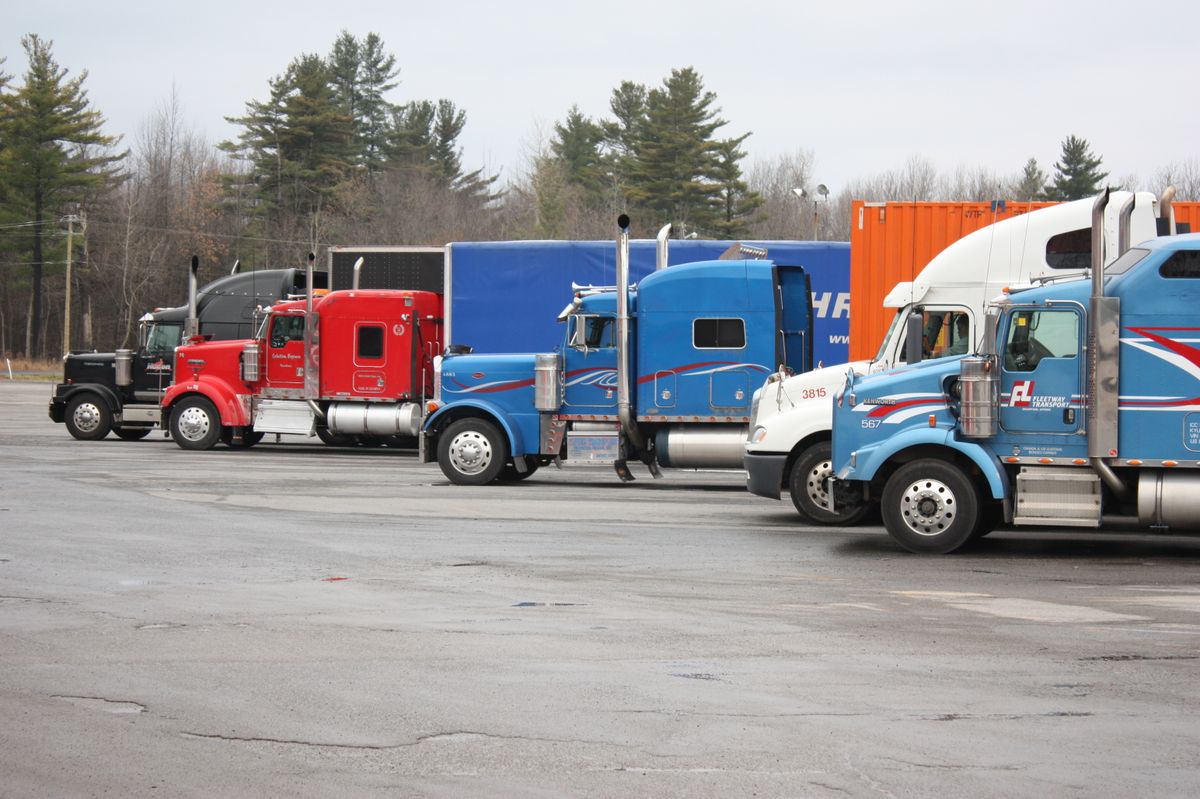
Diesel engines face extra cold-weather challenges, so diesel truck owners should pay attention to a few specifics:
Let the Glow Plugs (or Grid Heater) Cycle
Diesels use glow plugs or an intake grid heater to help ignition in the cold. When you turn the key to "on," wait for the wait-to-start light to go out before cranking. In very cold weather, some drivers cycle it twice. Cranking early just drains the battery.
Prevent Fuel Gelling
Diesel fuel contains paraffin wax that can begin to cloud and thicken as temperatures fall, eventually clogging the fuel filter. Fuel stations in cold regions typically sell a winter blend, but if you fill up somewhere warm and drive somewhere cold, you may be running summer fuel. A quality anti-gel additive, added at fill-up before the cold arrives, is cheap insurance.
Plug In
For diesels, the block heater isn't a luxury in sub-zero weather. Many diesel owner's manuals specifically recommend plugging in below a certain temperature. Check yours.
Cold-Start Myths: Idling, Pumping the Pedal, and Cranking
- Myth: You need to idle for 10 minutes. Modern fuel-injected engines warm up faster by being driven gently. Give it 30 seconds to a minute so oil circulates, then drive easy (no hard acceleration) until the temperature gauge starts climbing.
- Myth: Pump the gas pedal. That was for carbureted engines. On a fuel-injected vehicle, the computer handles it. Just turn the key.
- Myth: Keep cranking until it starts. Crank in short bursts of about 10 seconds or less, and wait a minute between attempts to let the starter cool and the battery recover.
One safety note: never warm up a vehicle in a closed garage, and make sure the tailpipe isn't blocked by snow when idling outside.
Don't Forget Your Tires on Cold Mornings

Your engine isn't the only thing that changes overnight. Tires lose roughly 1 PSI for every 10°F drop in temperature, so a truck set to spec on a mild fall afternoon can be several PSI low when it's 0°F the next morning. Underinflated tires mean less traction on snow and ice and more sidewall flex. Check them cold, before driving, and top them off to the pressure on your door-jamb sticker. Our guide on how cold weather affects tire pressure covers the details.

Your Cold-Start Checklist
Before the first deep freeze, run through this list:
- Find your block heater plug (or install one) and test it.
- Pick up an outdoor-rated extension cord and a heavy-duty timer.
- Load-test the battery and clean the terminals.
- Switch to the cold-weather oil viscosity your manual recommends.
- Diesel owners: add anti-gel and confirm you're running winter-blend fuel.
- Check tire pressure on the coldest mornings.
An engine block heater, a healthy battery, and the right oil turn a 0°F morning from a gamble into a routine. Set it up once, and your truck will thank you every winter. While you're getting ready for the season, browse our full lineup of tire and vehicle care tools.