
Electric vehicles have gone from curiosity to mainstream. Whether you're driving a Tesla Model 3, Rivian R1S, Ford F-150 Lightning, or Chevy Equinox EV, the open road is calling — and your EV is absolutely ready for it. But road-tripping in an electric vehicle does require a slightly different playbook than what you're used to with gas-powered cars.
The good news? With a little planning and the right gear in your trunk, an EV road trip can be just as spontaneous and enjoyable as any other. Here's everything you need to know.
Range Anxiety Is Real — But Manageable
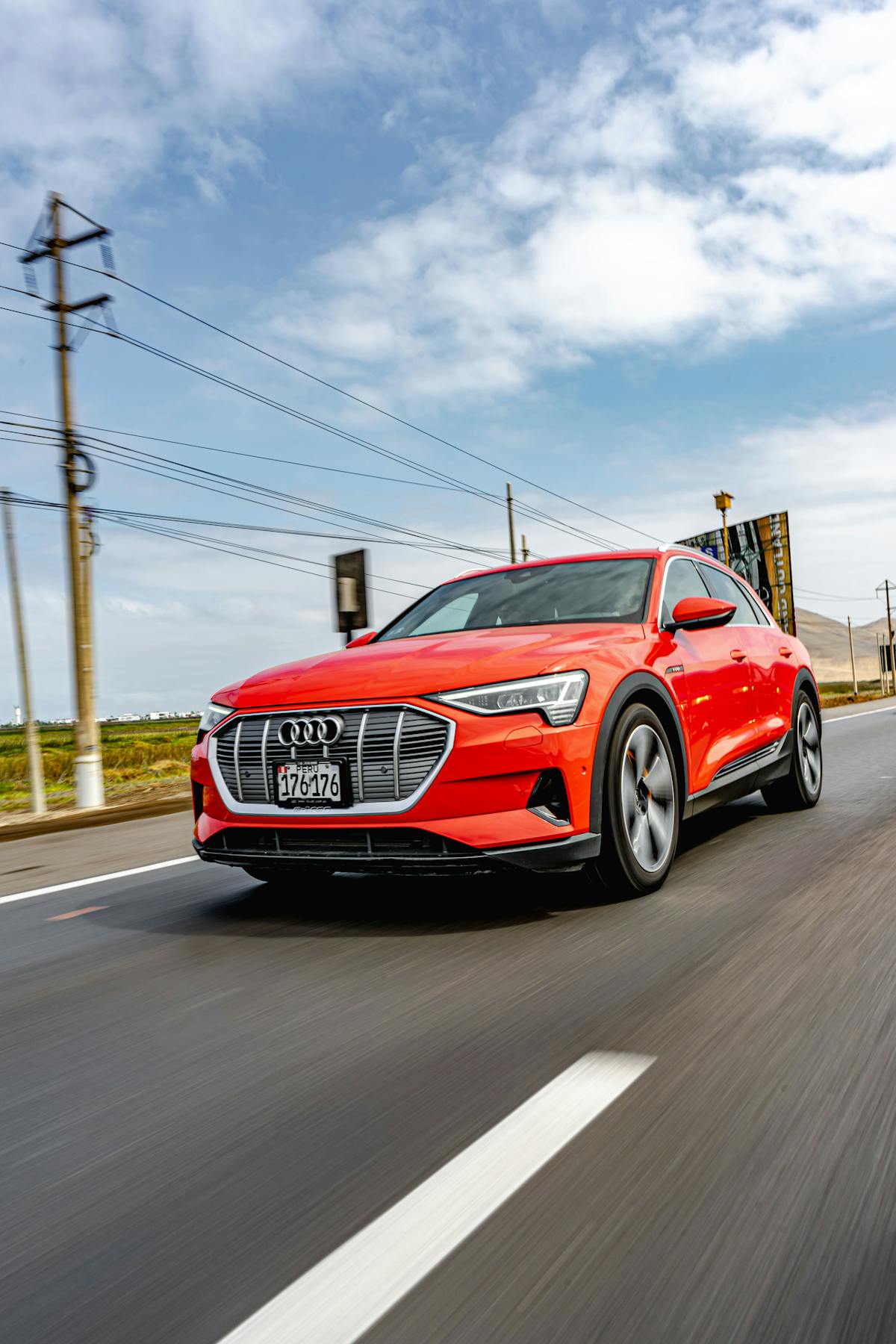
Let's address the elephant in the room first. Range anxiety — that nagging fear of running out of charge miles from anywhere — is the number one concern for first-time EV road trippers. And honestly? It's overblown in 2026.
Most modern EVs offer 250-350 miles of real-world range, and the U.S. charging network has expanded dramatically. Tesla's Supercharger network alone has over 60,000 connectors nationwide, and they've opened most of them to non-Tesla vehicles via the NACS adapter standard. Combined with Electrify America, ChargePoint, and EVgo stations, charging deserts are shrinking fast.
That said, there's a catch: highway driving eats range faster than city driving. Unlike gas cars, EVs are most efficient at lower speeds. Driving at 80 mph instead of 65 mph can cut your range by 15-25%. Factor this into your planning, especially in headwinds or mountainous terrain.
Plan Your Route (And Your Charging Stops)
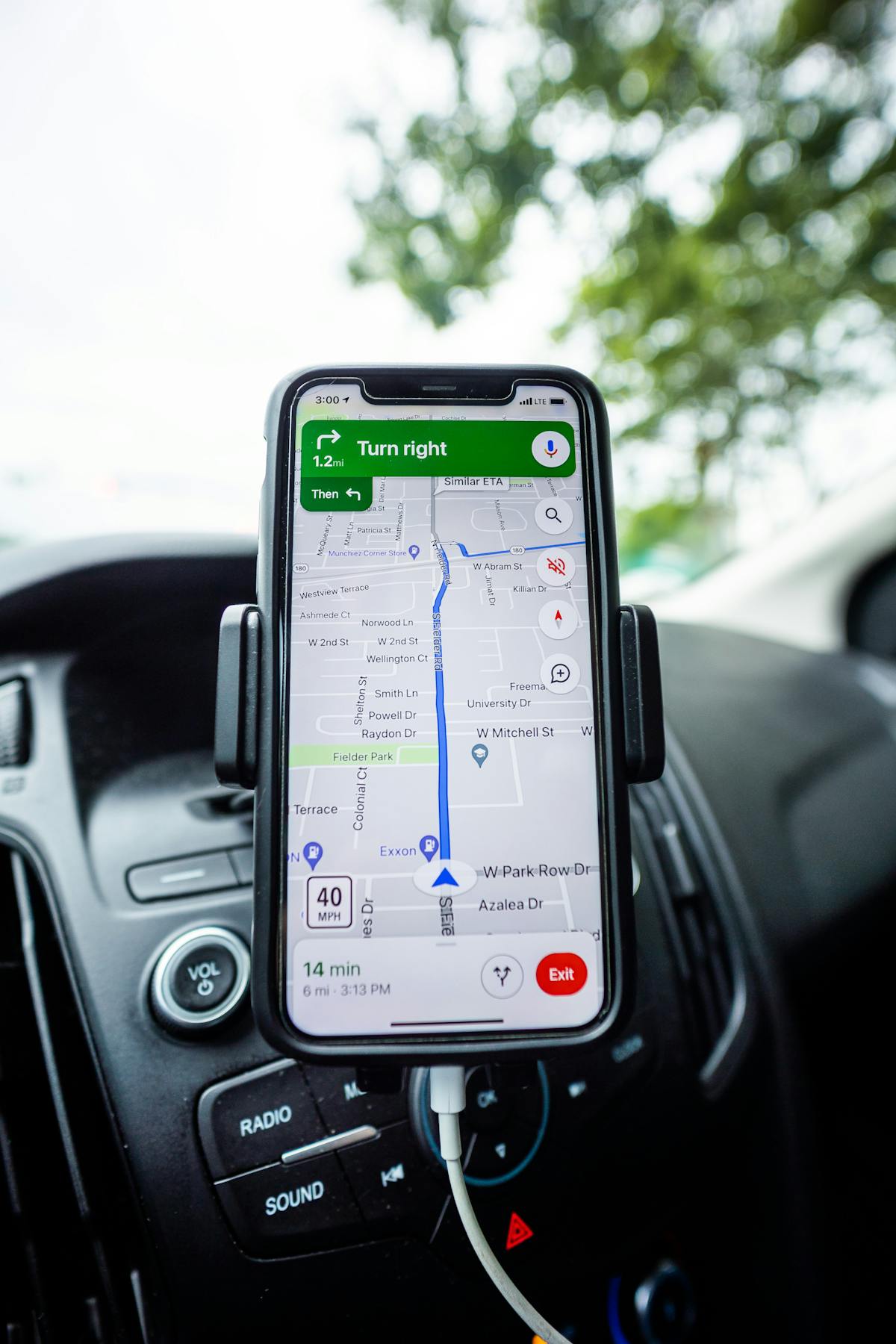
The single best thing you can do for a smooth EV road trip is plan your route with a charging-aware app. These are the ones worth downloading:
- A Better Route Planner (ABRP): The gold standard. Enter your EV model, and it calculates optimal charging stops based on your vehicle's real-world efficiency, elevation changes, weather, and current battery level. It even accounts for charger availability in real time.
- PlugShare: The Yelp of EV charging. Shows every charger on your route with user reviews, photos, and real-time status. Invaluable for finding working chargers and avoiding broken ones.
- Your EV's Built-In Navigation: Tesla, Rivian, and most modern EVs have route planning baked into the nav system. It auto-routes through chargers and preconditions your battery for optimal charging speed as you approach.
Pro tip: Always have a backup charging stop in mind. Chargers go down, stations get crowded, and plans change. Having a Plan B within 30 miles of each planned stop eliminates stress.
Understanding Charging Speeds and Connectors
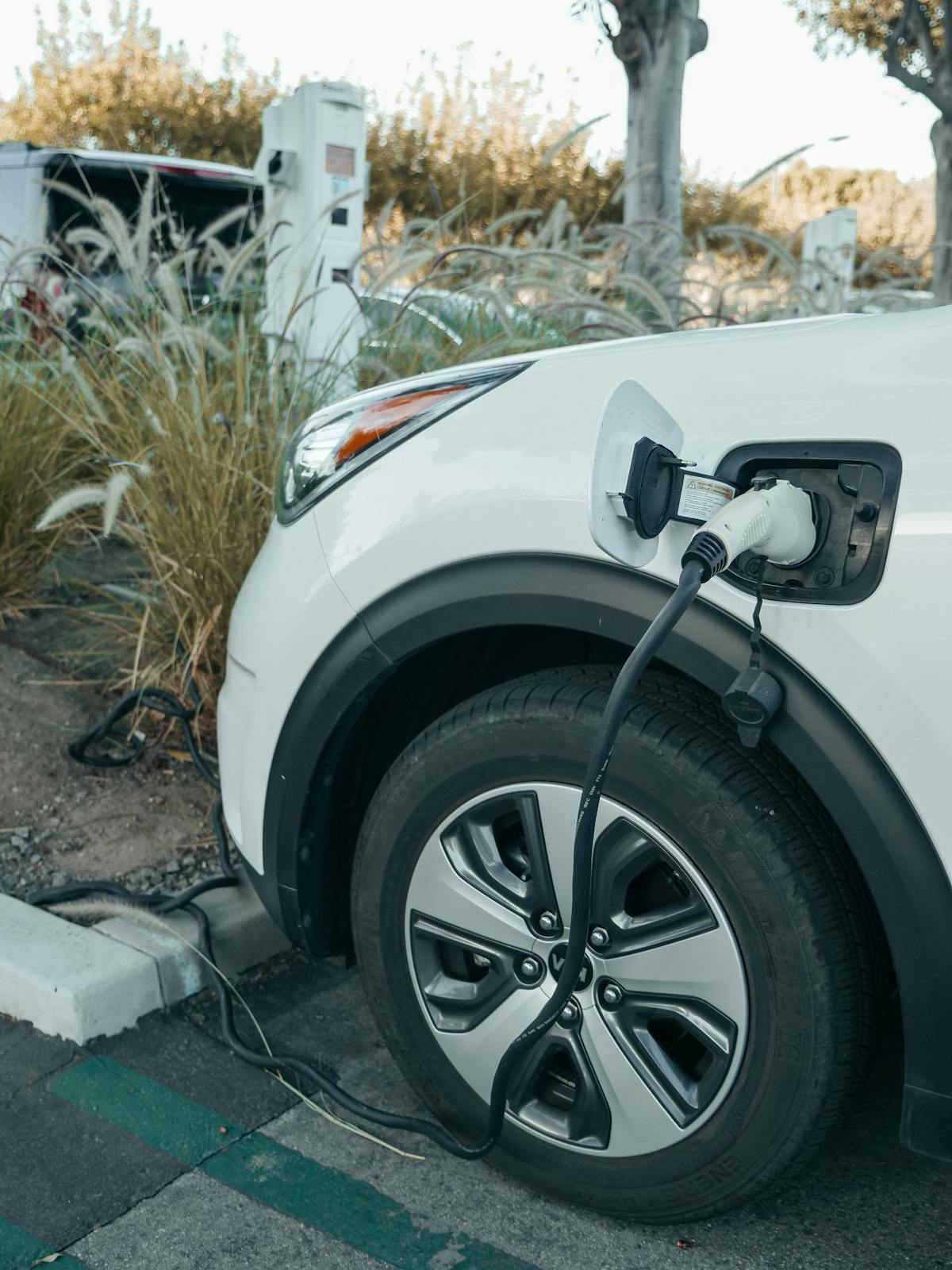
Not all chargers are created equal, and understanding the difference saves you hours on a long trip:
- Level 1 (120V wall outlet): 3-5 miles of range per hour. Useless for road trips — this is emergency-only charging.
- Level 2 (240V, like a dryer outlet): 15-30 miles per hour. Great for overnight hotel stops, but too slow for quick highway stops.
- DC Fast Charging (DCFC): 150-350 kW. This is your road trip charger. Adds 150-200 miles in 20-30 minutes at peak speed. Tesla Superchargers, Electrify America, and EVgo all offer DCFC.
As for connectors: NACS (North American Charging Standard) has essentially won. Tesla pioneered it, and nearly every manufacturer — Ford, GM, Rivian, Mercedes, Hyundai — has adopted it for 2025+ models. If you have an older CCS vehicle, most networks provide adapters or dual-connector stations.
Key insight: Your EV charges fastest between 10-80% battery. Charging from 80% to 100% slows dramatically. On road trips, charge to 80% and move on — you'll cover more ground faster than waiting for a full charge.
Real-World Range vs. EPA Estimates
Here's something every EV owner learns quickly: the EPA range number on the sticker is optimistic for highway driving. Expect 10-20% less than advertised at sustained highway speeds. Cold weather, headwinds, roof cargo, and mountain grades all reduce range further.
A practical rule of thumb:
- Summer highway driving: Expect ~85-90% of EPA range
- Winter highway driving: Expect ~65-75% of EPA range (cold batteries are less efficient, and cabin heating draws significant power)
- Mountain driving: Subtract 15-20% for sustained climbs, but you'll recover some on the descent through regenerative braking
This is why keeping your tires at the correct pressure matters even more with an EV. Underinflated tires increase rolling resistance, which directly reduces range. Check your PSI before every road trip — a few pounds low can cost you 10-15 miles of range.

What to Pack: The EV Road Trip Emergency Kit
Here's where EV road trips differ most from gas-powered ones. You don't need jumper cables or a gas can, but you absolutely need tire gear. Why? Most EVs don't come with a spare tire. Manufacturers remove the spare to save weight and maximize range, leaving you with a tire repair kit or run-flat tires — if you're lucky.
Your EV road trip kit should include:
- Tire repair kit: A proper plug kit like the JACO TRX-50 Tire Repair Kit lets you fix a puncture roadside in minutes. With no spare tire, this isn't optional — it's essential.
- Portable tire inflator: The JACO 20V Cordless Tire Inflator is ideal for EVs — it runs on its own battery, so you don't need a 12V outlet or running engine. Re-inflate after a plug repair or top off PSI at any stop.
- Digital tire pressure gauge: Accurate pressure readings before and during your trip ensure maximum range. The JACO ElitePro Digital Gauge reads to ±0.1 PSI.
- Charging adapters: Carry a J1772-to-NACS adapter (or vice versa) and a standard NEMA 14-50 portable EVSE for emergency Level 2 charging at RV parks or campgrounds.
- Reflective vest and road flares: Standard safety gear for any roadside situation.
- Warm blankets and snacks: In a worst-case scenario where you're waiting for a tow, you want to minimize cabin heating to preserve battery.

Maximize Your Range on the Road
Small habits add up to significant range gains:
- Drive 65-70 mph instead of 80+. Aerodynamic drag increases exponentially with speed. This alone can add 30-50 miles to your range per charge.
- Use regenerative braking aggressively. Most EVs let you adjust regen intensity. Set it to maximum — in hilly terrain, you'll recover meaningful energy on every downhill.
- Precondition your cabin while plugged in. Heat or cool the car while it's still charging. This uses grid power instead of battery power.
- Keep tire pressure at or slightly above the recommended PSI. Every 1 PSI below spec reduces efficiency. Check with a reliable gauge like the ElitePro Digital before hitting the highway.
- Remove roof racks and cargo boxes when not needed. They create drag that significantly impacts range at highway speed.
- Use Eco mode. It limits acceleration power and optimizes climate control for range.
Charging Etiquette and Practical Tips
As the EV community grows, a few unwritten rules keep things running smoothly:
- Don't charge past 80% at a busy station. Charging slows dramatically above 80%, and you're holding up the queue for diminishing returns.
- Move your car when charging is done. Set a phone timer. Idle fees are real at most networks — $0.40-$1.00 per minute after your session completes.
- Have a backup payment method. Some chargers accept credit cards, others require an app. Download the Electrify America, ChargePoint, and EVgo apps before your trip.
- Check charger status before arriving. PlugShare and your EV's nav system show real-time availability. Nothing's worse than arriving at a 4-stall station with 3 broken chargers.
Hotel and Destination Charging
One of the hidden perks of EV road tripping? Free or cheap overnight charging at hotels. Many hotels, especially chains like Hilton, Marriott, and Best Western, have installed Level 2 chargers in their parking lots. You go to sleep, and you wake up with a full battery — no morning detour to a gas station needed.
When booking hotels along your route, filter for EV charging on PlugShare or the hotel's website. ChargePoint and Tesla Destination chargers are common at hotels and resorts. This is also a great time to use a portable EVSE if the hotel has RV-style 240V outlets in their lot.
The Bottom Line: EVs Are Road Trip Ready
The days of carefully calculating every mile on an EV road trip are fading. With 300+ mile ranges, a rapidly expanding fast-charging network, and smart route-planning apps, the experience is closer to a gas car trip than most people think. The key differences — planning your stops, understanding charging speeds, and packing the right tire gear — are minor adjustments, not dealbreakers.
The real advantage? You'll spend less on fuel (electricity costs roughly one-third of gas per mile), your car preconditions itself, and those 20-minute charging stops are the perfect excuse to stretch your legs, grab food, and actually enjoy the journey.
Pack your tire repair kit, charge your cordless inflator, download ABRP, and go explore. Your EV was built for this.