
The Fourth of July is the busiest driving weekend of the entire year. AAA expects tens of millions of Americans to hit the road for Independence Day, and that means packed highways, long detours, and gas stations with lines out the door. The difference between a smooth holiday trip and a stressful one usually comes down to what you did before you pulled out of the driveway.
This guide walks you through everything that matters for a safe, low-stress Fourth of July road trip: vehicle prep, smart packing, beating the traffic, and a few destination ideas worth the drive. Run through these steps a few days ahead and you can spend the weekend enjoying fireworks instead of waiting on a tow truck.
Why the Fourth of July Is Different From Any Other Trip
Holiday weekends concentrate millions of vehicles onto the same roads at the same time. That puts extra strain on your car — more idling in traffic, more summer heat, more miles in a single stretch than most cars see in a typical month. Breakdowns spike on holiday weekends, and roadside assistance wait times balloon right along with them.
Summer heat is the silent culprit. High temperatures push tire pressure up, stress your battery, and make an already-marginal cooling system fail. A little prep goes a long way when the mercury climbs.
Step 1: The Pre-Trip Vehicle Checklist
Do this 2–3 days before you leave, not the morning of. That gives you time to fix anything you find without blowing your departure window.
- Tires: Check pressure on all four (and the spare) when the tires are cold. Summer heat and a fully loaded car both change the numbers. Match the PSI on the sticker inside your driver's door, not the max number on the tire sidewall.
- Tread: Use the penny test — insert a penny with Lincoln's head down. If you see all of his head, your tread is too low for safe wet-weather stops.
- Fluids: Check engine oil, coolant, brake fluid, and windshield washer fluid. Summer road trips burn through washer fluid fast thanks to bug splatter.
- Battery: Heat kills batteries faster than cold. If yours is more than three years old, have it load-tested before a long trip.
- Wipers and lights: Replace streaky wipers and confirm every exterior light works, including brake and turn signals.
- A/C: Make sure it actually blows cold. A long, hot drive with a weak A/C is miserable and dangerous for kids and pets.
Tire pressure is the single most important item on this list. Underinflated tires run hot, wear out faster, hurt your fuel economy, and are a leading cause of summer blowouts. A quick check with an accurate digital gauge takes two minutes.
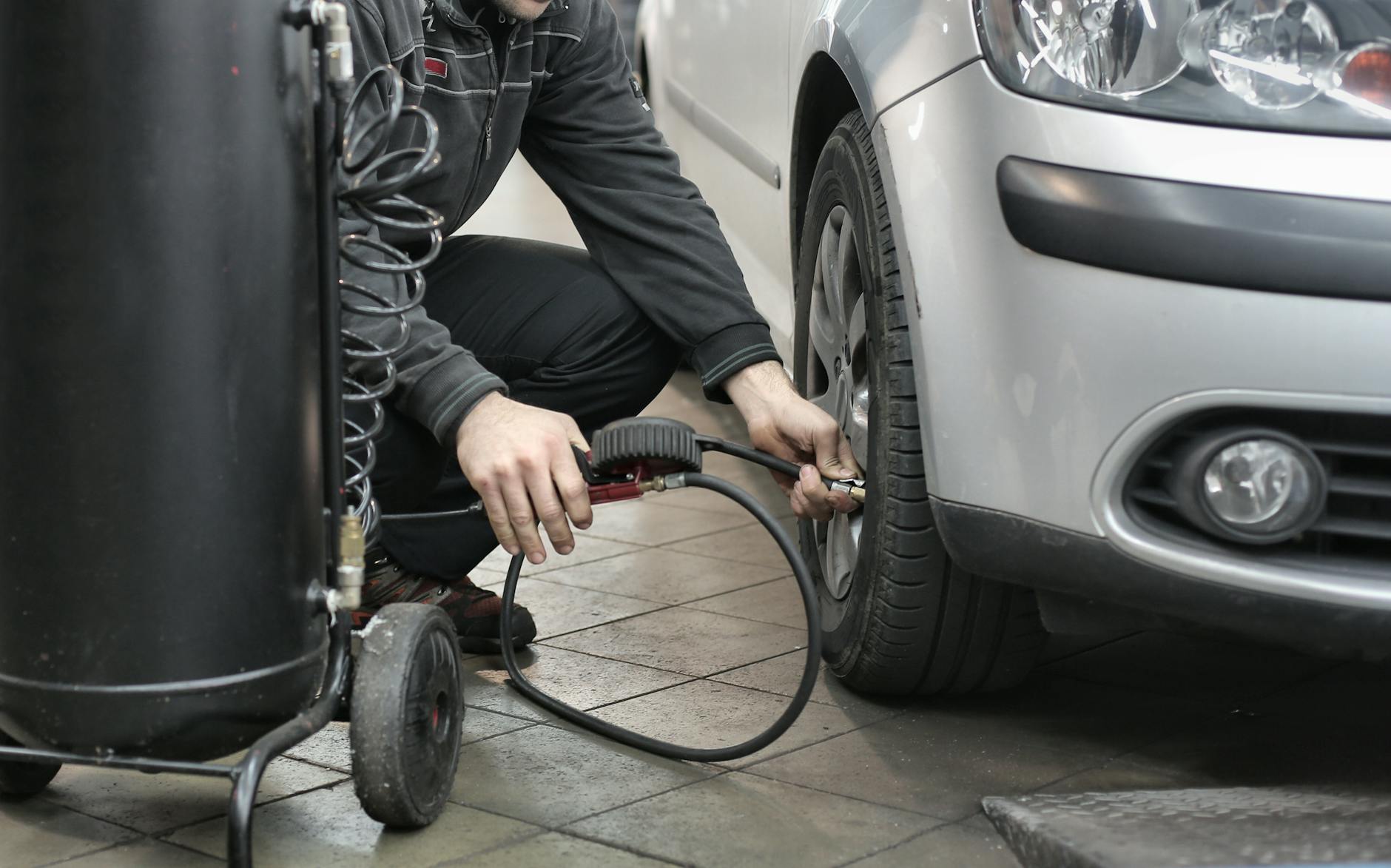
If your pressure is low, top it off at home rather than gambling on a working pump at a crowded holiday gas station. A digital inflator that connects to your shop or portable compressor takes the guesswork out of getting every tire to the exact same PSI.

Step 2: Pack Smart (and Secure Your Load)
How you pack affects safety, fuel economy, and how quickly you can find what you need at a rest stop. A few rules:
- Heaviest items low and forward. Keep weight centered over the rear axle, not piled up high or hanging off the back.
- Don't block your rear window. Visibility matters more on crowded holiday roads.
- Keep essentials accessible. Snacks, water, chargers, and a small first-aid kit should be within reach — not buried at the bottom of the trunk.
- Secure anything loose. In a sudden stop, an unsecured cooler or suitcase becomes a projectile.
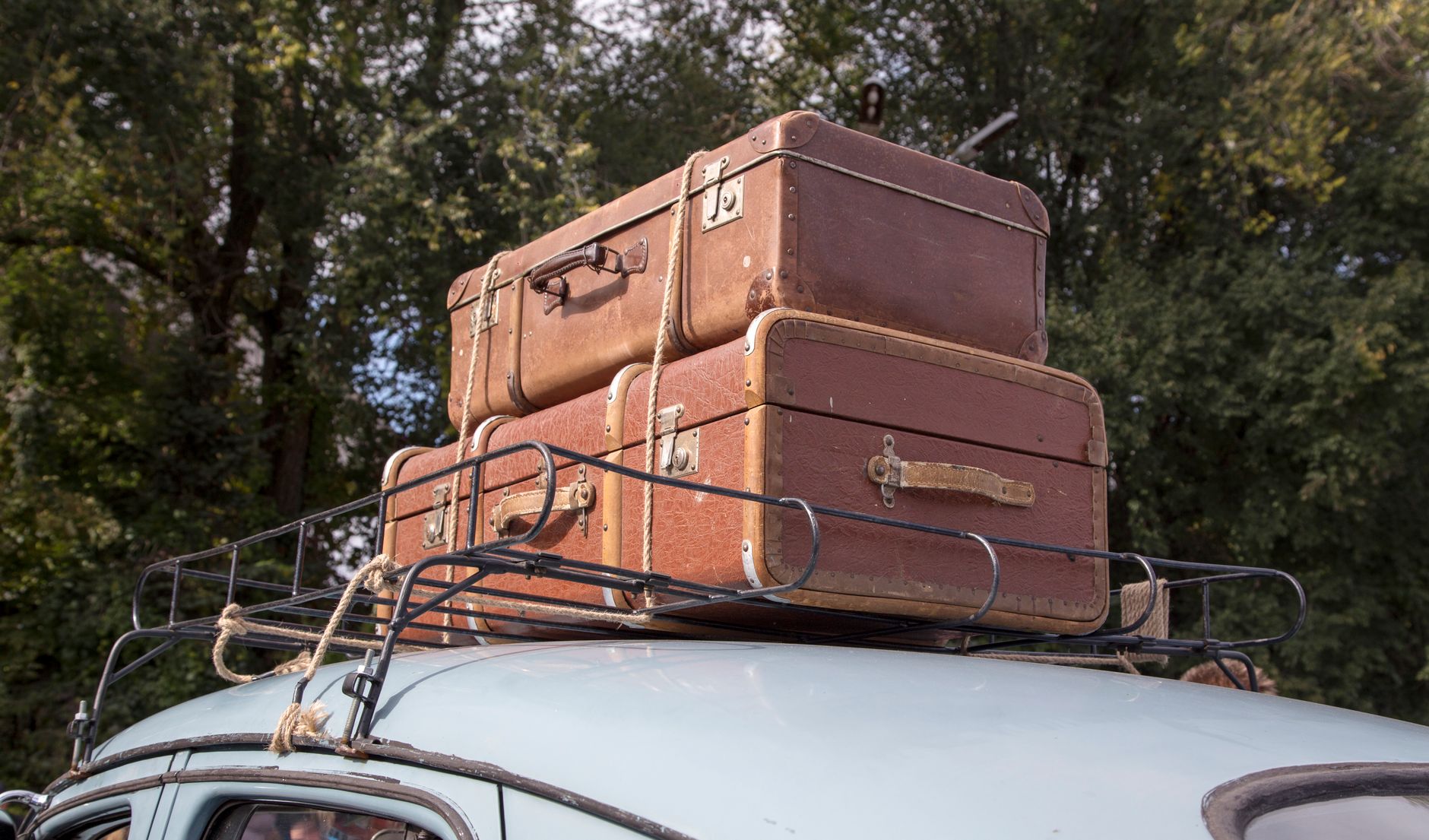
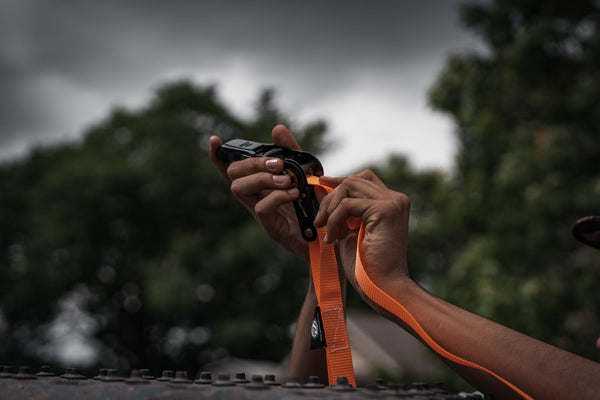
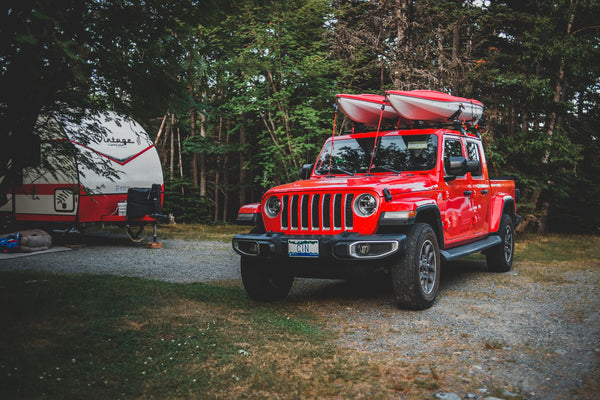
If you're hauling gear on a roof rack, hitch carrier, or in a truck bed — bikes, coolers, camping equipment, or a grill for the cookout — never trust bungee cords for anything heavy. Bungees stretch and let go at the worst possible moment. Use proper ratchet straps rated well above the weight of your load, and give them a tug at every fuel stop to make sure nothing has worked loose.

Step 3: Beat the Holiday Traffic
Timing is everything on the Fourth of July. The roads don't have to be a parking lot if you plan around the crush.
- Leave early or leave late. The worst congestion clusters in the late morning and early afternoon. Departing before 7 a.m. — or after the dinner rush — can cut hours off a long drive.
- Avoid the return-day trap. July 5th and the Sunday after are notoriously bad for return traffic. If you can, come home a day early or a day late.
- Use live navigation. Apps like Google Maps and Waze reroute around accidents and backups in real time. Trust the detour.
- Fuel up the day before. Start with a full tank so your first stop isn't a packed holiday gas station.
- Plan your stops. Know where you'll stretch, eat, and let the kids and pets out before you need to.
Step 4: Pack a Summer Emergency Kit
Even a perfectly prepped car can have a bad day. A simple kit turns a roadside emergency into a minor inconvenience. Keep these on board:
- Jumper cables or a portable jump pack
- A reliable tire pressure gauge and a portable inflator
- Basic tools, a flashlight, and work gloves
- First-aid kit
- Plenty of drinking water — for you and your radiator
- Phone charger and a backup power bank
- Reflective triangles or flares
Water deserves a special mention in July. Heat-related breakdowns and dehydration are both real summer risks, so carry more water than you think you'll need.
Step 5: Destinations Worth the Drive

If you're still deciding where to go, the Fourth of July rewards a little creativity. Consider:
- Small mountain towns. Classic main-street parades and fireworks without big-city crowds or parking nightmares.
- Lake and reservoir campsites. Bring the cooler, the grill, and the ratchet straps for your gear.
- National forests and state parks. Quieter than the marquee national parks on a holiday weekend, and often just as beautiful.
- A scenic byway you've never driven. Sometimes the drive is the destination. Pick a route, take your time, and stop often.
Wherever you land, book early. Campsites and small-town lodging fill up fast around Independence Day.
Hit the Road Ready
A great Fourth of July road trip isn't luck — it's preparation. Check your tires and fluids a few days out, pack smart and secure your load, time your departure to dodge the worst traffic, and keep an emergency kit within reach. Do that, and the only thing you'll have to worry about is finding the best spot to watch the fireworks.
From all of us at JACO — have a safe, fun, and well-prepared Independence Day. Browse our full lineup of tire pressure gauges, inflators, and tie-down gear to get your rig road-trip ready.