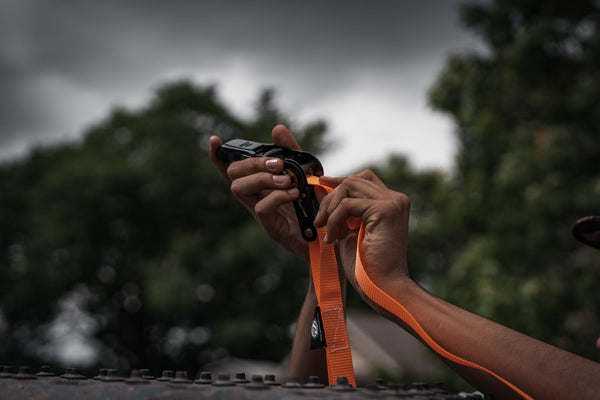

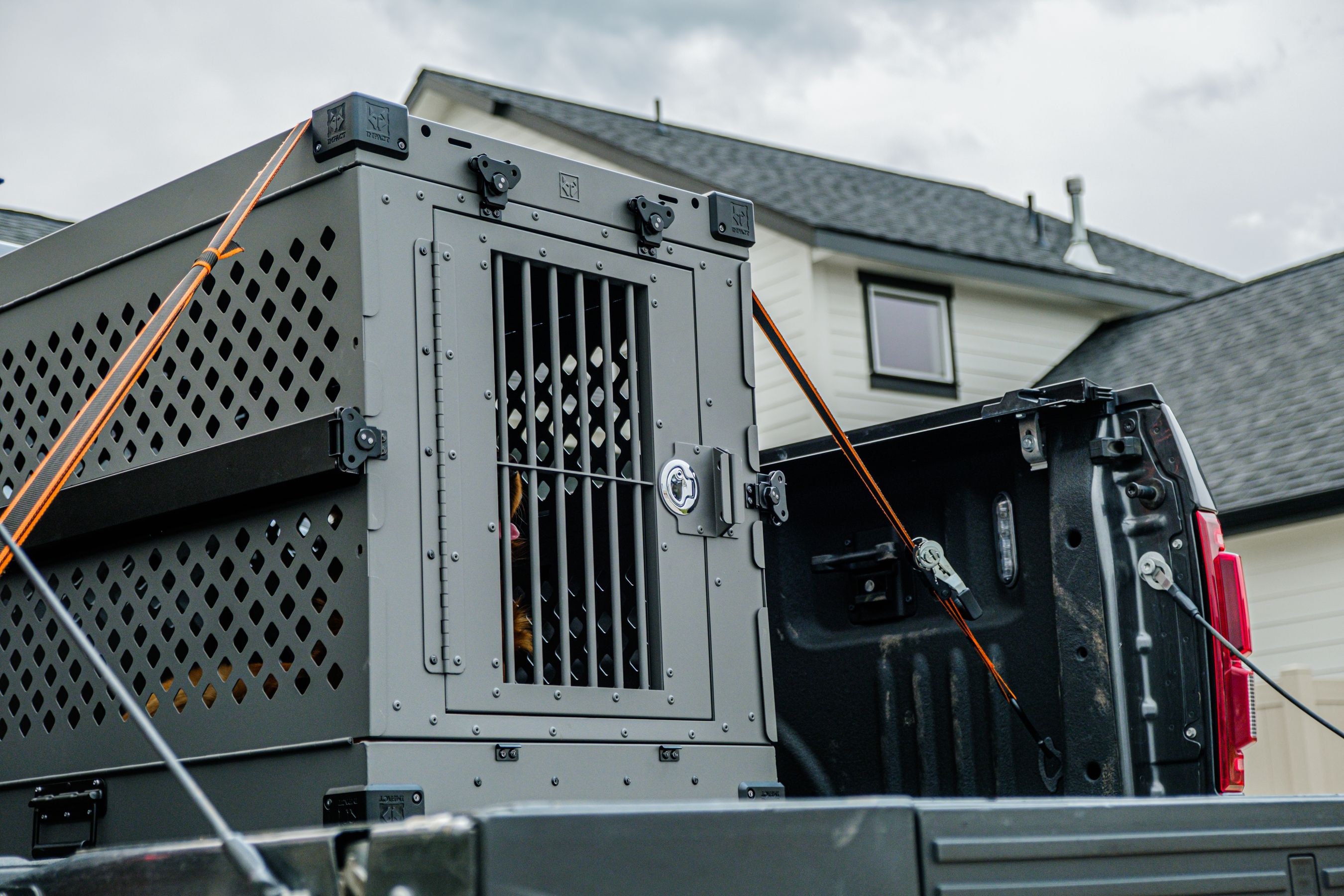
Your ratchet straps work hard. They lock down motorcycles, hold furniture in place across town, and keep ATVs from sliding around in the truck bed at 70 mph. But here's the thing most people miss: how you store your straps between jobs matters just as much as how you use them. A strap that's been balled up in a damp toolbox for six months can fail when you need it most—and a failed strap means a shifting load, a damaged cargo, or worse.
The good news? Proper ratchet strap storage takes about 60 seconds per strap and can double or triple their usable life. Whether you've got a couple of cheap straps from the hardware store or a set of heavy-duty, lab-tested tie-downs, the same care principles apply. Here's exactly how to store your ratchet straps so they're ready, reliable, and rated for the job every single time.
Why Strap Storage Actually Matters
Ratchet straps are made from polyester webbing, a steel ratchet mechanism, and end hardware (hooks or loops). Each of these components has a different enemy:
- The webbing degrades from UV exposure, moisture, mildew, and abrasion. Sun-faded webbing loses tensile strength—sometimes dramatically.
- The ratchet mechanism rusts and seizes when stored wet or dirty, making it hard to operate and prone to slipping.
- The hooks and end fittings corrode and can develop sharp burrs that cut into the webbing.

A strap that looks "fine" on the surface can be quietly compromised. Frayed edges, stiff webbing, a gritty ratchet, or rust spots are all signs that storage neglect is eating into your safety margin. Since the whole point of a strap is to hold a rated load, anything that weakens it defeats the purpose.
Step 1: Clean Before You Store
Dirt, road salt, mud, and grease are abrasive and corrosive. Before a strap goes into storage—especially after an off-road haul or a winter trip—give it a quick clean:
- Brush off loose dirt and debris from the webbing.
- If the webbing is muddy or salty, hand-wash it in lukewarm water with mild soap. Skip bleach and harsh detergents—they break down polyester fibers.
- Rinse thoroughly and wipe down the ratchet and hooks.
- Let everything dry completely before storing. This is the single most important step.
Never store a damp strap. Trapped moisture invites mildew on the webbing and rust in the ratchet—the two fastest ways to ruin an otherwise good strap.
Step 2: Dry the Ratchet Mechanism Thoroughly
The steel ratchet is where moisture does the most hidden damage. After cleaning (or after any rainy/snowy job), open and close the ratchet a few times to shake out water, then leave it open to air-dry. A drop of light machine oil or silicone lubricant on the pawl and release lever keeps the mechanism smooth and rust-free. Wipe away excess so it doesn't attract grit.
A smooth, clean ratchet isn't just about longevity—it's about control. A seized or gritty ratchet is harder to tension correctly and more likely to slip under load.
Step 3: Coil or Fold—Don't Ball It Up
How you bundle the strap determines how easy it is to use next time and how well the webbing holds up. Throwing a tangled wad into a bin creates kinks, twists, and pressure points that weaken fibers over time. Instead, use one of these methods:
- The loop coil: Hold the hook end and wrap the webbing around your hand in a loop, then secure the bundle by tucking the tail through or using a small velcro strap.
- The chain braid (daisy chain): Make a slip loop and pull successive loops through—like crocheting. This keeps long straps tangle-free and quick to deploy.
- The fold-and-band: Fold the strap in accordion layers and wrap a rubber band or velcro tie around the middle.
Keep the ratchet on the outside of the bundle so it doesn't dig into the webbing, and never store a strap under tension or sharply creased over a hard edge.
If you're hauling motorcycles, ATVs, or heavy equipment regularly, investing in a quality, properly rated set is the foundation everything else builds on. A well-made strap with a verified break strength gives you a real safety margin—and treats good storage habits as the thing that protects your investment, not props up a weak one.

Step 4: Choose the Right Storage Spot

Where you keep your straps is half the battle. The ideal storage location is:
- Dry: A climate-controlled garage shelf or a sealed plastic bin beats a damp shed or an open truck bed.
- Out of direct sunlight: UV is the silent killer of polyester webbing. A drawer, tote, or cabinet protects against fading and fiber breakdown.
- Away from chemicals: Battery acid, gasoline, solvents, and fertilizers can degrade webbing on contact. Don't store straps next to open chemical containers.
- Organized: Hang coiled straps on wall hooks or store them in a labeled bin. Keeping them off the floor prevents moisture wicking and crushing.
A simple wall-mounted rack or a dedicated lidded tote turns a tangled pile into a grab-and-go system—and keeps your straps protected from the elements between jobs.
Step 5: Inspect Every Time You Pack Them Away
Storage time is the perfect moment for a quick inspection. Before each strap goes back in the bin, run your eyes and hands over it:
- Webbing: Look for cuts, frays, holes, abrasion, chemical burns, or heavy fading. Any of these means retire the strap.
- Stitching: Check that seams are intact—pulled or broken stitching is a red flag.
- Ratchet: Confirm it operates smoothly, grips firmly, and releases cleanly. Replace if it's seized or slipping.
- Hooks/hardware: Look for bending, cracks, corrosion, or sharp burrs that could cut webbing.
When in doubt, throw it out. A replacement strap costs a few dollars; a load coming loose on the highway costs a lot more. For loads that depend on tire performance and proper inflation too, it's worth keeping a reliable tire pressure gauge or inflator in the same kit—secured cargo and properly aired tires go hand in hand for safe hauling.
How Long Do Ratchet Straps Last?
There's no fixed expiration date, but most quality straps last 2–4 years of regular use when stored properly—and far longer if used occasionally and kept dry and out of the sun. Heavy commercial use, constant UV exposure, or storage neglect can cut that to a single season. The webbing itself is the limiting factor: once it's faded, frayed, or chemically damaged, no amount of cleaning brings the strength back.
Treat your straps like the safety equipment they are. A clean, dry, well-coiled strap inspected before every use will outlast and out-perform a neglected one every time.
The Bottom Line
Ratchet strap maintenance isn't complicated—it's a habit. Clean and dry them after dirty jobs, lubricate the ratchet, coil instead of ball, store them dry and out of the sun, and inspect them every time you pack them away. Those few minutes of care protect your cargo, your vehicle, and everyone on the road behind you.
Start with straps worth taking care of. A properly rated, lab-tested set gives you the strength and reliability that good storage habits are designed to preserve—so when you cinch down a load, you know it's going to hold. Browse JACO's ratchet tie-down straps to build a tie-down kit that lasts.