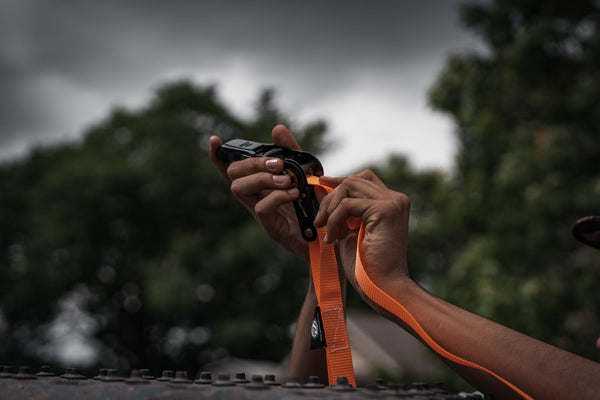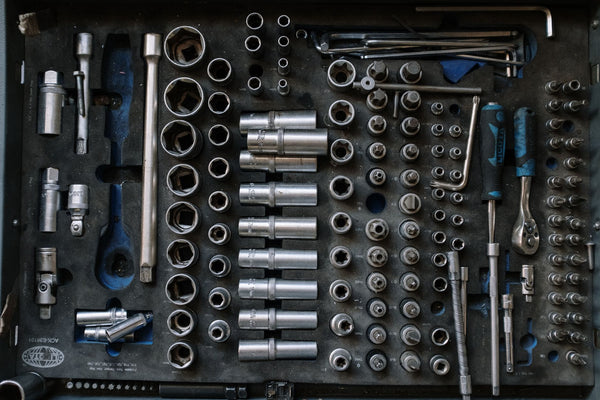


Getting your license is a milestone. But here's the part driver's ed rarely covers: what happens when something goes wrong on the side of the road, miles from home, with a dead phone and no idea what to do next. A flat tire, a dead battery, or a fender bender doesn't care that you've only been driving for three weeks.
The good news? A well-stocked car emergency kit turns most roadside scares into minor inconveniences. Whether you're a first-time driver building your first kit or a parent putting one together for your teen, here's exactly what belongs in the glove box, the trunk, and a grab-and-go roadside bag.
Why Every New Driver Needs an Emergency Kit
New drivers break down just like everyone else — they're just less prepared for it. Studies consistently show that the majority of drivers have experienced being stranded, and a huge share of those situations come down to preventable issues: low tire pressure, a battery that finally gave up, or running out of washer fluid in a snowstorm.
An emergency kit does two things. First, it gets you back on the road fast when the problem is fixable. Second, it keeps you safe and visible while you wait for help when it isn't. Build it once, keep it in the car, and forget about it until the day you're very glad it's there.
Glove Box Essentials: Documents and Small Tools
The glove box is for the things you need at your fingertips — not buried in the trunk. Keep this short list current:
- Vehicle registration and proof of insurance — required by law, and the first thing an officer or tow operator will ask for.
- Owner's manual — it tells you what those dashboard warning lights mean and where the jack points are.
- A written list of emergency contacts — in case your phone dies. Include a parent, your insurance roadside number, and a trusted mechanic.
- A tire pressure gauge — small, cheap, and the single most-used tool for preventing breakdowns.
- A pen and small notepad — for exchanging information after a minor accident.
That last one matters more than new drivers expect. Underinflated tires are a leading cause of blowouts and poor handling, and the only way to catch the problem early is to check pressure regularly. A quality gauge lives in the glove box and takes ten seconds to use at a gas station.
The Trunk Kit: Tools That Get You Moving Again
This is the heart of your emergency kit — the gear that actually fixes problems. Build it in a single sturdy tote or duffel so it doesn't roll around:
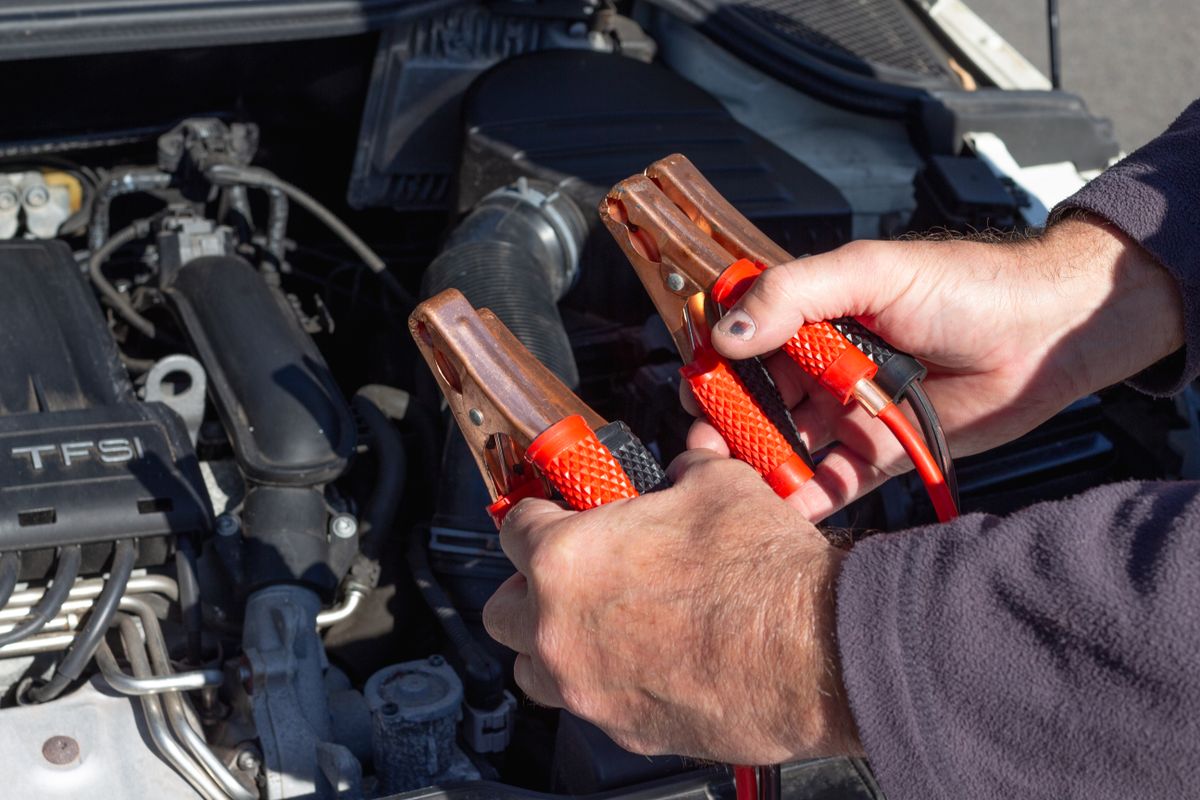
- Jumper cables or a portable jump pack — dead batteries are the number-one roadside call. Cables are cheap; a self-contained jump pack means you don't need a second car.
- A portable tire inflator — a slow leak doesn't have to strand you if you can air the tire back up and limp to a shop.
- A spare tire, jack, and lug wrench — confirm yours are actually in the car and that you know how to use them before you need to.
- A tire repair / plug kit — for punctures the inflator alone can't solve.
- Basic hand tools — an adjustable wrench, screwdrivers, and pliers cover most quick fixes.
- Work gloves and a few shop towels — roadside repairs are dirty work.
If you only add one powered tool to your trunk, make it a tire inflator with an accurate built-in gauge. A flat or low tire is the most common issue a new driver will face, and being able to reinflate on the spot — then verify the exact pressure — turns a tow-truck situation into a five-minute stop.

The Roadside Safety Bag: Stay Visible, Stay Safe
When you can't fix the problem yourself, your priority shifts to staying safe until help arrives. This is especially important on highways, at night, or in bad weather. Pack these into the same tote or a separate grab bag:
- Reflective warning triangles or LED flares — set them up behind your vehicle so approaching traffic sees you early.
- A high-visibility vest — cheap insurance any time you step out of the car near traffic.
- A flashlight or headlamp with spare batteries — hands-free light is a lifesaver for nighttime repairs.
- A phone power bank — a dead phone is its own emergency. Keep it charged.
- A first-aid kit — bandages, antiseptic wipes, gauze, and pain relievers.
Set up reflective triangles roughly 10, 50, and 100 feet behind your vehicle on a highway to give traffic time to react. It feels like overkill until the one time it isn't.
Seasonal Add-Ons: Match Your Kit to the Weather
Colorado drivers know a June kit and a January kit aren't the same. Adjust seasonally:
- Winter: ice scraper, small shovel, kitty litter or traction mats for stuck tires, an emergency blanket, hand warmers, and extra washer fluid rated for freezing temps.
- Summer: extra drinking water, sunscreen, and a check that your coolant is topped off — summer heat is hard on cooling systems and tires alike.
Heat also drives tire pressure up and down dramatically, which is exactly why a reliable gauge earns its spot in the glove box year-round. Check pressure when tires are cold and adjust to the number on the sticker inside your driver's door — not the max pressure stamped on the tire sidewall.

For new drivers building good habits early, an accurate, easy-to-read gauge makes monthly pressure checks effortless — and a well-maintained set of tires is the cheapest safety upgrade you can make.

How to Use Your Kit (Before You Actually Need It)
Owning the gear is only half the battle. A kit you've never opened is a kit you won't use well under stress. Before you hit the road solo:
- Practice changing a tire in your driveway on a calm afternoon. Find the jack points, loosen the lugs, and learn how the spare comes out.
- Learn to jump-start a battery — red to positive, black to the dead battery's negative-to-ground, in the right order.
- Test your tire inflator at home so you know how it connects and how long it takes.
- Check expiration dates on first-aid supplies and replace anything you use.
Walk through it once with a parent or experienced driver, and the real thing won't feel so intimidating. For more on keeping tires road-ready, browse our tire pressure gauges and tire inflators.
The Bottom Line
A car emergency kit is one of those purchases you hope you never have to use — and are deeply grateful for when you do. For a new driver, it's also a confidence builder. Knowing you can handle a flat, jump a battery, and stay safe on the shoulder makes every solo drive a little less stressful.
Start with the essentials, keep a reliable tire gauge and inflator within reach, and add seasonal gear as the weather turns. Build it once, stash it in the car, and drive knowing you're ready for whatever the road throws at you.