
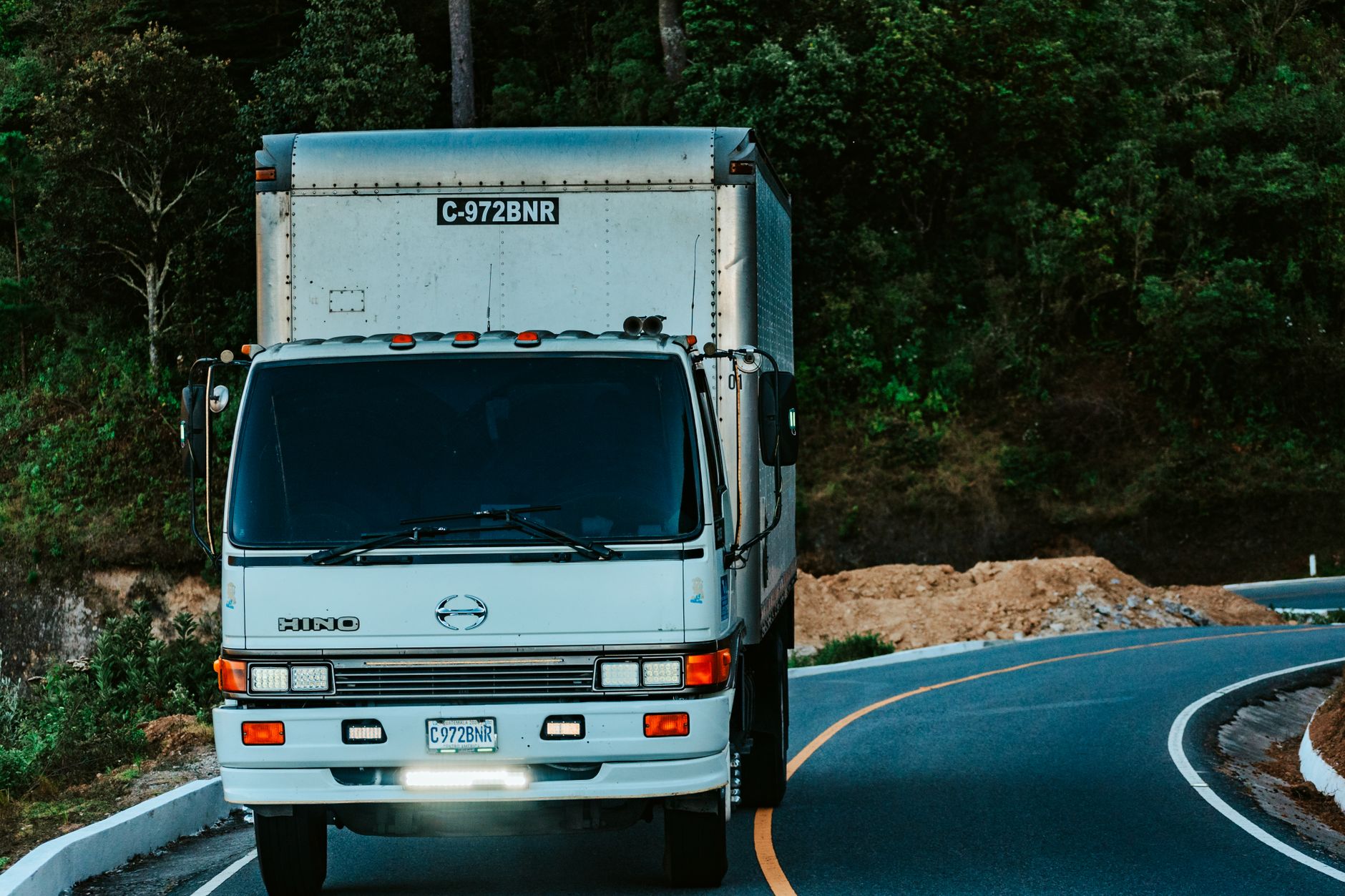
Renting a moving truck feels like the easy part. You pick up the keys, back it into the driveway, and figure the rest is just lifting boxes until the house is empty. Then you hit the first corner and hear the unmistakable sound of your dresser sliding across the cargo floor. How you load a rental moving truck matters just as much as what you load into it — a well-packed truck protects your belongings, maximizes space, and keeps the vehicle stable on the road.
Whether you're moving across town or across the state, here's how to load a rental moving truck the right way: smart weight distribution, the correct loading order, and a securing strategy that keeps everything exactly where you put it.
Start With the Right Truck Size and a Plan
Before you load a single box, make sure you rented enough truck. A half-empty truck wastes money and lets cargo shift; an overstuffed one tempts you to drive with the door straining. As a rough guide: a 10–12 ft truck suits a studio or one-bedroom, a 15–17 ft truck handles a two-bedroom, and a 20–26 ft truck covers three bedrooms or more.
Gather your supplies before loading day, too. You'll want uniform cardboard boxes, a hand truck or dolly, moving blankets or furniture pads, stretch wrap, and — critically — a set of quality ratchet straps to tie down the load in sections. Having the right gear staged and ready is the difference between a calm load-out and a chaotic one.
Pack Boxes Strategically First
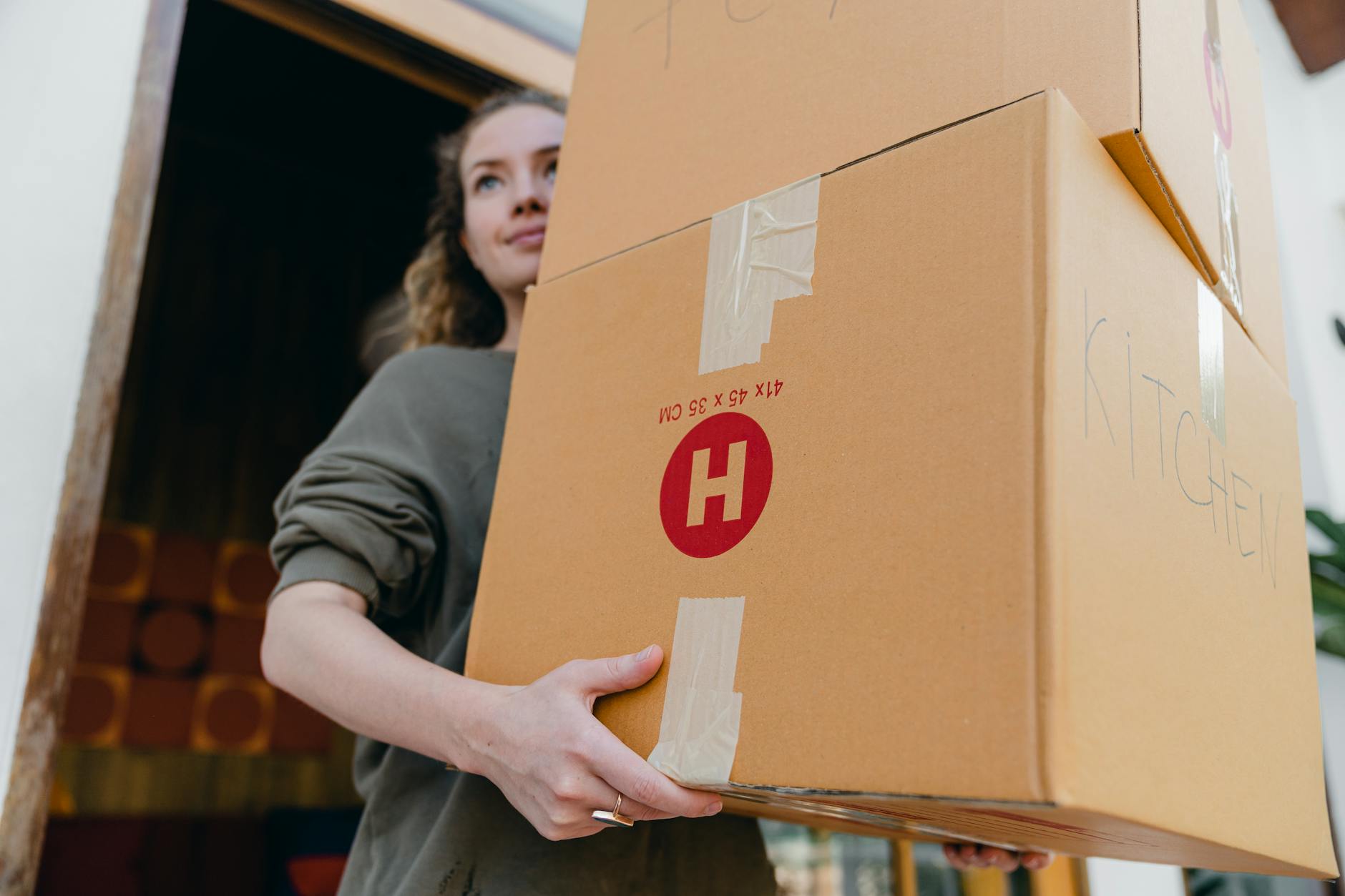
Great truck loading starts long before the ramp comes down. Pack heavy items — books, tools, dishes — in small boxes, and lighter items like linens and pillows in large boxes. This keeps every box liftable and prevents the bottom from blowing out mid-carry.
A few packing rules that pay off when it's time to stack:
- Fill every box completely. Gaps let contents crush and boxes collapse under weight. Use towels or paper to fill voids.
- Keep box sizes uniform. Same-size boxes stack like bricks and lock together. Mismatched boxes create unstable towers.
- Label by room and mark fragile items. You'll thank yourself at both ends of the move.
- Tape the bottoms well. A single strip of tape is a disaster waiting to happen.
Load the Heaviest Items First (and Lowest)

This is the single most important rule of loading a moving truck: heaviest items go in first, placed against the wall closest to the cab. Appliances, dressers, sofas, and the heaviest boxes belong up front, low to the floor, and evenly distributed side to side.
Why it matters: a rental truck carries most of its stability over the front axle. Loading heavy weight forward keeps the vehicle balanced, improves braking, and reduces sway. Pile the heavy stuff in the back and you'll feel the tail wag every time you brake or turn — exactly the kind of instability that causes accidents and damaged cargo.
Stand large appliances and furniture upright where possible, and strap them directly to the truck's wall anchor points (E-track or rails). Refrigerators, washers, and dryers should be secured individually so they can't tip.
Build in Tiers and Fill Vertical Space
Think of the cargo area as a wall you're building from front to back, floor to ceiling. After the heavy base layer is in and secured, create tiers:
- Base layer: Heavy furniture and appliances against the cab wall.
- Middle layer: Medium boxes and sturdy furniture, heaviest boxes on the bottom, stacking lighter as you go up.
- Top layer: Light, soft, and fragile items — lamps, pillows, labeled fragile boxes.
Use every inch of vertical space, but never stack heavy on top of light. Slide long items like mattresses, table tops, and headboards flat against the side walls to protect them and save floor space. Disassemble bed frames and tables, and tape the hardware to the piece it belongs to.
Protect Furniture With Pads and Wrap
Bare wood and upholstery don't survive a move pressed against metal walls and other furniture. Wrap wooden pieces in moving blankets and secure the blankets with stretch wrap. Cover upholstered furniture to keep it clean. Place pads between any two items that touch so vibration over the road doesn't rub finishes raw.
For dressers and cabinets, you can leave soft items like clothing inside the drawers to save box space — just wrap the whole piece so drawers can't slide open in transit.
Secure the Load in Sections — Don't Skip This
Here's where most DIY movers cut corners and pay for it. A rental truck's cargo wall anchor points exist for one reason: so you can tie down the load as you build it. Strap each tier before you start the next one. A load that's snug and anchored can't shift, topple, or crush the boxes beneath it.
Ratchet straps are the right tool for the job. Unlike bungee cords, they apply real, adjustable tension and hold it, and unlike rope, they won't slowly work loose over a three-hour drive. Run a strap across each section, hook into the truck's rails, and ratchet it down until the load is firm against the wall. For a deeper breakdown of choosing and using tie-downs, see our guide on how to choose, use, and inspect ratchet straps.

Match the Straps to the Load
Not every tie-down job is the same. Light to medium boxes and smaller furniture are easily handled by standard 1-inch ratchet straps. But heavy appliances, large wardrobes, and dense furniture deserve a heavier-rated strap with soft loops that won't scratch finishes. Over-building your securing strategy is never a mistake — the cost of a second strap is trivial compared to a toppled refrigerator.
If you want to compare options for different loads, our breakdown of how to secure cargo like a pro walks through which strap suits which job.

Load the Last Items for Easy Access
Whatever goes in last comes out first — so load your "need it immediately" items at the very back of the truck. That means tools for reassembling furniture, cleaning supplies, a box of essentials (chargers, snacks, toiletries), and anything you'll want the moment you arrive. Keep a clear path and don't bury the ramp hardware.
Before You Drive: The Final Walk-Through
Give yourself five minutes before pulling away to run a final check:
- Push-test the load — grab the top tier and shove. If anything rocks, re-strap it.
- Confirm every strap is tight and hooked into solid anchor points, not just looped over itself.
- Make sure nothing leans against the rear door that could fall out when you open it.
- Secure the ramp and latch the cargo door fully.
- Walk around the truck to check tire condition and that mirrors are adjusted.
Then drive like you're carrying everything you own — because you are. Leave extra following distance, brake early and gently, and take corners slower than you think you need to. A properly loaded and strapped truck will ride stable and quiet the whole way there.
The Bottom Line
Loading a rental moving truck the right way comes down to three fundamentals: distribute weight forward and low, load in tiers from heaviest to lightest, and secure every section with proper ratchet straps before you build the next. Nail those, and your belongings arrive in the same shape they left — no shifting, no toppling, no cracked-open box of dishes waiting for you at the other end. The right tie-downs do the quiet work of keeping it all together, mile after mile.