
Moving heavy furniture is where good weekends go to die. One wrong twist hoisting a dresser, one couch that shifts in the truck bed at 60 mph, and suddenly you're nursing a strained back or replacing a scratched tailgate. The good news: nearly every moving-day injury and dented truck is avoidable with the right technique and a little gear. Whether you're relocating across town or just hauling a sofa to a buddy's place, here's how to move heavy furniture without wrecking your back — or your truck bed.
Why Moving Furniture Hurts So Many People
Back injuries are the most common reason people end up sore (or sidelined) after a move. The Bureau of Labor Statistics consistently ranks overexertion from lifting and carrying among the top causes of workplace injury, and DIY movers face the same risks without the training pros get.
The culprit is almost always the same: people lift with their back instead of their legs, twist while carrying a load, or try to muscle something far heavier than they should. Add slick floors, tight doorways, and a tailgate that's higher than it looks, and it's no wonder moving day sends so many people limping to the couch they just hauled.
Lift Smart: Protect Your Back First
Your spine is not a crane. Treat it like the fragile stack of bones it is, and your legs will do the heavy lifting — literally.
Follow these fundamentals every single time:
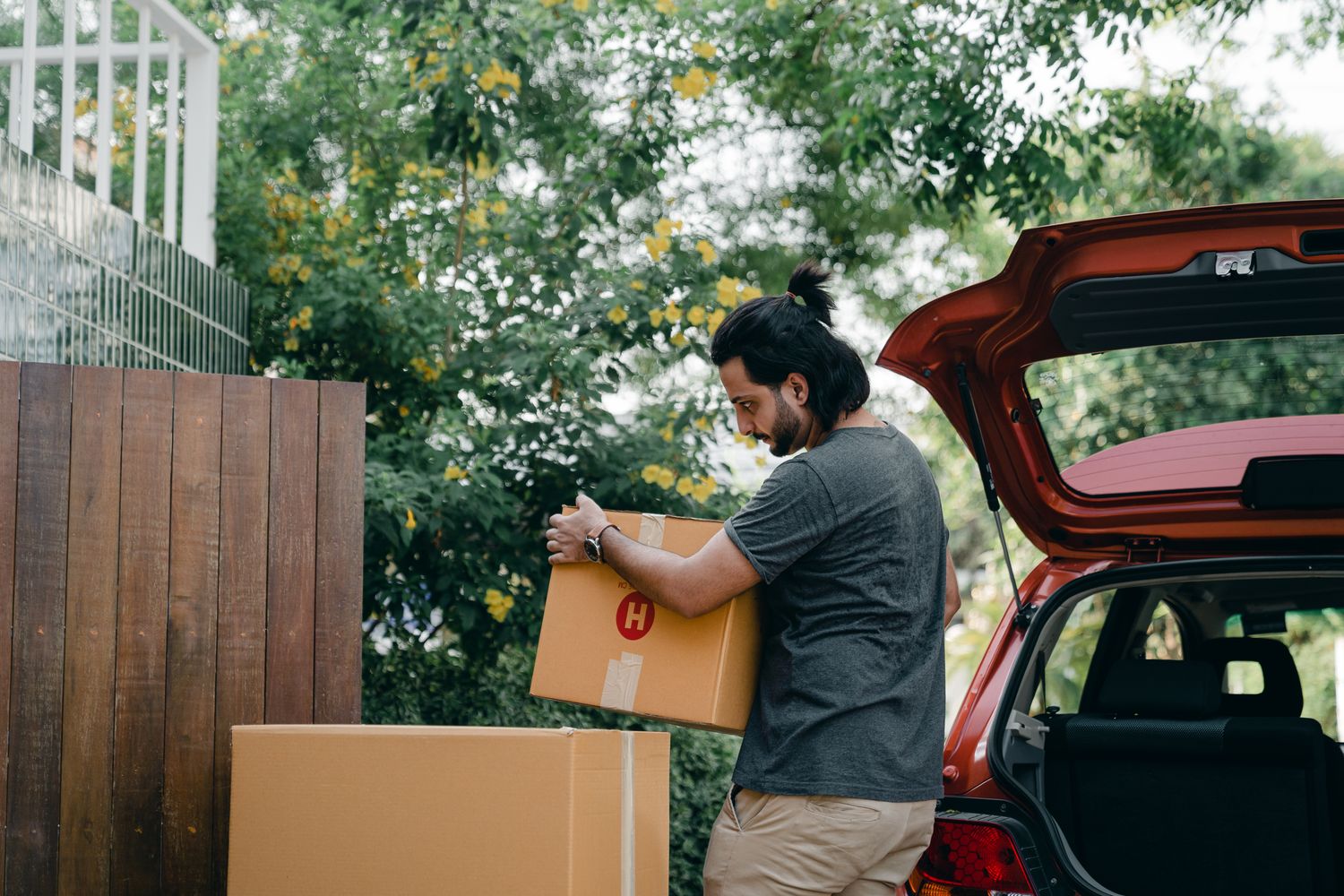
- Squat, don't bend. Drop your hips, keep your back straight, and lift by straightening your legs. Imagine your spine as a solid column and your knees as the hinge.
- Keep the load close. The farther a heavy object is from your body, the more leverage it has to pull you forward. Hug it in tight against your chest and core.
- Never twist while loaded. Turn with your feet, not your waist. Pivoting your spine under load is the fastest way to a herniated disc.
- Plan your path. Clear the route before you pick anything up. Know where you're setting it down so you're never stuck holding 150 pounds while you figure out the next step.
- Know your limit. If something feels too heavy, it is. Get a second person or a tool. Ego has no place on moving day.
Use the Right Tools to Do the Heavy Lifting
Professional movers don't out-muscle furniture — they out-think it. A handful of simple tools turns a back-breaking job into a manageable one.
- Furniture dolly: A four-wheel dolly rolls a 200-pound dresser across a room with one hand. Use it for anything you'd struggle to carry more than a few feet.
- Hand truck (two-wheeler): Perfect for boxes, appliances, and tall narrow items. Tilt and roll instead of lift and carry.
- Moving straps / forearm forklift: Shoulder or forearm straps redistribute weight and let two people lift bulky items using leverage instead of grip strength.
- Furniture sliders: Cheap plastic or felt discs that let you push heavy pieces across the floor without lifting at all.
- Moving blankets: Wrap furniture to protect finishes and your knuckles in tight doorways.
A few dollars of gear saves your back and the corner of every wall in the house.
Getting It Into the Truck Without Damage
The loading dock at the back of your pickup is where a lot of moves go sideways. A tailgate is higher than most people expect, and the angle makes it tempting to lift and twist at the worst possible moment.
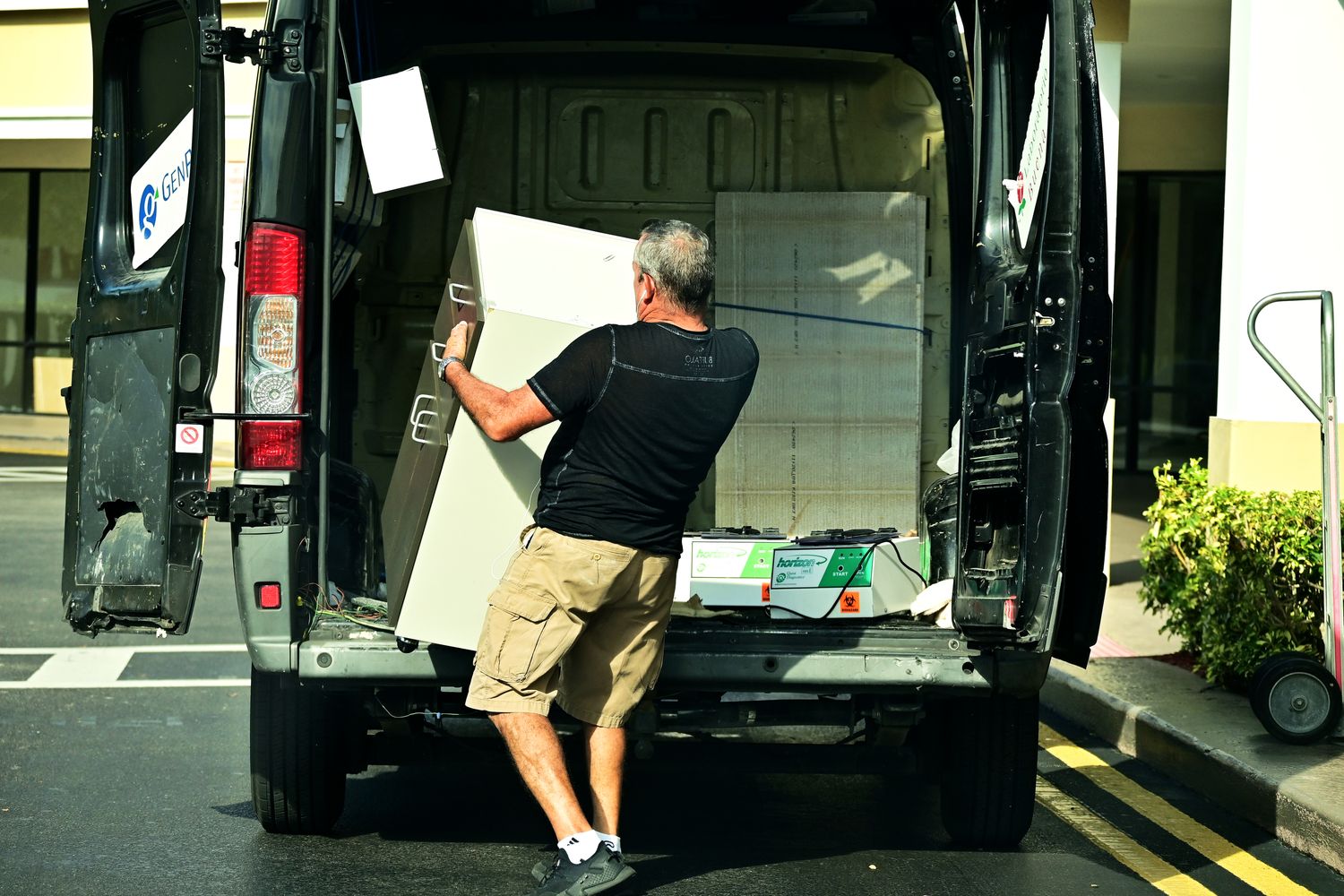
Make truck loading easier and safer with these moves:
- Use a ramp. A loading ramp or even a sturdy plank lets you roll items up on a dolly instead of dead-lifting them onto the bed.
- Load heaviest first, against the cab. Put your heaviest pieces forward and low to keep the center of gravity stable and forward.
- Slide a moving blanket under the tailgate edge to protect both the furniture and your truck's paint.
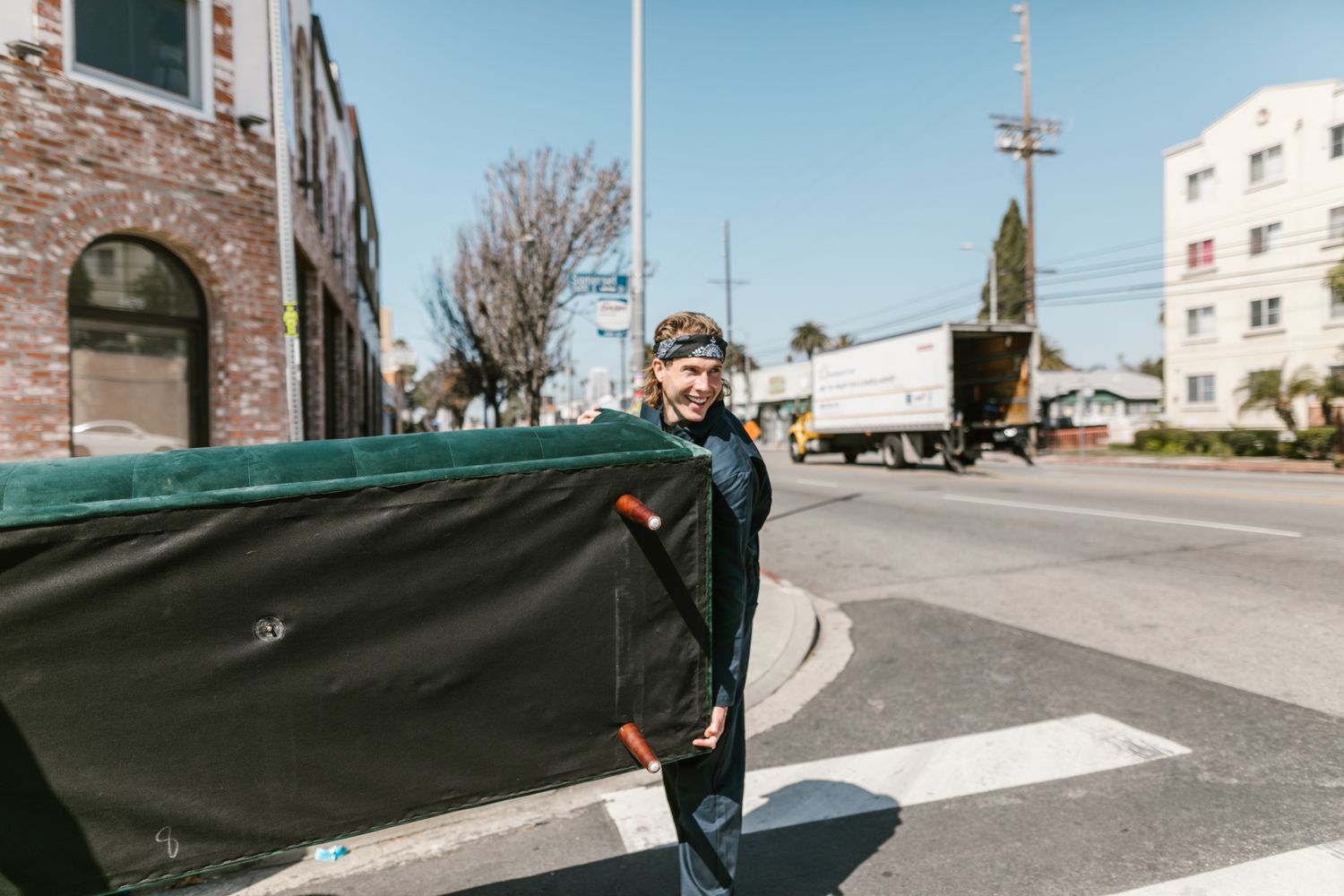
- Team-lift the awkward stuff. Couches, dressers, and appliances are two-person jobs. Communicate every move out loud.
Secure the Load: The Step Most People Skip
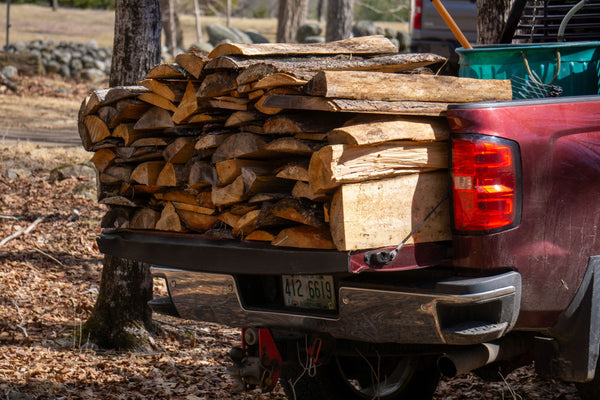
Getting furniture into the truck is only half the job. An unsecured load shifts, slides, and tips the moment you brake or take a corner — and in many states, an improperly secured load is a ticketable offense (not to mention a serious hazard to other drivers).
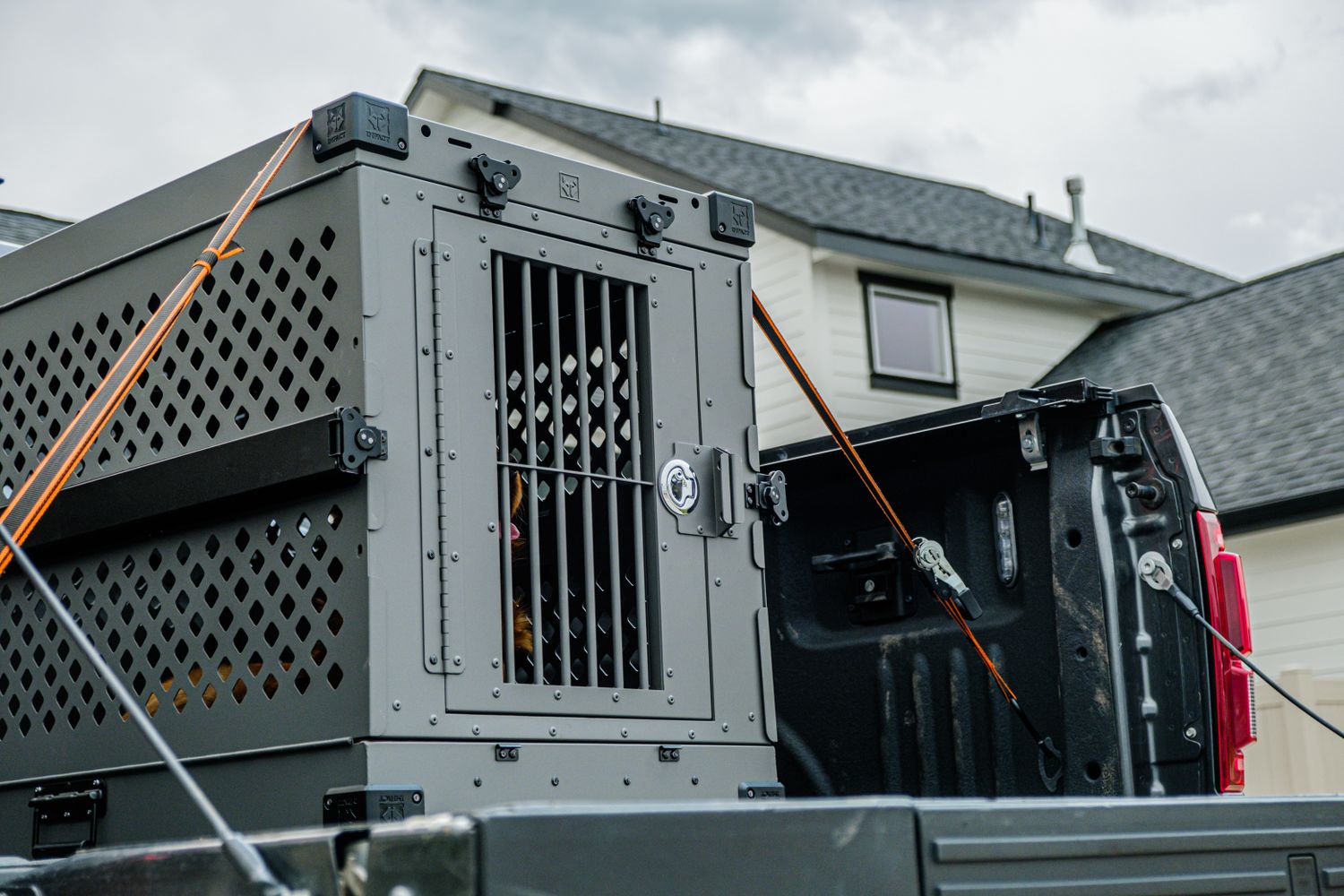
This is where quality ratchet straps earn their keep. Cam-buckle straps are fine for light loads, but for heavy furniture you want ratchet straps that cinch tight and hold under tension. Here's how to do it right:
- Anchor to real tie-down points. Use the bed's built-in anchors or the frame — never a flimsy plastic bracket.
- Strap over the load, not just around it. Run straps across the top to press furniture down into the bed.
- Use soft loops on finished surfaces. Soft-loop ends protect both your furniture and your truck from strap abrasion and metal hooks.
- Tug-test before you roll. Push and pull the load. If anything moves, re-tension. Then check again after the first few miles — straps settle.

Protect Doorways, Floors, and Corners
Damage doesn't only happen in the truck. The trip from the living room to the curb claims plenty of door frames and floors.
- Remove doors if needed. Popping a door off its hinges can buy the inches you need to clear a wide dresser.
- Pad the corners. Use moving blankets or even towels on tight turns and stair railings.
- Protect your floors. Sliders on hardwood, plywood sheets over carpet for dollies.
- Measure first. Know whether the couch actually fits through the door before you're wedged in the hallway.
Disassemble What You Can
The easiest way to move a heavy item is to make it lighter. Take the legs off tables, remove drawers from dressers, pull cushions from sofas, and break down bed frames. Bag and label the hardware so reassembly isn't a treasure hunt. Smaller, lighter pieces are safer to lift, easier to maneuver through doorways, and pack more efficiently in the truck.
Final Word: Plan, Protect, Secure
Moving heavy furniture safely comes down to three habits: lift with your legs and never twist, use tools to do the work your back shouldn't, and never drive off without securing the load. Get those right and moving day becomes a job you finish strong instead of an injury waiting to happen.
The difference between a smooth move and an expensive one is usually a $60 set of ratchet straps and ten minutes of doing it right. For more on hauling and securing gear safely, check out our guide on tow straps vs. recovery straps and browse our full lineup of heavy-duty cargo control gear. Your back — and your tailgate — will thank you.