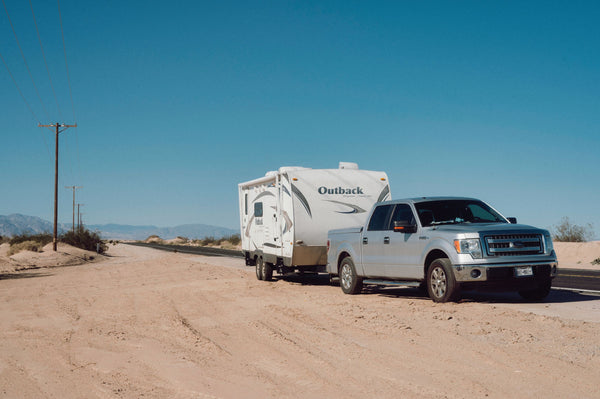


Spring is peak moving season — and whether you're hauling furniture across town or towing gear to a new job site, knowing how to properly load and secure a trailer can mean the difference between a smooth trip and a roadside disaster. Every year, unsecured loads cause over 50,000 accidents in the U.S., according to AAA. Most of those are preventable.
This guide walks you through the entire process: choosing the right trailer, loading it correctly, securing your cargo with the right tie-downs, and driving safely once you're on the road. No prior towing experience required.
Choosing the Right Trailer for Your Load
Before you load a single box, make sure your trailer matches the job. Here's a quick breakdown of common trailer types:
- Utility trailers (open flatbed): Great for furniture, appliances, and bulky items. Easy to load from all sides. Most common for DIY moves.
- Enclosed trailers: Best for weather protection and security. Ideal for long-distance moves or valuable items.
- Car haulers: Purpose-built for towing vehicles — not ideal for general cargo.
Check your tow vehicle's ratings. Every vehicle has a Gross Combined Weight Rating (GCWR) and a towing capacity listed in the owner's manual. Exceeding these limits is dangerous and can void your warranty. A good rule of thumb: keep your loaded trailer weight at 80% or less of your vehicle's max tow rating.
Weight Distribution: The Most Overlooked Step
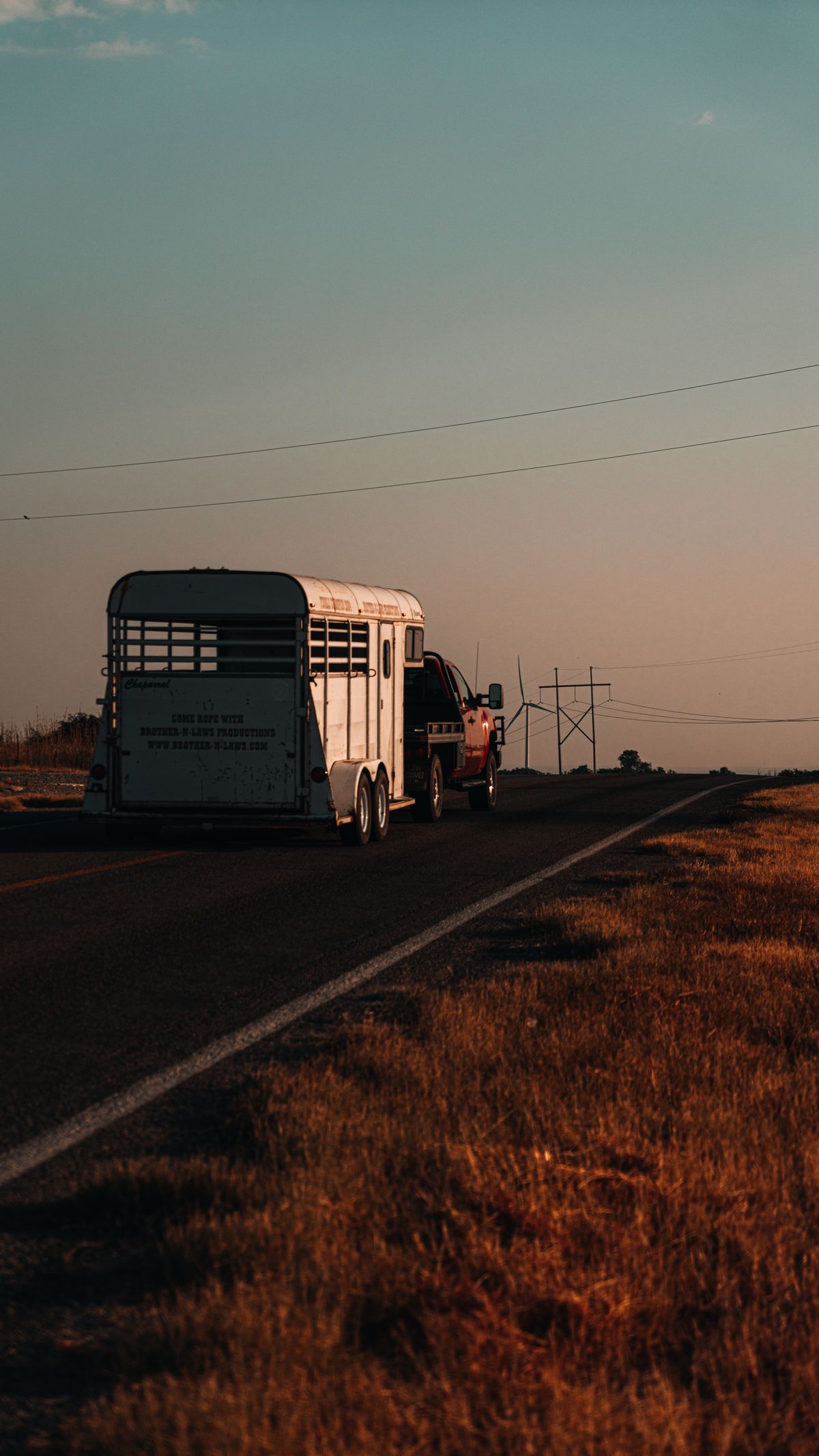
Poor weight distribution is the number one cause of trailer sway — that terrifying side-to-side wobble at highway speed. Here's how to get it right:
- 60/40 rule: Place 60% of the cargo weight in the front half of the trailer (closest to the hitch) and 40% in the rear.
- Heavy items go low and centered: Appliances, toolboxes, and dense items should sit on the trailer floor, centered between the wheels.
- Tongue weight matters: The downward force on your hitch (tongue weight) should be 10–15% of the total trailer weight. Too little causes sway; too much overloads your rear axle.
- Side-to-side balance: Distribute weight evenly left to right. An imbalanced trailer pulls to one side and wears tires unevenly.
How to Secure Cargo With Tie-Down Straps
Loading the trailer is only half the battle. Everything needs to be strapped down — even if the trailer has walls. Sudden stops, sharp turns, and road vibration can shift cargo in seconds.

Types of tie-downs:
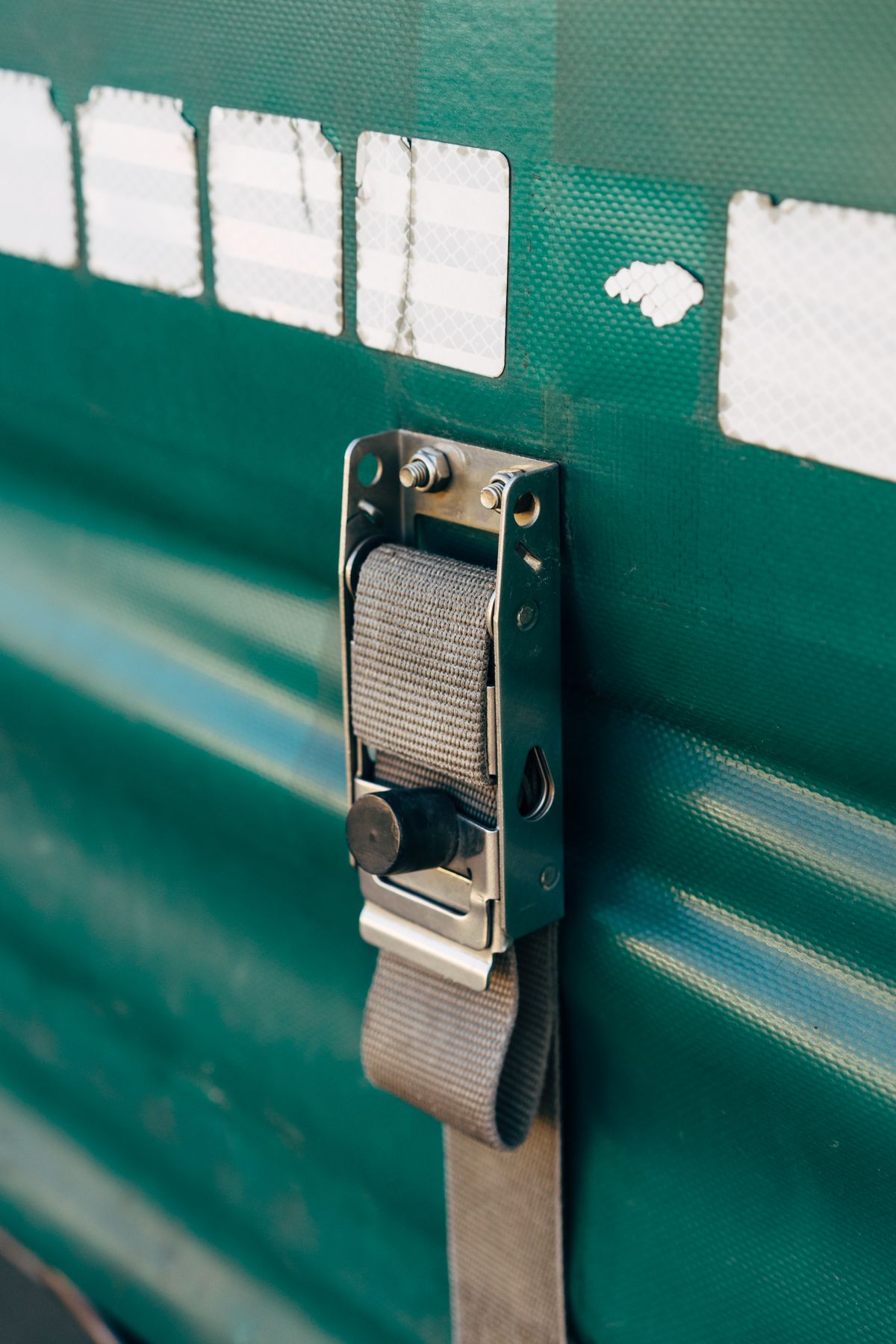
- Ratchet straps: The gold standard for securing heavy loads. They provide precise tension control and won't loosen over time. Look for straps rated well above your cargo weight — the JACO Heavy Duty Ratchet Tie Down Straps are AAR Certified with a 5,208 lb break strength, which gives you serious peace of mind for furniture, appliances, and equipment.
- Cam buckle straps: Good for lighter, delicate items that don't need extreme tension (like boxes of clothing or bedding).
- Bungee cords: Fine for tarps and very light items, but never rely on them as your primary cargo restraint.

Tie-Down Best Practices
Having the right straps matters — but so does using them correctly. Follow these rules:
- Use at least four tie-down points. Two in front, two in back. More is better for heavy or tall items.
- Cross-strap large items. Run straps diagonally in an X pattern over furniture and appliances to prevent shifting in any direction.
- Use soft loops on finished surfaces. Ratchet hooks can scratch paint and wood. Soft loop extensions (included with quality strap sets) protect your cargo.
- Check tension every 50 miles. Road vibration loosens straps gradually. A quick walk-around at your first fuel stop takes 30 seconds and prevents disasters.
- Never wrap straps around themselves. This creates weak points. Always feed straps flat through the ratchet mechanism.

Pre-Trip Trailer Safety Checklist
Before you pull out of the driveway, run through this checklist. It takes five minutes and could save your life:
- Hitch connection: Coupler is locked and pinned. Safety chains are crossed under the tongue (this catches the trailer if the hitch fails).
- Lights: Test all brake lights, turn signals, and running lights. Have someone stand behind the trailer while you cycle through them.
- Tire pressure: Check all trailer tires AND your tow vehicle tires. Underinflated tires overheat and blow out — especially under heavy loads. A reliable tire pressure gauge is essential here.
- Tire condition: Look for cracks, bulges, and uneven wear. Trailer tires sit for long periods and dry-rot faster than car tires.
- Breakaway cable: If your trailer has electric brakes, verify the breakaway cable is connected to your tow vehicle (not the hitch).
- Mirrors: Make sure you can see past both sides of the trailer. Add extended mirrors if needed.
Driving Tips for Towing a Loaded Trailer
Towing changes everything about how your vehicle handles. Even experienced drivers need to adjust:
- Increase following distance. Triple your normal gap. A loaded trailer adds 30–50% to your stopping distance.
- Brake earlier and more gently. Hard braking causes trailer push (jackknifing risk) and accelerates brake fade on long downhills.
- Take turns wider. Your trailer's wheels track inside your vehicle's path. Swing wide on right turns to avoid curbs and obstacles.
- Use lower gears on hills. Engine braking saves your brakes on descents. On climbs, downshift before you lose momentum — not after.
- Avoid sudden lane changes. Signal early, check mirrors twice, and change lanes gradually. Abrupt moves amplify trailer sway.
- If trailer sway starts: Do NOT brake. Ease off the gas, keep the wheel straight, and let the vehicle slow naturally. Braking makes sway worse.
Common Moving-Day Mistakes to Avoid
After helping thousands of customers gear up for moves and hauls, here are the mistakes we see most often:
- Overloading the trailer. It all fit doesn't mean it's safe. Weight limits exist for a reason — respect them.
- Stacking heavy items on top. This raises the center of gravity and dramatically increases rollover risk. Heavy items always go on the floor.
- Using worn-out straps. Frayed, sun-faded, or stretched straps lose up to 50% of their rated strength. Replace them if there's any visible damage.
- Forgetting to secure drawers and doors. Dresser drawers fly open. Refrigerator doors swing. Tape or strap everything shut before loading.
- Skipping the walk-around. A 2-minute check at every stop prevents hours of headache. Look at straps, tires, lights, and hitch every time you stop.
What to Keep in Your Tow Vehicle
Pack a small emergency kit in your cab for any hauling trip:
- Extra ratchet straps (at least two spare)
- Tire pressure gauge
- Basic tool kit (wrenches, pliers, screwdriver)
- Trailer light bulbs or LED replacements
- Wheel chocks
- Flashlight and reflective triangles
- Gloves and a tarp
This isn't paranoia — it's preparation. A $20 kit of extras can save a $2,000 tow bill.
Make Your Move a Smooth One
Hauling a loaded trailer doesn't have to be stressful. With the right preparation — proper weight distribution, quality tie-down straps, a thorough safety check, and patient driving — you'll arrive with everything intact and your nerves in one piece.
Whether you're moving to a new home, hauling equipment to a job site, or loading up for a weekend project, the fundamentals are the same: load smart, strap it down, and take your time on the road.
Related reading: How to Secure Cargo Like a Pro: The Complete Guide to Tie-Down Straps | Cargo Management 101: Securing Loads in Pickup Trucks and SUVs