
The right roof rack can turn a regular SUV into a legitimate adventure rig — more bikes, more gear, more kids' stuff, more room for the cooler that actually matters. The wrong one (or the right one loaded badly) becomes an expensive whistle on the highway, a fuel-economy killer, or worse, a flying cargo box at 70 mph. With Memorial Day weekend kicking things off and a full summer of road trips ahead, here's how to choose a roof rack, install it without overthinking it, and load it so nothing on top of your vehicle ever becomes a problem.
How Roof Rack Systems Actually Work
Most factory-equipped SUVs and crossovers come with raised side rails or flush rails that look like a rack but aren't one yet. You still need crossbars — the two horizontal load-bearing tubes — to actually carry anything. If your vehicle has no rails at all, you'll need a clip-mount tower system that grips the door frame.
A complete rooftop carrying system has four parts:
- Crossbars — the working surface. Aero (wing-shaped) bars are quieter and more efficient than round or square bars.
- Towers or feet — connect crossbars to the vehicle. Each brand has its own foot pack.
- Fit kit — vehicle-specific clips, pads, or hardware that match your exact make, model, and roof type.
- Accessories — bike trays, kayak saddles, ski mounts, cargo baskets, and rooftop boxes that mount to the bars.
The big players — Thule, Yakima, Rhino-Rack, INNO, and Rola — each lock you into their own ecosystem. Pick a brand based on the accessories you actually plan to use, because mixing brands gets expensive fast.
Hardshell Cargo Box vs. Soft Cargo Bag
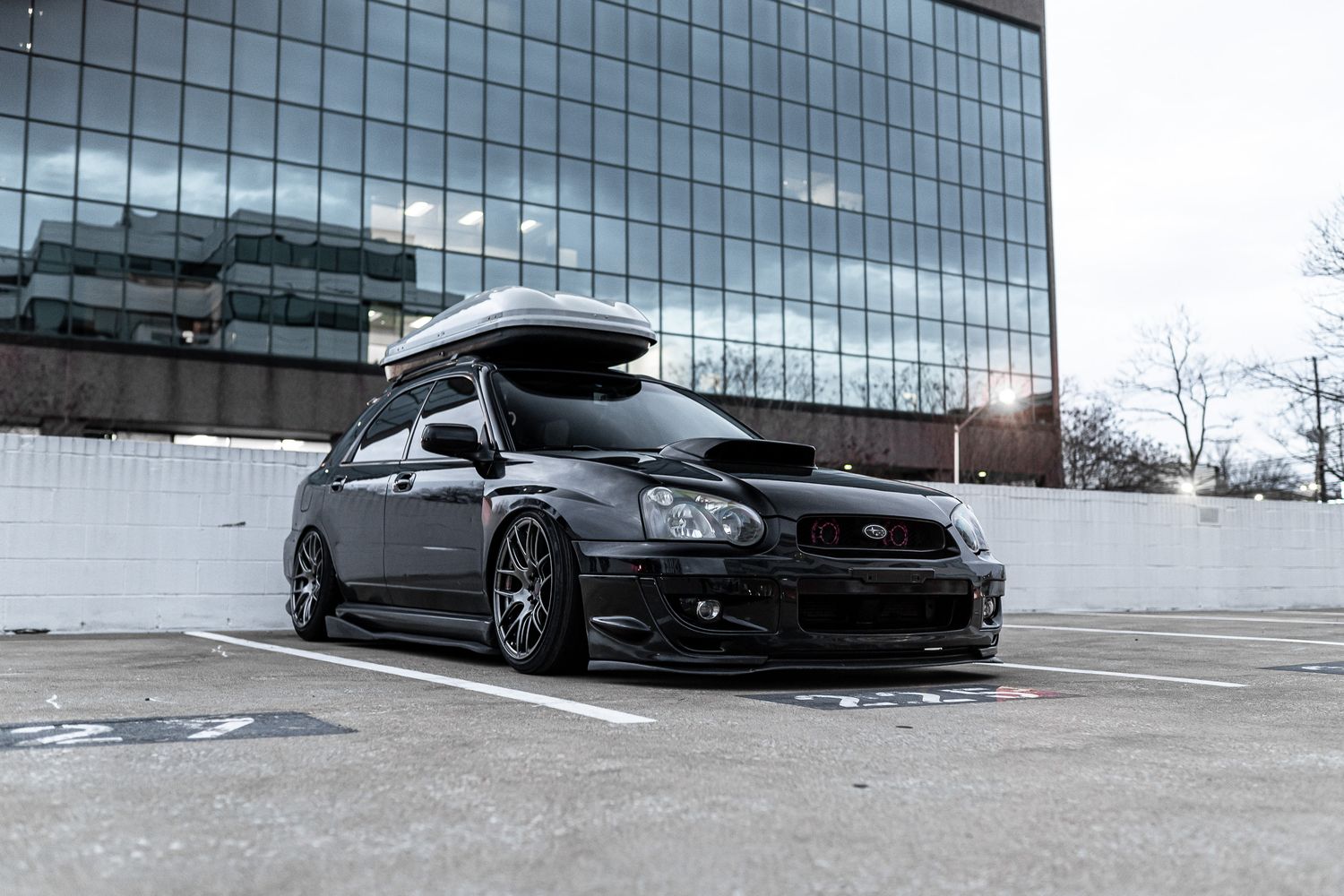
Both work. They solve different problems.
Hardshell Cargo Box
Best for: people who travel often, store gear in the box between trips, or haul anything that hates rain. Hardshells are weather-sealed, locking, aerodynamic, and keep their shape under load.
- Capacity: 11–22 cubic feet (small to XL)
- Cost: $300–$900 new
- Downsides: bulky to store, higher wind noise than nothing, permanent garage-clearance issue
Soft Cargo Bag
Best for: occasional use, renters, or anyone who doesn't want a $700 plastic clamshell taking up garage space 50 weeks a year. Modern soft bags are surprisingly weather-resistant and pack down to the size of a duffel.
- Capacity: 9–18 cubic feet
- Cost: $80–$200
- Downsides: less aerodynamic, no built-in lock, slightly more vulnerable to abrasion
If you take three or more road trips a year, the hardshell pays for itself in convenience. If it's once or twice, the soft bag is the smart move.
Weight Limits — The Number Most People Ignore
Every vehicle has a dynamic roof load rating, and it's almost always lower than people assume. Most crossovers are rated for 150–165 lbs of moving roof weight. Body-on-frame SUVs and trucks may handle 220+ lbs. Check your owner's manual — it's listed under "loading" or "roof rack."
That number includes everything: the crossbars, the cargo box or bag, and the gear inside. A 50-lb cargo box plus 100 lbs of camping gear already puts a typical crossover at the redline.
Static load (vehicle parked, like for a rooftop tent) is usually 2–3x higher than dynamic, which is why rooftop tents work — they're heavy but only loaded when stationary.
Installation: What Actually Matters
Most aftermarket rack systems install in 20–40 minutes with basic tools. Two rules will save you a headache:
- Buy the fit kit for your exact vehicle, including the year. A 2018 RAV4 fit kit won't necessarily work on a 2019.
- Torque the towers to spec. Most brands include a torque indicator or a click-stop wrench. Over-tightening damages the roof; under-tightening lets the bars shift.
After installation, drive for a few miles, then re-check tightness. Bars settle. This 30-second habit prevents 99% of "my rack is loose" complaints.
Loading Long, Awkward Gear (Bikes, Kayaks, Lumber, Skis)
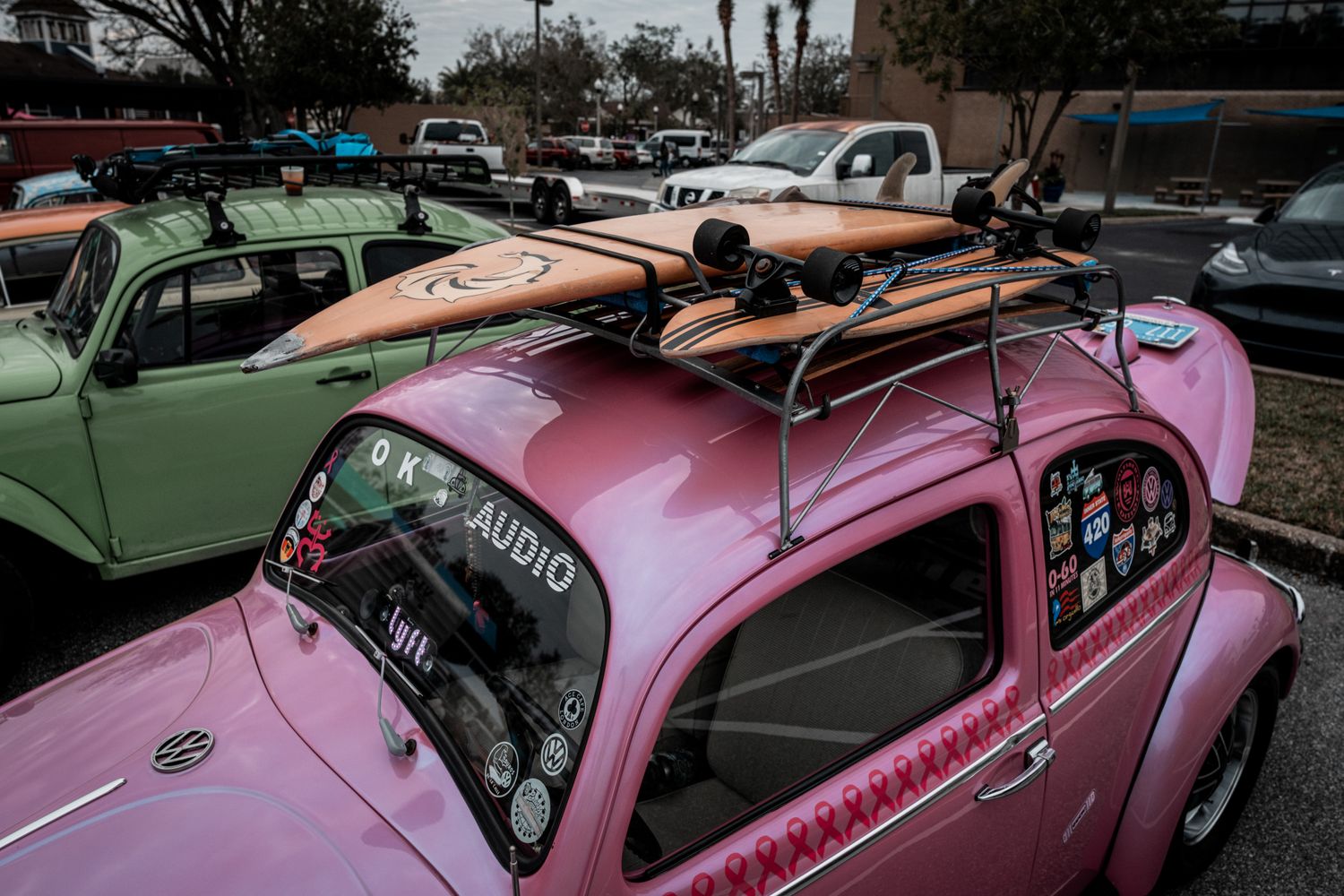
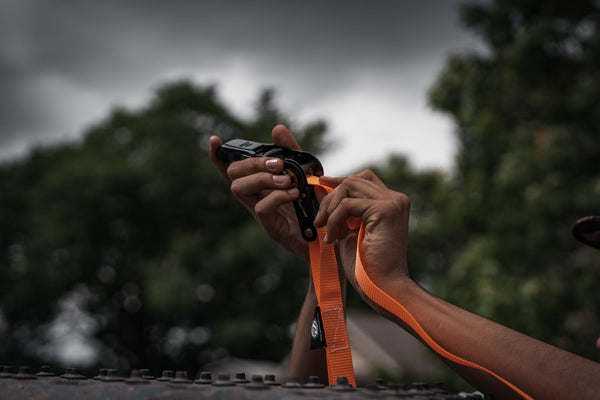
For long items — kayaks, paddleboards, ladders, lumber, surfboards — most riders rely on a combination of dedicated accessories and a pair of solid ratchet or cam straps as a backup.
Best practices for any long load:
- Two crossbars minimum, spaced as wide as your vehicle allows.
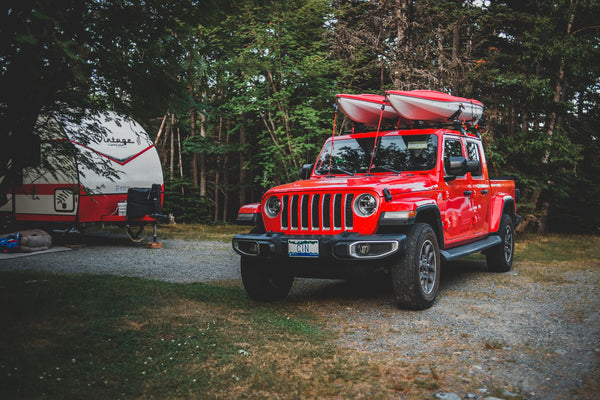
- Bow and stern lines for kayaks/canoes — front and rear tie-downs anchored to the bumper or hood loops. This prevents the boat from sailing off in a crosswind.
- Red flag on anything overhanging the rear by more than 4 feet (federal DOT rule).
- Tighten in stages, alternating sides, so the load stays centered.
The Real Cost of a Roof Load: Fuel Economy and Noise
An empty aero crossbar set costs you about 1–3% in fuel economy at highway speeds. Add a cargo box, and you're looking at 8–15% worse mpg. A rooftop tent or fully loaded basket can drop fuel economy 20% or more.
Translation: a typical 25-mpg crossover on a 1,000-mile road trip with a loaded cargo box burns an extra 5–6 gallons of fuel — call it $20–$25. Worth it if you actually need the space. Wasteful if you're driving around with an empty box for six months because removing it sounds annoying.
Wind noise is the other tax. Aero bars are dramatically quieter than round bars. If your bars whistle, a $15 aftermarket wind fairing kills 90% of it.
Securing a Soft Bag or Loose Gear With Straps
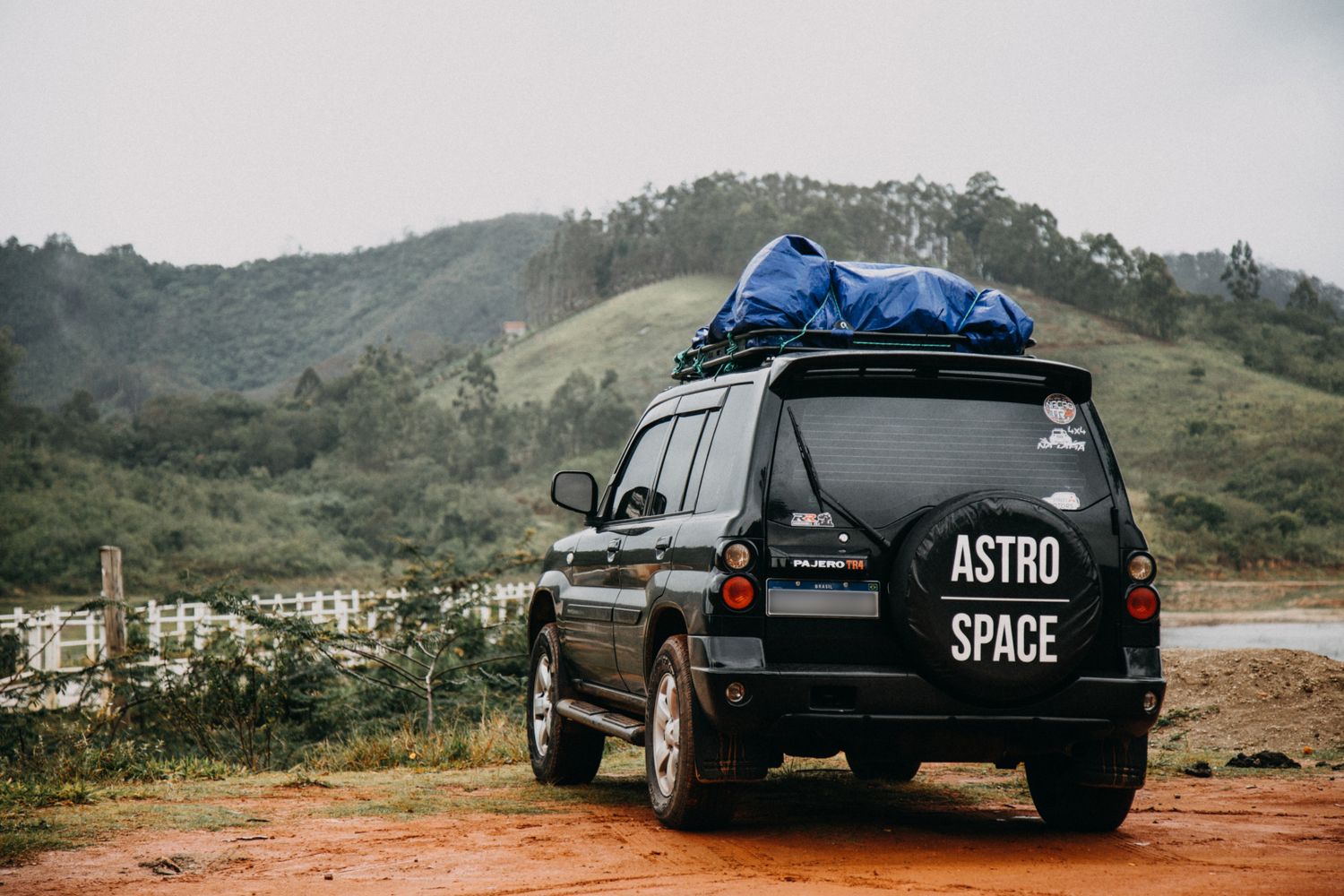
This is where most rooftop loads fail. A cargo bag is only as good as the straps holding it down, and pulling on the bag's built-in nylon flaps with hand strength alone is not enough for highway speeds.
Use proper tie-downs across the load in both directions — front-to-back AND side-to-side — and route the straps under the crossbars (not the bag's handles) so the bag can't slip off if a strap loosens. Cam straps work great for soft compressible loads; ratchets are better for hard items and big boxes where you want maximum tension and zero movement.

What to Pack Up Top vs. What to Leave Inside

Treat the roof like overflow storage, not main storage. Up there: bulky, lighter items — tents, sleeping bags, soft bags, camp chairs, jackets, kayaks, skis. Inside: heavy stuff that affects handling. Coolers full of ice belong in the cargo area, not on the roof. Same for tool bags, generators, batteries, and anything dense.
The closer the heavy weight stays to the vehicle's center of gravity, the safer the vehicle handles in crosswinds, evasive maneuvers, and sudden braking. Stacking a heavy cooler on the roof raises that center of gravity in exactly the wrong direction.
Final Pre-Trip Checklist
- Crossbars torqued and re-checked after 5–10 miles
- Cargo box latched and locked; soft bag fully zipped
- Tie-downs in both directions, tight but not crushing
- Front and rear lines on long loads (kayaks, lumber)
- Total roof weight within your vehicle's dynamic rating
- No loose straps flapping (they fray and they're loud)
- Garage clearance memorized — many people learn the hard way
A good rooftop setup is one of the highest-leverage upgrades you can make for road-trip season. Choose the right system once, install it carefully, load it smart, and you've got years of more space, more flexibility, and more freedom to bring the gear you actually want to bring. For more on hauling and tie-downs, see our guide on using ratchet straps for secure load tie-downs.