
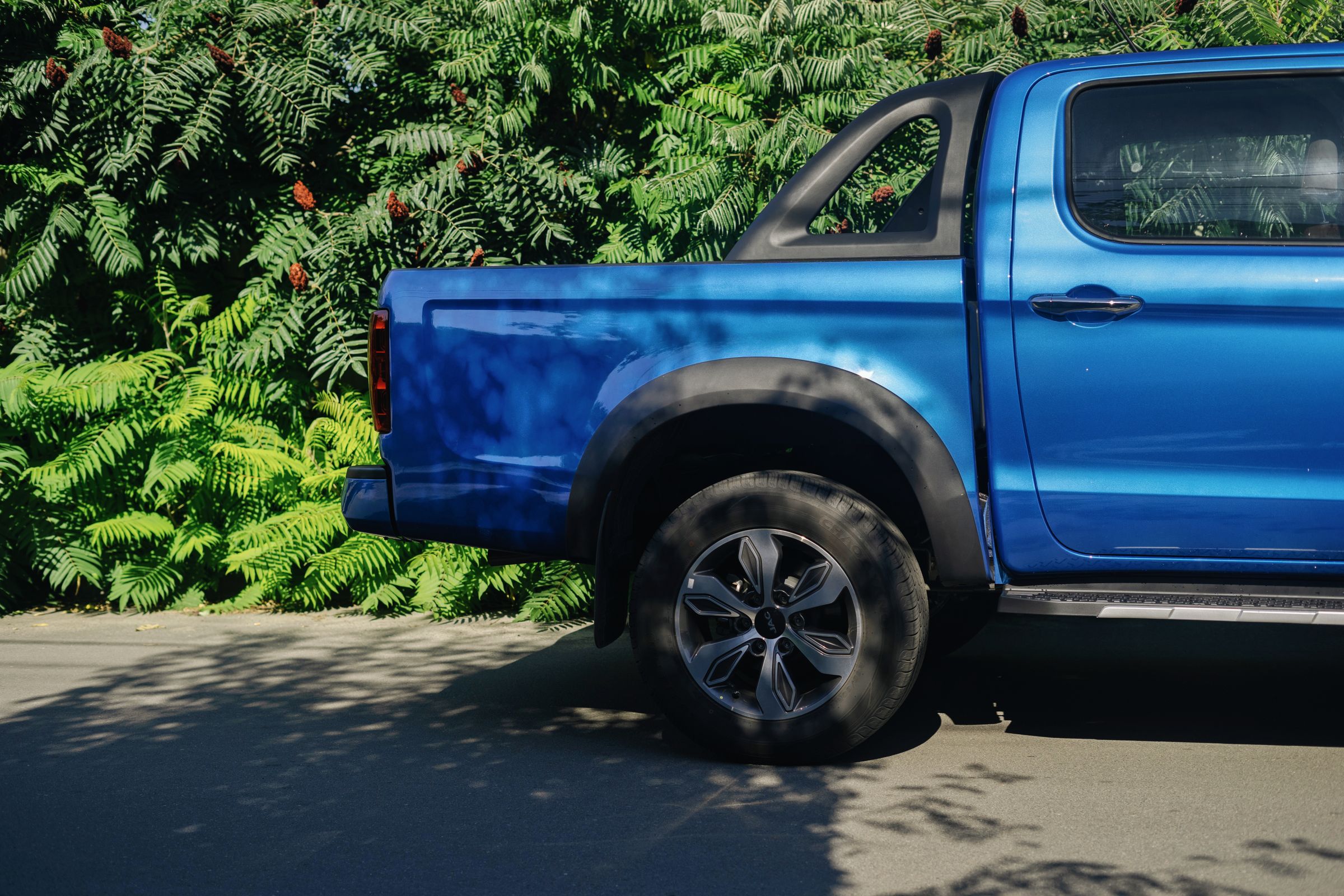
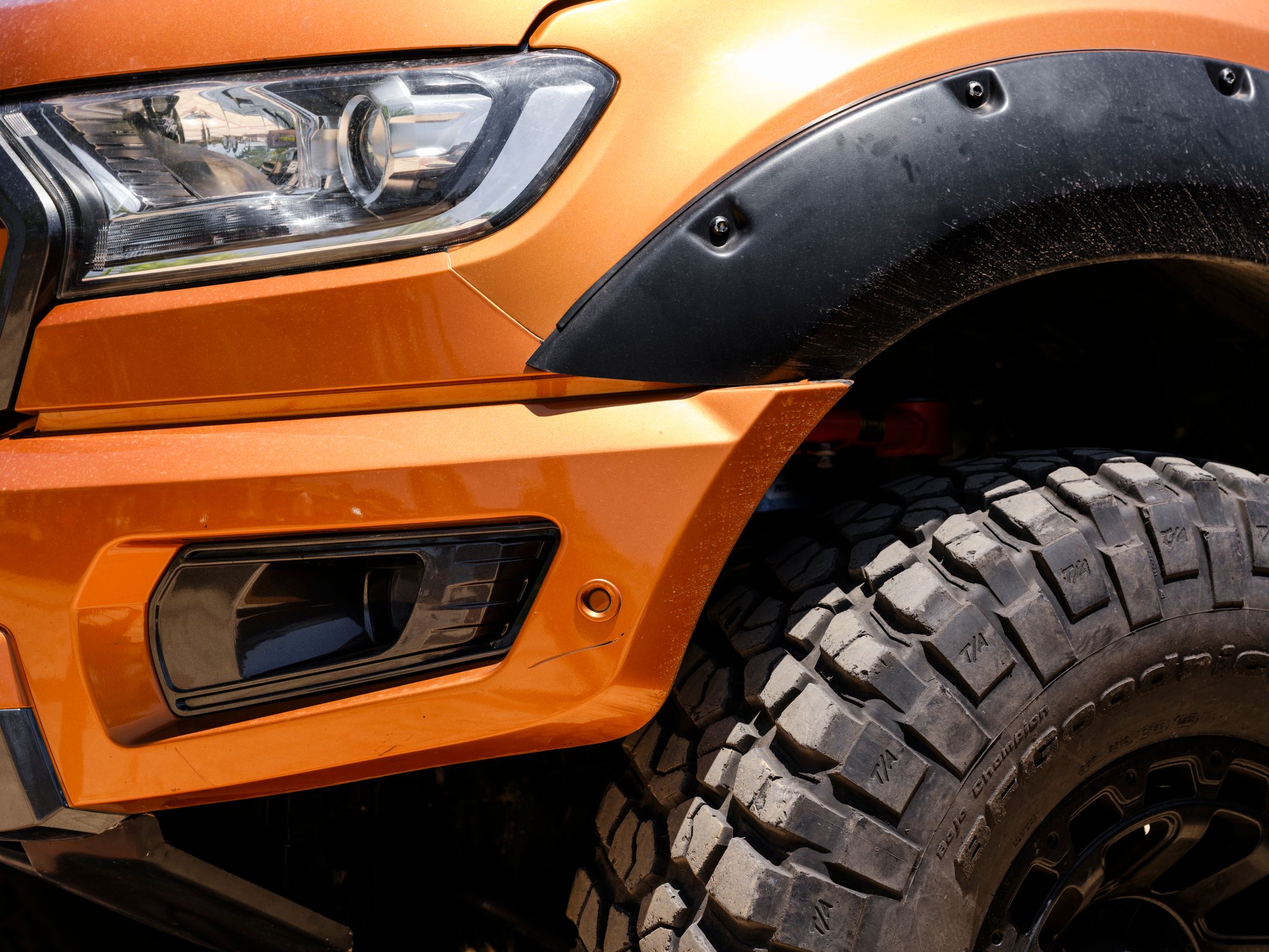
You wash your truck, step back to admire it—and then you see them. The bumpers, fender flares, side moldings, and mirror housings that used to be a deep, rich black have turned a chalky, faded gray. It's the single most common aging issue on trucks and SUVs, and it makes even a well-maintained vehicle look tired and neglected.
The good news: restoring faded black plastic trim is one of the easiest, most satisfying detailing jobs you can do at home, and the results are dramatic. The catch is that not every product lasts the same amount of time, and some “fixes” you find online will actually damage your trim. Here's exactly why plastic fades, every method ranked by how long it lasts, and how to keep your rubber seals from cracking in the process.
Why Black Plastic Trim Fades in the First Place
That gray, chalky look isn't dirt—it's chemistry. Most exterior trim is molded from ABS or polypropylene plastic, tinted deep black with carbon-black pigment. Years of UV radiation from the sun slowly oxidize that pigment and break down the surface layer of the plastic itself.
The result is a microscopically rough, porous surface that scatters light instead of reflecting it—so it reads as gray. It doesn't hurt the structural strength of the part, but it absolutely hurts the look, and it's a real hit to resale value. The upside is that the fade is only skin-deep, which is exactly why restoration works.
Step One: Clean and Prep the Surface
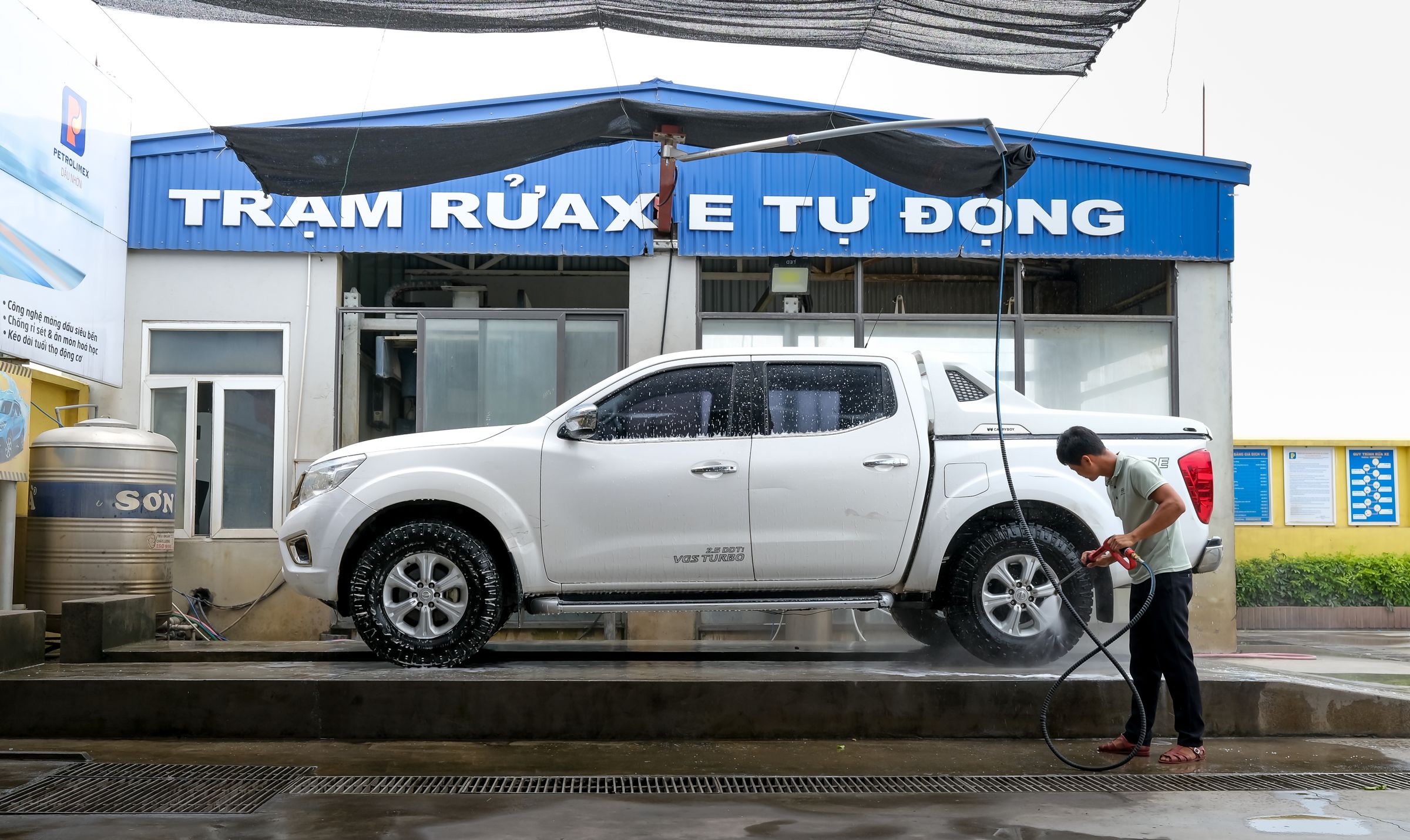
No trim product bonds to a dirty, waxy surface. Before you restore anything, wash the trim with soap and water, then wipe it down with isopropyl alcohol (IPA) to strip off old dressings, silicone residue, and road film. This single step is the difference between a restoration that lasts months and one that flakes off in a week.
For heavily oxidized pieces, a lot of detailers use the “heat trick”: warming the plastic first (more on that below) or scrubbing with a stiff brush to knock the loose oxidized layer off before applying product. Whatever you do, make sure the surface is bone-dry before the restorer goes on.
The Fixes, Ranked by How Long They Last
Temporary: Silicone Sprays (2–6 weeks)
Silicone-based dressings like the classic spray-and-wipe protectants are cheap, fast, and everywhere. They sit on top of the plastic and darken it instantly—great for a quick refresh before selling or photographing a vehicle. The downsides: they wash off in a few weeks, they can look greasy, and they bead up awkwardly when it rains. Think of these as a maintenance top-up between real details, not a lasting fix.
Semi-Permanent: Oil and Resin Restorers (3–12 months)
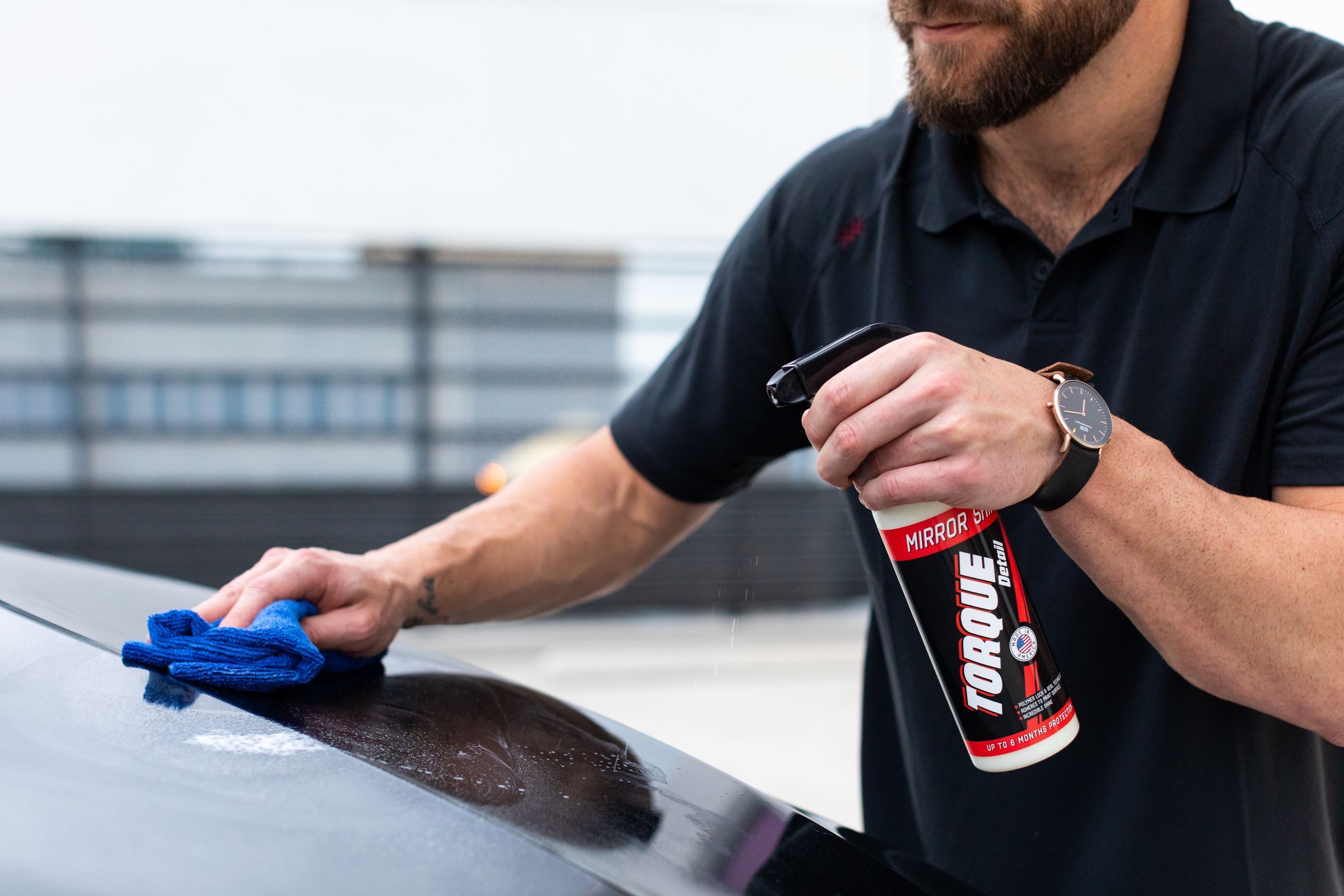
This is the sweet spot for most people. Oil-based and resin restorers—think Meguiar's Ultimate Black or a dedicated trim coating—actually penetrate the surface of the plastic rather than just coating it. They last anywhere from three months to a full year depending on sun exposure, and they leave a satin, factory-fresh finish instead of a wet, greasy shine.
For best results, warm the trim slightly and remove any old silicone first, then apply a thin, even coat with an applicator pad and let it cure. One application on a truck's flares and bumpers takes maybe 20 minutes and holds up through a full season.
The Free Method: A Heat Gun (a few months)
Here's the one that surprises people: a heat gun on a medium setting, held 4–6 inches away and kept moving, warms the plastic just enough to draw residual oils in the material back to the surface—instantly darkening it with zero product. For light-to-moderate fading it works remarkably well and costs nothing if you already own a heat gun.
The catch: too much heat, or holding it in one spot, can warp or scorch thin plastic. Keep it moving, never let the surface get too hot to touch, and test a hidden area first. The finish lasts a few months, then you simply repeat it.
Permanent: Trim Paint or Plastic Dye (3–7 years)
For trim that's chalked out completely and won't respond to restorers, a satin-black trim paint or plastic dye is the only true long-term fix. A product like Dupli-Color Trim Paint bonds to and fills the oxidized pores, restoring an OEM satin-black look for years.
Prep is everything here: clean with IPA, mask off every adjacent painted panel, and apply several thin coats rather than one heavy one. It's more work, but it's the fix that lasts 3 to 7 years—genuinely permanent for most owners.
Don't Forget the Rubber Seals
Your door and window weatherstripping ages the same way trim does—except cracked, dried-out rubber leads to wind noise, water leaks, and doors that freeze shut in winter. Keep seals supple with a silicone-based protectant like 303 Aerospace Protectant or a dedicated rubber seal conditioner, applied twice a year in spring and fall.
One hard rule: never use WD-40 or any petroleum-based product on rubber seals. Petroleum distillates soften and degrade rubber over time—the opposite of what you want. Stick to silicone-based protectants only.
The Resale Math Makes It a No-Brainer
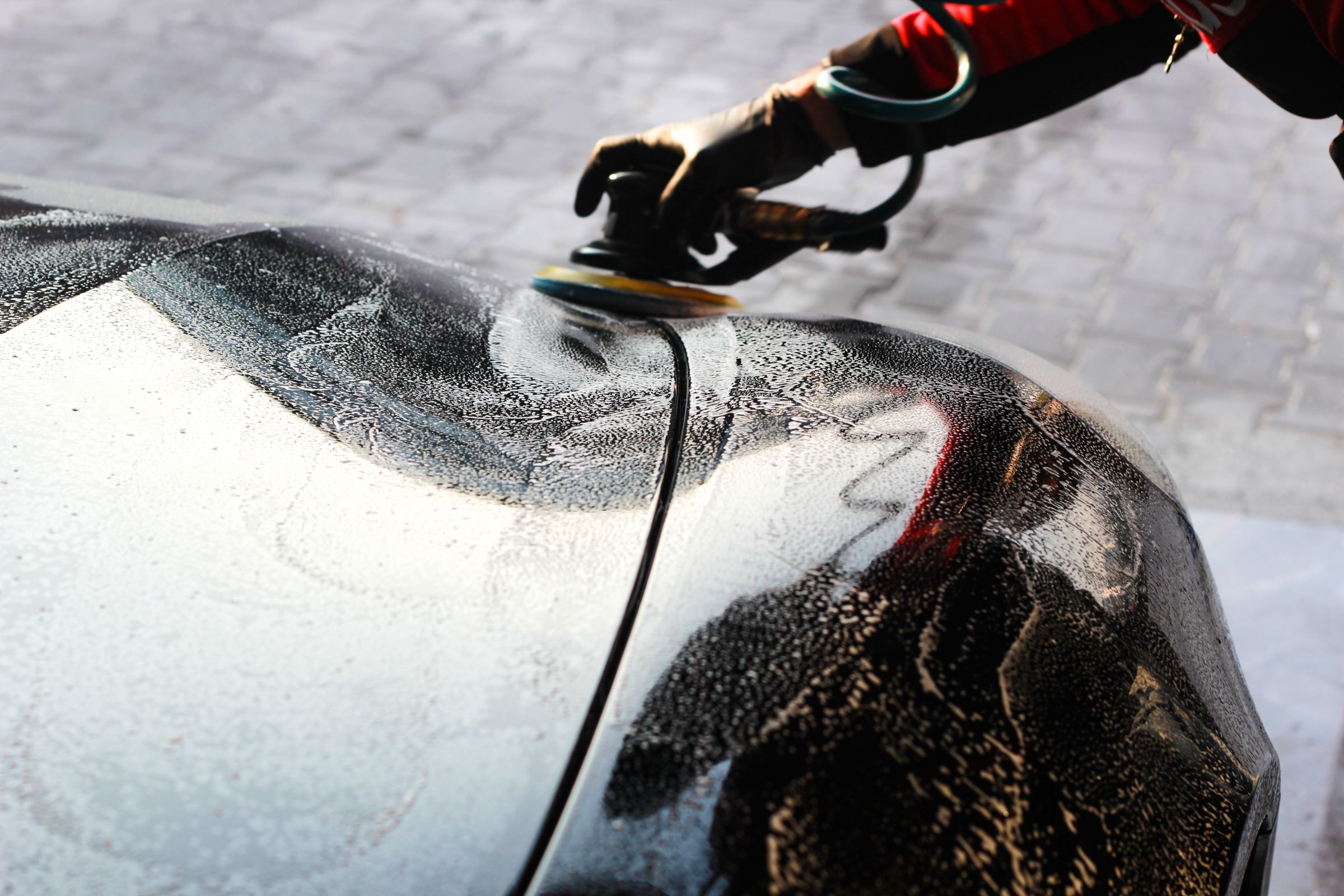
Here's why this small job matters more than you'd think: a set of faded, chalky trim panels can knock $300 to $800 off a truck's private-sale value, because it signals neglect to every buyer who walks up. A two-hour detail with a $15 bottle of trim restorer erases that instantly—one of the highest-return afternoons you can spend on your vehicle.
And while you're going over your rig with a detailer's eye, it's the perfect time to knock out the rest of the quick-win maintenance that keeps a truck looking and running its best—starting with the tires. A quick pressure check catches slow leaks and uneven wear before they cost you, and an accurate gauge is the cheapest insurance in your glovebox.

Match the Method to the Fade
Restoring faded trim isn't complicated once you know the landscape. For a quick refresh, reach for a silicone spray. For the best everyday balance of looks and longevity, use an oil or resin restorer. Try the free heat-gun trick if you like fast, no-cost results. And for trim that's beyond saving, trim paint is the permanent answer.
Whatever route you take, prep the surface properly, protect your rubber seals with silicone (never petroleum), and you'll keep your truck or SUV looking sharp—and holding its value—for years. For more DIY maintenance guides and gear built for the job, browse the full JACO collection.