
Your tires can fail long before the tread ever wears out. Dry rot — the slow breakdown of tire rubber from age, sunlight, and heat — quietly turns a perfectly good-looking tire into a blowout waiting to happen. The scary part? A tire can have 80% of its tread left and still be dangerously compromised by dry rot. Knowing how to spot it early is one of the simplest ways to keep your family, your rig, and everyone else on the road safe.
In this guide, we’ll break down exactly what tire dry rot is, what causes it, the warning signs to look for, and when a cracked tire crosses the line from “keep an eye on it” to “replace it now.”
What Is Tire Dry Rot?
Dry rot — also called sidewall cracking or weather checking — is the deterioration of the rubber compounds in your tires. Modern tires are engineered with oils and flexible polymers that keep the rubber supple. Over time, those oils evaporate and the rubber loses its elasticity. The result is a brittle surface that cracks, flakes, and eventually crumbles.
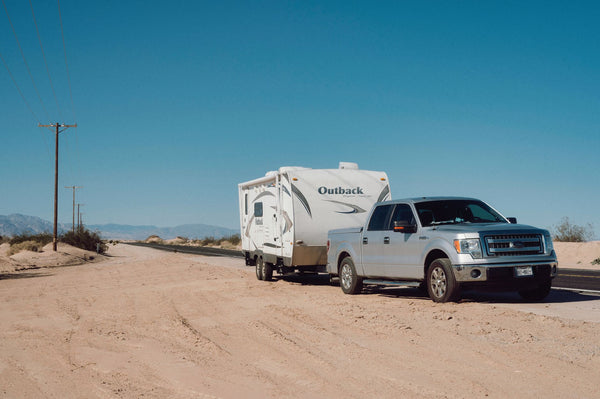
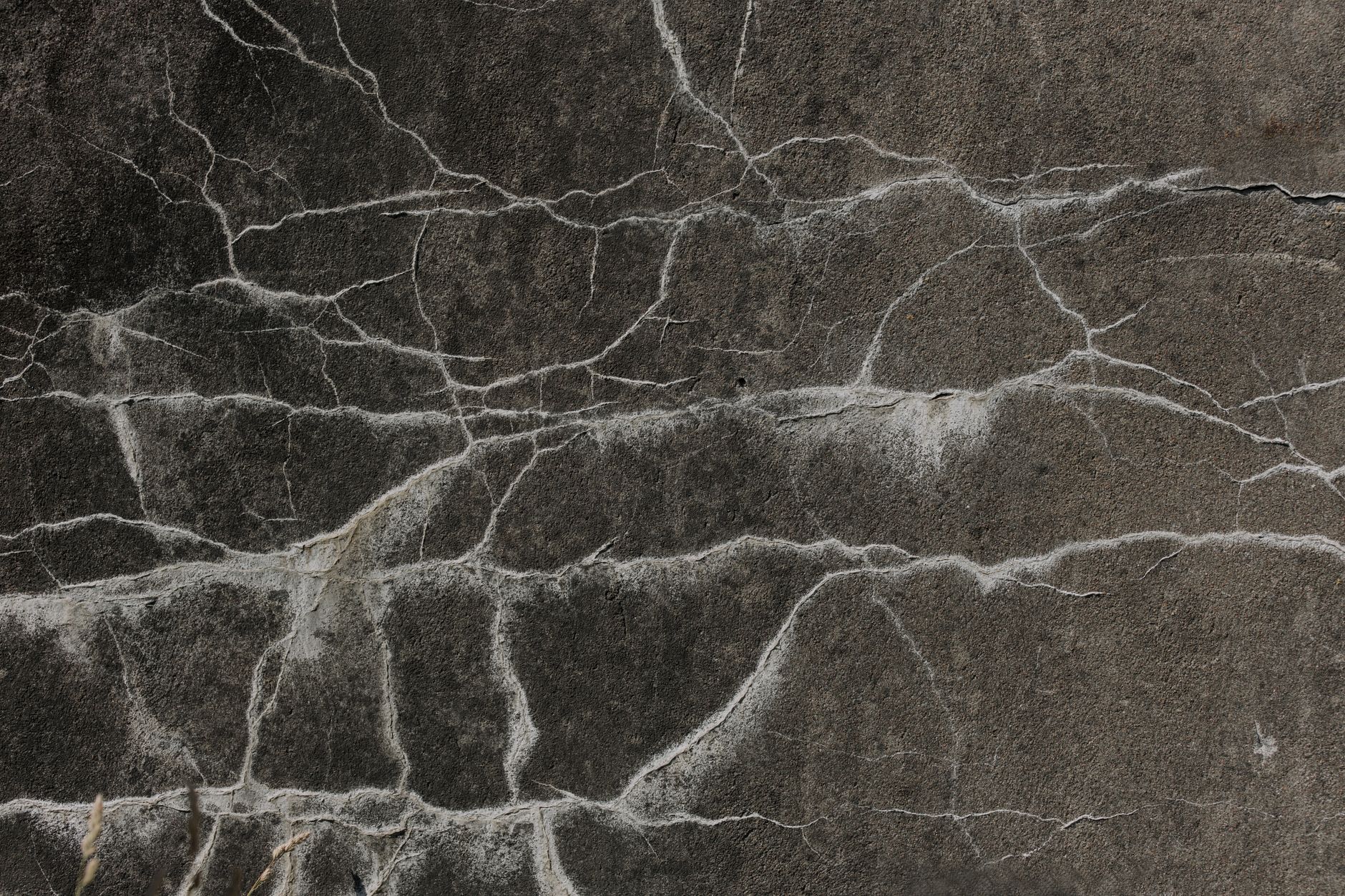
Unlike a puncture or a bald tread, dry rot attacks the structural integrity of the tire from the outside in. It often starts as fine, spiderweb-like cracks in the sidewall or between the tread blocks, then deepens until the rubber can no longer flex safely at highway speeds. Because it’s driven by time and environment rather than mileage, dry rot can strike a tire that’s barely been driven — think spare tires, trailer tires, RV tires, and vehicles that sit for months at a time.
What Causes Dry Rot on Tires?
Dry rot isn’t random. A handful of predictable culprits accelerate it:
- UV exposure and sunlight. Ultraviolet rays are the number-one enemy of tire rubber. Cars parked outside day after day age far faster than garaged vehicles.
- Heat and temperature swings. Repeated heating and cooling drives the protective oils out of the rubber. Hot climates and hot pavement speed things up.
- Age. Even unused tires degrade. Most manufacturers recommend replacing tires at 6–10 years old regardless of tread depth.
- Low use and long storage. Tires actually benefit from being driven — rolling works the protective compounds to the surface. Vehicles that sit are prime dry-rot candidates.
- Chronic underinflation. A tire run low on air flexes abnormally and builds excess heat, which breaks down rubber faster and worsens cracking.
- Harsh chemicals. Some tire-shine products and petroleum-based cleaners strip the protective coating and actually accelerate cracking.
That last point about underinflation is worth emphasizing: keeping your tires at the correct pressure is one of the easiest, cheapest ways to slow dry rot. A tire running 8–10 PSI low generates far more internal heat, and heat is what cooks the oils out of the rubber. A quick monthly pressure check with an accurate gauge protects both your fuel economy and the long-term health of your rubber.

Warning Signs: How to Spot Dry Rot

Catching dry rot early comes down to a two-minute visual inspection. Walk around your vehicle and look closely at each tire for these red flags:
- Spiderweb or hairline cracks. Fine cracks fanning across the sidewall or in the grooves between tread blocks are the classic first sign.
- Faded, gray, or chalky color. Healthy rubber is deep black. A dull, grayish, sun-bleached look means the protective compounds are gone.
- Brittle, dry surface. Rub your fingers across the rubber — if it feels hard, rough, or dusty instead of slightly flexible, that’s trouble.
- Flaking or crumbling rubber. Small pieces coming off the surface mean the deterioration is advanced.
- Cracks along the tread edges. Cracking where the tread meets the sidewall is especially dangerous because of the stress that area handles.
Where to Look and How to Check

Give each tire a thorough once-over in good light. Focus on three zones:
- The sidewall — the flat outer face of the tire. This is where weather checking usually appears first.
- The tread grooves — look down into the channels for cracking at the base of the tread blocks.
- The inner sidewall — turn the wheels to full lock or crouch down to inspect the inside face, which sees less airflow and can hide damage.
While you’re down there, it’s smart to check tread depth too. Dry rot and worn tread often show up together on neglected tires, and a quick tread reading tells you whether the tire is worth keeping at all. A dedicated tread depth gauge takes the guesswork out of the “penny test” and gives you an exact reading in 1/32-inch increments.

When Is Cracking Dangerous Enough to Replace?
Not every tiny crack means an immediate replacement — but some absolutely do. Use this rule of thumb:
- Fine surface cracks only: If the cracks are shallow and cosmetic (you can’t fit a fingernail in them), the tire is likely still usable — but monitor it closely and address the underlying cause (UV, underinflation, chemicals).
- Deep cracks: If cracks are deep enough to see into, wide, or you can insert a fingernail, replace the tire. The structural rubber is compromised.
- Cracks exposing cords or belts: If you can see the fabric or steel belts beneath the rubber, the tire is unsafe to drive on — replace it immediately.
- Cracking plus age: Any visible cracking on a tire 6+ years old is a strong signal to replace, even if it looks minor.
When in doubt, have a tire professional take a look. Dry rot is progressive — it only gets worse — and a sidewall failure at highway speed is one of the most dangerous things that can happen to a vehicle.
How to Prevent Tire Dry Rot
You can’t stop tires from aging, but you can dramatically slow dry rot with a few habits:
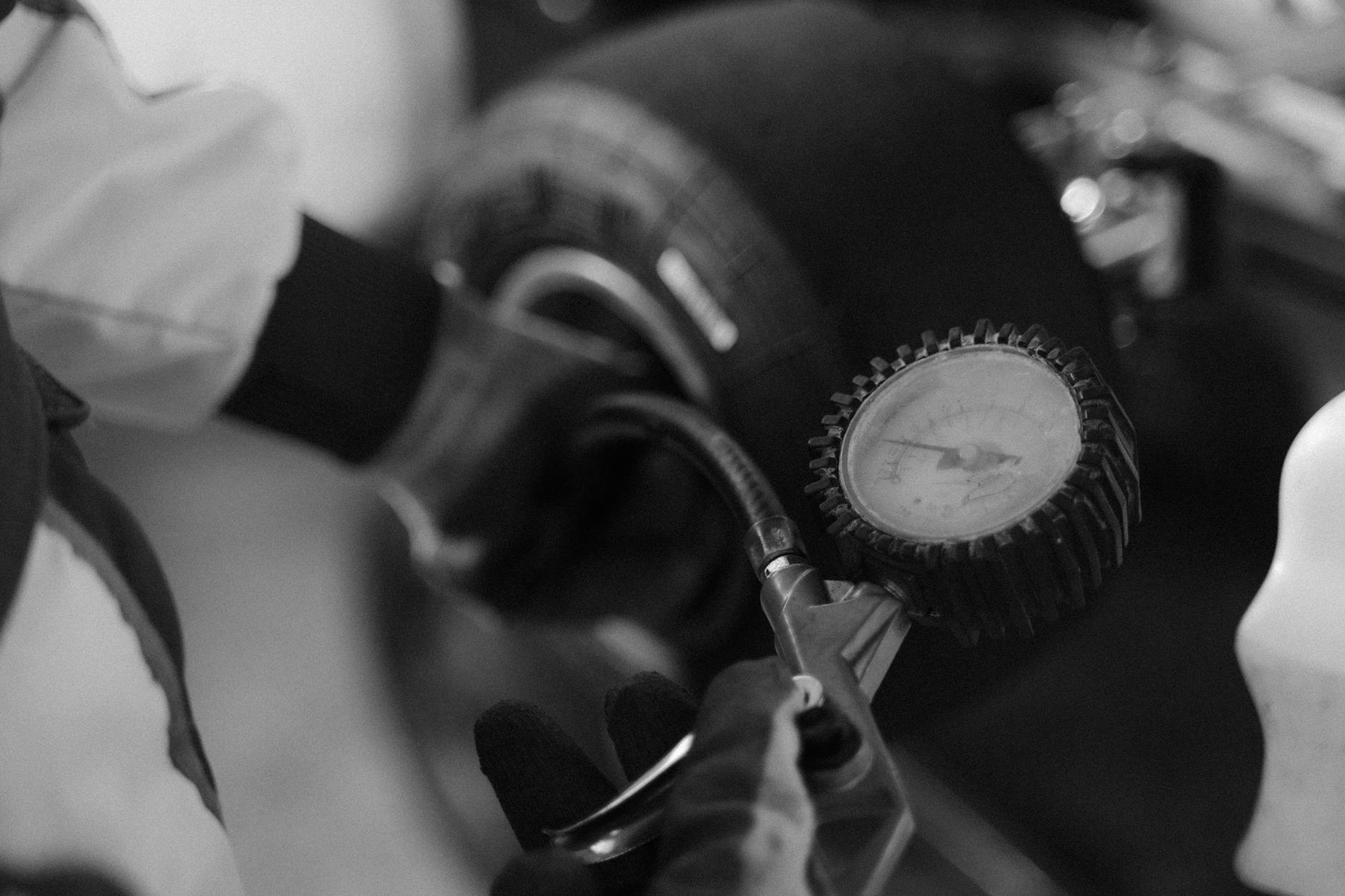
- Keep tires properly inflated. Check pressure monthly and before long trips. Correct pressure reduces heat buildup — the biggest driver of rubber breakdown.
- Park in the shade or a garage. Less UV exposure means slower aging. If you must park outside, consider tire covers, especially for RVs and trailers.
- Drive your vehicle regularly. Rolling the tires redistributes the protective oils. For seasonal vehicles, move them occasionally during storage.
- Clean tires with soap and water. Skip harsh, petroleum-based tire shines. Mild soap and water preserve the factory protective coating.
- Mind the age. Check the DOT date code on the sidewall and plan to replace tires at 6–10 years regardless of tread.
- Store spares and seasonal tires properly. Keep them cool, dry, out of direct sunlight, and away from ozone sources like electric motors.
Don’t Let Good-Looking Tires Fool You
Tread depth tells you only half the story. A tire with plenty of tread can still be dangerously degraded by dry rot — and because the damage builds slowly, it’s easy to miss until it’s serious. Build a two-minute tire inspection into your routine: check pressure monthly, scan the sidewalls for cracking, and keep an eye on the DOT date code as your tires get older.
A little attention goes a long way. Catch dry rot early, keep your tires inflated and out of the sun, and you’ll get every safe mile out of your rubber — and avoid the kind of surprise blowout that turns a road trip into a roadside emergency. For more tire care tips and the tools to do the job right, explore the full lineup of JACO tire pressure gauges.