
Photo by Charles Criscuolo on Pexels
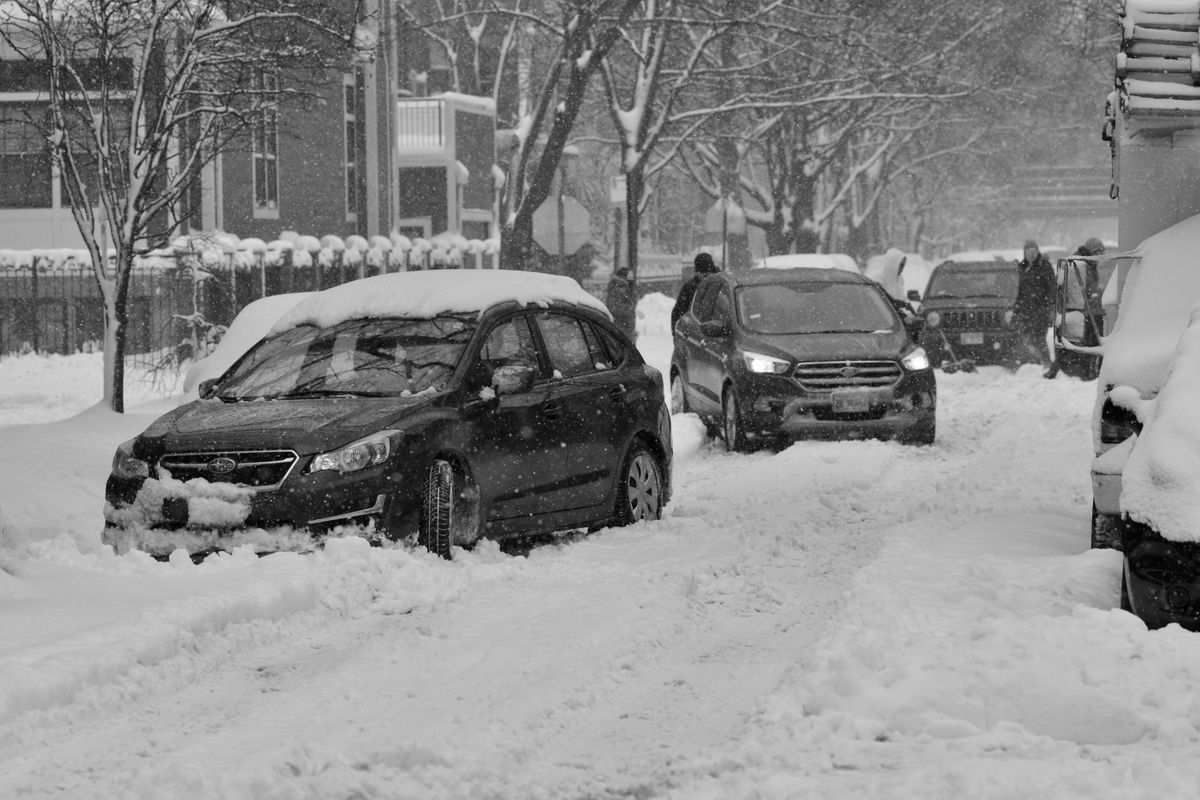
The snow is coming down sideways, the road ahead has disappeared, and your car just slid into a drift it isn't climbing out of. Being stranded in your car in winter is scary, but it's survivable when you make a few good decisions early. Most of the danger doesn't come from the cold itself. It comes from panic, carbon monoxide, and walking away from the vehicle.
Here's what to do in the first hour, how to stay warm safely through the night if it comes to that, and how to make sure rescuers actually find you.
Stranded in Your Car in Winter? Stay With the Vehicle
This is the rule that saves the most lives: stay with your car unless you can clearly see a building or help a short, safe walk away. Your vehicle is shelter from wind, it's far easier for searchers and plow drivers to spot than a person on foot, and it holds your supplies.
People who leave a stuck vehicle in a whiteout lose their bearings fast. Blowing snow erases tracks and landmarks within minutes, and wet clothes plus wind can push you toward hypothermia much faster than you expect. If you're tempted to walk, ask yourself whether you can see exactly where you're going. If not, stay put.
The First Hour: What to Do Right Away
The first 60 minutes set up everything that follows. Work through this list calmly:
- Call for help while your battery is strong. Dial 911 if you're in danger or blocking a road, or call roadside assistance if you're safely off the road. Give your highway, direction of travel, nearest mile marker or exit, and a description of your vehicle.
- Share your location. Drop a map pin or share live location with a family member, and tell them your plan to stay with the car.
- Turn on your hazard lights so other drivers and plows can see you, then switch to a lower-drain plan once you're sure you're visible (more on that below).
- Check the tailpipe. Before you run the engine at all, get out carefully and clear snow away from the exhaust. This is non-negotiable.
- Take inventory. Gather blankets, extra layers, water, snacks, a flashlight, and anything else in the car into the cabin where you can reach it.
- Don't spin your tires for an hour. A few gentle attempts to rock free are fine. Burning fuel and digging yourself deeper is not.
If you're still in the early stages of a slide-off and the car might come free, our guide on how to get unstuck in snow covers digging out, traction aids, and rocking techniques.
Running the Engine Safely: Heat Without Carbon Monoxide
Your engine is your heater, but it's also the biggest hazard in a snowbound car. Carbon monoxide is odorless and colorless, and a tailpipe buried in snow can push exhaust right back into the cabin. Common emergency guidance is to run the engine for about 10 minutes each hour for heat, and to follow these rules every time:
- Clear the tailpipe before every run. Snow keeps falling and drifting, so a pipe that was clear an hour ago may not be now.
- Crack a downwind window about half an inch for fresh air while the engine is running.
- Never fall asleep with the engine running. If you're sharing the car, take turns staying awake during engine time.
- Watch for warning signs: headache, dizziness, nausea, or unusual drowsiness. If anyone feels these, shut the engine off and get fresh air immediately.
- Keep an eye on fuel. Running 10 minutes an hour stretches a half tank a long way. That's one reason to keep your tank above half all winter.

Photo by Efnan Yılmaz on Pexels
How to Stay Warm in a Stranded Car
Once the engine is off, the cabin cools quickly. Your goal is to hold onto body heat rather than chase it.
Layer up and stay dry
Put on every layer you have, with a hat and gloves first since you lose a lot of heat through your head and hands. If your clothes got wet while clearing snow, swap them for dry ones. Damp cotton pulls heat away from your body all night.
Use your space and each other
Huddle together if you have passengers. Cover up with blankets, coats, floor mats, or even seat covers. A smaller space is easier to keep warm, so move everyone into the front or back seat rather than spreading out.
Keep your body working
Light movement helps. Clap your hands, wiggle your toes, and tense and release your muscles every so often. Avoid heavy exertion that makes you sweat, since sweat turns into a chill later.
Eat a little, drink a little
Your body burns calories to stay warm, so snacks matter. Drink water, too, since dehydration makes you more vulnerable to cold. Avoid eating snow to hydrate; it lowers your core temperature. If you have to use snow, melt it first in a container inside the warm cabin.
Conserve Your Phone and Vehicle Battery
Your phone is your lifeline, so treat its battery like a fuel gauge. Turn on low-power mode, dim the screen, close apps you don't need, and check in with family at set times instead of scrolling. Cold drains phone batteries quickly, so keep your phone in an inside pocket close to your body.
Your car battery needs the same care. Use the dome light and hazard lights in short bursts while the engine is off, and charge devices while the engine is running during your heat cycles. A separate power bank or a cordless tool with a USB output gives you backup power that doesn't depend on the car at all.


Photo by Egor Kamelev on Pexels
How to Signal for Help So Rescuers Find You
A car covered in fresh snow can blend right into a snowbank. Make yourself easy to see:
- Tie something bright to your antenna or door, like a red or orange cloth, a bandana, or a safety vest.
- Raise the hood once the snow stops falling. It's a widely recognized signal that a vehicle needs help.
- Use the dome light at night for a few minutes at a time. It's visible from a distance and uses less power than headlights.
- Keep the roof and windows brushed off so the shape of the car stays visible to plows and searchers.
- Stamp or dig a large SOS in open snow nearby only if it's safe and you're well clear of traffic.
Answer your phone, even for unknown numbers. Dispatchers and roadside crews often call back from numbers you won't recognize.
When Help Arrives
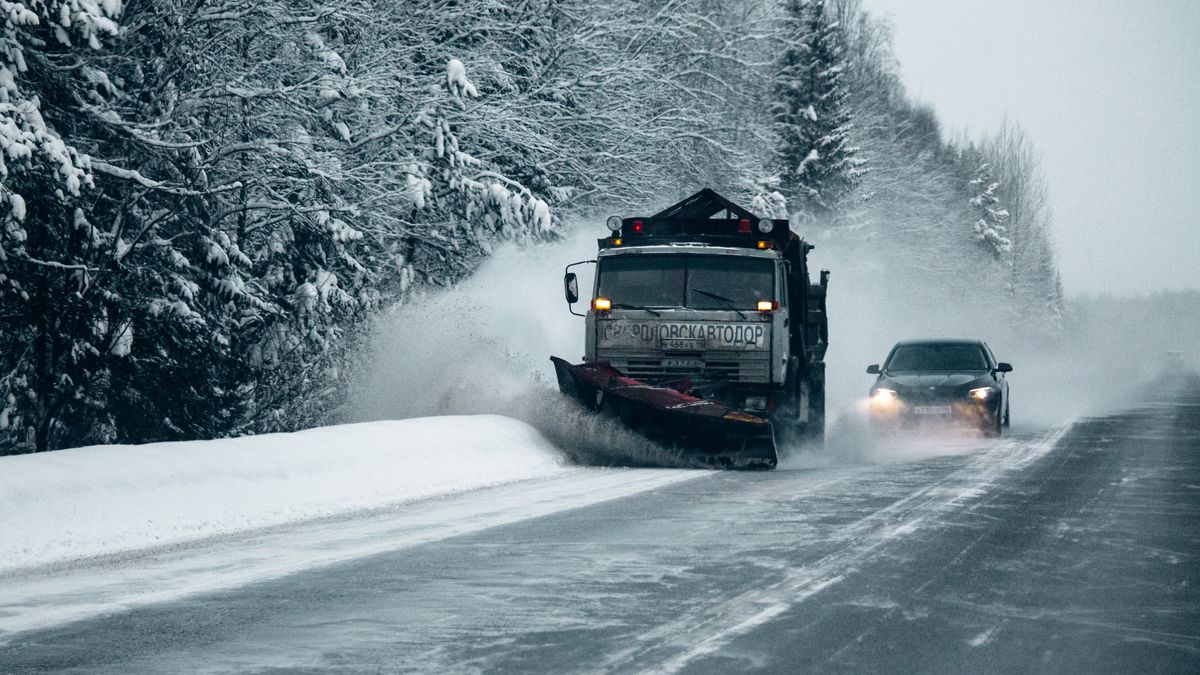
Photo by Danila Popov on Pexels
Whether it's a plow, a tow operator, or a friend with a truck, help usually means getting your vehicle pulled back onto solid ground. Before anyone pulls, make sure the recovery is done right:
- Attach straps only to rated recovery points or a properly installed shackle, never to a hitch ball, suspension parts, or a bumper bracket.
- Keep bystanders well clear of the line during the pull.
- Use smooth, steady tension rather than jerking, and keep your car in neutral or a low gear as directed.

Once you're free, check your tires, clear packed snow from the wheel wells and grille, and drive slowly to the nearest safe stop before continuing.

What to Pack So You're Ready Next Time
A little prep turns a frightening night into an uncomfortable one. At a minimum, keep these in your car from November through March:
- Warm blankets or a sleeping bag, plus a hat, gloves, and dry socks
- Water and high-calorie snacks like nuts, jerky, and granola bars
- A flashlight with extra batteries, and a phone charger or power bank
- A compact shovel, ice scraper, and a bag of sand or cat litter for traction
- A bright cloth or safety vest for signaling
- A tire inflator and a recovery strap
For the complete list, see our winter car emergency kit checklist.
Stay Calm, Stay Put, Stay Warm
If you're ever stranded in your car in winter, remember the short version: stay with the vehicle, call for help early, keep the tailpipe clear, run the engine only in short bursts, layer up, and make your car easy to see. Those few steps do most of the work.
The best time to prepare is before the first big storm. Build your kit, keep your tank above half, and add a cordless tire inflator and a recovery strap to the trunk so you're ready for whatever this winter throws at you.