
Most drivers don't think about what's in their car until something goes wrong. A flat tire on a back road. A dead battery in a parking garage at midnight. A fender bender on the highway with no way to document it. These aren't hypothetical scenarios — they happen to millions of drivers every year, and the difference between a minor inconvenience and a full-blown crisis often comes down to what you already have stashed in your trunk.
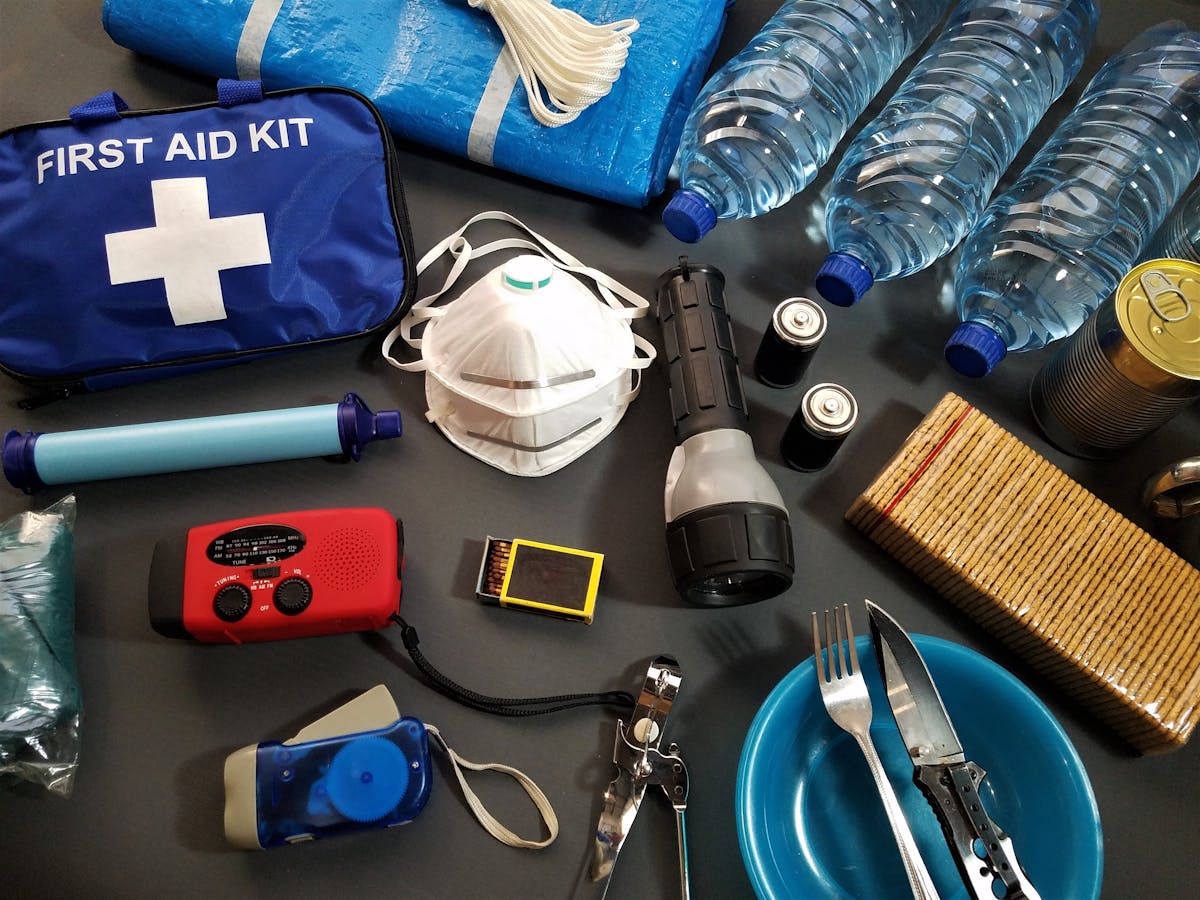
This isn't about building a doomsday survival kit. It's about having a practical, compact set of essentials that covers the situations most likely to actually happen — whether it's July or January.
Tire Pressure Gauge: The Most Underrated Tool in Your Car
Tire pressure affects everything — fuel economy, handling, braking distance, and tire lifespan. The National Highway Traffic Safety Administration estimates that underinflated tires contribute to roughly 11,000 crashes per year. Yet most people only check their tire pressure when a dashboard warning light comes on, and by then the tire is often significantly low.
A quality digital tire pressure gauge is small enough to live in your glovebox permanently. Check your tires once a month (or before any long drive) and you'll catch slow leaks before they become blowouts. It takes about 60 seconds to check all four tires, and the payoff in safety and tire longevity is enormous.
Pro tip: Check tire pressure when the tires are cold — before you've driven more than a mile. Heat from driving temporarily inflates your reading by 2-4 PSI, which can mask a genuinely low tire.

Tire Repair Kit: The Fix That Gets You Home
Spare tires are disappearing from new cars. Automakers have been swapping them out for tire inflation kits and run-flat tires to save weight and trunk space. The problem? Those factory inflation kits can't fix a puncture from a nail or screw — the most common type of flat tire.
A proper tire repair kit with plug strips, a reaming tool, and an insertion tool can permanently fix most tread punctures in under 10 minutes, right on the shoulder of the road. It's a skill worth learning before you need it, and the kit itself takes up less space than a shoebox.
Keep in mind that tire plugs are designed for tread punctures only. Sidewall damage, large gashes, or punctures near the tire bead require professional repair or replacement. But for the nail-in-the-tread scenario that accounts for the vast majority of flats, a plug kit is the fastest, most reliable solution available.

Jumper Cables (or a Jump Starter Pack)
Dead batteries are the single most common reason for roadside assistance calls. Left your headlights on, an aging battery that can't hold a charge in cold weather, or a parasitic drain from an aftermarket accessory — it happens to everyone eventually.
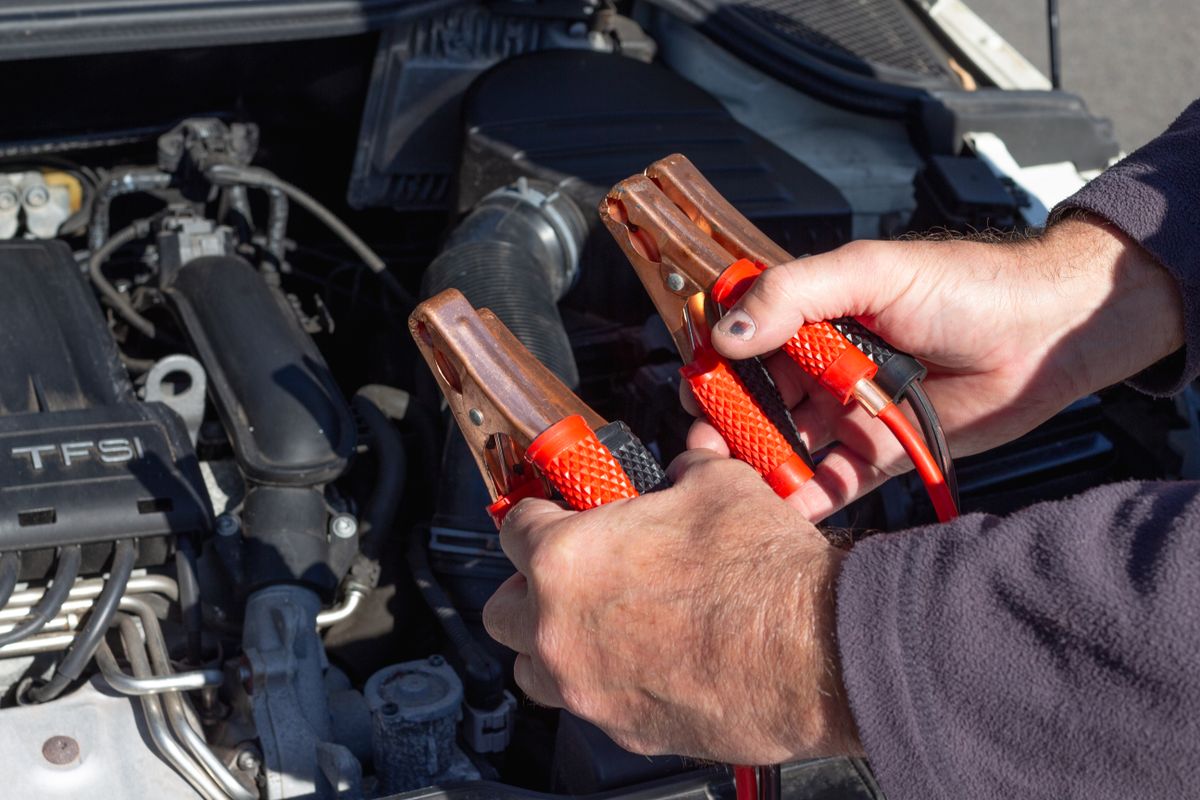
A set of heavy-gauge jumper cables (at least 4-gauge, 20 feet long) is the traditional solution, but it requires a second vehicle. If you want full independence, a lithium-ion jump starter pack is a game-changer — most modern units are the size of a paperback book and can start a V8 engine multiple times on a single charge. Many also double as USB power banks for your phone.
If you go the jumper cable route, remember the connection order: positive (red) to the dead battery first, then positive to the good battery, negative (black) to the good battery, and finally negative to an unpainted metal surface on the dead car (not the battery terminal). This sequence minimizes spark risk near the battery.
First Aid Kit: Small but Critical
You don't need a trauma surgeon's bag. A compact first aid kit covering the basics — adhesive bandages, gauze pads, antiseptic wipes, medical tape, tweezers, pain relievers, and a pair of nitrile gloves — handles the situations that actually come up. A cut from changing a tire. A scraped knee at a trailhead. A headache on a long drive.
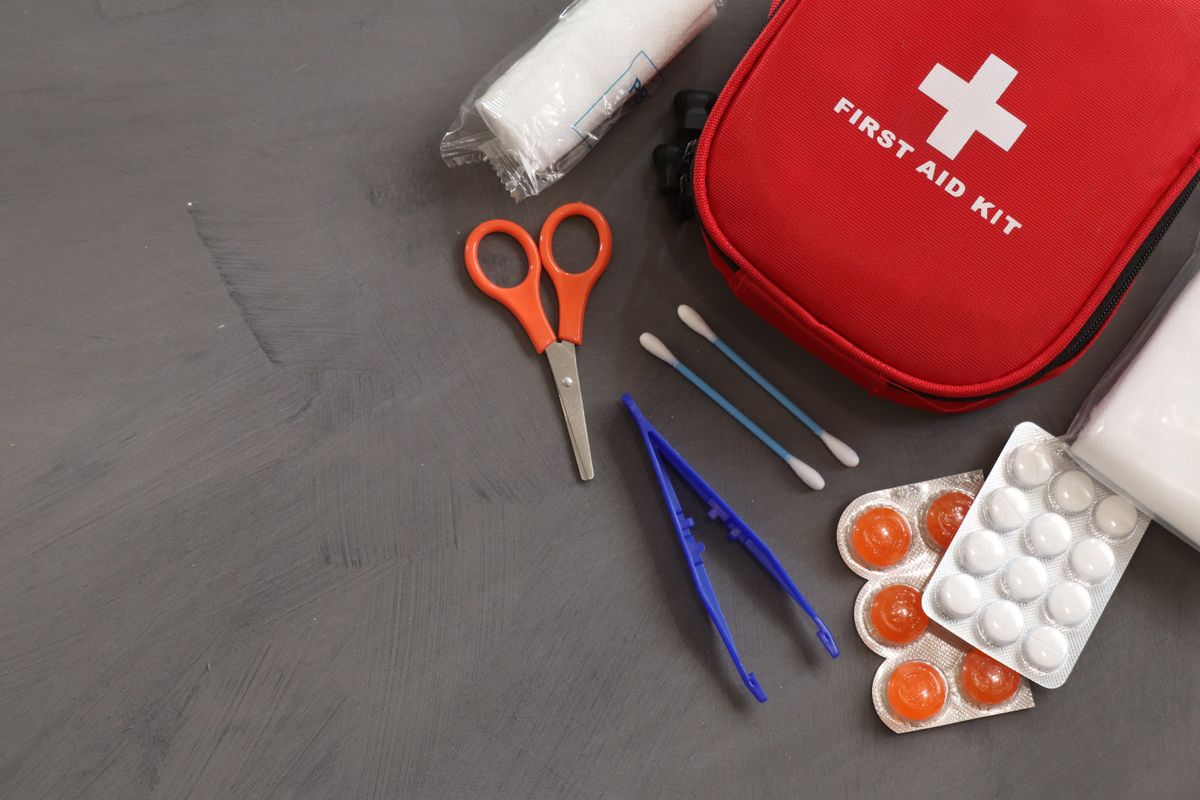
Pre-assembled kits from any drugstore work fine. Toss in a few extras based on your life: allergy medication if you're prone to reactions, a small bottle of sunscreen, or any prescription medications you take regularly. Check expiration dates once a year — set a calendar reminder and swap out anything that's expired.
Flashlight and Reflective Triangles
Breakdowns don't politely wait for daylight. If you're changing a tire or checking under the hood after dark, your phone flashlight is technically an option, but it's not a good one. A dedicated LED flashlight with a magnetic base or a headlamp frees up both hands and throws far more light.
Reflective warning triangles or LED road flares serve a different but equally important purpose: visibility. Place them 50, 100, and 200 feet behind your vehicle on a highway to give approaching traffic time to see you and move over. Most states legally require you to set up warning devices if your vehicle is disabled on the roadway.
A compact headlamp is especially useful — it keeps light pointed wherever you're looking, which matters when you're hunched over a tire in the dark trying to find the jack point.
Water, Snacks, and a Phone Charger
This sounds too simple to mention, but a bottle of water and a few granola bars can make a real difference if you're stranded waiting for a tow truck in the middle of summer — or stuck in an unexpected traffic jam that turns a 30-minute commute into three hours.
A car USB charger (or better, a quality 12V adapter with USB-C Power Delivery) ensures your phone stays alive when you need it most. Your phone is your lifeline for calling roadside assistance, navigating detours, and communicating with family. A dead phone during an emergency is a problem that's entirely preventable for under $20.
Rotate the water and snacks every few months so they stay fresh. Extreme heat and cold can degrade both, so think of it as a seasonal refresh.
Documents and Emergency Info
Digital is great, but keep physical copies of three things in your glovebox: your vehicle registration, proof of insurance, and a card with emergency contact numbers and any critical medical information (allergies, blood type, medications). If your phone dies or gets damaged in an accident, these paper backups matter.
A disposable camera or a written checklist for documenting an accident scene is also worth considering. After a collision, people often forget to photograph the damage, license plates, road conditions, and the positions of the vehicles. A simple checklist taped inside your glovebox prompts you to capture everything while it's fresh.
Seasonal Add-Ons Worth Considering
The items above cover year-round essentials, but a few seasonal additions make sense depending on where you live:
- Winter: An ice scraper, a small bag of kitty litter or sand (for traction on ice), a warm blanket, and hand warmers. If you drive through mountain passes or rural areas, add a collapsible shovel.
- Summer: Extra water, sunscreen, a hat, and a small towel. Heat-related issues are more common than most people realize, especially if you're stuck roadside without shade.
- Rainy season: A compact rain poncho and a microfiber towel. Changing a tire in the rain is miserable enough without being completely soaked.
The key is keeping it compact. Everything on this list fits in a single medium-sized bag or organizer in your trunk. You barely notice it's there — until the day you desperately need it.
Build It Once, Check It Twice a Year
The hardest part of maintaining a car essentials kit is actually putting it together. Once it's done, the ongoing effort is minimal: check expiration dates in spring and fall, replace anything you've used, and swap seasonal items as the weather changes.
Think of it like insurance you can actually use. The cost of assembling this kit is a fraction of what a single tow truck call costs, and the peace of mind is worth even more. Whether you're commuting across town or driving cross-country, knowing you're prepared for the most common roadside situations makes every drive a little less stressful.
Start with the basics — a tire pressure gauge, a tire repair kit, jumper cables, and a first aid kit — and build from there. You'll be surprised how much confidence a well-stocked trunk can give you.