
Walk into any home improvement store and the air compressor aisle looks like it was designed to confuse you. Pancake compressors, hot dog tanks, twin-stack rigs, vertical 60-gallon monsters — and a wall of spec sheets full of acronyms (CFM, SCFM, PSI, duty cycle) that most people quietly nod past. Here's the truth: most homeowners buy too much compressor or too little, and a surprising number end up with the wrong fit entirely.
This guide cuts through the marketing noise. We'll explain the specs that actually matter, match tank sizes to real-world jobs, walk through realistic budget tiers, and help you decide whether you even need a stationary compressor at all — or whether a modern portable inflator is the smarter call.
The Three Specs That Actually Matter
Forget the hype numbers on the box. Three specs do almost all the work when comparing compressors. Once you understand them, every product page in the aisle becomes readable.
1. SCFM at 90 PSI (Not Just CFM)
CFM stands for cubic feet per minute — how much air the compressor delivers. Higher is better, but the trick is the asterisk. Manufacturers love quoting CFM at low pressure (40 PSI) because the number looks bigger. The number you actually want is SCFM at 90 PSI, sometimes called "delivered CFM." That's the realistic airflow when you're running a tool. If a compressor only lists CFM at 40 PSI, the 90 PSI number is usually 30–40% lower.
Match SCFM to your tools: a brad nailer needs around 0.5 SCFM, an impact wrench wants 4–5 SCFM, and a paint sprayer can demand 7+ SCFM. Always pick a compressor rated 1.5x your highest-draw tool.
2. Max PSI
PSI is the maximum pressure the tank can hold. Most consumer compressors cap at 135–175 PSI. Higher PSI means the tank stores more usable air between refills, but it doesn't make tools work better — those have their own working PSI (usually 90 PSI). Treat max PSI as a "duration buffer," not a power number.
3. Tank Size (Gallons)
The tank is your reservoir. Bigger tanks let the motor rest more between cycles, which matters for sustained tool use and for noise (a 6-gallon pancake will cycle constantly while you nail trim; a 30-gallon won't). Tank size in gallons is the easiest spec to understand at a glance, and we'll cover what each size is actually good for next.
Tank Size by Application: What You Actually Need
This is where most buyers either overspend or undershoot. Here's the honest breakdown by use case.
1–6 Gallon Pancake / Hot Dog (Inflation + Light Trim Work)
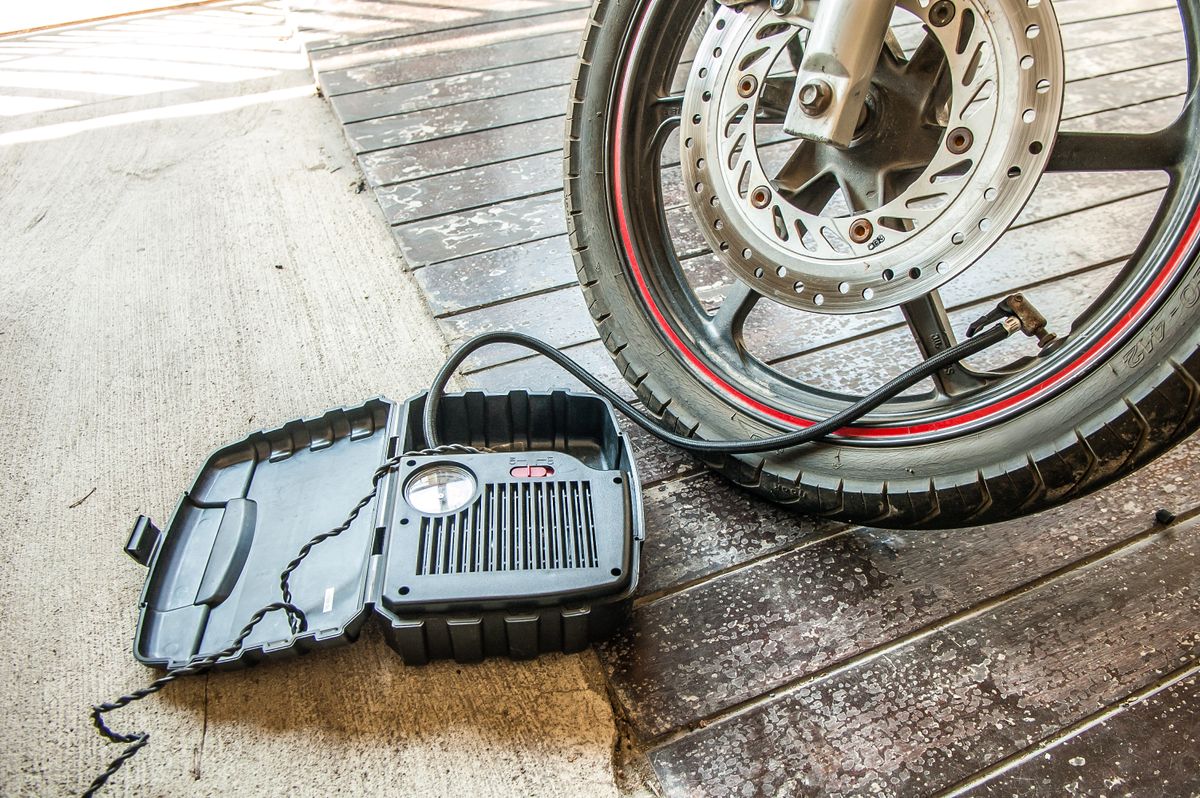
Small, light, plug-and-play. Perfect for inflating tires, sports gear, and pool floats, plus running a brad nailer or finish nailer for trim and casing. They cycle frequently and are loud, but they're cheap, they fit on a shelf, and they cover 80% of homeowner jobs. If you're reading this and you've never actually picked up a pneumatic tool, this is probably your tier.
20–30 Gallon (Air Tools and Real DIY)
The sweet spot for serious DIY garages. Enough capacity to run an impact wrench on lug nuts, a die grinder for short bursts, a spray gun for furniture, or to keep up with a framing nailer. Twin-stack and vertical-tank designs in this range run quieter, cycle less, and last decades. Expect 110V single-phase, no special wiring needed.
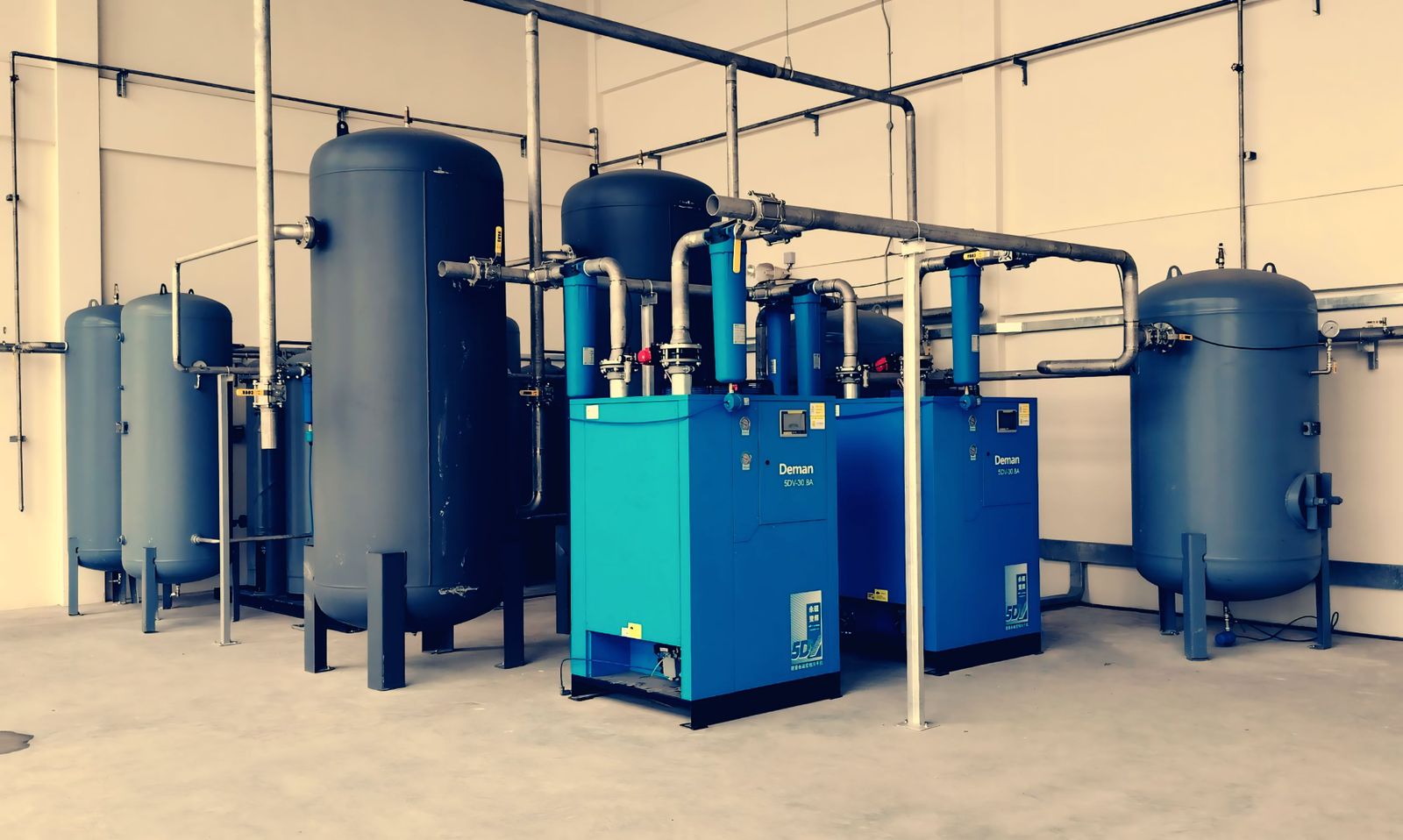
60+ Gallon Vertical (Shop Compressor)
This is what professional mechanics, body shops, and serious home shops run. Two-stage pumps build pressure in two steps for higher max PSI (175+) and more efficient duty cycles. They'll run media blasters, large spray rigs, and heavy impact wrenches all day. Most need a 240V outlet. If you're not running tools daily for hours at a time, this is more than you need.
Oil-Free vs. Oil-Lubed: The Real Tradeoff
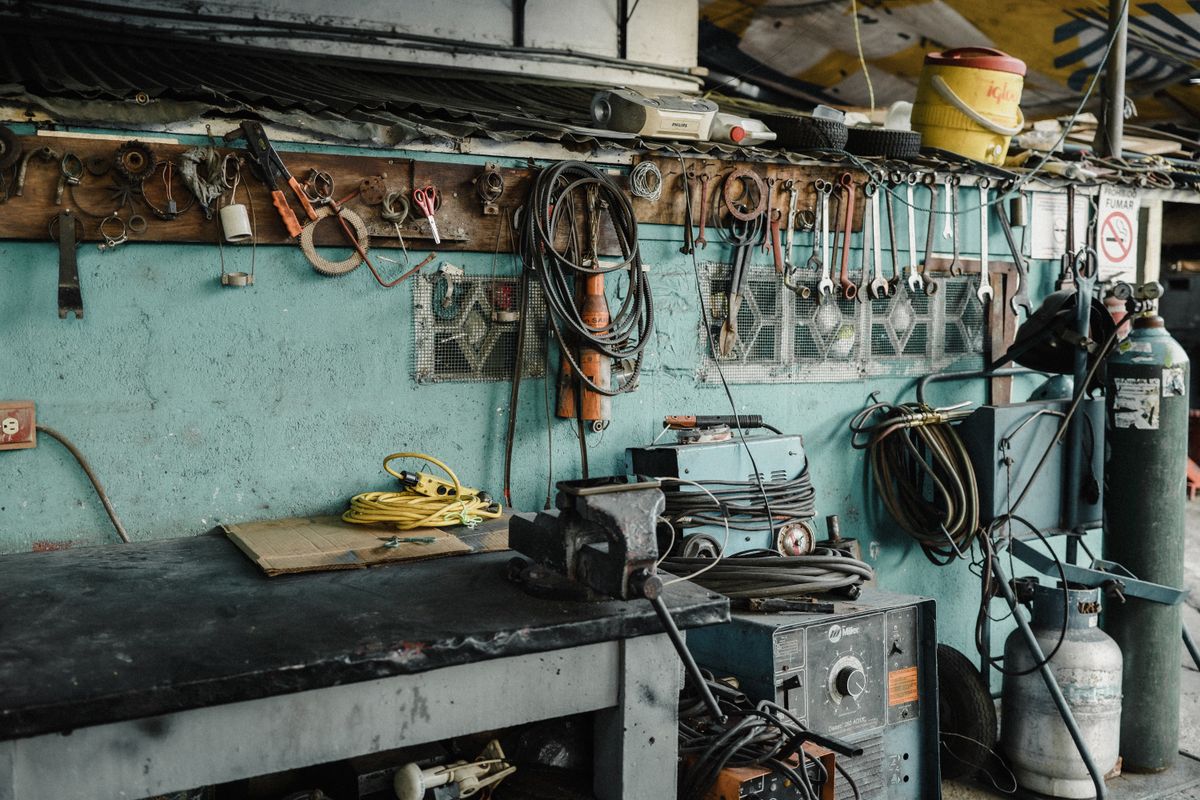
Oil-free compressors are the default for homeowners now. They're lighter, require zero maintenance, and tolerate cold-weather starts better. The downside: they're noticeably louder, and the pumps tend to wear faster under heavy daily use.
Oil-lubed compressors run quieter, last longer, and handle continuous use better. The tradeoff is occasional oil changes (every 3–6 months in heavy use), keeping the compressor reasonably level, and slightly higher upfront cost. For a weekend garage, oil-free is fine. For a working shop, oil-lubed pays back over time.
Single-Stage vs. Two-Stage
Single-stage compressors compress air once and dump it into the tank, capping out around 135–155 PSI. Two-stage compressors compress air, cool it, and compress it again — pushing 175+ PSI more efficiently. Two-stage is overkill for tire inflation and trim nailing. It earns its keep in shops running large tools at high duty cycles. If you're under 30 gallons, single-stage is the right answer.
Noise, Duty Cycle, and the Specs Buyers Skip
Two specs almost nobody reads — until they regret it.
Noise (decibels): A typical pancake compressor is 78–82 dB. That's louder than a gas lawnmower, and you absolutely will hear it from inside the house. "Quiet" compressors run 60–68 dB — about the level of a normal conversation. If your garage is attached, or you work early/late, the quieter unit is worth the extra $50–$100 every time.
Duty cycle: The percentage of a 10-minute window the motor can run before it needs to cool down. Cheap compressors run 50% (5 min on, 5 min off). Better units hit 75% or 100%. If you're buying for sustained tool use rather than quick bursts, duty cycle matters more than peak SCFM.
Do You Even Need a Stationary Compressor?
Here's the question almost no buying guide asks: does your actual job list justify a tank-and-pump compressor at all? If you mostly need to inflate tires, top off sports gear, blow out a keyboard, or run a low-pressure inflator — a portable 12V or cordless inflator can do everything you need without claiming a permanent corner of the garage.
The use cases that genuinely require a stationary compressor are: running pneumatic tools (impact wrenches, nailers, sanders, sprayers), painting, sandblasting, and continuous airflow tasks. If your honest list is "fill tires before road trips, inflate the kids' bike tires, and use a nail gun once a year on a weekend project," a portable inflator is the smarter buy.
For vehicle owners specifically, a heavy-duty 12V portable like the JACO TrailPro fills full-size truck tires in under 4 minutes per tire and travels with you for trail air-ups, off-road recovery, and roadside emergencies. No outlet required.

Realistic Budget Tiers
Here's what your dollars actually buy in 2026, before we factor in sales:
- $80–$150 — Pancake / Hot Dog (1–6 gallon, oil-free). Tires, sports gear, brad nailer, finish nailer. Brands: Porter-Cable, Bostitch, Craftsman.
- $200–$400 — Twin-Stack or Wheelbarrow (8–10 gallon, oil-lubed). Add framing nailer, impact wrench (in bursts), small die grinder. More headroom, dramatically less cycling.
- $400–$800 — Vertical 20–30 Gallon (single-stage). The sweet spot. Real impact wrench use, paint touch-up, sustained nailer work. Will outlast multiple homes.
- $900–$2,000+ — 60+ Gallon Two-Stage (240V). Full shop work — body work, sandblasting, all-day tool use. Most homeowners never need this.
Where Portable Inflators Fit
Modern 12V and cordless inflators have come a long way. The current generation can hit 150 PSI, run off a vehicle outlet or a battery pack, and fit in a glovebox or tool drawer. They're not a replacement for a shop compressor when you're running tools — but for the millions of homeowners whose only honest need is "fill tires and inflate things," they're a smarter, cheaper, more flexible buy than a pancake.
Cordless inflators in particular are increasingly the right answer for households that already own a battery platform — no cord, no outlet hunt, and they live in the garage drawer instead of taking up floor space.

The 5-Question Decision Framework
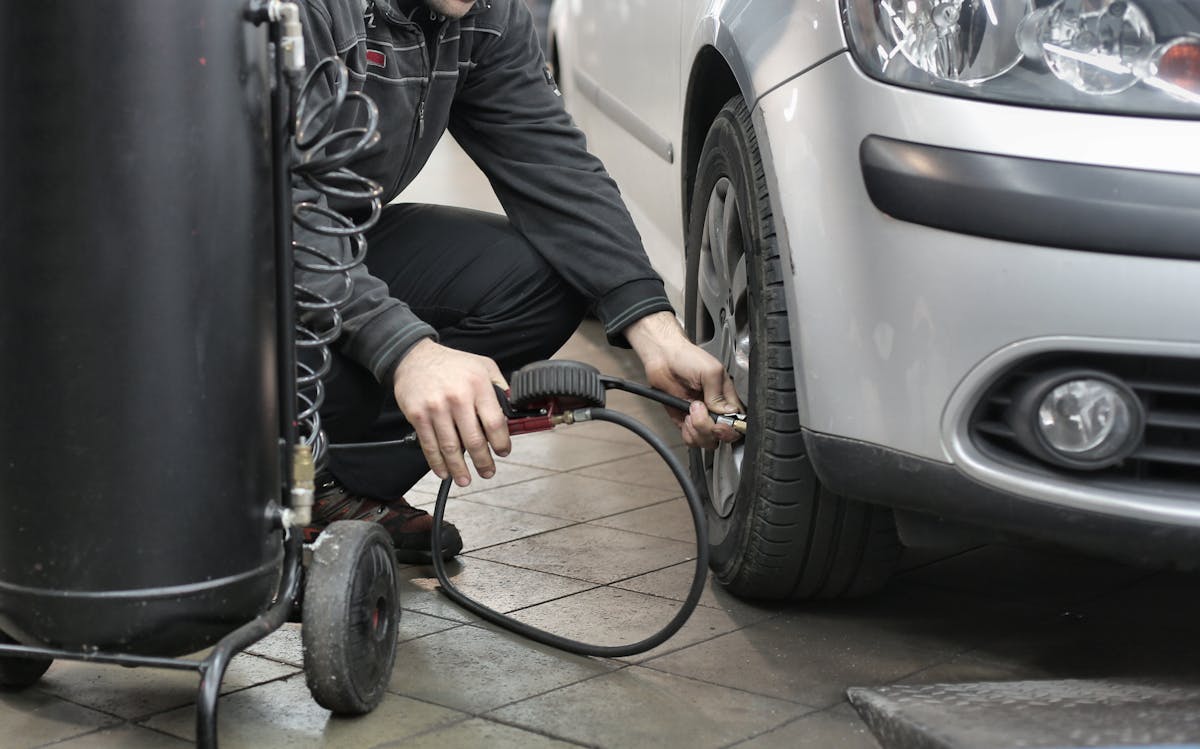
Before you click "buy" on any compressor, run through these five questions. They cut through the spec-sheet noise faster than any salesperson will.
- What's the highest-draw tool I'll actually use? Look up its SCFM at 90 PSI requirement and multiply by 1.5.
- How long do I need to run it without breaks? Bursts (under 30 seconds) want a small tank. Sustained work (over a minute) wants 20+ gallons.
- Where will it live? Attached garage = quiet model. Detached shop = noise matters less, capacity matters more.
- What's my electrical situation? Standard 110V outlet caps you around 30 gallons. 240V opens up the 60+ gallon shop tier.
- Could a portable inflator do 90% of what I need? If the honest answer is yes, save the money and floor space.
Pair the right compressor with a quality tire pressure gauge (the built-in gauges on most compressors are notoriously inaccurate) and you've got a setup that will handle decades of garage projects without complaint.
Buy What Matches Your Honest Job List
The single best thing you can do before buying an air compressor is to write down — in plain language — every job you'll actually use it for in the next 12 months. Not the dream projects. The real ones. Then size up by one tier for breathing room and call it done. Most homeowners do not need a 60-gallon shop monster. Most homeowners also don't need to suffer with a $79 pancake that cycles every 30 seconds while they're trying to nail trim.
Match the compressor to the work, give yourself a little headroom, and prioritize SCFM at 90 PSI over the marketing numbers. That's the entire game. For tire inflation and on-the-go air, our portable tire inflator collection is the place to start — and the TrailPro 12V remains the go-to for vehicle owners who want compressor-grade airflow they can actually take with them.