
Summer is winding down, the calendar is filling up with drop-off lines and after-school practices, and your vehicle is about to become the hardest-working thing in your household. Before the routine of the school year takes over, it's worth spending an hour making sure the family car is ready for the miles ahead. A quick back-to-school car maintenance checklist can save you from a breakdown on the way to first period—or an expensive repair a few weeks in.
None of these checks require a lift or a mechanic. With a few basic tools and fifteen minutes in the driveway, you can knock out all eight. Here's exactly what to look at before August ends.
1. Check and Adjust Your Tire Pressure
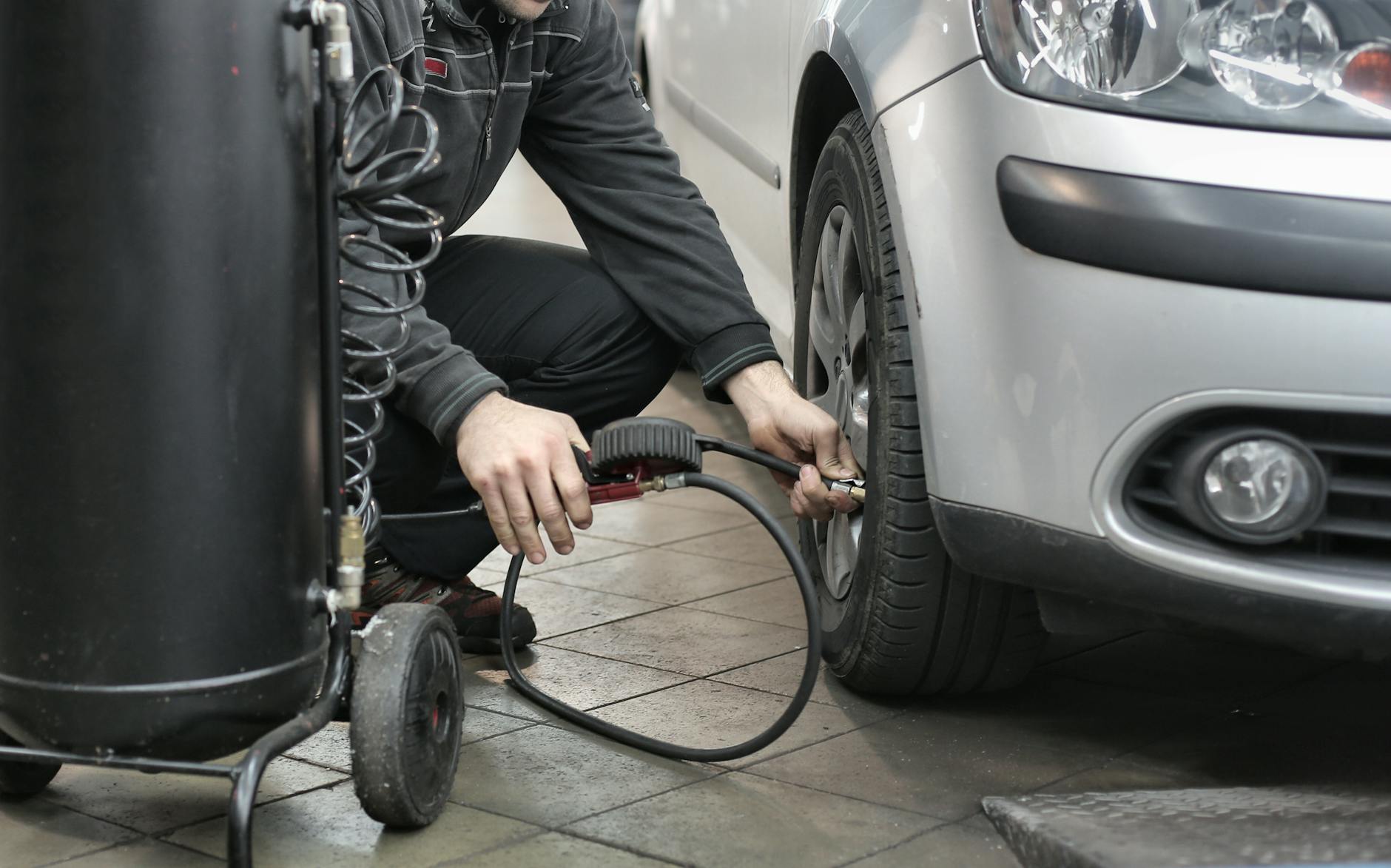
Tires lose roughly one PSI per month under normal conditions, and summer heat masks the problem—hot air expands, so a tire that reads fine in July can be dangerously low once cooler mornings arrive. Underinflated tires wear faster, hurt fuel economy, and lengthen your stopping distance in exactly the wet fall weather that's coming.
Check all four tires (plus the spare) when they're cold—before you've driven more than a mile. Compare the reading to the number on the sticker inside your driver's door jamb, not the max pressure stamped on the tire itself. A trustworthy digital gauge takes the guesswork out of it.

2. Inspect Your Tire Tread Depth
Tread is what channels water away and keeps you connected to the road when the rain starts. The classic penny test works in a pinch—insert a penny with Lincoln's head upside down, and if you can see the top of his head, your tread is below 2/32" and it's time for new tires. For a precise reading, a dedicated tread depth gauge tells you exactly how much life is left before you're driving on borrowed grip.
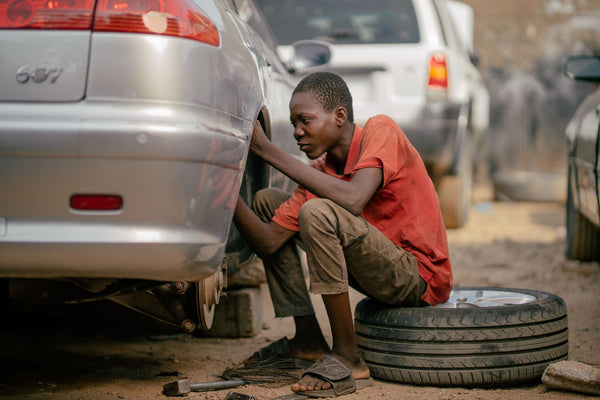
While you're down there, run your hand across each tire and look for uneven wear, cracks in the sidewall, or bulges. Any of those signals a problem worth addressing before the school year—not during it.

3. Replace Worn Windshield Wipers and Top Off Washer Fluid
Summer sun bakes rubber wiper blades until they crack and streak—and fall brings the rain, morning fog, and low-angle glare that make clear visibility non-negotiable. If your wipers chatter, streak, or leave sections of the glass untouched, replace them. It's a two-minute job and one of the cheapest safety upgrades you can make.
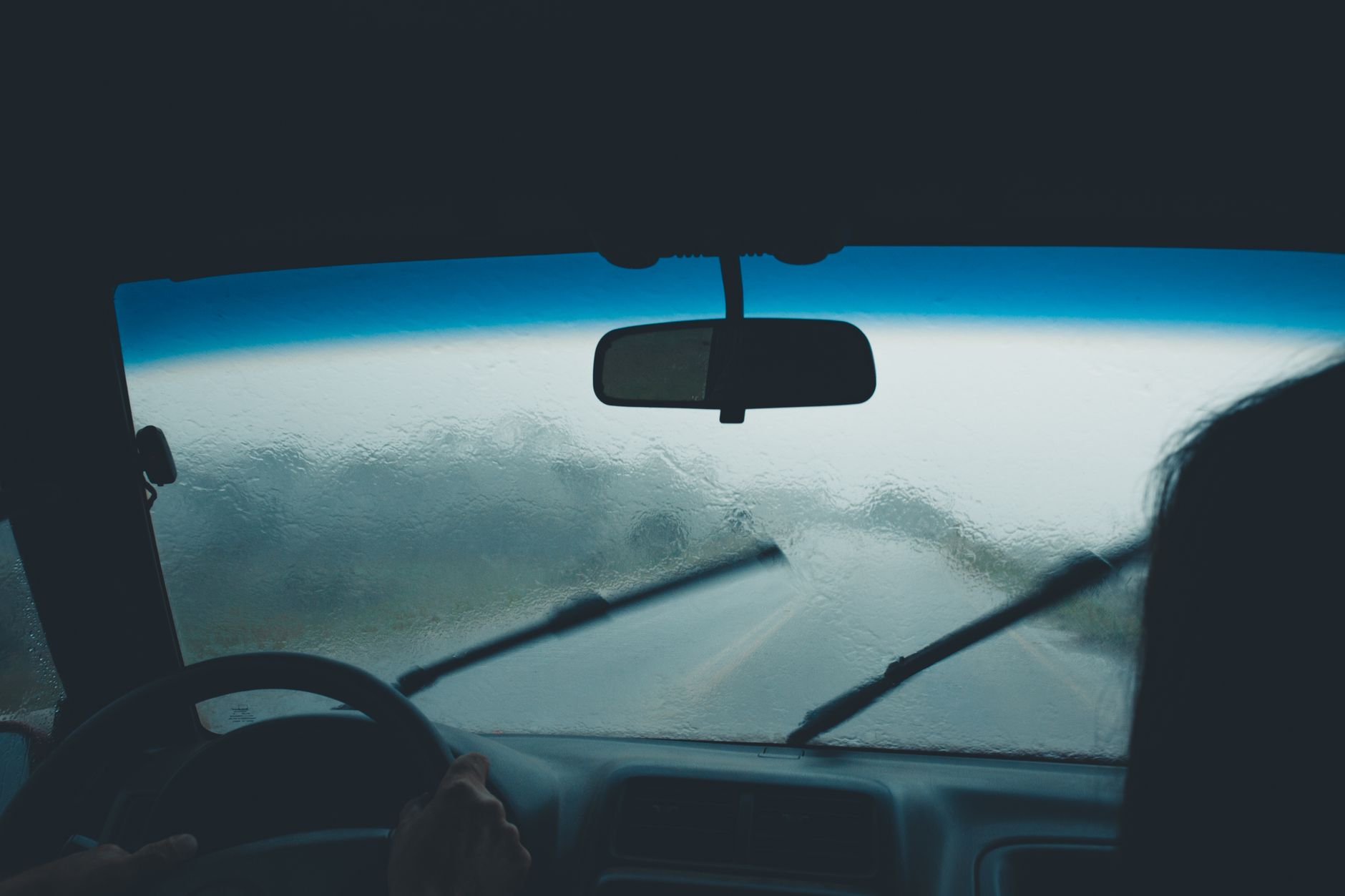
While you're at it, top off the washer fluid reservoir. Between bug splatter, road grime, and the first dusty-then-rainy weeks of fall, you'll go through more than you expect. Keep a spare jug in the garage.
4. Test the Battery
Ironically, summer heat is harder on batteries than winter cold—high temperatures accelerate the internal corrosion that kills them. That damage shows up as a no-start on the first chilly morning of the school year. If your battery is more than three years old, have it load-tested (most auto parts stores do it free).
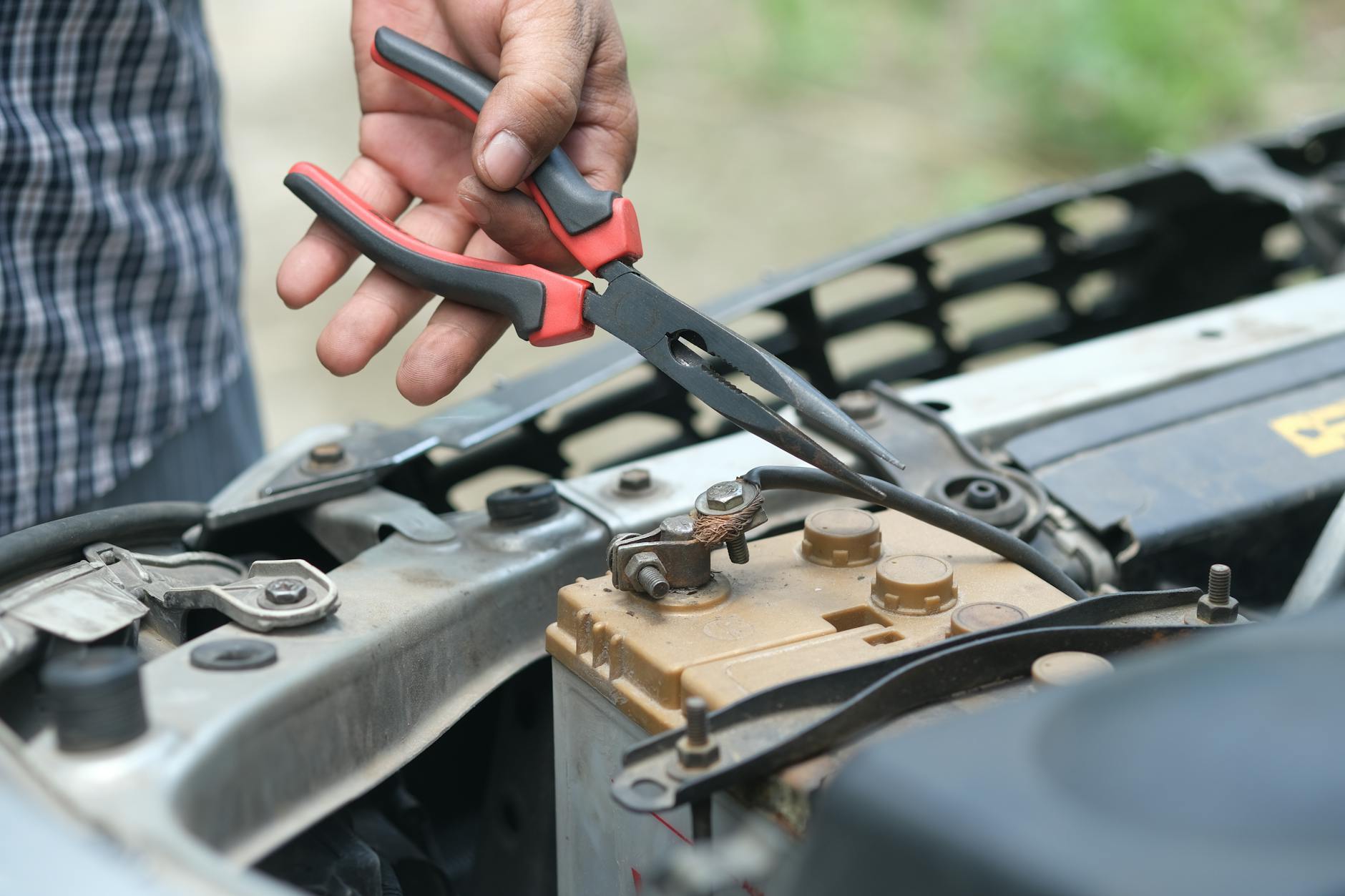
Pop the hood and check the terminals for white or greenish corrosion. A wire brush and a little baking-soda-and-water paste cleans it right up. Make sure the connections are snug—a loose terminal can mimic a dead battery.
5. Check Your Brakes
Brakes are the one system you never want to gamble on with kids in the car. You don't need to pull the wheels to catch trouble early. Listen for squealing or grinding, feel for a pulsing or spongy pedal, and notice if the car pulls to one side when you stop. Any of those means it's time for a professional inspection.
If you can see through your wheel spokes, glance at the brake pad thickness—less than a quarter inch of pad material means replacement is coming soon. Catching it now beats an emergency brake job during a busy week.
6. Inspect Fluids Under the Hood
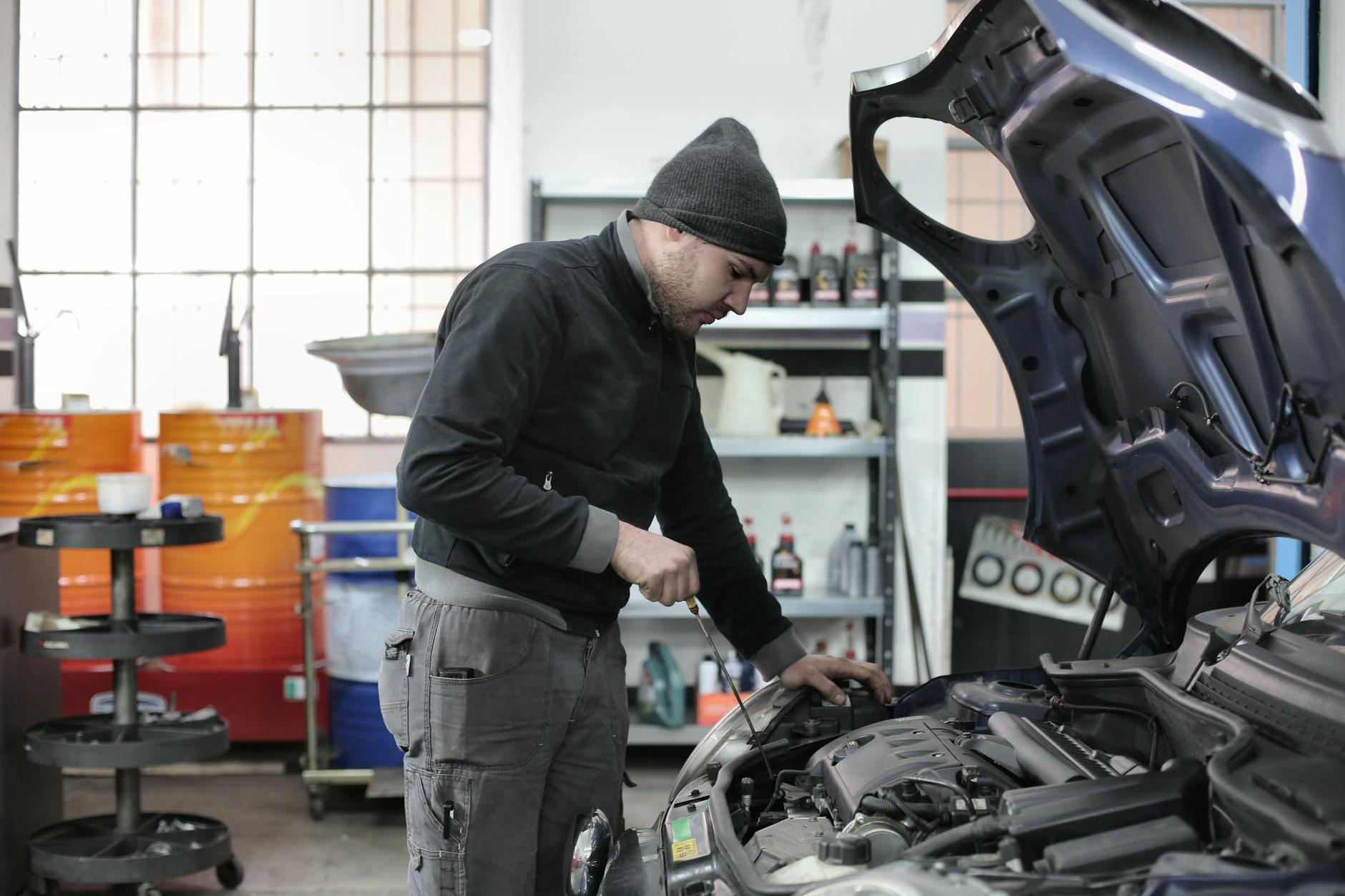
Five fluids keep your engine and drivetrain alive: engine oil, coolant, brake fluid, transmission fluid, and power steering fluid. Check the oil with the dipstick—it should sit between the two marks and look amber, not black and gritty. If you're overdue for an oil change, schedule it before the school routine starts.
Check the coolant level in the overflow reservoir (only when the engine is cold) and look for the brake and power steering reservoirs. Low fluid isn't just a top-off—it can signal a leak worth investigating. Consistent monthly checks help you spot problems before they strand you.
7. Verify All Your Lights Work
Shorter fall days mean more driving in the dark, and a burned-out bulb is both a safety hazard and an easy ticket. Walk around the car while a helper cycles through headlights (low and high beam), turn signals, brake lights, reverse lights, and hazards. Don't forget the license plate light—it's a common reason for a pull-over.
Bulbs are inexpensive and usually a simple DIY swap. Clouded, yellowed headlight lenses cut your light output dramatically; a restoration kit can bring them back to clear for a fraction of the cost of new assemblies.
8. Refresh Your Emergency Kit
The school year means more time on the road, often with precious cargo. Make sure your emergency kit is stocked and current: a portable tire inflator, jumper cables or a jump pack, a flashlight with fresh batteries, a first-aid kit, water, and a blanket. A compact air compressor turns a roadside flat scare into a five-minute fix—no waiting on a tow with kids in the back seat.

Start the School Year With Confidence
Fifteen minutes and a few basic tools are all it takes to head into the busiest season of the year with a car you can trust. Tackle these eight checks this weekend, and you'll spend the fall focused on getting everyone where they need to be—not stuck on the shoulder. For more seasonal maintenance guides and the tools to do the job right, explore the full lineup of JACO tire and automotive accessories. A little prep now means a smoother year on the road.