
Standing in the tire shop staring at two sets of rubber that cost about the same but look completely different? You're not alone. The choice between mud-terrain (MT) and all-terrain (AT) tires is one of the most common questions off-roaders and truck owners face — and picking wrong means either a miserable daily commute or getting stuck when the trail gets rough.
The truth is, there's no universally "better" option. The right tire depends entirely on how you actually use your vehicle, not how you imagine using it on your best weekend. Let's break down the real differences so you can choose with confidence.
What Are All-Terrain Tires?
All-terrain tires are the jack-of-all-trades of the truck world. They feature a moderate, tightly-spaced tread pattern designed to perform reasonably well across a wide range of conditions — pavement, gravel, dirt, light mud, and even some snow.
The tread blocks are smaller and packed closer together than a mud tire's, with sidewalls that are tougher than a street tire but not as aggressive as a dedicated off-road tire. This balance is exactly what makes ATs the default choice for most truck and SUV owners who split their time between the highway and the occasional dirt road.
All-terrain tires shine when you:
- Drive on pavement daily and off-road on weekends
- Want quiet, comfortable highway manners
- Value longer tread life and better fuel economy
- Deal with mixed conditions — dirt roads, light trails, gravel, and some snow
- Live somewhere with real winters (many ATs carry the 3-Peak Mountain Snowflake rating)
What Are Mud-Terrain Tires?
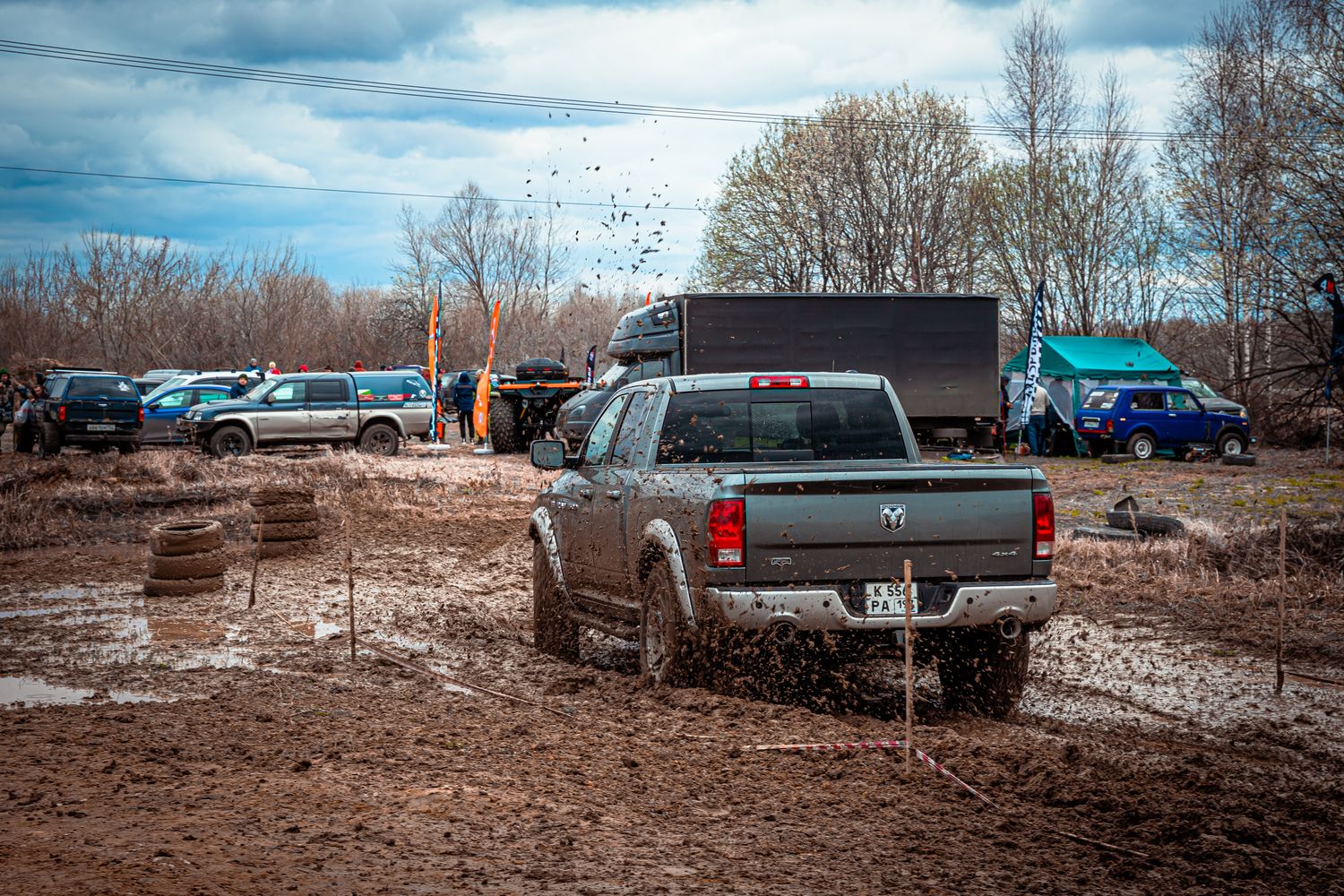
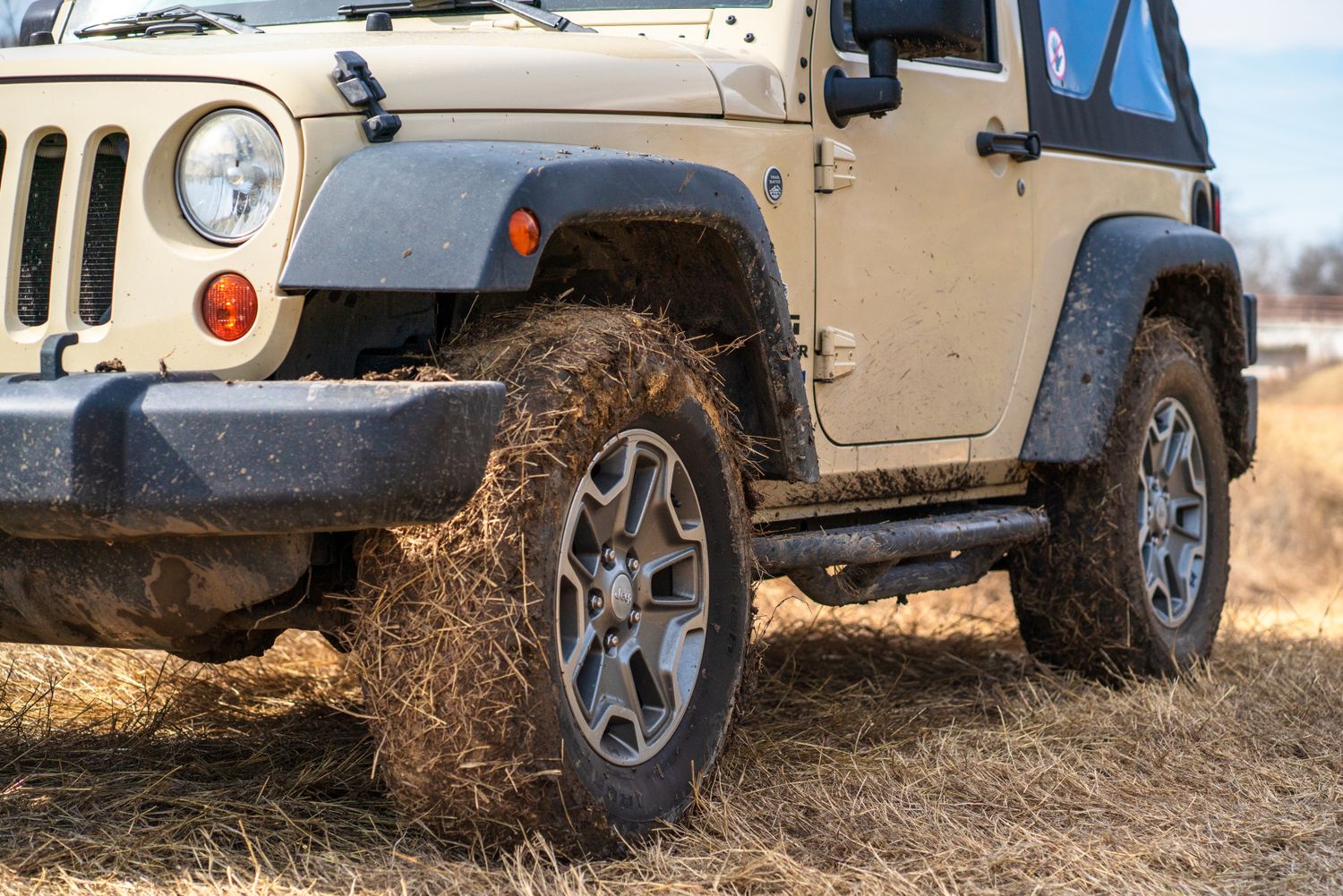
Mud-terrain tires are built for one thing: maximum grip when the ground gets nasty. They feature large, deep, widely-spaced tread blocks that bite into mud, rocks, sand, and loose terrain. Those big gaps between the lugs are intentional — they let the tire "self-clean" by flinging out mud and debris as the wheel spins, so the tread keeps grabbing fresh ground.
Mud tires also typically have reinforced, more aggressive sidewalls with lugs that extend down the side of the tire. This helps in ruts and provides extra protection against rocks and trail hazards that would slice a lesser tire.
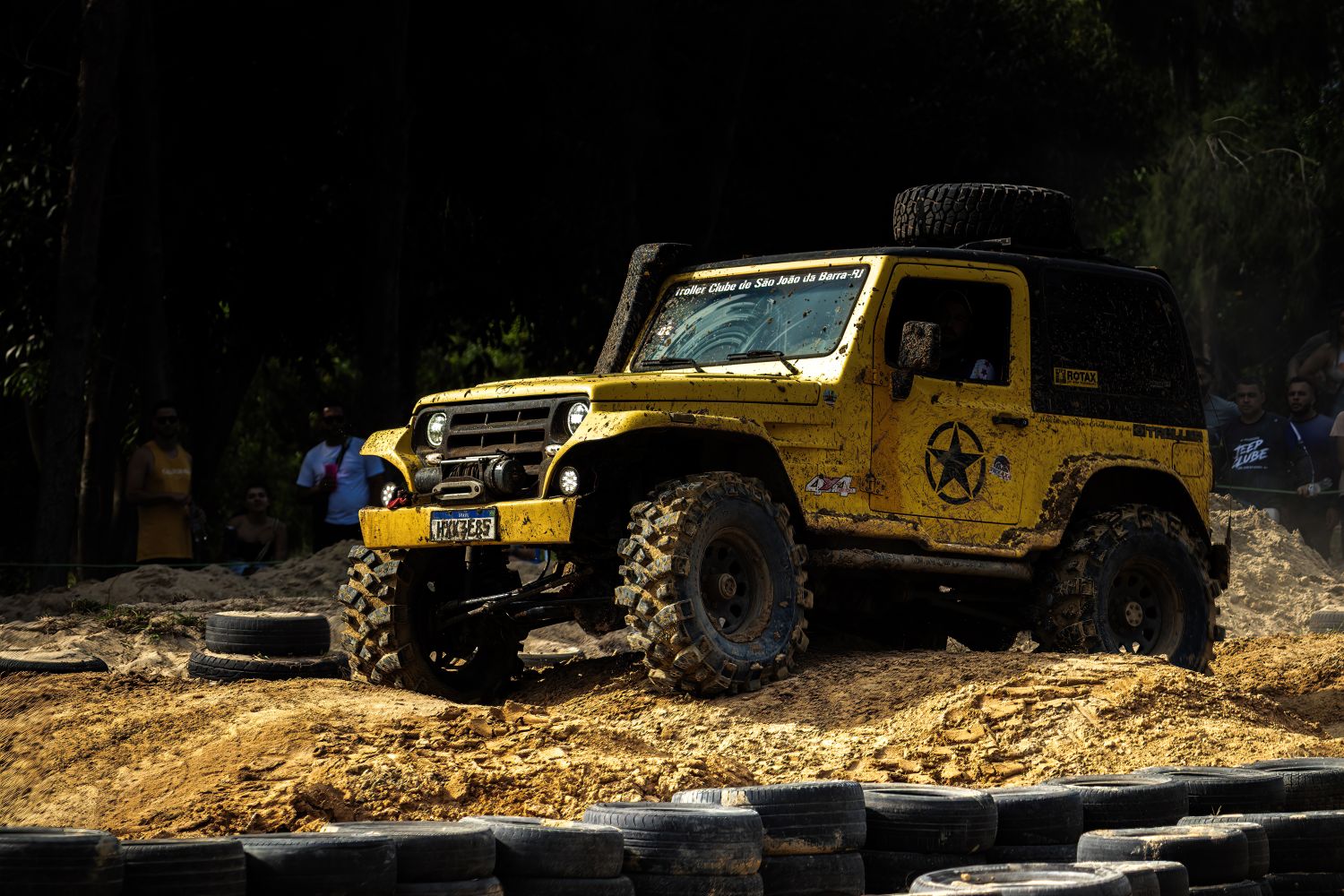
Mud-terrain tires make sense when you:
- Spend serious time on technical trails, deep mud, or rocky terrain
- Need maximum traction and don't mind trade-offs to get it
- Want the aggressive, purpose-built look
- Run a dedicated off-road rig that isn't your only vehicle
The Real Trade-Offs: MT vs. AT Head-to-Head
Here's where the decision actually gets made. Every advantage a mud tire has off-road comes with a cost on the street.
Road noise: Mud tires are loud. Those big tread blocks slap the pavement and create a persistent hum or growl that gets tiring on long highway drives. All-terrains are noticeably quieter, closer to a normal street tire.
Fuel economy: The aggressive tread and heavier construction of mud tires create more rolling resistance, which drags down your MPG. ATs are lighter and roll more efficiently, so you'll spend less at the pump.
Tread life: Softer mud-tire compounds and chunky lugs wear faster on pavement — sometimes significantly. All-terrains generally last longer, and many come with real treadwear warranties.
Wet pavement and snow: This surprises people. Mud tires can actually be worse in the rain and on packed snow, because those big open lugs have less surface contact and fewer siping edges than a good all-terrain. Many ATs outperform MTs in winter conditions.
Off-road grip: In deep mud, sand, and on rocks, mud tires win — no contest. The self-cleaning tread and sturdier sidewalls do exactly what they're designed to do.
Tire Pressure Matters More Than Tread Choice
Here's the part most people skip: whichever tire you run, airing down for off-road use is what unlocks real traction. Dropping your pressure from street levels (say, 35 PSI) down to trail levels (often 12–20 PSI depending on your rig and terrain) increases the tire's contact patch dramatically. That larger footprint lets the tread conform to obstacles and float over sand and snow instead of digging in.
The catch is you have to air back up before hitting pavement — running low pressure on the highway is dangerous and destroys tires. That's why a fast, accurate deflator and a reliable air source are non-negotiable parts of any off-roader's kit, regardless of whether you chose MTs or ATs.

Once you're back at the trailhead, a quality gauge and inflator get you back to street pressure quickly. If you're building out your setup, our guide on how to build a portable air-up station for trail days walks through the whole process.
How to Choose: A Simple Decision Framework
Forget the marketing and the parking-lot bravado. Ask yourself one honest question: What percentage of your miles are actually off-road?
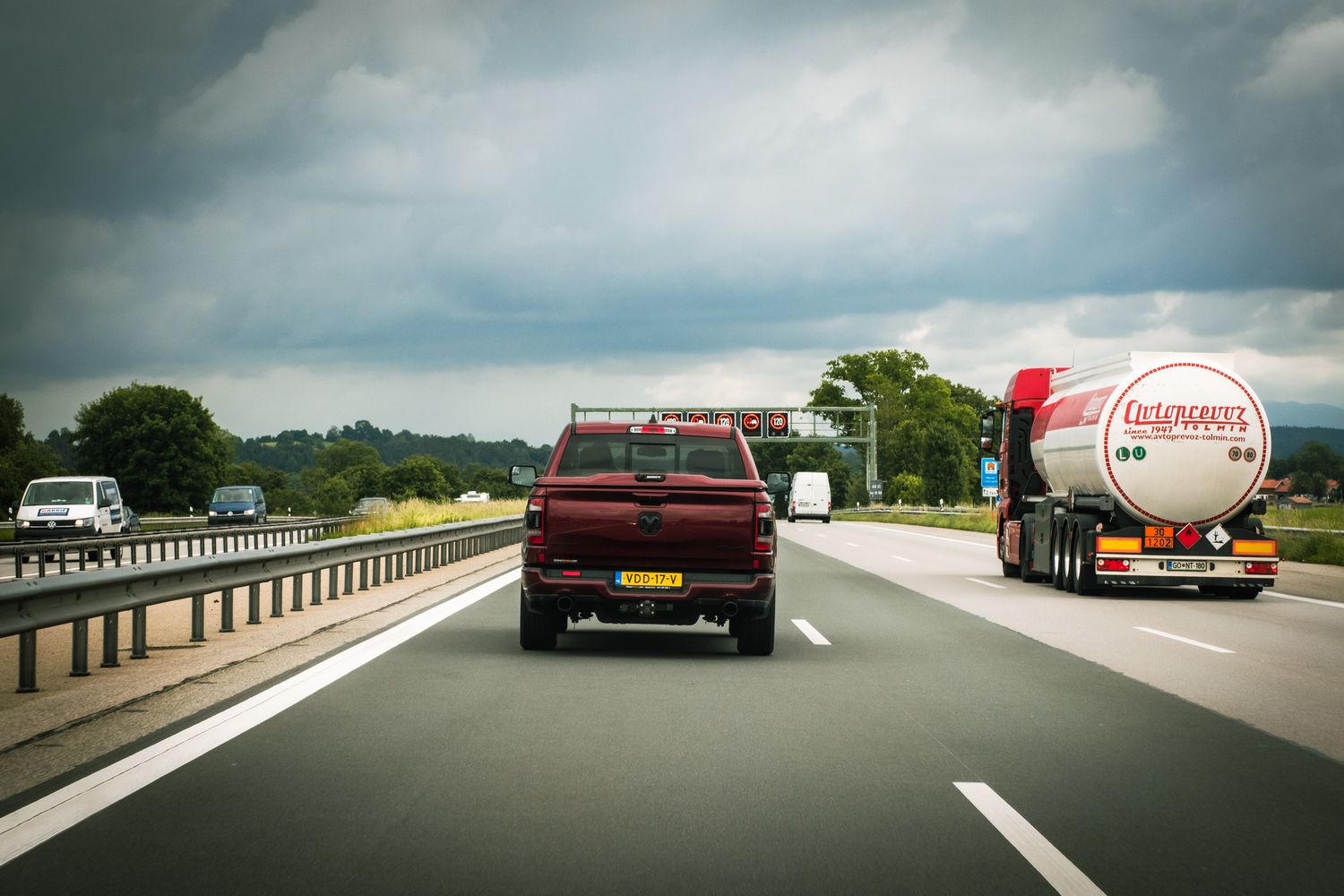
- 90% pavement / 10% dirt: Go all-terrain. You'll get better manners, better economy, and plenty of capability for the trails you actually run.
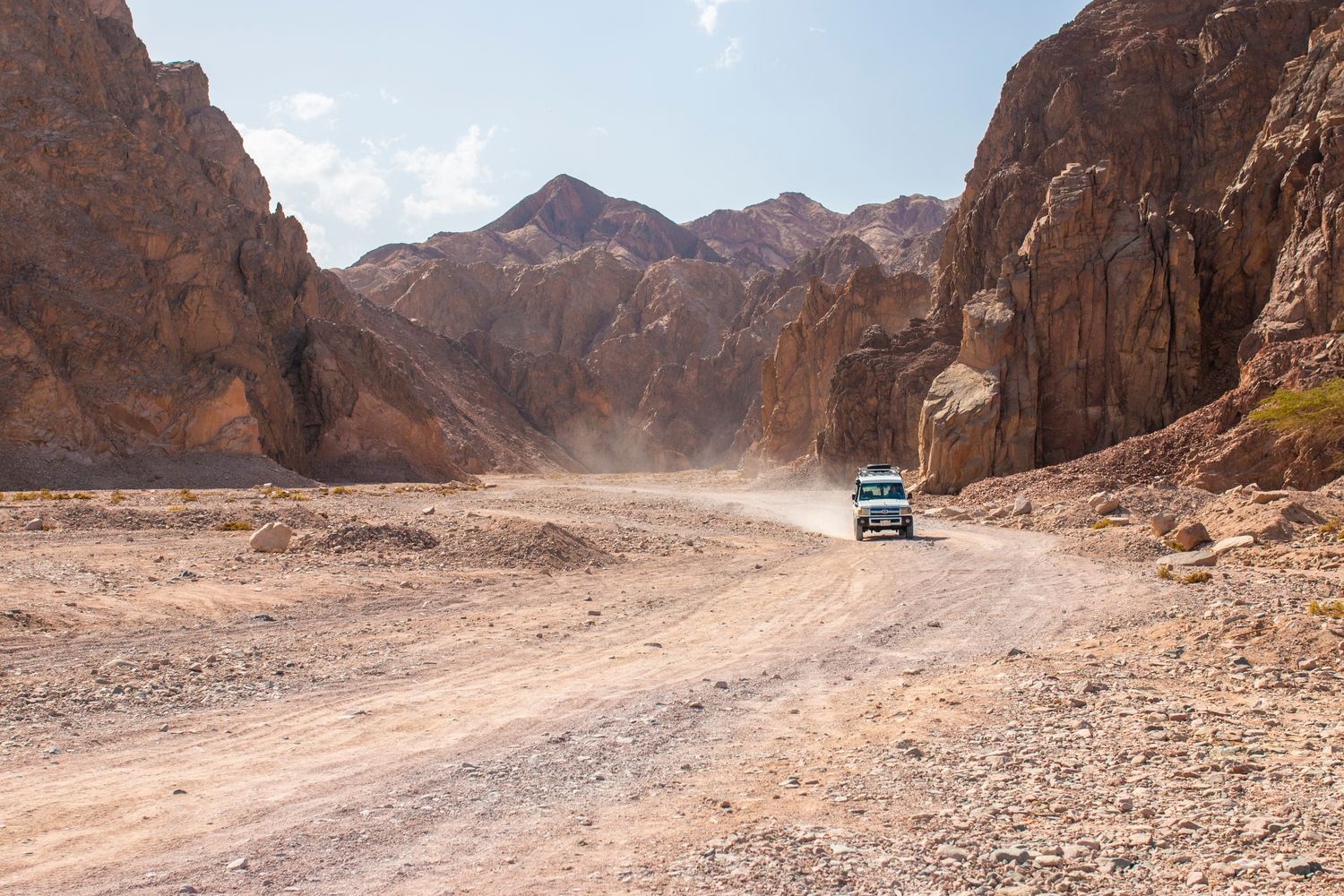
- Roughly 50/50, with real trail time: A hybrid or "rugged terrain" tire, or an aggressive all-terrain, is often the sweet spot.
- Mostly off-road, dedicated rig: Mud tires earn their keep. If getting through the gnarly stuff is the priority and you can live with the road penalties, go for it.
Most drivers overestimate how hardcore their driving really is. If your truck is also your daily commuter, grocery-getter, and road-trip vehicle, an all-terrain will make you happier 95% of the time — and the RX4 deflator plus proper airing-down technique will close most of the traction gap when you do venture off the beaten path.
The Bottom Line
Mud-terrain tires deliver unmatched off-road grip at the cost of noise, fuel economy, tread life, and wet-weather performance. All-terrain tires trade a bit of extreme-terrain capability for a well-rounded package that works for the vast majority of truck and SUV owners.
Choose based on your real driving mix, not your aspirations. And whichever way you go, remember that smart tire-pressure management — airing down for the trail and back up for the road — often matters more than the tread pattern stamped on the sidewall. Gear up right, and you'll have traction where it counts. Explore JACO's full lineup of off-road tire tools and accessories to complete your setup.