

Leave your car in a parking lot on a 90°F afternoon and the interior can climb past 130°F in under an hour — and your dashboard surface can hit a blistering 170°F or more. That kind of heat doesn't just make for an uncomfortable drive home. Over a single summer it fades upholstery, cracks dashboards, warps trim, and bakes that "new car" feel right out of your cabin.
The good news: protecting your car's interior from summer heat is mostly about a few cheap habits and the right gear. Here's how to keep your seats, dash, and electronics looking sharp all season — and how to cool a scorching cabin down fast when you do get caught.
Why Summer Heat Is So Hard on Your Interior
A parked car acts like a greenhouse. Sunlight pours through the glass, heats every surface inside, and the cabin traps that energy with nowhere to vent. The result is a one-two punch on your materials:
- UV rays break down the dyes and binders in leather, vinyl, and plastic, causing fading and that chalky, dried-out look.
- Raw heat dries out the natural oils in leather and makes plastics brittle, which is why neglected dashboards eventually crack and crumble.
Electronics take a hit too. Sustained high temperatures shorten the life of phone mounts, dash cams, and anything else left baking on the dash. Protecting the interior is really about blocking sunlight, managing heat, and being smart about where you park.
Sun Shades: Your First Line of Defense
A windshield sun shade is the single most effective dollar you can spend on interior protection. The windshield is the biggest window in your car and the main way sunlight floods the cabin. A reflective shade can drop interior temps by 30–40 degrees and keeps direct UV off your dashboard and steering wheel.
A few tips to get the most out of one:
- Buy a shade sized for your windshield. A loose, undersized shade leaves gaps where sun sneaks through.
- Reflective foil or bubble-style shades outperform thin fabric versions.
- For all-day parkers, add shades for the side and rear windows too — especially if you have leather seats.

Protect Your Seats and Dashboard
Your seats and dash are the surfaces that show heat damage first. A little routine care goes a long way:
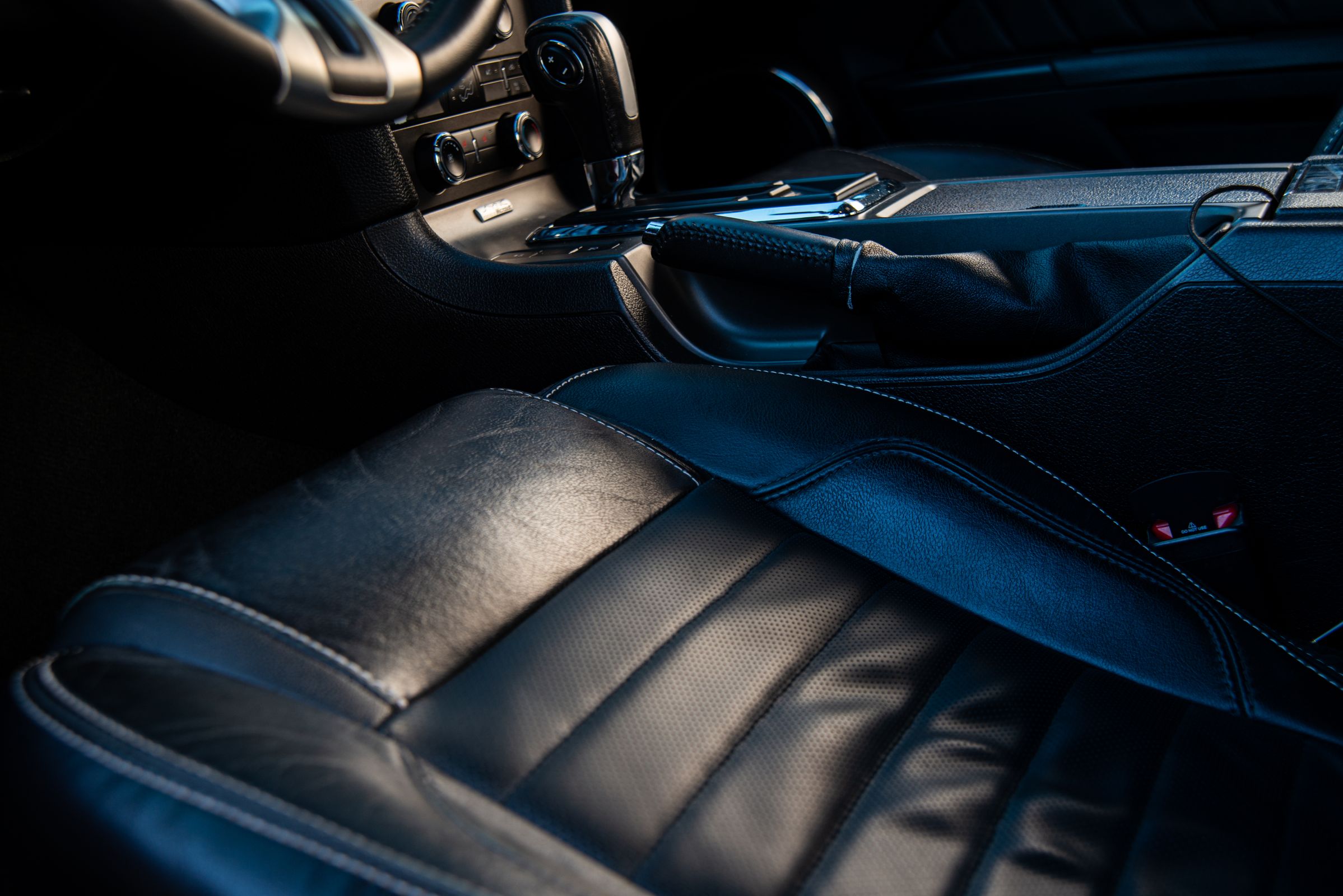
- Condition leather seats every few weeks in summer. A quality leather conditioner replaces the oils the sun strips out and prevents cracking.
- Use a UV protectant on dashboards, door panels, and vinyl trim. Look for a matte, non-greasy formula so you're not adding windshield glare.
- Throw on seat covers if you park outside daily. They take the UV beating so your actual upholstery doesn't.
- Crack your windows a half-inch when it's safe to do so. Even a little ventilation lets trapped heat escape and lowers peak cabin temperature.
Smart Parking Strategies
Where you park matters more than almost anything else. The best heat protection is keeping the sun off the car in the first place:
- Find shade. A tree, a building's shadow, or the covered level of a parking garage can keep your cabin 20+ degrees cooler.
- Think about sun angle. Parking facing away from the afternoon sun keeps direct light off the windshield during the hottest hours.
- Garage it at home. If you have a garage, use it — overnight heat soak is real, and a shaded start makes a difference the next day.
- Rotate your spot. If you always park in the same exposed space at work, the same side of your interior fades faster. Mix it up.

Cooling a Scorching Cabin Down Fast
Sometimes you've got no choice but to get into a furnace on wheels. Here's how to cool it down quickly instead of waiting on the A/C to catch up:
- Open the doors first. Before you start the engine, open the doors for 30 seconds to let the worst of the trapped heat roll out.
- Use the cross-breeze trick. Roll down the far window, then open and close the driver's door a few times to push hot air out and pull cooler air in.
- Start on fresh air, not recirculate. Run the A/C on outside air first to flush the hot cabin air, then switch to recirculate once it cools.
- Aim vents up. Hot air rises, so pointing vents upward cools the cabin more evenly.
Don't Forget What the Heat Does to Your Tires
Interior care gets all the attention, but summer heat works on your tires too — and that one's a safety issue, not just a comfort one. Air expands as it warms, so tire pressure rises with both hot pavement and rising temperatures. A tire set in a cool morning garage can read several PSI higher by mid-afternoon on scorching asphalt.
Overinflated, overheated tires wear unevenly and are more prone to failure at highway speed — exactly when you don't want a problem. The fix is simple: check your pressures regularly through the summer, always when the tires are cold (before driving), and set them to the number on your door-jamb sticker. A trustworthy gauge is the whole game here, because the cheap stick gauges in most glove boxes can be off by several PSI.

Browse the full lineup of JACO tire pressure gauges if you want a model dialed in for your vehicle — and if you're road-tripping this summer, our Fourth of July road trip prep guide covers the rest of the checklist.
Build a Simple Summer Routine
You don't need to baby your car to keep it looking great through the heat. A windshield shade, a shady parking spot, a quick conditioning every few weeks, and regular cold-tire pressure checks cover 90% of the damage summer can do. Put those habits on autopilot now and your interior — and your tires — will thank you when the temperatures finally drop in the fall.