
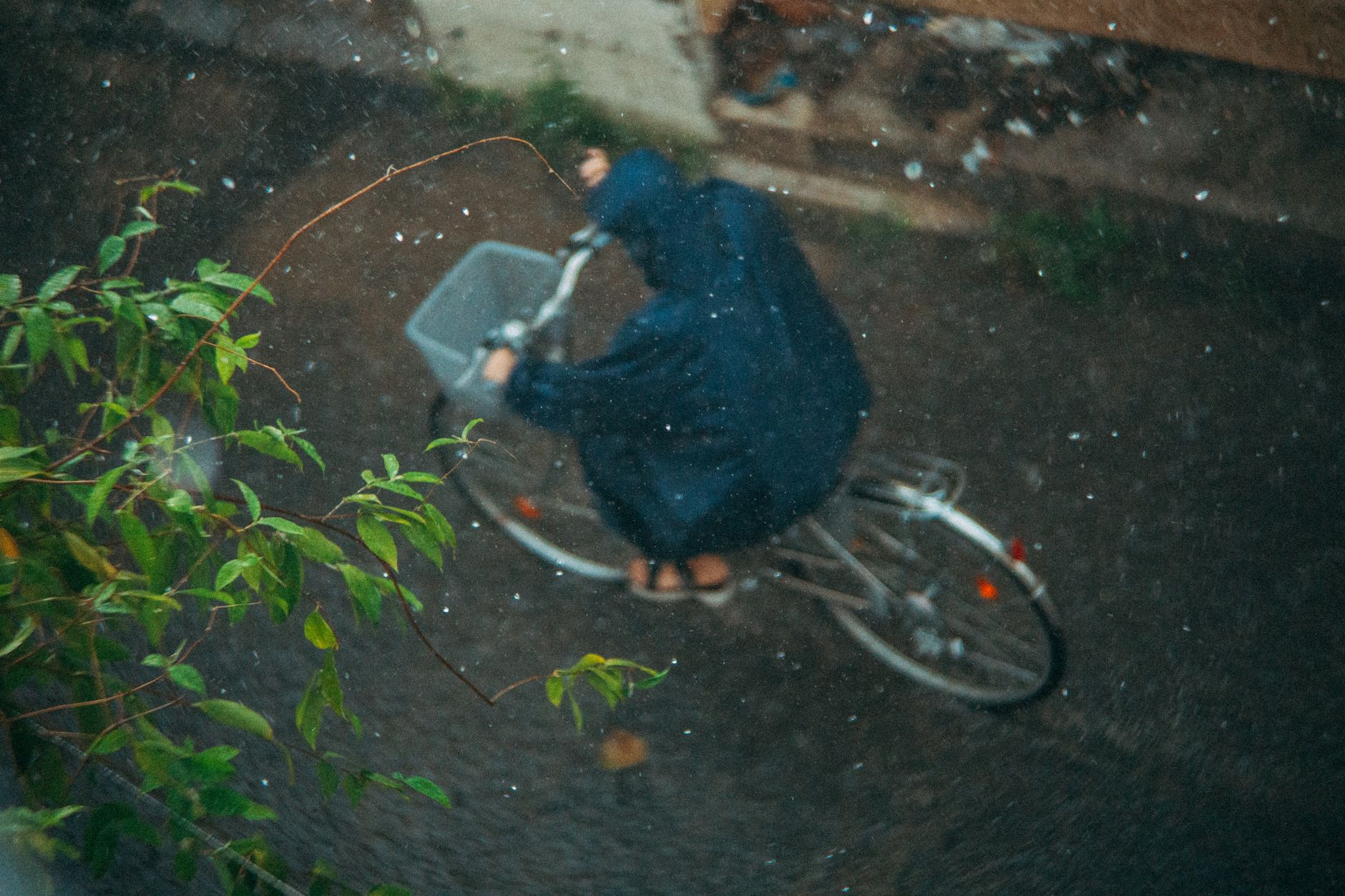
For a lot of riders, the first cold drizzle of fall is when the bike goes into hibernation. It doesn't have to be that way. Rain riding feels intimidating mostly because no one teaches it — and the few hazards that actually matter are easy to manage once you know what to look for. Learn how to ride a bike in the rain safely and you unlock months of riding that most people give up on, plus a level of bike-handling confidence that pays off every dry day too.
This guide covers the real risks of wet-weather cycling, the gear that's actually worth buying, and the technique tweaks that separate nervous beginners from riders who barely notice the weather.
Why Rain Is More Dangerous Than It Looks
It's not the water itself that's the problem — it's what the water sits on top of. Clean wet asphalt offers surprisingly good grip. The danger is concentrated in a handful of specific surfaces, and once you can spot them, most of the risk disappears.
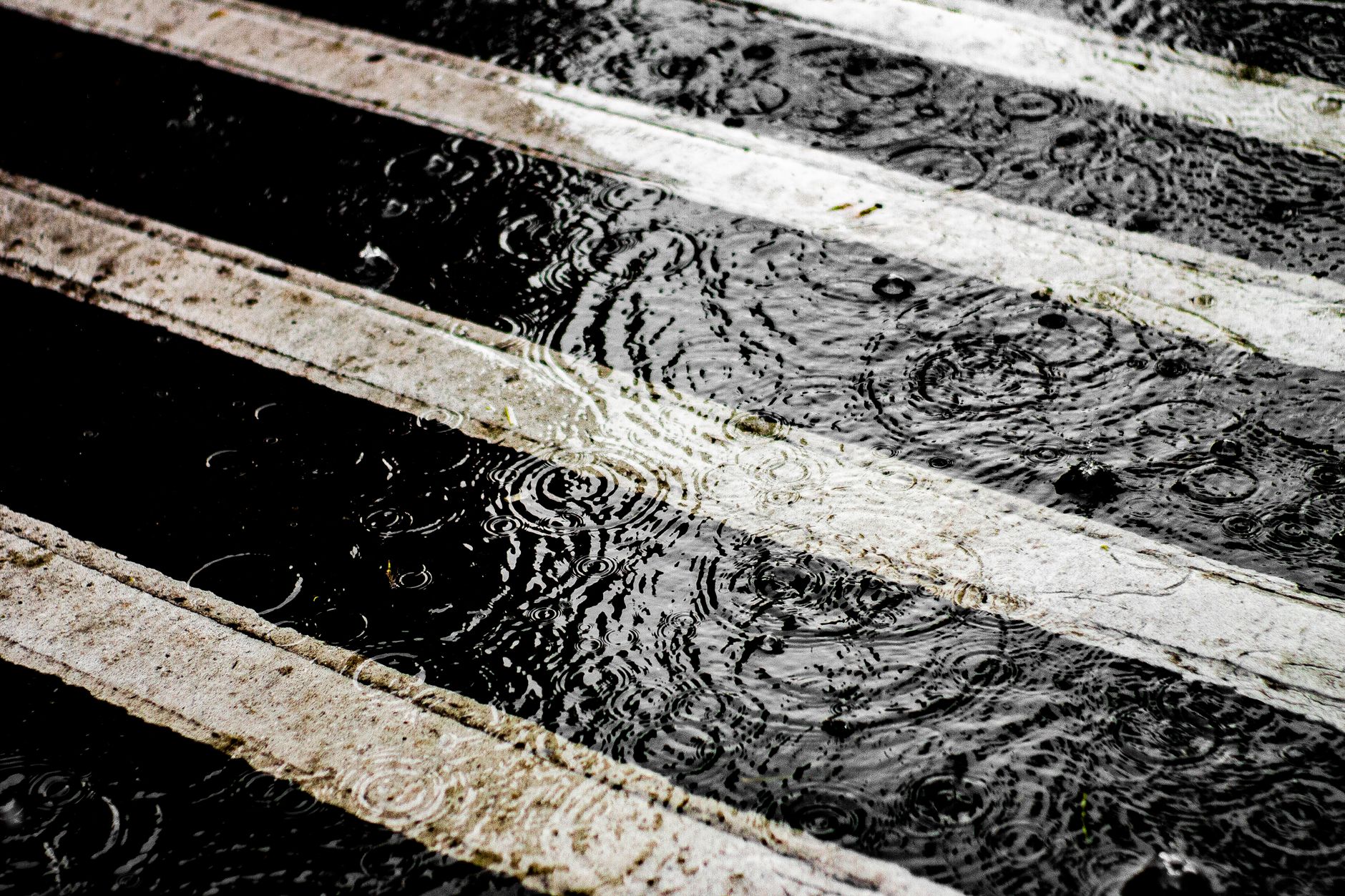
The worst offenders are the things you ride over without thinking:
- Painted road markings. White lane lines, thermoplastic crosswalk stripes, arrows, and bike-lane symbols become almost frictionless when wet — closer to ice than to road. Avoid putting a tire down on paint mid-corner.
- Metal surfaces. Storm drain grates, manhole covers, railroad tracks, and steel bridge plates are treacherous in the rain. The rule is simple: cross them straight on, never at an angle, and never brake or steer while you're on top of them.
- Oil and the first 20 minutes. A dry spell leaves oil and rubber residue on the road. The first rain after a dry stretch lifts that film to the surface, making roads slickest right when the rain starts — not hours into a downpour.
Braking: Double Your Following Distance
Wet brakes are slower brakes. Modern hydraulic disc brakes are dramatically better in the rain than old rim brakes — rim brakes have to squeegee water off the rim before they bite, which can mean a frightening half-second of nothing. But even good discs take roughly 30–40% longer to stop you on a wet road.

Two habits keep you safe:
- Brake earlier and lighter. Start slowing well before you normally would, and feather the brakes smoothly rather than grabbing them. Sudden braking on a wet surface is how front wheels wash out.
- Double your following distance. Give yourself twice the gap behind cars and other riders. Most wet-weather crashes are panic stops that wouldn't have happened with more room.
Tire Choice and Pressure Matter More Than Tread
Here's the counterintuitive part: on pavement, tread does almost nothing for wet grip. Bicycle tires don't go fast enough to hydroplane, so the slick road tire that looks scary in the rain actually grips fine. What changes your wet traction is width and pressure, not knobs.

Running a few PSI lower than your dry-weather pressure puts more rubber on the road — a bigger contact patch means more grip and a more planted, confident feel. A 32mm road tire dropped from 100 PSI to around 65–70 PSI handles wet corners noticeably better. (Knobby MTB tires, by contrast, don't improve wet road traction much — their tread is for digging into dirt, not gripping pavement.)
The catch is that “a few PSI lower” only works if you actually know your starting number. Guessing with a thumb press isn't precise enough to dial in wet-weather pressure, which is exactly where a dedicated Presta gauge earns its place in your kit. For the full breakdown by bike type, see our cycling tire pressure guide.

Wet-Weather Gear That's Actually Worth It
You don't need to spend a fortune, but a few pieces make the difference between a miserable slog and a ride you'd repeat. Prioritize in this order:
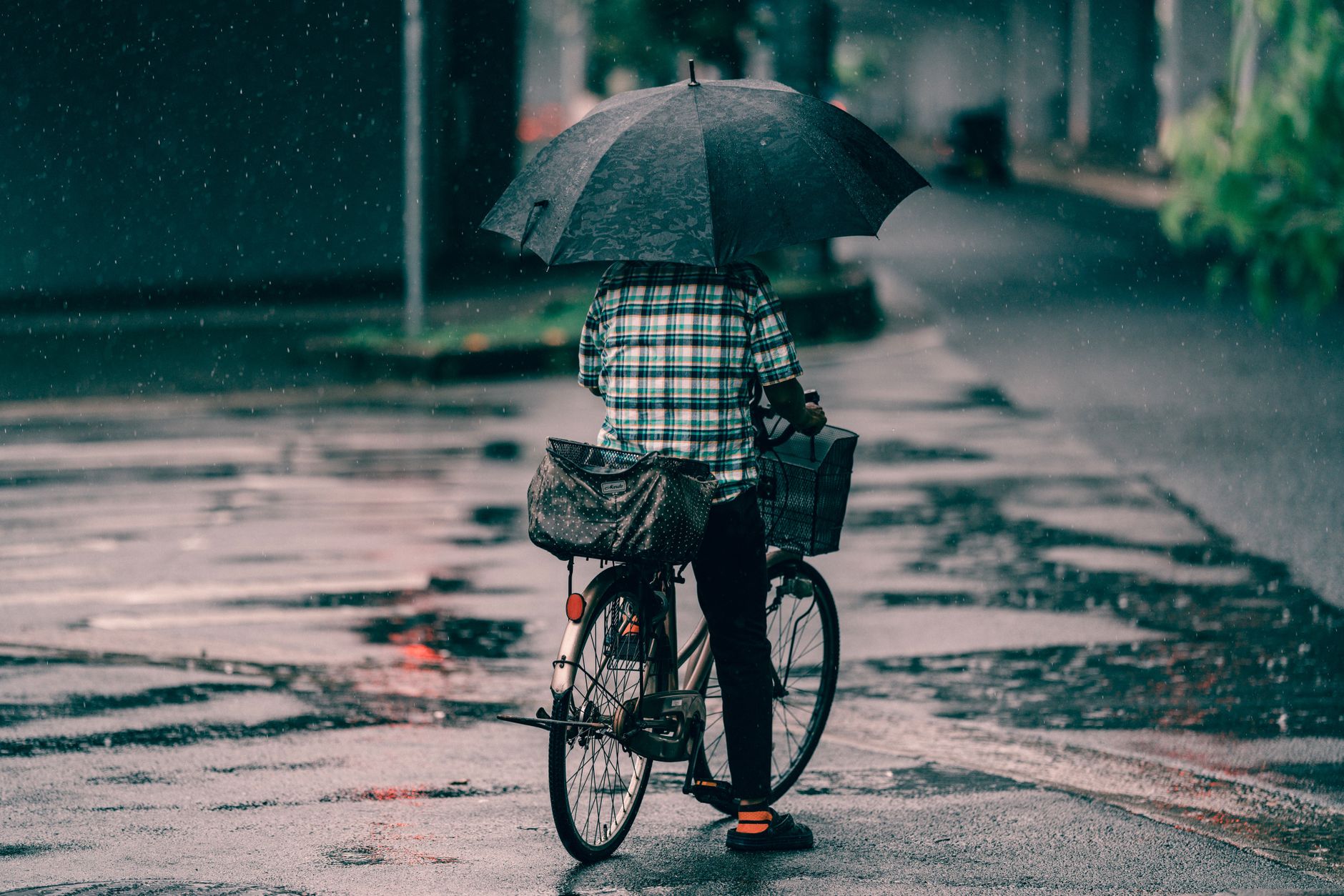
- A breathable waterproof jacket. The spec that matters is a 10,000–20,000mm waterproof rating paired with a 10,000+ breathability rating. A fully sealed jacket with no breathability just soaks you in sweat instead of rain. Pit zips are your friend, and a packable lightweight shell beats a heavy one you'll leave at home.
- Eye protection. Clear or yellow-tinted glasses keep rain out of your eyes and actually improve contrast in gray, low-light conditions.
- Waterproof socks or neoprene booties. Cold, wet feet end rides faster than almost anything. This is the cheapest big upgrade in wet-weather comfort.
Don't Skip the Fenders
Most of the water that soaks you on a wet ride isn't falling from the sky — it's your own tires throwing it up. A rear tire flings a “rooster tail” straight up your back, and the front wheel sprays your feet and face.
- Occasional commuters: clip-on fenders (SKS Speedrocker style) mount and remove in seconds.
- Serious commuters: full-coverage fenders (SKS Raceblade, Planet Bike) keep you and your bike dramatically drier.
A rear fender alone transforms the experience — add a front fender and you've solved 90% of the wet-and-cold problem.
The Mental Game: Ride Smooth, Look Ahead
Experienced wet-weather riders aren't braver — they're smoother. Tension is the enemy. A white-knuckle grip transmits every twitch into the bars; a relaxed grip lets the bike track naturally over slick spots.
Three things to practice:
- Smooth inputs only. No sudden steering, no abrupt braking, no hard acceleration out of corners. Make every input gradual.
- Look farther ahead. Scan well up the road for paint, grates, and standing water so you can plan a line instead of reacting to a hazard under your wheel.
- Take corners upright and slow. Reduce your lean angle in the wet. Slow before the corner, then roll through it with the bike more vertical.
Post-Ride Care: Five Minutes That Save Your Drivetrain
Rain washes the lubricant right off your chain and drives grit into everything. Skipping post-ride care is how a wet season turns into a worn-out drivetrain. After every wet ride:
- Re-lube the chain. Wipe it down and apply a wet-formula lube, which clings through rain far better than dry lube. Do this after the ride, not before the next one.
- Towel off the frame with a quick-dry cloth to keep water out of bolts and bearings.
- Check your brake pads for embedded grit, which can score your rims or rotors.
For the full routine, our guide on mountain bike chain maintenance walks through cleaning, lubing, and knowing when to replace.
Ride Through the Season
Wet-weather cycling rewards preparation, not bravery. Respect the slick surfaces — paint, metal, and that first oily rain — give yourself extra braking room, drop your pressure a touch for grip, and gear up so you stay warm and dry. Do that, and the bike never has to go into hibernation again.
Ready to dial in your setup? Browse our bike Presta tire pressure gauges and full lineup of bike tools and accessories to keep riding all year long.