
A UTV will take you places a truck never could — up rock ledges, through whooped-out desert washes, and deep into trail systems that dead-end every full-size rig at the trailhead. But that capability comes with a catch: your side-by-side is only as good as the setup you roll in with. The riders who get stuck, blow a bead, or limp home early almost always skipped the basics. Dialing in your UTV trail riding setup — the right tires, the correct air pressure, and a few pieces of essential safety gear — is what separates a great day on the trail from an expensive tow out.
Whether you run a RZR, a Can-Am Maverick, a Wolverine, or any other SxS, this guide covers the three things that matter most before you drop into the dirt.
Start With the Right Tires for Your Terrain
Tires are the single biggest performance upgrade on any UTV, and the "best" tire depends entirely on where you ride. Running the wrong compound and tread pattern for your terrain is the fastest way to get stuck or shred a sidewall.
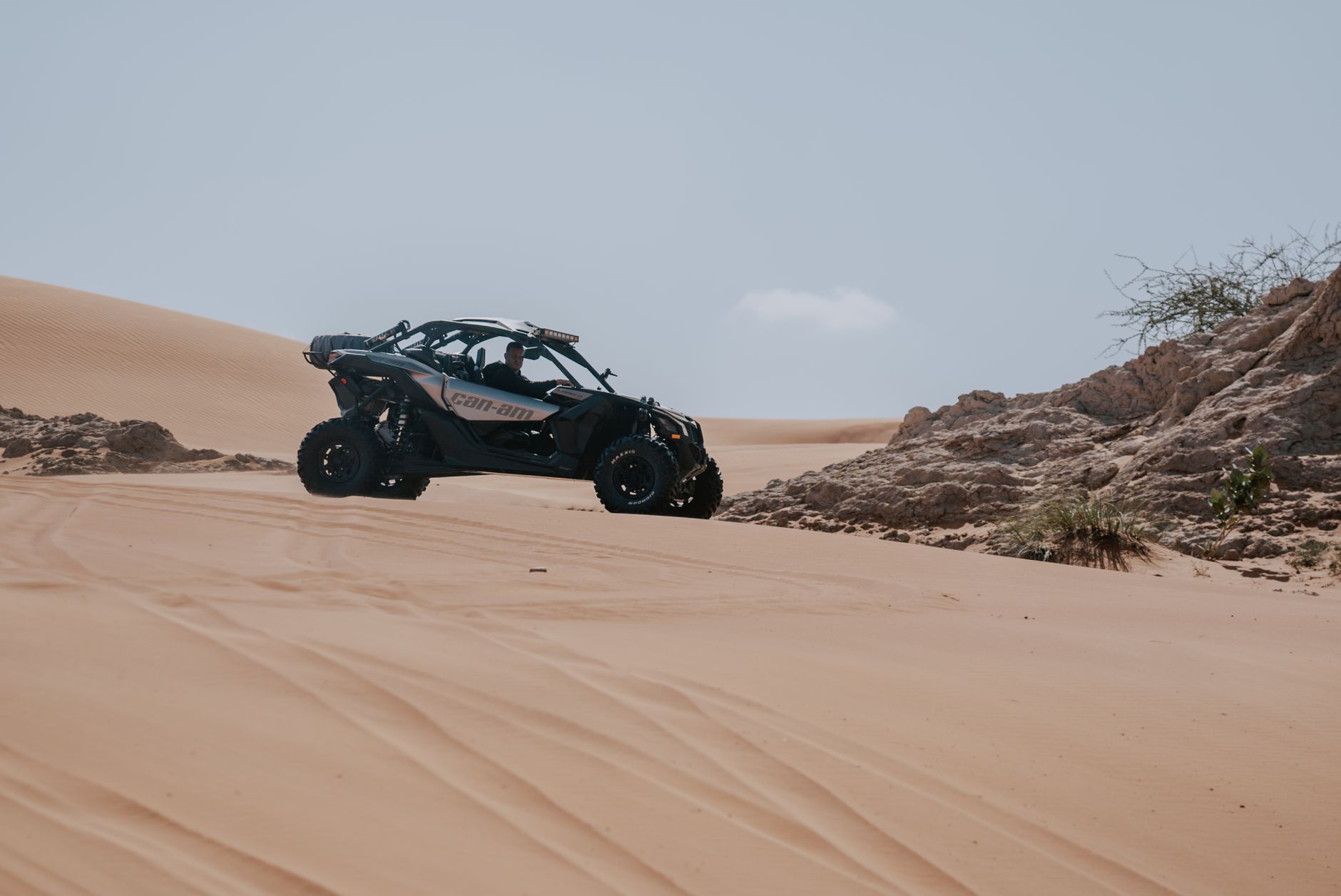
- Sand and dunes: Paddle tires up front-to-rear scoops move you across soft sand where an all-terrain tire just digs a hole.
- Mud: Aggressive, widely-spaced lugs (an inch or taller) clear themselves and claw for traction.
- Rock and hard-pack: A tougher 8-ply carcass with reinforced sidewalls resists punctures and pinch flats on sharp edges.
- Mixed trail: A quality all-terrain radial is the do-everything choice for most riders who don't specialize.
Whatever you choose, tire condition matters as much as tread design. Check for cuts, missing lugs, and dry rot before every big ride, and always carry a plug kit — trail punctures are a matter of when, not if.
Air Pressure Is Your Free Performance Upgrade
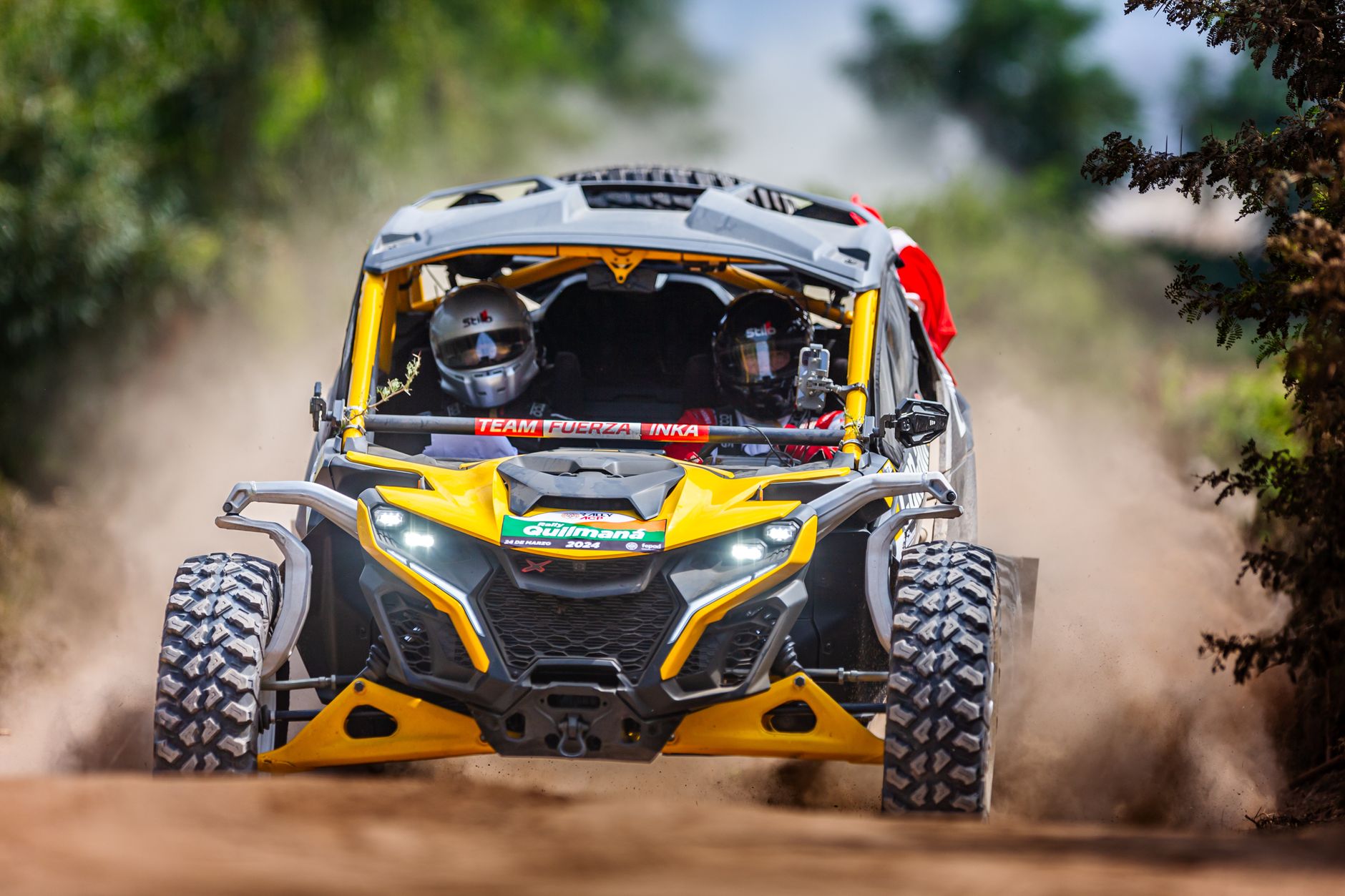
If tires are the biggest hardware upgrade, tire pressure is the biggest free one. Most UTVs leave the dealer with tires aired up for pavement and transport — often 18 to 25 PSI. On the trail, that's far too firm. It gives you a bouncy, skittery ride and a tiny contact patch that struggles for grip.
Airing down — dropping your pressure before you hit the dirt — flattens the tire's footprint, wraps more rubber around rocks and roots, and soaks up trail chatter. Typical trail pressures land in the 8 to 15 PSI range depending on terrain, tire size, and vehicle weight:
- Rock crawling: Lower (8–12 PSI) for maximum footprint and traction.
- Sand: Low (6–10 PSI) so the tire floats instead of digging.
- Fast desert or hard trail: Higher (12–15 PSI) to protect against pinch flats and rim damage at speed.
The catch: at these low pressures, a standard 100 PSI gauge is useless. The needle barely moves, and a couple of PSI of error is a big deal when you're running single digits. You need a dedicated low-pressure gauge built to read accurately down in that range.

Air Down Fast, Air Back Up Faster
Here's the part new riders underestimate: airing down four tires with a valve-cap tool takes forever, and doing it by feel is a guessing game. A purpose-built deflator lets you set your target pressure and rapidly dump air on all four corners in a fraction of the time — so you spend less time crouched in the dirt and more time riding.
The JACO Lightning™ RX4 Digital Tire Deflator uses patented quick-connect technology to air down up to 200% faster than traditional tools, with a built-in digital gauge so you hit your exact number every time. Snap it on, watch the readout, pull it off. Done.

Airing down is only half the equation. Before you load up and hit the highway home, you have to air back up to safe transport pressure — running low PSI at road speed builds heat and can throw a bead or destroy a tire. A portable compressor that can keep up with big UTV tires is non-negotiable trail gear.
A cordless unit like the JACO 20V Cordless Tire Inflator runs off a lithium-ion battery with no need to clamp to a battery or run off the engine — handy on a UTV where under-hood access is tight. It handles everyday inflation duties and lives easily in a gear bag or storage box.

Safety Gear You Should Never Ride Without
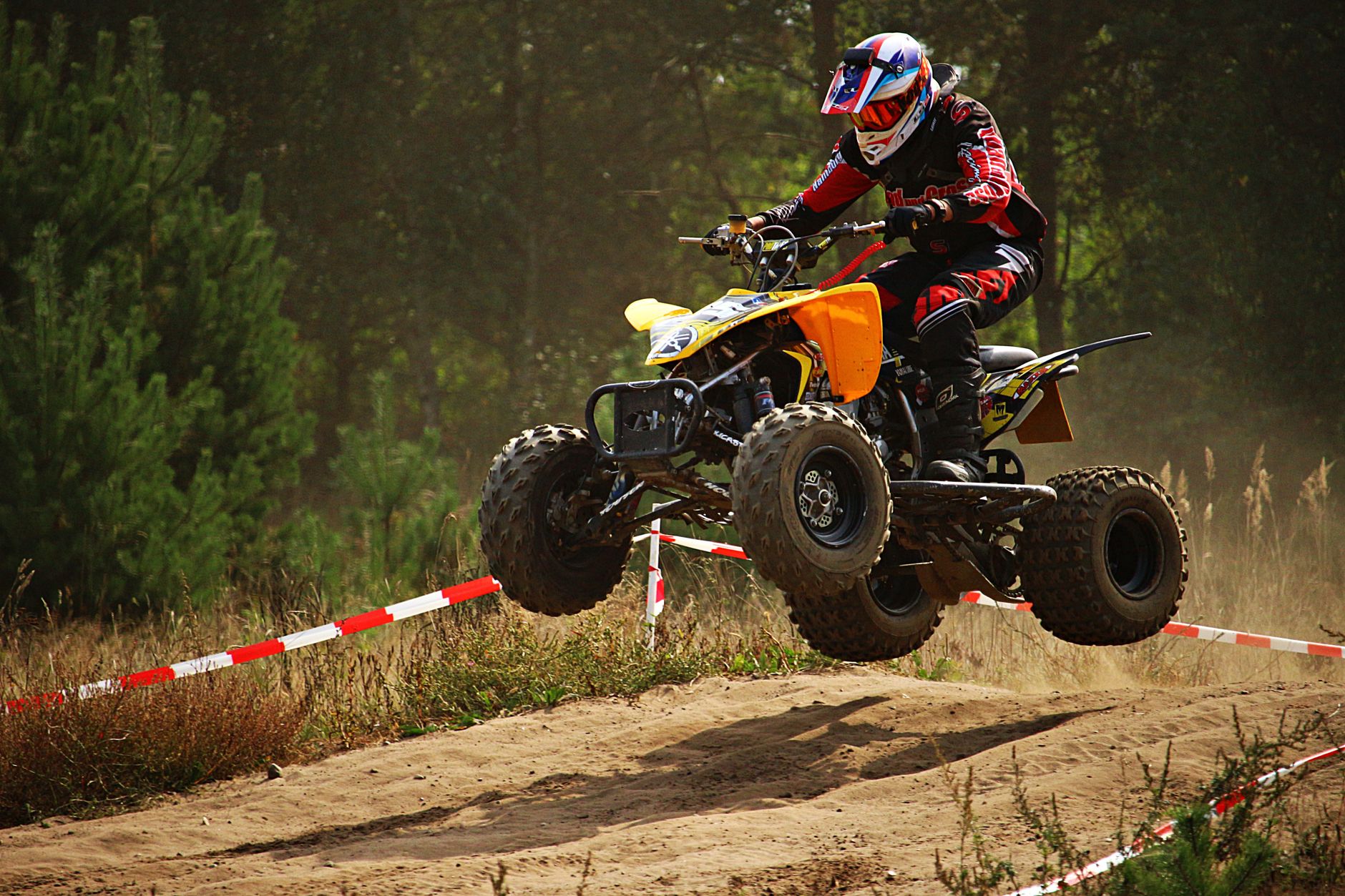
A UTV can flip, roll, or catch a rider's arm outside the cage in a heartbeat. The factory roll cage and seat belts are your foundation, but they only work if you build on them. Every rider in the machine should have:
- DOT-approved helmet: Non-negotiable, even for a slow scenic loop.
- Eye protection: Goggles or a shield — dust and flying debris are constant.
- Harnesses or upgraded belts: Many riders swap factory belts for 4-point harnesses that hold you firmly in the seat.
- Arm restraints or doors/nets: Keep limbs inside the cage in a roll.
- Gloves and closed-toe footwear: Protect hands and feet on rough terrain.
Round out your kit with a trail bag holding a first-aid kit, recovery strap, basic tools, a tire plug kit, and plenty of water. And follow the golden rule of the backcountry: never ride alone, and always tell someone your route and expected return time.
Do a Pre-Ride Walkaround Every Single Time
Two minutes of inspection prevents most trailside headaches. Before every ride, run through a quick check:
- Tire condition and pressure (aired down and even across all four)
- Coolant, oil, and fuel levels
- Belt condition (a worn CVT belt is a common UTV failure point)
- Lights, brakes, and steering feel
- Cage bolts, harnesses, and any loose gear in the bed
For a deeper dive into airing down and recovery, check out our related guides on the JACO blog, and browse our full lineup of off-road tire tools and gauges to build out your kit.
The Bottom Line
A dialed UTV trail setup isn't complicated — it's the right tires for your terrain, the discipline to air down before the trail and back up after, and the safety gear to ride hard with confidence. Nail those three fundamentals and you'll spend your day riding instead of wrenching. Air down, gear up, and go find the end of the road.