
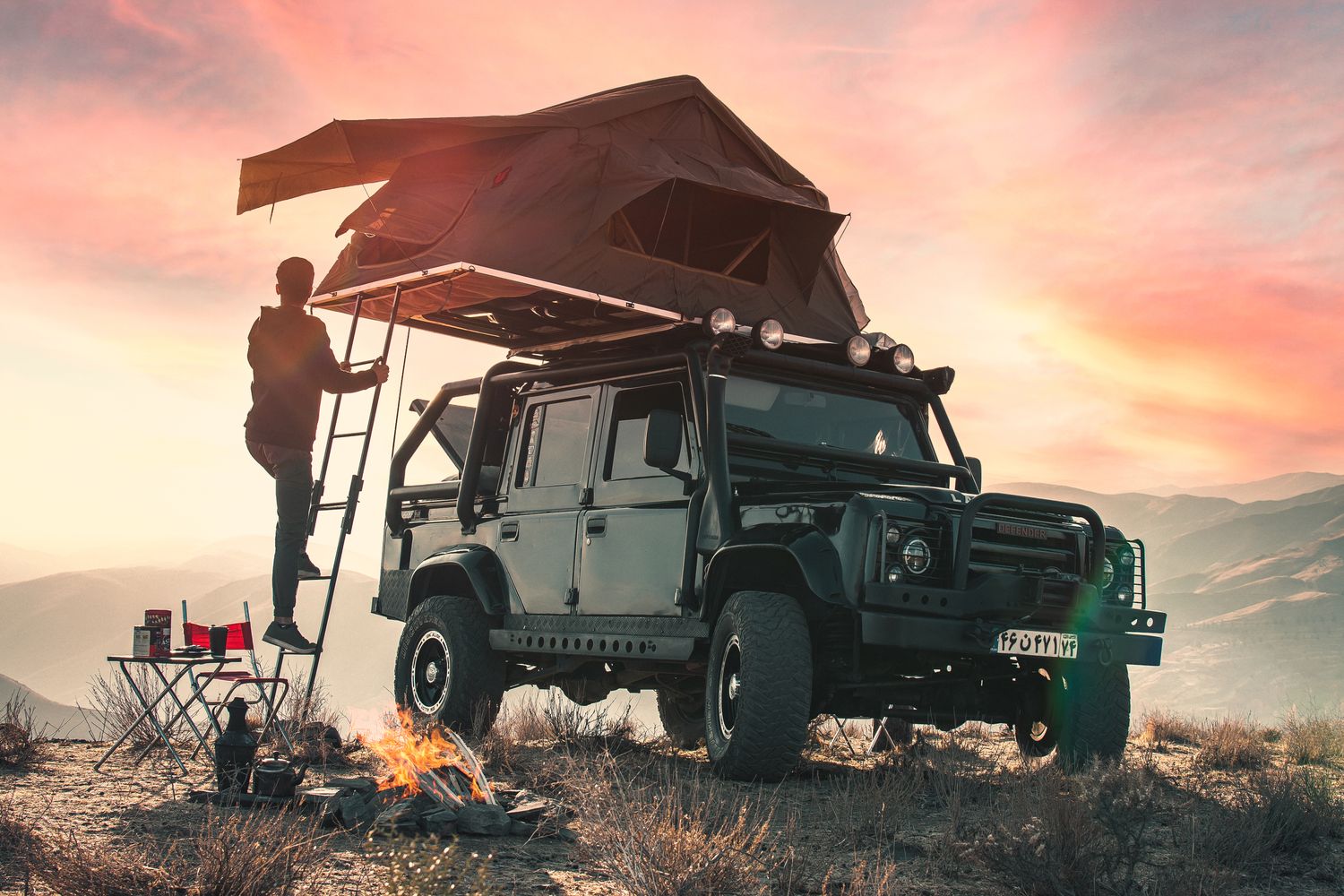
A rooftop tent changes the way you camp. Instead of hunting for level ground, swatting bugs out of a ground tent, and unpacking everything every night, you pop a tent off the roof of your vehicle and you're sleeping ten minutes later. The tradeoff? You're spending anywhere from $1,200 to $5,000+, adding 100 to 200 pounds to your roof, and committing to a setup that affects how your vehicle drives, parks, and refuels.
This buyer's guide cuts through the marketing noise. Whether you're new to overlanding or upgrading from a softshell to a hardshell, here's what actually matters before you spend the money.
Hardshell vs. Softshell: The First Decision
Every rooftop tent falls into one of two categories. Pick the wrong one for your style of camping and you'll regret it on every trip.
Softshell tents fold open like a clamshell, doubling or tripling their footprint. You unzip a travel cover, swing a ladder down, and the tent unfolds onto the ladder for support. They're cheaper ($1,200–$2,500 for solid brands), provide more sleeping space for the price, and usually include a built-in awning. The downside: setup and breakdown takes 5–10 minutes, the cover and zippers wear faster, and they catch more wind on the highway.
Hardshell tents have a rigid top and bottom that lift apart on gas struts. Setup is genuinely 60 seconds — release two latches, push up, done. They're quieter on the highway, more aerodynamic, and shed snow and rain better. The catch: you're paying $2,500–$5,000+, you typically lose 1–2 feet of interior length compared to a softshell at the same price point, and most hardshells sleep two adults max.
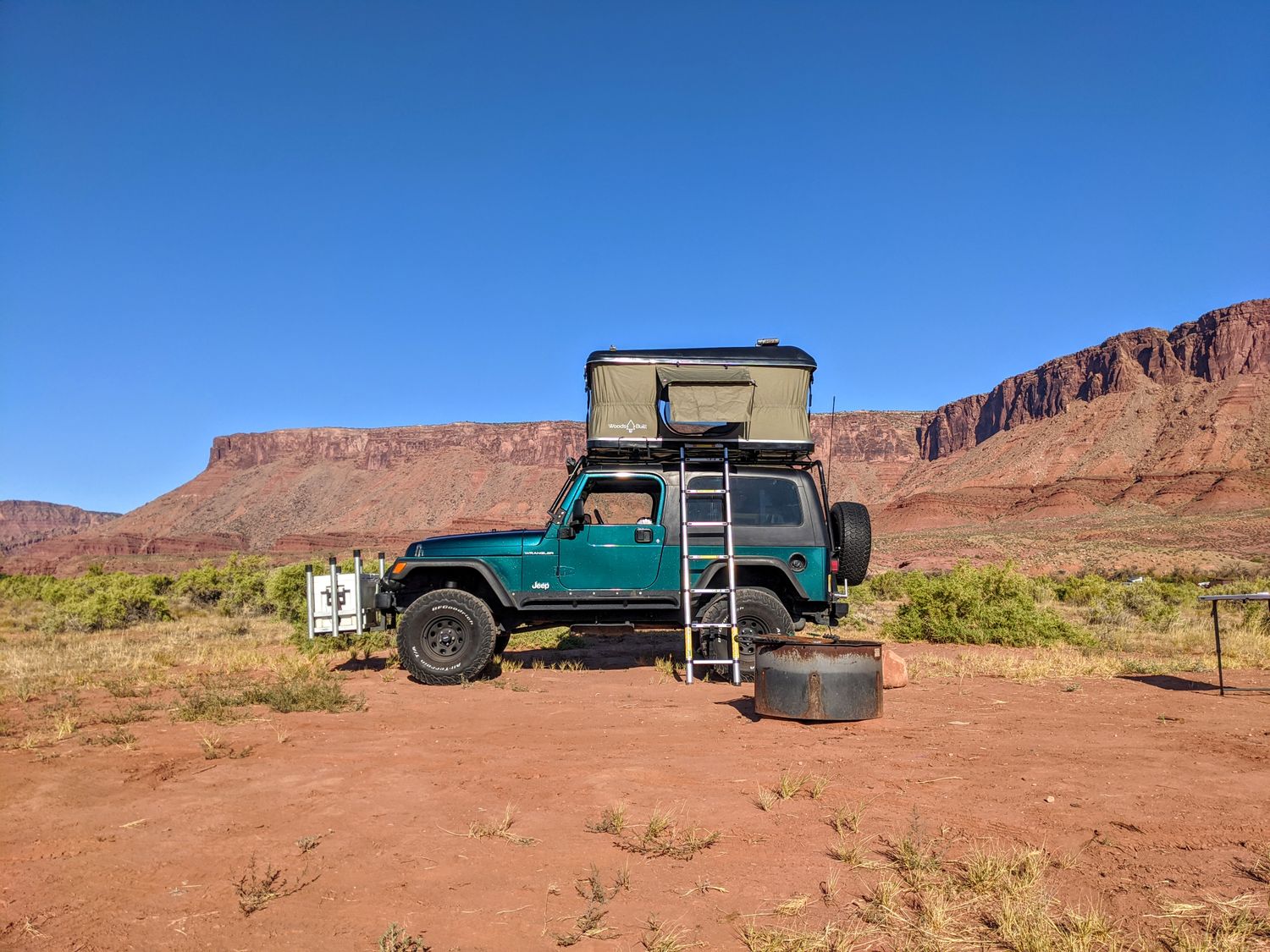
Quick rule of thumb: If you camp 1–2 nights at a time and move locations daily, a hardshell saves you a real amount of friction. If you base-camp for 3+ nights or need to sleep three or four people, a softshell almost always wins on space and value.
Vehicle Compatibility and Roof Load Capacity
This is where most first-time buyers get burned. Your vehicle's roof has two weight ratings, and they are not the same number.
- Dynamic load capacity — what the roof can carry while the vehicle is moving. This is what matters when you're driving down the highway with the tent closed.
- Static load capacity — what the roof can carry sitting still. This is what matters when the tent is open and you're sleeping in it.
Most factory roofs and racks are rated for 100–165 lbs dynamic and 600–800 lbs static. A typical rooftop tent weighs 100–200 lbs empty, and two adults plus bedding adds another 350–450 lbs. That's right at the edge for many vehicles — and well over the limit for some compact SUVs and crossovers.
Before you buy, check three numbers in your owner's manual or vehicle spec sheet:
- Your vehicle's roof load rating (dynamic).
- Your rack system's rating (the weakest link in the chain).
- The tent's empty weight plus expected sleepers + gear.
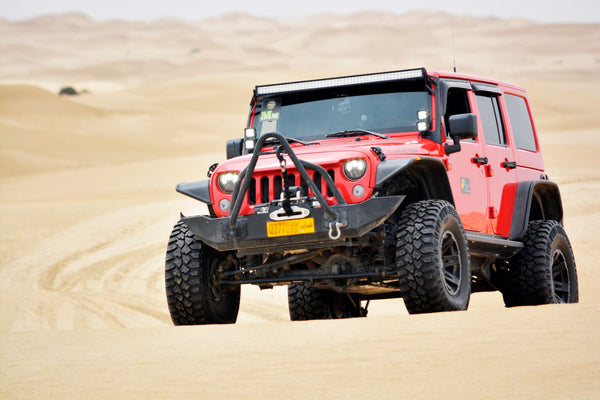
If you're driving a Subaru Outback, Toyota 4Runner, Tacoma, Jeep Wrangler, full-size truck, or Land Cruiser, you have plenty of room. If you're on a CR-V, RAV4, or sedan, you'll need a heavy-duty aftermarket rack system or a different platform entirely. Don't assume — verify.
Sleeping Capacity, Mattress Quality, and Real-World Comfort
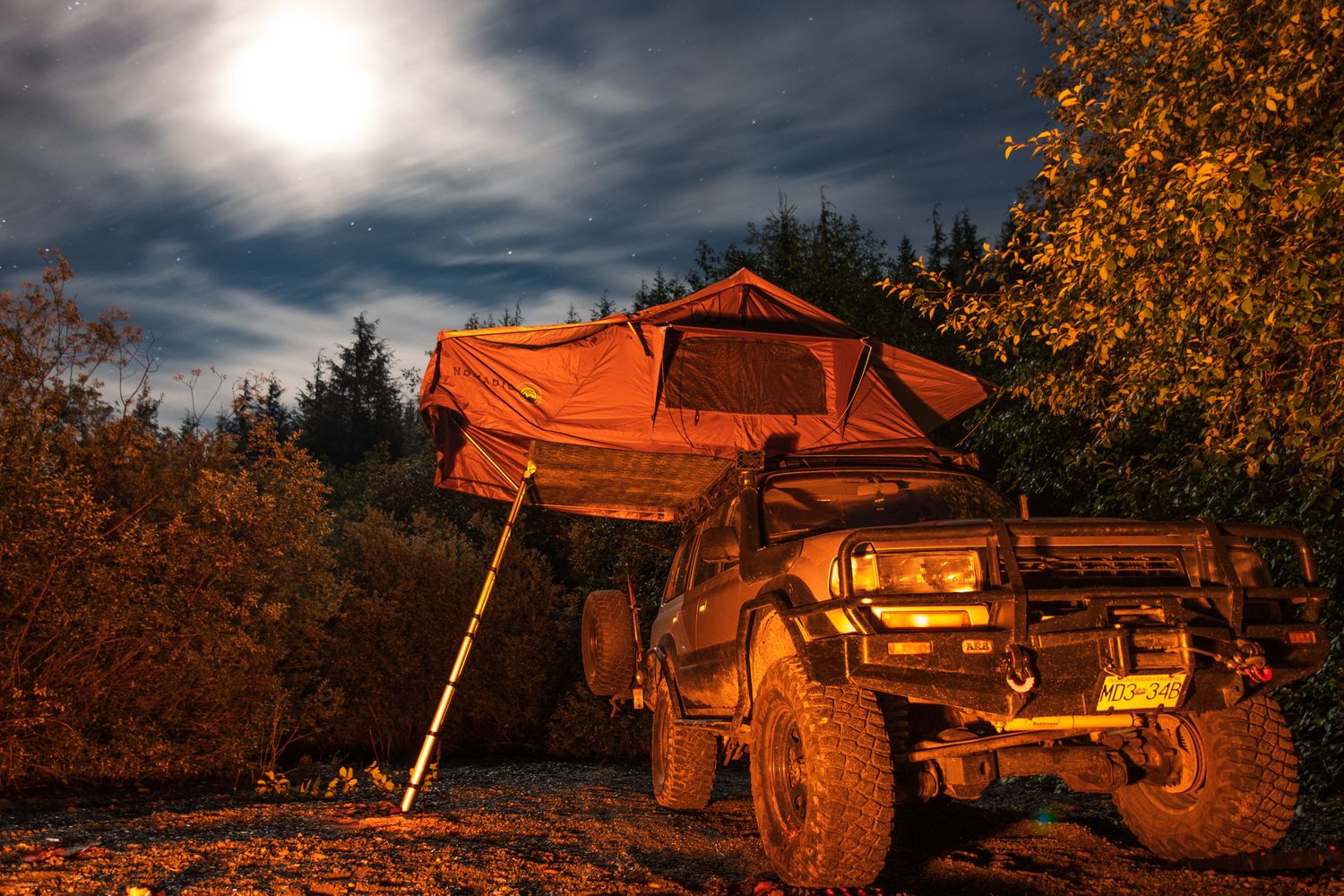
Manufacturer sleeping ratings are optimistic. A "3-person" tent fits three adults the way a "5-person" backpacking tent does — technically, if no one moves. For comfort, plan on one fewer sleeper than the rating: 3-person = 2 adults + a kid or dog, 4-person = a couple plus two kids.
The mattress is the difference between great sleep and a sore back. Most tents ship with a 2"–3" high-density foam pad. That's enough on a flat, dry roof. If you're a side sleeper or you're camping in cold weather, plan to add a 1"–2" memory foam topper or an inflatable pad on top. Some premium tents (iKamper, Roofnest, Smittybilt Overlander XL) ship with thicker 3"–4" mattresses worth the upgrade.
Ladder Type, Angle, and Mounting Height
The ladder gets ignored until you're trying to climb into bed at 2 a.m. with a headlamp on. A few things matter:
- Telescoping vs. fixed: Telescoping aluminum ladders adjust to uneven ground and are easier to stow. Fixed ladders are more rigid but a pain on a slope.
- Ladder angle: A steeper ladder takes less footprint but is harder to climb. A 60–70° angle is the sweet spot.
- Mounting height: The taller your vehicle, the longer ladder you need. A roof-tent on a lifted Tacoma may put your tent floor at 7+ feet — make sure the included ladder reaches the ground at a safe angle.
Seasonal Use: Rain, Wind, and Cold Weather
If you only camp in summer, almost any rooftop tent works. If you want to camp shoulder seasons or in rainy climates, the details start to matter:
- Rainfly coverage: Look for a fly that extends below window level on all four sides. Cheaper tents skimp here and you'll get drips at the seams.
- Insulation: Stock tents are uninsulated. For winter camping, plan to add an insulating liner ($150–$300) — diesel heaters are popular for cold-weather overlanders but require extra setup and ventilation.
- Wind resistance: Hardshells handle wind better than softshells, full stop. If you camp on exposed ridges or in shoulder-season storms, factor that in.
- Condensation: All rooftop tents condense — two adults breathing for 8 hours puts moisture into the air. Cracking a window even an inch makes a huge difference. Consider a small battery fan for humid climates.
Installation and Rack Considerations
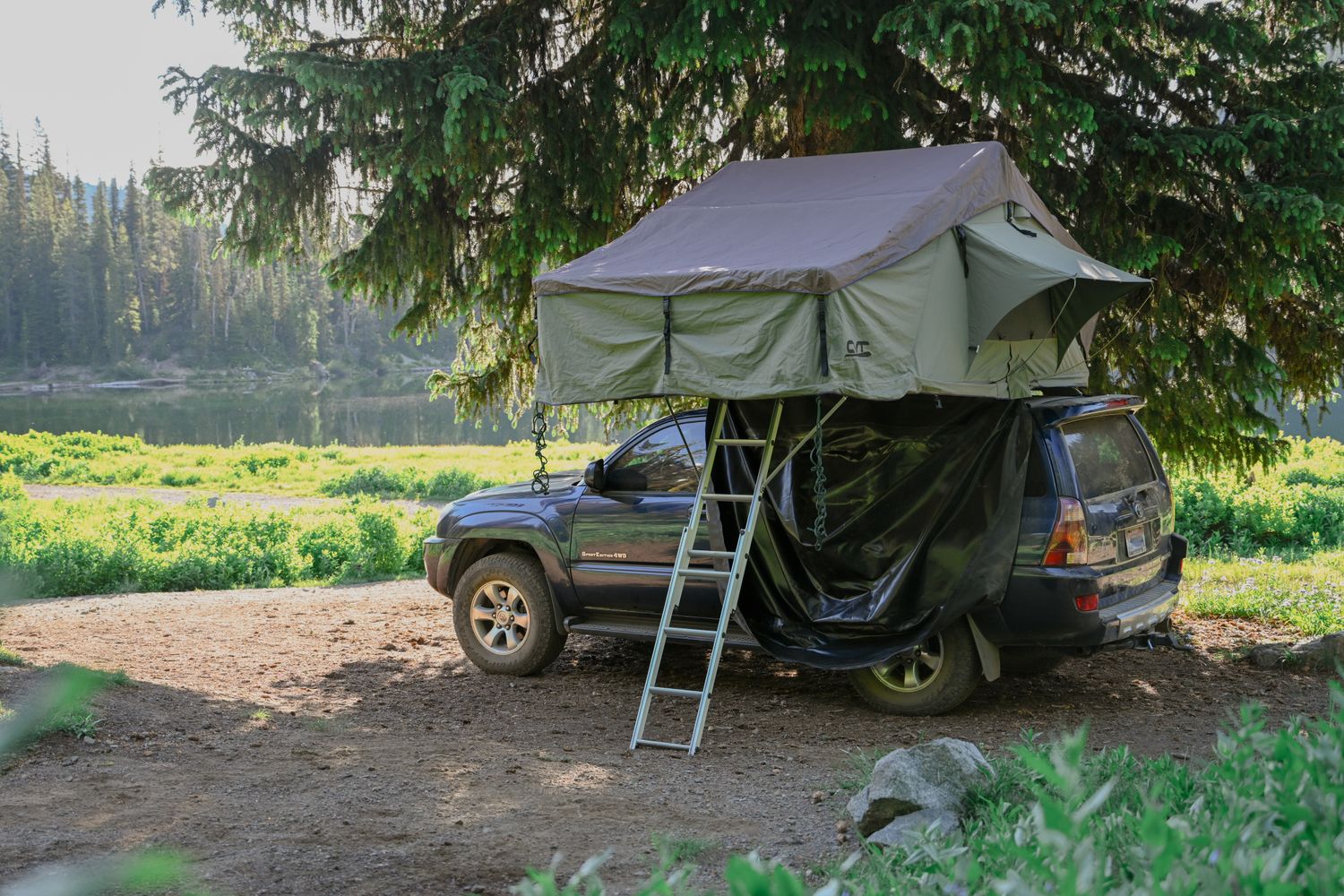
Most rooftop tents mount with U-bolts or T-track sliders to standard crossbars (Yakima, Thule, Rhino-Rack, Front Runner). A few tips that save real headaches:
- Crossbars should be spaced 32"–48" apart for proper load distribution. Check the tent's mounting spec.
- Use the full-length rack rather than short factory bars when you can — you'll get better weight distribution and the tent won't twist your roof in a crosswind.
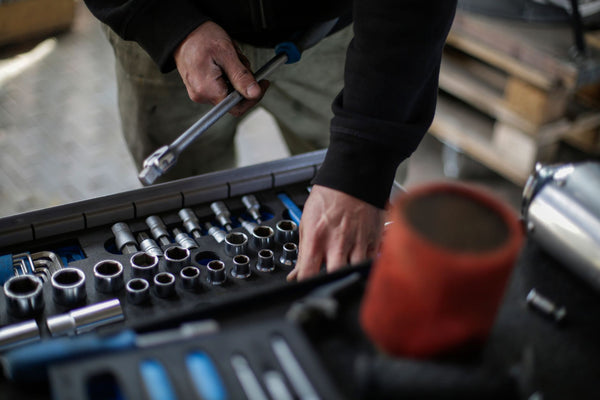
- Keep a torque wrench in your kit. U-bolts can loosen on washboard roads — re-check after the first 100 miles, then every couple of trips.
- If you're hauling the tent home unboxed, ratchet straps with soft loops are your friend. A 100+ lb tent in a truck bed needs to be locked down properly — bungees won't cut it.

Fuel Economy, Driving, and Garage Fit
A rooftop tent costs you 1–4 mpg on the highway depending on tent size and vehicle. Hardshells are usually closer to 1–2 mpg; tall softshells with covers can be 3–4 mpg. If you do a lot of highway commuting between trips, a hardshell pays back its premium in gas savings over a few seasons.
Garage clearance is the other often-missed detail. A closed hardshell sits 6"–10" tall on top of crossbars. Add another 3"–4" for the rack system and 4"–6" for any crossbar-mounted accessory. Measure your garage door height before you buy — many setups won't clear a standard 7' garage door.
Air Up Before You Hit the Highway
Most rooftop tent owners also air down their tires for trail comfort once they leave pavement. The added rooftop weight makes proper tire pressure even more important — under-inflated tires under load cause heat buildup, sidewall fatigue, and blowouts at highway speed. Get a portable compressor that can fully air up your tires before you head home, not a glove-box pump that takes 30 minutes per tire.

Pair a quality compressor with a digital tire gauge so you're hitting the exact PSI on every corner — uneven pressures with a heavy roof load make a vehicle wander noticeably. For more on dialing this in, see our beginner's guide to airing down and our overlanding gear essentials post.
Budget Tiers: What You Get at Each Price Point
- $1,000–$1,800 (Entry softshell): Smittybilt Overlander, Tuff Stuff Ranger, Thule Tepui Explorer Kukenam. Heavier, basic mattresses, but proven and serviceable.
- $1,800–$3,000 (Mid-range): Roofnest Falcon, CVT Mt. Bachelor, iKamper X-Cover. Better materials, lighter weights, faster setup.
- $3,000–$5,000+ (Premium hardshell): iKamper Skycamp 3.0, Roofnest Sparrow Eye, James Baroud Evasion. 60-second setup, premium fabrics, 3"+ mattresses, 5+ year warranties.
Spending more above $3,000 mostly buys you weight savings, faster setup, and warranty support — not necessarily better sleep. Buy what fits your vehicle, your trip style, and your honest camping frequency.
The Honest Answer to "Is It Worth It?"
If you camp fewer than 5 nights a year, a rooftop tent is hard to justify financially. A high-quality ground tent and a sleeping pad will run you $400 and store in a closet. If you camp 15+ nights a year, especially on the move between sites, a rooftop tent transforms the experience — faster, drier, off the ground, and away from critters.
The right rooftop tent makes you camp more. That's the actual ROI. Match the tent type to how you actually travel, verify your vehicle can carry it safely, and don't skimp on the rack system. Get those three things right and you'll have a setup that works for years.
Heading out on your first overlanding trip with a new rooftop tent? Make sure your tire pressure, recovery gear, and load securement are dialed in too — JACO has the gauges, compressors, and straps that go in every overland kit we recommend.