

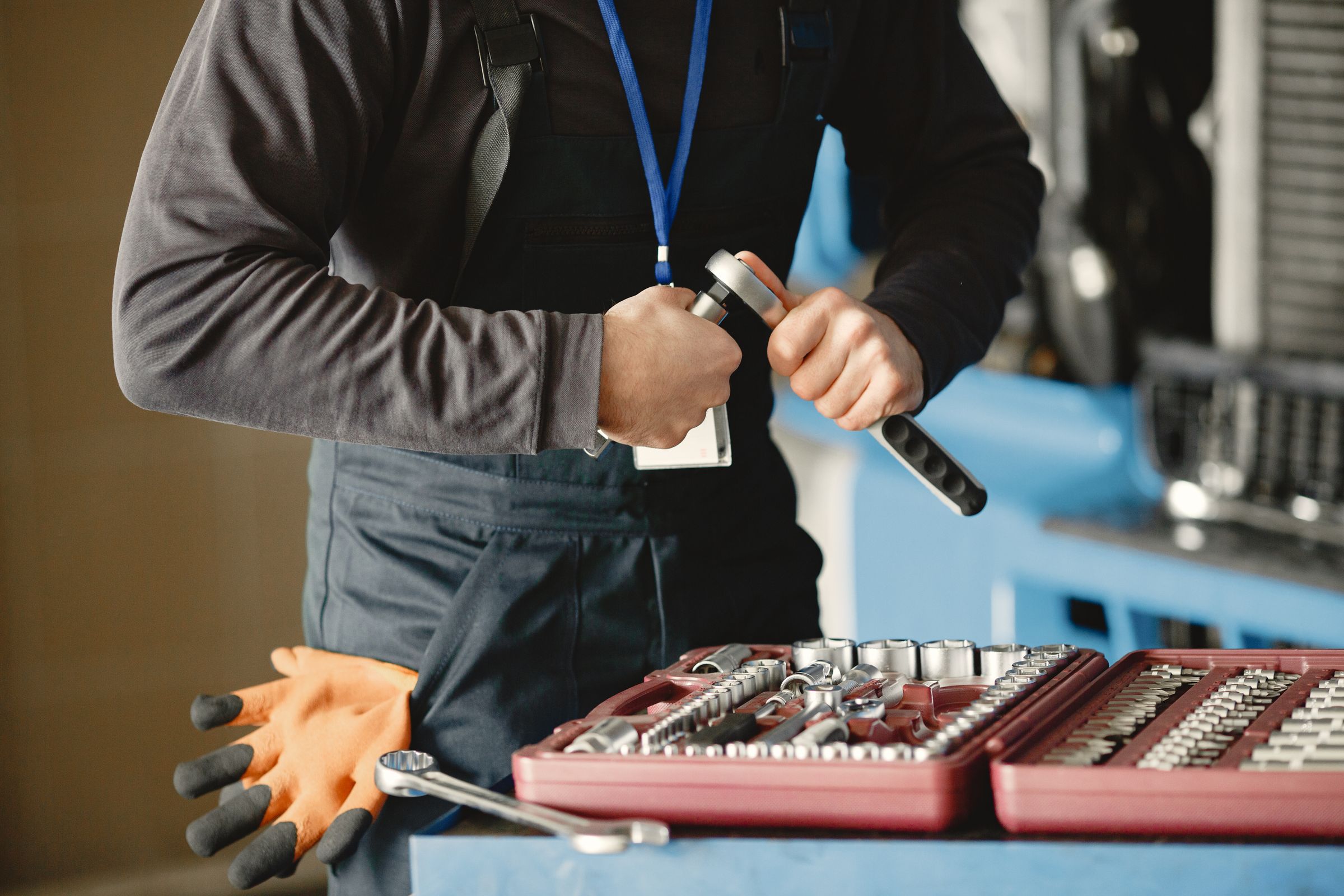
That little "click" a torque wrench makes might be the most important sound in your garage. Whether you're swapping to winter tires, doing a brake job, or changing your own oil, nearly every fastener on your vehicle has a torque spec — an exact tightness the manufacturer engineered it to hit. Guessing with a breaker bar or an impact gun is how rotors warp, threads strip, and wheels come loose on the highway. A torque wrench takes the guesswork out. Here's everything a DIYer needs to know about using one correctly.
Why Torque Actually Matters
A torque spec isn't a suggestion — it's an engineering number. When you tighten a bolt, you're actually stretching it slightly, and that stretch is what creates the clamping force holding your parts together. Too little and too much both cause real problems:
- Over-torque warps brake rotors, strips threads, snaps bolts, and cracks aluminum components like oil pans and valve covers.
- Under-torque lets fasteners work loose under vibration — the reason a wheel can come off miles after a tire shop rushed the job.
The difference between "snug" and "correct" is often 20–30 ft-lb, which your arm simply cannot feel. That's the whole point of the tool.
The Three Types of Torque Wrenches
Not all torque wrenches work the same way. Knowing the differences helps you pick the right one for your projects.

Click-Style
The most popular choice for home mechanics. You set your target torque on the handle, and the wrench delivers an audible click and a slight release when you reach it. Simple, affordable, and accurate enough for almost any DIY job.
Beam-Style
The old-school workhorse. A pointer needle deflects along a scale as you apply force, showing torque in real time. There's no mechanism to wear out, so it never needs calibration — but you have to watch the needle, which makes it awkward in tight spaces.
Digital / Electronic
An LCD readout shows exact torque, usually with a beep or buzz alert at your target. Best for tight areas where you can't see a dial, and many models log peak torque so you can double-check your work.
You'll also run into torque sticks — color-coded extensions used with an impact gun to limit torque on lug nuts. They're fast and handy at tire shops, but they're less precise than a real torque wrench, so treat them as a shortcut, not a substitute.
How to Use a Click Torque Wrench Correctly
Click-style wrenches are the most common, and they reward a little technique. Follow these steps every time:
- Set the target. Rotate the handle until the scale lines up with your spec (in ft-lb or Nm), then lock the collar if your model has one.
- Pull smooth and steady. Apply gradual, even pressure with your hand centered on the grip. Jerking or yanking produces false readings.
- Stop at the click. The moment you hear and feel it, you're done. Pulling past the click over-torques the fastener — the click is not a "keep going" signal.
- Reset to the lowest setting after use. Leaving the wrench cranked to a high setting keeps the internal spring compressed, which throws off calibration over time. Wind it down to the minimum (not zero) before you put it away.
Common Torque Specs Every DIYer Should Know
Always verify the exact number for your make and model — but these ballpark ranges help you sanity-check a job:
- Lug nuts: typically 80–120 ft-lb depending on the vehicle. Tighten in a star/crisscross pattern for even seating.
- Oil drain plug: around 25–30 ft-lb. Snug plus a quarter turn works, but a wrench prevents a stripped pan.
- Spark plugs: 15–25 ft-lb for aluminum heads, often 20–30 for cast iron.
- Brake caliper bolts: 25–44 ft-lb — over-torque here causes brake judder.
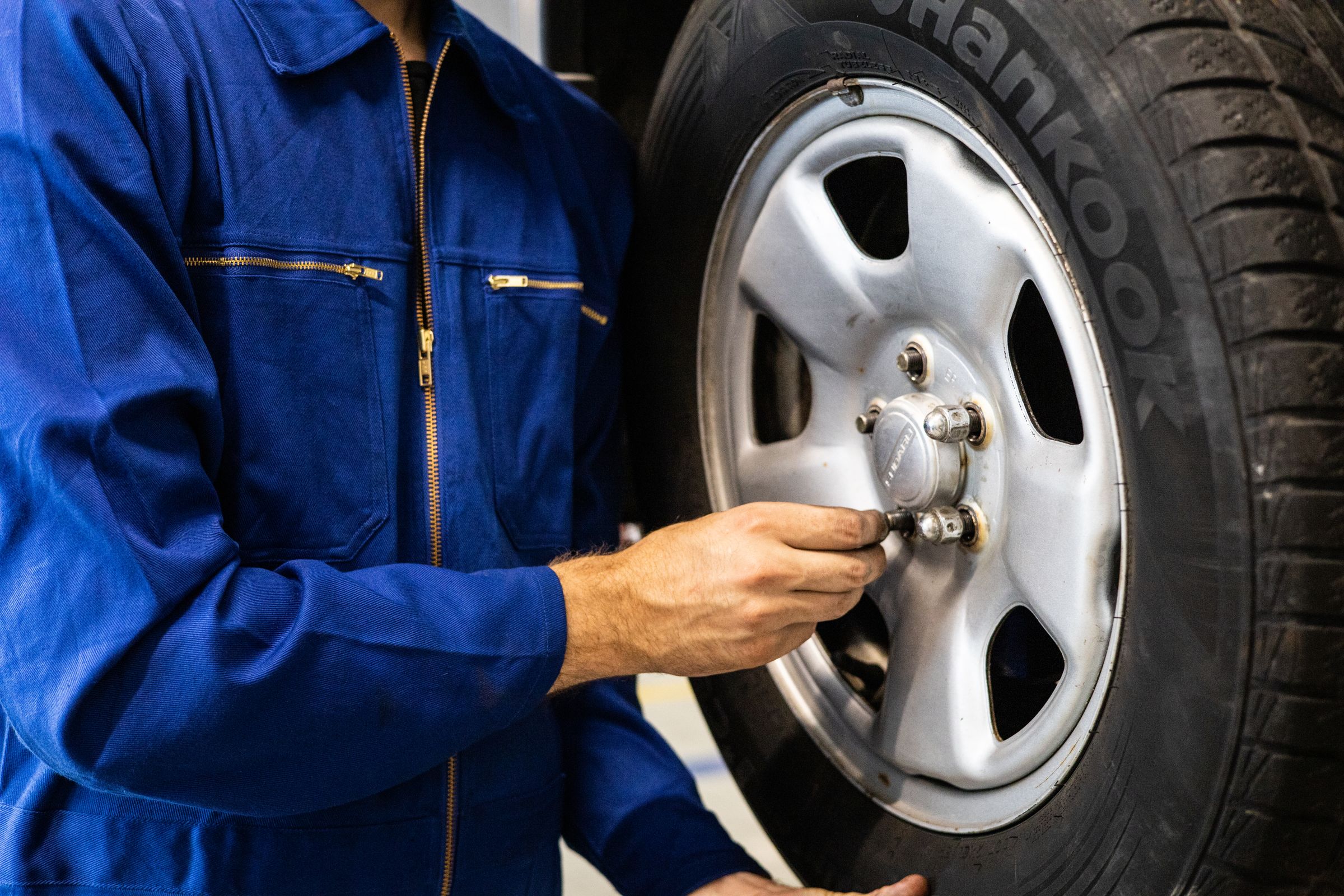
Wheel work is the job most DIYers do first, and it's the one where torque matters most for safety. After you torque your lug nuts to spec and drop the vehicle back down, it's smart to re-check tire pressure — jacking, wheel swaps, and temperature swings all shift your PSI. A reliable digital gauge makes that a ten-second habit.

ft-lb vs. in-lb vs. Nm: Reading the Scale
Torque wrenches usually carry two scales, and mixing them up is a classic mistake. The conversions are simple:
- 1 ft-lb = 12 in-lb = 1.36 Nm
Big fasteners — lug nuts, suspension bolts — are specced in ft-lb. Small, delicate ones like sensor housings or spark-plug-cap screws are often in in-lb, which is why a dedicated in-lb wrench is worth owning for interior and electronics work. European service manuals list everything in Nm. When in doubt, double-check which scale you're reading before you pull.
The Angle (Torque-to-Yield) Method
Some critical fasteners — cylinder head bolts, certain wheel and suspension bolts — use a two-step "torque angle" spec: tighten to a low snug torque first, then rotate the fastener a specified number of additional degrees. This stretches the bolt into its ideal clamping range more consistently than torque alone. A cheap torque-angle gauge makes it foolproof, and you should never skip the angle step when the manual calls for it.
Calibration: Keeping Your Wrench Honest
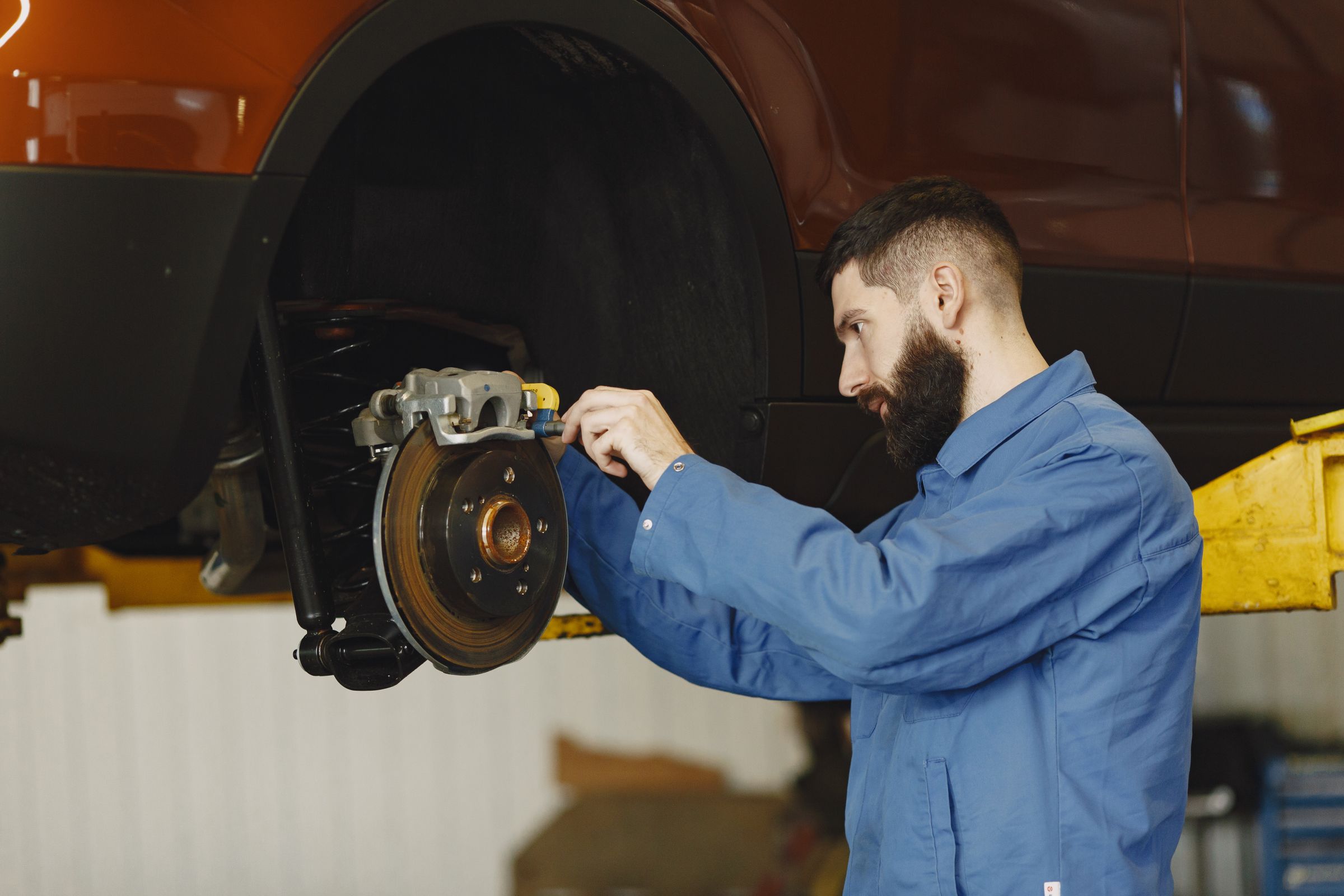
A torque wrench is a precision instrument, and click-style models drift out of spec over time — especially if they're dropped or stored under tension. General guidance is to recalibrate every 5,000 cycles, or roughly once a year for regular users. Most auto parts stores and tool shops offer calibration for a small fee. A quick field check: compare it against a second calibrated wrench on the same fastener and see if they click at the same point. If your readings feel "off," stop trusting the tool until it's verified.
Build a Torque-Ready Toolkit
A torque wrench is only as useful as the setup around it. Pair it with a quality socket set that matches your fasteners, a breaker bar for the initial loosening (never use your torque wrench to break bolts free), and the measuring tools you already reach for on every job — like an accurate tire pressure gauge for finishing wheel work. If you're new to DIY wheel and tire jobs, our guide on spotting tire dry rot is a good next read for keeping the rubber you're bolting on in safe shape.
The Bottom Line
A torque wrench turns "tight enough" into "exactly right," and that precision protects your parts, your safety, and your wallet. Learn to set it, pull it smoothly, stop at the click, and wind it down when you're done — and back it up with annual calibration. Do that, and you'll tighten every bolt on your vehicle with confidence, from lug nuts to caliper bolts to the smallest in-lb fastener under the hood.