

Spring is here, and road trip season is calling. Before you load up the car and hit the highway, there is one thing standing between you and a stress-free drive: a quick vehicle inspection. The good news? It only takes about 15 minutes, and it could save you from a breakdown, a blowout, or worse.
Whether you are planning a cross-country adventure or just a weekend getaway, this checklist covers every critical system you should check before turning the key. Print it, bookmark it, or save it to your phone — your future self will thank you.
1. Check Your Tire Pressure and Tread Depth
Tires are the single most important safety component on your vehicle, yet they are the most commonly overlooked before a trip. Underinflated tires reduce fuel economy, hurt handling, and dramatically increase blowout risk — especially at highway speeds in warm weather.

What to do:
- Check all four tires plus the spare when they are cold (before driving or at least 3 hours after)
- Use a quality digital tire pressure gauge like the JACO ElitePro Digital Tire Pressure Gauge for accurate readings
- Compare readings to the recommended PSI on your driver-side door jamb sticker — not the number on the tire sidewall
- Check tread depth with the penny test: insert a penny head-first into the tread grooves — if you can see all of Lincoln's head, your tires need replacing
- Look for uneven wear patterns, bulges, cracks, or embedded objects
Pro tip: Tire pressure changes about 1 PSI for every 10°F change in temperature. If you are driving from a cool mountain town to a hot desert valley, check your pressure again when you arrive.
2. Inspect All Fluid Levels
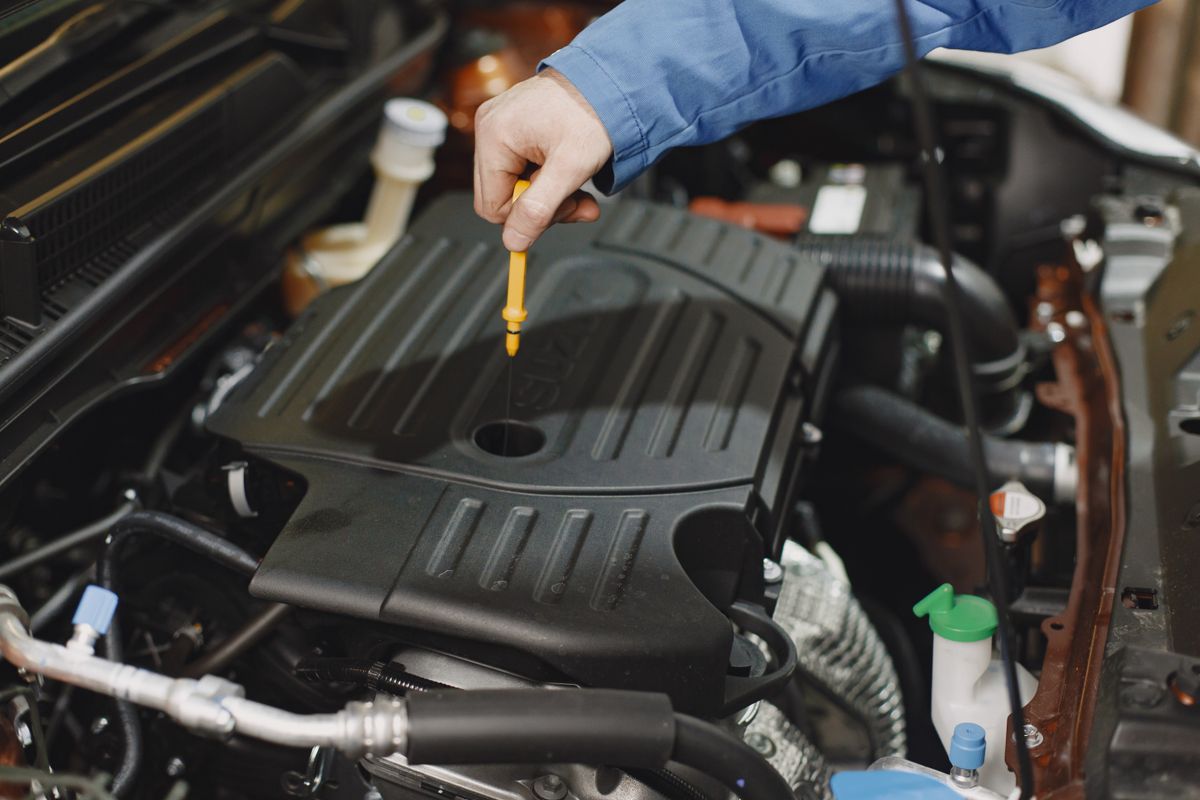
Your vehicle relies on several critical fluids to run safely. Low levels in any of them can lead to overheating, brake failure, or engine damage — problems you definitely do not want 200 miles from the nearest service station.
Check these fluids:
- Engine oil: Pull the dipstick, wipe it clean, reinsert, and check the level and color. Dark, gritty oil means it is time for a change before your trip.
- Coolant/antifreeze: Check the overflow reservoir when the engine is cool. The level should be between the MIN and MAX lines.
- Brake fluid: Located in the translucent reservoir near the firewall. Low brake fluid can indicate worn brake pads or a leak — both worth investigating.
- Transmission fluid: Check with the engine running and warmed up (consult your owner's manual for the exact procedure).
- Power steering fluid: Low levels cause whining noises and stiff steering — not ideal for winding mountain roads.
- Windshield washer fluid: Top it off. You will go through more than you expect on a long drive, especially through bug country or construction zones.
3. Test Your Brakes
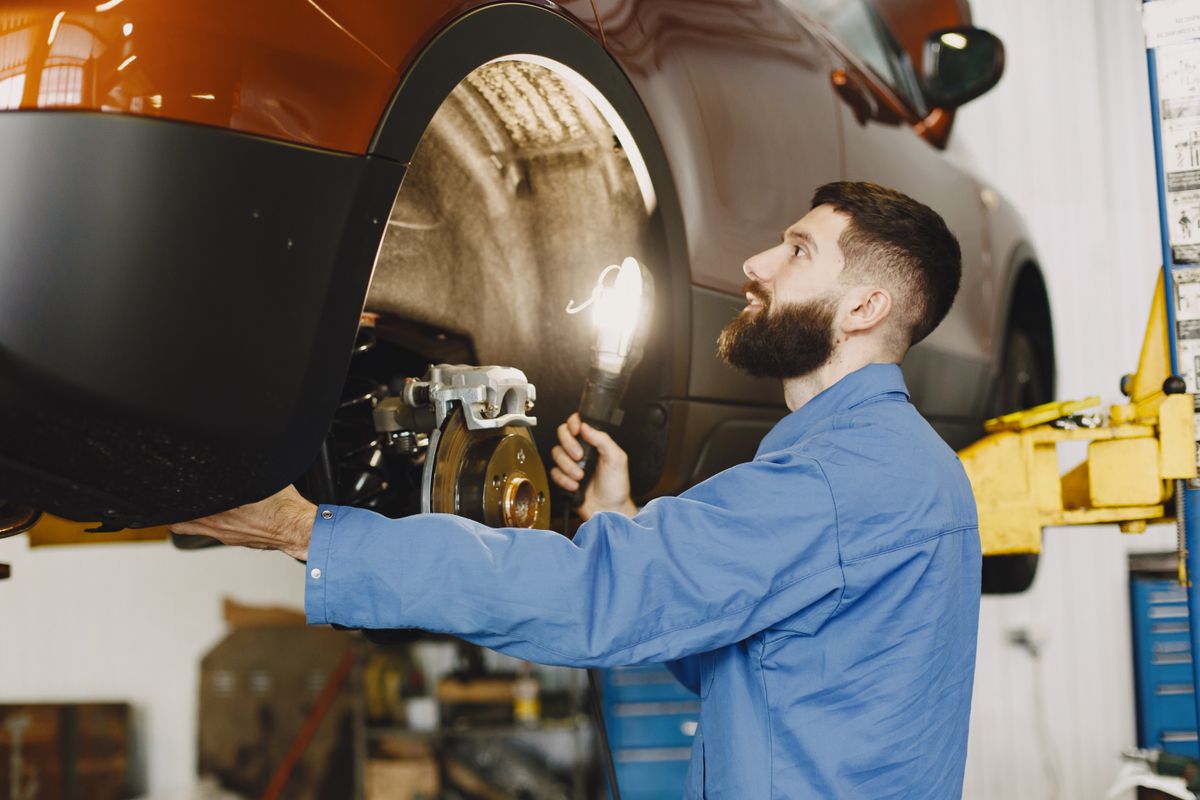
Brakes should feel firm and responsive. If you notice any of these warning signs, get them inspected before you leave:
- Squealing, grinding, or scraping sounds when braking
- The brake pedal feels soft, spongy, or sinks to the floor
- The vehicle pulls to one side when braking
- Vibration or pulsing through the brake pedal
- The brake warning light is on (this one should be obvious, but you would be surprised)
Brake pads typically last 30,000 to 70,000 miles depending on driving style and conditions. If you are close to that range or cannot remember your last brake service, a pre-trip inspection at your mechanic is worth the peace of mind.
4. Check Your Lights and Signals
Burned-out lights are one of the top reasons drivers get pulled over, and they are a genuine safety hazard — especially if you will be driving at night or in bad weather.
Walk around and verify:
- Headlights (low and high beam)
- Tail lights and brake lights (have someone press the pedal while you check)
- Turn signals (front and rear)
- Reverse lights
- Fog lights (if equipped)
- License plate lights
- Hazard flashers
Most bulbs are inexpensive and easy to replace yourself. Keep a spare set in your glove box for longer trips.
5. Inspect Wipers and Washer System
Old wiper blades streak, skip, and leave you squinting through a smeared windshield during a sudden downpour. If your wipers are more than six months old or leave visible streaks, replace them before you go.
Quick test: Spray washer fluid and run the wipers through several cycles. They should clear the windshield completely in one or two passes. If they chatter, skip, or leave arcs of water, it is time for new blades.
Do not forget to check the rear wiper if your vehicle has one — it is easy to overlook and equally important for visibility.
6. Look Under the Hood for Belt and Hose Issues
Pop the hood and do a visual inspection. You do not need to be a mechanic to spot obvious problems:
- Serpentine belt: Look for cracks, fraying, or glazing on the underside. A failed serpentine belt will kill your power steering, alternator, and AC simultaneously.
- Hoses: Squeeze the radiator and heater hoses gently. They should feel firm but pliable — not rock-hard, mushy, or cracked.
- Battery terminals: Check for corrosion (white or greenish buildup). Clean with a wire brush if needed. Make sure connections are tight.
- Air filter: Pull it out and hold it up to the light. If you cannot see light through it, replace it. A clogged air filter hurts fuel economy and performance.
If your battery is more than three years old, consider having it tested at an auto parts store — most will do it for free.
7. Pack a Road Trip Emergency Kit

Even a perfectly maintained vehicle can have unexpected issues on the road. Being prepared turns a potential disaster into a minor inconvenience.
Your road trip emergency kit should include:
- A reliable tire pressure gauge and portable air compressor
- A tire repair kit like the JACO TRX-50 for handling punctures on the go
- Jumper cables or a portable jump starter like the JACO BoostPro
- Basic tool set (screwdrivers, pliers, adjustable wrench)
- Flashlight with extra batteries
- First aid kit
- Reflective triangles or road flares
- Phone charger and portable power bank
- Blanket, water, and non-perishable snacks
It might sound like a lot, but most of this fits in a small bag in your trunk and could make the difference between a quick fix and a long wait for a tow truck.
8. Final Walk-Around and Cabin Check
Before you hit the road, do one final loop around your vehicle:
- Mirrors: Adjust all mirrors for your driving position. Clean them if they are dirty or foggy.
- AC and heat: Make sure both work. You do not want to discover a dead compressor in the middle of a July road trip through Arizona.
- Horn: Give it a quick test.
- Seat belts: Check that they retract and latch properly for every passenger.
- Registration and insurance: Confirm your documents are current and accessible.
- Cargo: Make sure everything is secured. Loose items become projectiles in a sudden stop. JACO Heavy Duty Ratchet Straps work great for securing gear in truck beds and cargo areas.
Hit the Road With Confidence
A 15-minute inspection is a small investment for the peace of mind it delivers. You have checked your tires, topped off your fluids, tested your brakes and lights, and packed an emergency kit. That means fewer surprises, better fuel economy, and a safer journey for everyone in the car.
The best road trips are the ones where the only thing you have to worry about is choosing the next playlist. Do the inspection, enjoy the drive, and make some memories.
Planning your next adventure? Check out the full lineup of JACO tools and accessories built for the road, the trail, and everything in between.