
Thanksgiving week is one of the busiest stretches of driving all year. Tens of millions of people hit the road at the same time, often in the first real cold snap of the season, with a car packed to the roof and a schedule that leaves zero room for a breakdown on the shoulder.
The good news: most holiday-trip breakdowns come from a short list of problems you can catch in your driveway. This Thanksgiving travel vehicle prep checklist takes about 10 minutes, needs only a couple of basic tools, and covers the checks that matter most before the busiest driving week of the year.
Why Holiday Travel Vehicle Prep Matters More in November
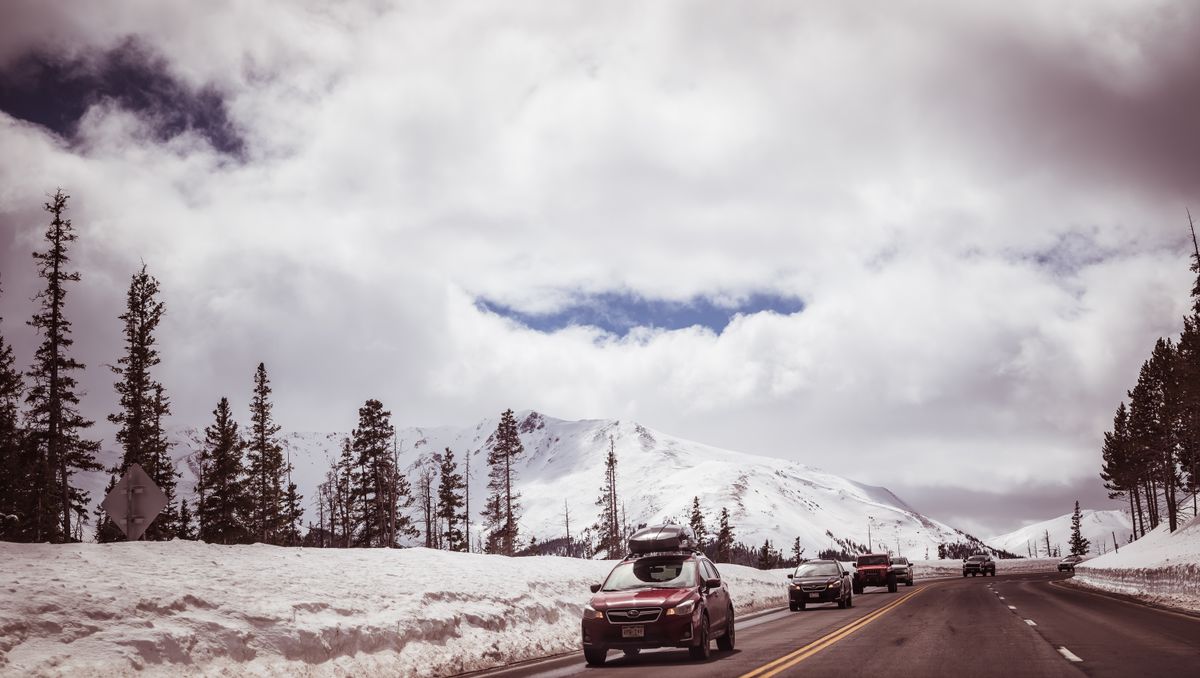
Late-November trips stack the odds against your car. Temperatures drop, which lowers tire pressure and weakens batteries. Roads get wet, icy, or salty. And you're usually carrying more weight than normal: passengers, luggage, a cooler, maybe a pie or three.
Add heavy traffic and long stretches of stop-and-go, and small issues you'd ignore on a commute become trip-enders. A quick pre-trip check is cheap insurance against spending the holiday waiting for a tow truck.
1. Check Tire Pressure Cold (Including the Spare)

If you do only one check, make it this one. Tire pressure drops roughly 1 PSI for every 10°F drop in temperature, so tires set in a warm September can easily be 4 to 6 PSI low by late November.
- Check before you drive, when tires are cold. Driving even a few miles warms them up and gives a falsely high reading.
- Use the door-jamb sticker number, not the maximum PSI printed on the sidewall.
- Add a few PSI if you're loaded heavy, if your owner's manual lists a higher "full load" pressure.
- Don't forget the spare. A flat spare is the classic holiday surprise.
Underinflated tires flex more, run hotter, wear faster, and cost you fuel economy on a long highway trip. A dedicated gauge is far more reliable than the gas-station air hose. For more on why this matters on long drives, see our guide to road trip vehicle inspection checklist.

2. Look at Tread Depth and Tire Condition
Pressure is only half the story. Worn tread is what turns a wet or slushy highway into a skating rink.
- Measure tread depth. 2/32" is the legal minimum in most states, but wet and snow traction falls off well before that. Many experts suggest replacing tires around 4/32" if you drive in winter weather. A simple tread depth gauge takes the guesswork out of it.
- Scan the sidewalls for bulges, cuts, or cracking.
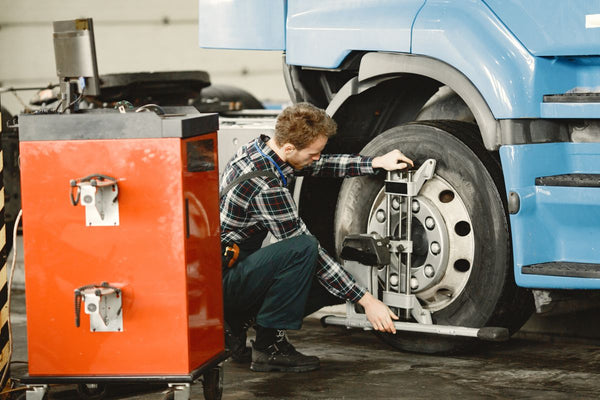
- Check for uneven wear, which can point to alignment problems worth fixing before a long drive.
3. Test the Battery Before the Cold Does
Cold weather is hard on batteries. A battery that cranked fine in October can leave you stranded in a relative's driveway on a frosty Thanksgiving morning.
- If your battery is three or more years old, have it load-tested. Most auto parts stores do it free.
- Look for white or green corrosion on the terminals and make sure the clamps are tight.
- Notice slow cranking? Don't wait. That's the battery telling you it's on its way out.
4. Check Oil, Coolant, and Washer Fluid
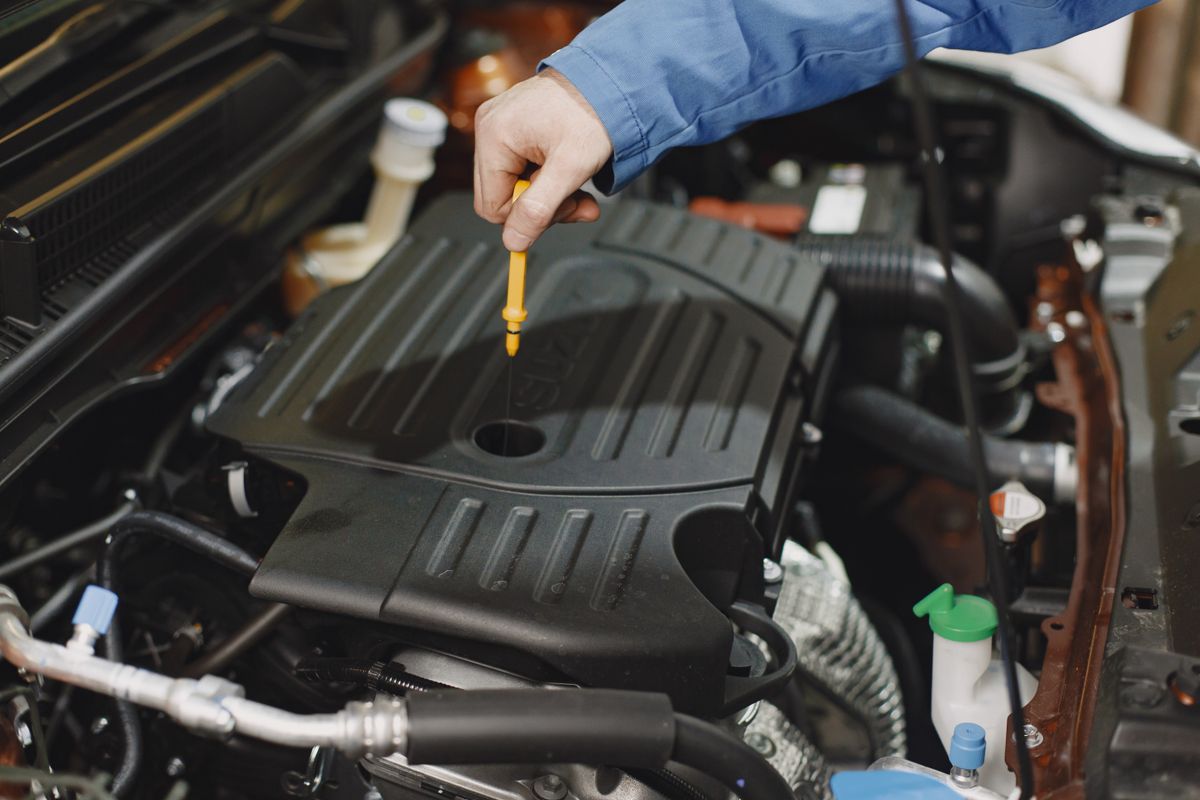
Pop the hood on level ground with the engine cool and run through the fluids:
- Engine oil: Check the dipstick. If you're close to your oil change interval, get it done before the trip, not after.
- Coolant/antifreeze: Make sure the reservoir is between the marks. Coolant protects against freezing as much as overheating.
- Washer fluid: Fill it with a winter-rated fluid. Highway spray, road salt, and slush will empty a reservoir faster than you'd expect.
- Brake fluid: Glance at the level. If it's low, have the brakes checked.
5. Wipers, Lights, and Visibility
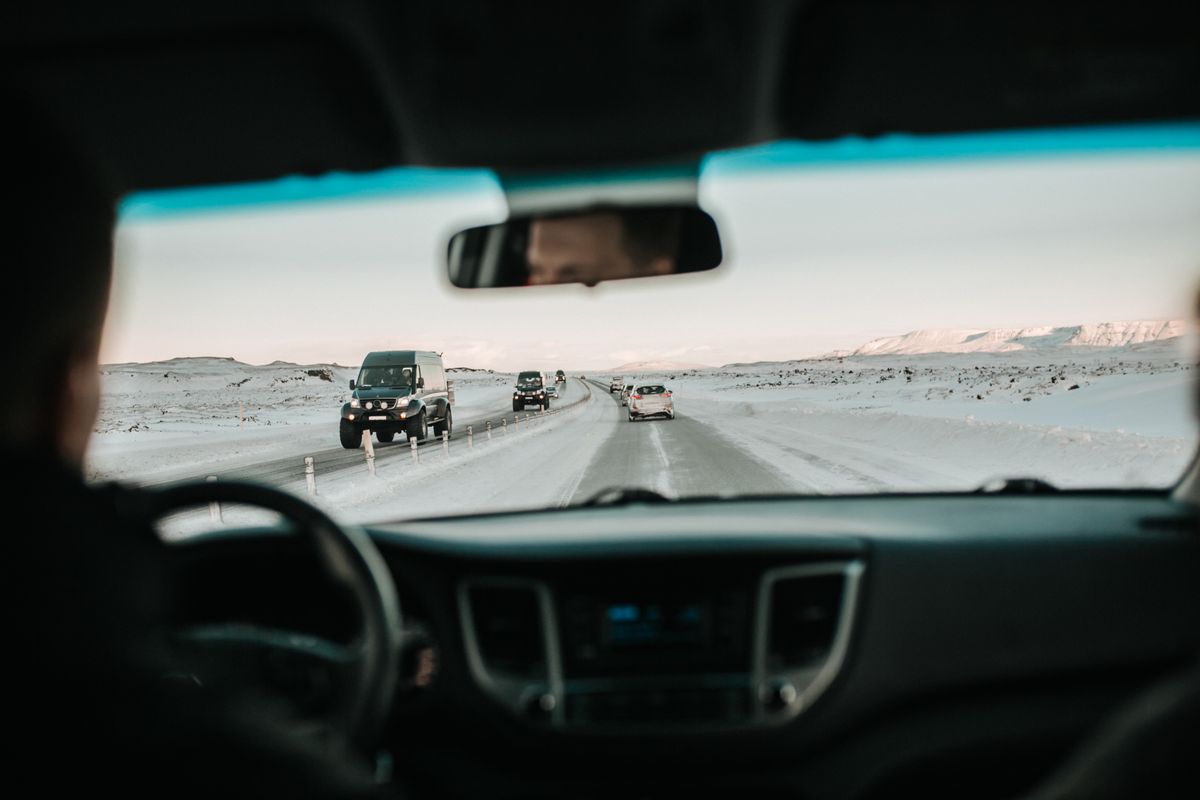
You'll likely drive in the dark at some point, since late-November sunsets come early. Walk around the car with the lights on and check headlights (high and low), taillights, brake lights, and turn signals.
Streaky or chattering wipers are worth replacing now. It's a 10-minute job, and our guide on how to replace windshield wipers walks you through it. Clean the inside of the windshield too. Film on the glass causes glare and fogs up faster.
6. Pack Smart and Respect Your Load Limits

Holiday trips are when cars get loaded to the max. A few rules keep things safe:
- Know your payload. The door-jamb sticker lists the max combined weight of passengers and cargo. A full car of adults plus luggage can get close.
- Heavy items low and forward, ideally on the floor behind the front seats or toward the front of the cargo area.
- Keep sightlines clear. Don't stack bags above the rear seatbacks where they block the mirror and can fly forward in a hard stop.
- Secure roof loads properly with straps rated for the job, and recheck them at your first stop.
7. Build a Quick Holiday Road Trip Emergency Kit
Even a well-prepped car can get stuck in a multi-hour traffic jam or a surprise snow squall. Keep these in the car:
- Phone charger, flashlight, and spare batteries
- Blankets, gloves, and a hat for everyone
- Water and snacks (leftovers count on the way home)
- Ice scraper and a small shovel if you're heading into snow country
- Jumper cables, a tire repair kit, and a portable inflator
For a complete list, see our winter car emergency kit checklist.
Your 10-Minute Thanksgiving Travel Vehicle Prep, Recapped
Before you leave for the holiday, run through it in this order: tire pressure (including the spare), tread depth, battery, fluids, wipers and lights, load, and emergency kit. It takes about 10 minutes, and it's the best way to make sure the only thing you're stressing about this Thanksgiving is who gets the last slice of pie. Start with the easiest win: grab a good gauge and set every tire to the right PSI before you hit the road.