


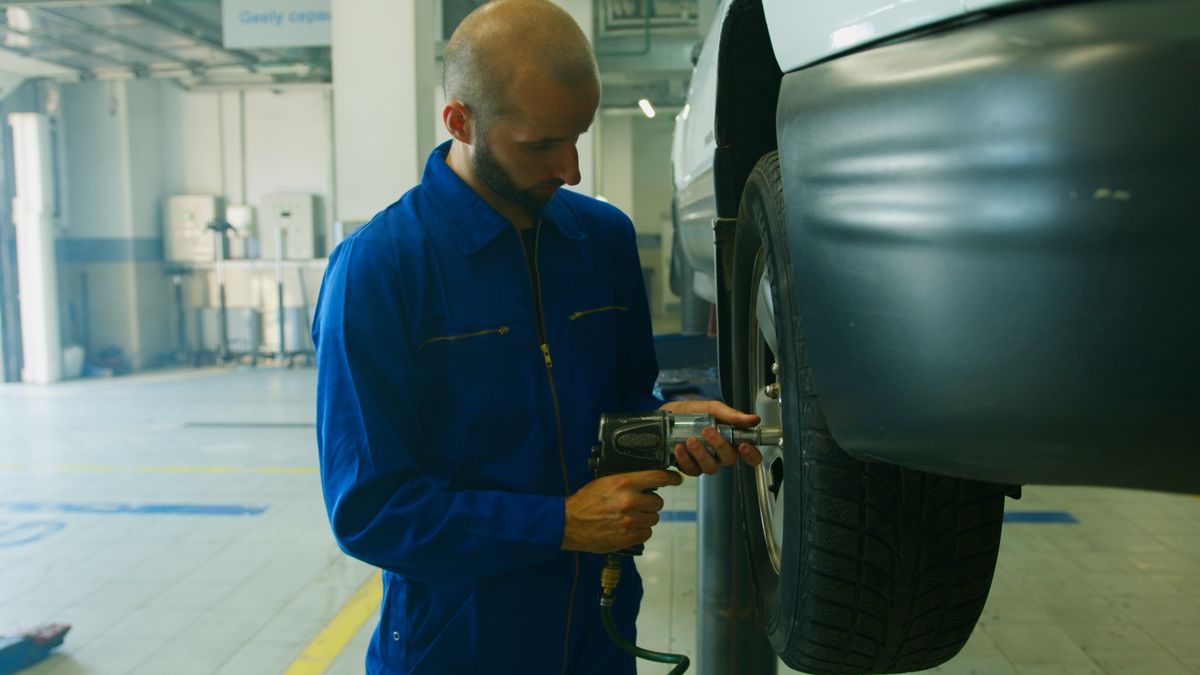
If you have ever struggled with a stubborn bolt, spent hours hand-sanding a piece of furniture, or wished you could knock out tire inflations in seconds instead of minutes, air tools might be exactly what your garage is missing. Pneumatic tools — powered by compressed air — have been the backbone of professional shops for decades. But they are not just for the pros anymore. A basic air tool setup is surprisingly affordable, easy to learn, and can transform the way you tackle projects at home.
Whether you are a weekend DIYer, a car enthusiast, or someone who just wants to make routine maintenance faster, this guide covers everything you need to get started with air tools in your home garage.
What Are Air Tools and How Do They Work?
Air tools (also called pneumatic tools) are powered by compressed air rather than electricity or batteries. An air compressor pressurizes air and stores it in a tank. When you connect a tool via an air hose and pull the trigger, that pressurized air drives the tool's motor — spinning, hammering, spraying, or blowing with impressive force.
The advantages over electric or cordless equivalents are significant: air tools are typically lighter, more powerful for their size, and almost indestructible because they have fewer internal components. They also run cooler, meaning you can use them for extended sessions without worrying about overheating.
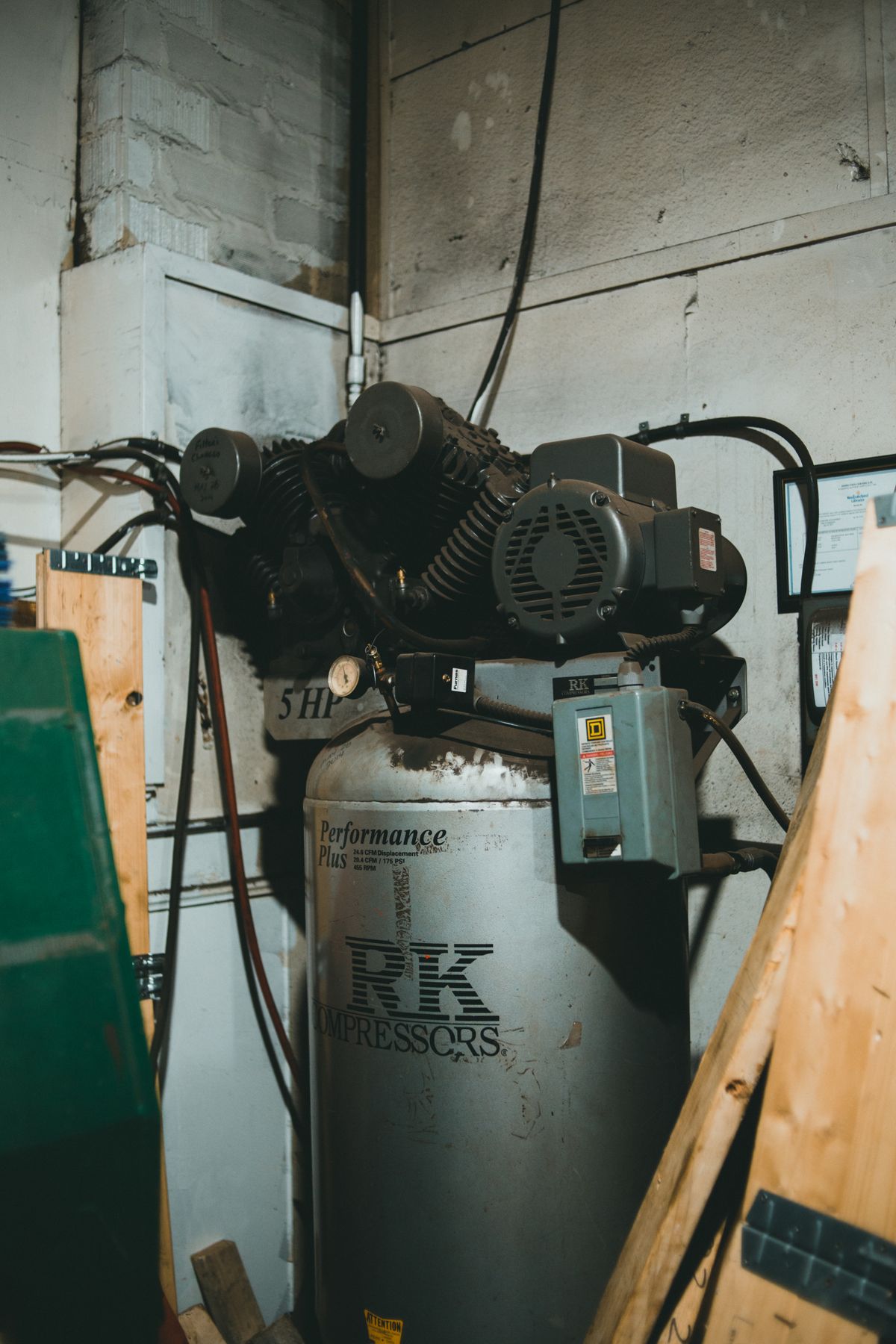
Choosing Your First Air Compressor
The compressor is the heart of any air tool setup. For a home garage, you do not need an industrial monster — but you do need enough capacity to run the tools you plan to use. Here is what to look for:
- Tank size: A 20–30 gallon tank handles most home projects. Smaller pancake compressors (6 gallons) work for brad nailers and tire inflation but run out of air quickly with larger tools.
- CFM (cubic feet per minute): This is the real measure of a compressor's capability. Impact wrenches need 4–5 CFM, while spray guns may need 8–12 CFM. Always buy more CFM than your most demanding tool requires.
- PSI (pounds per square inch): Most air tools run at 90 PSI. Nearly every home compressor delivers at least 120 PSI, so this is rarely a bottleneck.
- Oil-free vs. oil-lubricated: Oil-free models are maintenance-friendly and fine for most home users. Oil-lubricated compressors last longer and run quieter — ideal if your garage is near living spaces.
A solid 26–30 gallon, belt-driven compressor in the $300–$500 range will power everything from impact wrenches to paint sprayers for years.
The 5 Most Useful Air Tools for Home Projects
You do not need to buy every pneumatic tool at once. Start with these five and you will cover the vast majority of home garage tasks:

1. Impact Wrench
The single most popular air tool — and for good reason. A 1/2-inch impact wrench removes lug nuts in seconds, making tire rotations and brake jobs effortless. It also handles suspension work, engine bolts, and any fastener that refuses to budge. Once you use one, you will never go back to a breaker bar.
2. Tire Inflator / Air Chuck
Keeping tires at the correct pressure improves fuel economy, tire life, and safety. With a compressor and a quality inflator like the JACO FlowPro® Digital Tire Inflator, you can check and adjust pressure in your driveway in under a minute per tire — no more trips to the gas station.

3. HVLP Spray Gun
High-Volume, Low-Pressure spray guns turn messy painting jobs into smooth, professional-quality finishes. Refinish kitchen cabinets, stain a fence, touch up automotive paint, or lacquer a piece of furniture — all with less overspray and better coverage than brushes or rollers.

4. Brad Nailer / Finish Nailer
Building shelves, installing trim, assembling furniture, or doing any woodworking? A pneumatic nailer drives nails flush and fast without splitting wood. Brad nailers (18-gauge) handle delicate trim, while finish nailers (16-gauge) tackle baseboards and crown molding.
5. Blow Gun / Air Nozzle
The simplest air tool — and one you will use constantly. Blow sawdust off your workbench, clean out crevices in engines or electronics, dry parts after washing, or clear debris from tight spaces. It is the compressed-air equivalent of a shop vac, but faster.
Essential Accessories You Will Need
The tools are only half the equation. These accessories complete your setup:
- Quality air hose: A durable, kink-resistant hose like the JACO FlexPro™ Hybrid Air Hose makes a huge difference in maneuverability and longevity. Hybrid polymer hoses stay flexible even in cold weather.
- Quick-connect fittings: Swap between tools in seconds. A set of JACO Hi-Flo Quick Connect Air Fittings standardizes your connections and maximizes airflow.
- Air tool oil: A few drops before each use keeps pneumatic motors running smoothly. Most air tools require regular lubrication.
- Moisture filter/regulator: Compressors produce condensation. An inline filter prevents water from damaging tools and ruining paint finishes.
- Teflon tape: Wrap all threaded connections to prevent air leaks. Leaks rob you of CFM and make your compressor work harder.
Setting Up Your Home Garage Air System
Getting your air system right from the start saves headaches later:
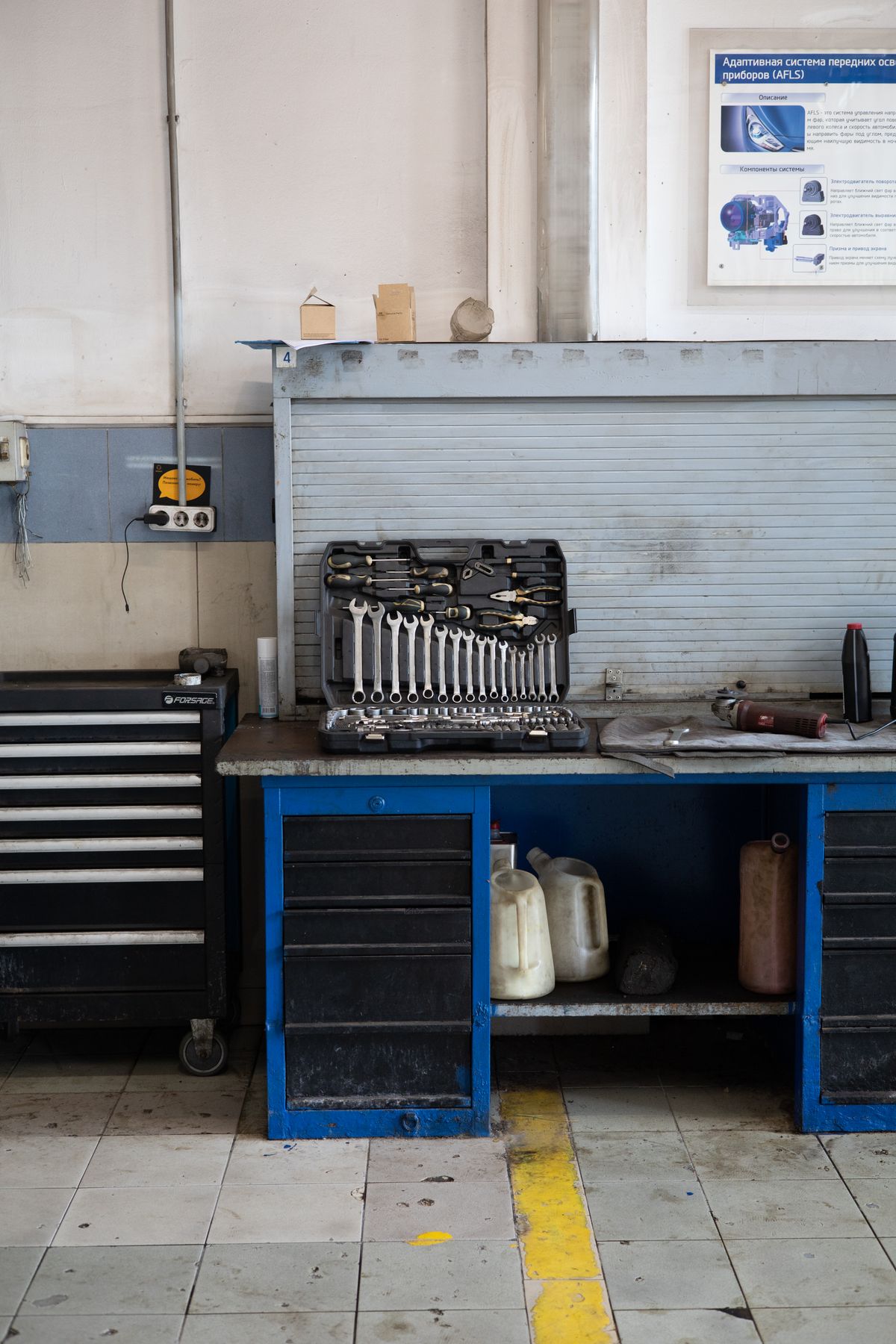
- Place the compressor strategically. Near a dedicated outlet (most home compressors need a 15–20 amp circuit), ideally in a corner where the noise is manageable. Some folks put theirs outside the garage wall and run an air line through.
- Install a main air line. If you use air tools frequently, consider running a semi-permanent air line along the ceiling or wall of your garage with drop-down connections at key workstations. Even a simple coiled hose on a wall-mounted reel works well.
- Mount quick-connect couplers at your workbench, near the vehicle bay, and anywhere else you regularly work. This way you just grab the tool and click in.
- Add a moisture trap at the compressor outlet and consider a secondary filter at each drop point for painting work.
- Drain the tank after every use. Open the drain valve at the bottom of the tank to release accumulated water. This prevents internal rust and extends your compressor's life dramatically.
Air Tools vs. Cordless: When Does Each Make Sense?
Modern cordless tools have gotten incredibly capable, and for portability they cannot be beat. But air tools still win in specific scenarios:
- Sustained power: Air tools never lose power as a battery drains. For long painting sessions or heavy fastening work, pneumatic wins.
- Weight: Without a battery pack, air tools are lighter and less fatiguing during extended use.
- Cost per tool: Individual air tools are significantly cheaper than their cordless equivalents. If you already have a compressor, adding a new pneumatic tool might cost $30–$80 versus $150+ for cordless.
- Durability: Fewer electronics mean fewer failure points. Air tools from the 1990s are still running strong in shops today.
That said, for jobs away from the garage — trailside tire inflation, remote worksites, or quick tasks where dragging a hose is impractical — a cordless tool like the JACO 20V Cordless Tire Inflator is the smarter choice. The best approach? Have both options available.
Safety Tips for Air Tool Beginners
Compressed air deserves respect. Follow these basics:
- Always wear safety glasses. Compressed air can launch debris at high speed.
- Never point air tools or blow guns at yourself or others. Even "just air" can cause serious injury at close range.
- Disconnect tools before adjusting or clearing jams. An accidental trigger pull with a nail gun is no joke.
- Check hose connections regularly. A hose that pops loose under pressure becomes a dangerous whip.
- Use hearing protection when running loud tools like impact wrenches. Prolonged exposure causes permanent hearing damage.
- Set the correct PSI. Check your tool's rated pressure and use a regulator to match it. Over-pressuring can damage tools and create safety hazards.
Get Started This Weekend
You do not need a professional shop to benefit from air tools. A compressor, a good hose, a handful of quick-connect fittings, and one or two tools will immediately level up your garage. Start with an impact wrench or tire inflator — the two tools with the most immediate, everyday payoff — and expand from there as projects demand it.
Already have a compressor? Check out our Spring Garage Organization guide for tips on setting up your workspace to make the most of your new tools.


